In 1892, Dmitri Ivanovsky studied a disease in tobacco plants and discovered evidence of an infectious agent smaller than bacteria—what would later be called a virus.
Viruses matter because they touch public health, biotechnology, and global ecology. There are an estimated ~1031 viral particles on Earth, so their effects are vast even if individual virions are tiny. This piece highlights ten surprising, science-grounded facts about viruses and why they shape medicine, ecosystems, and technology.
Viral basics and diversity
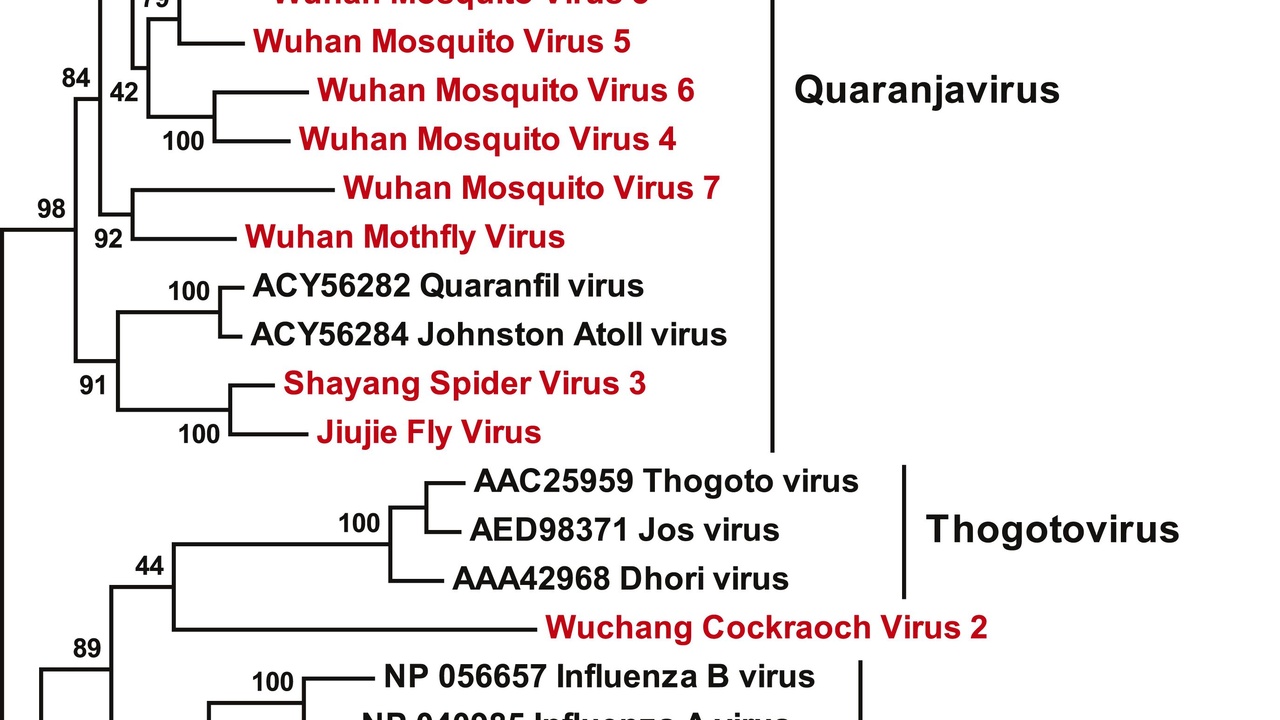
1. Viruses come in many sizes and shapes
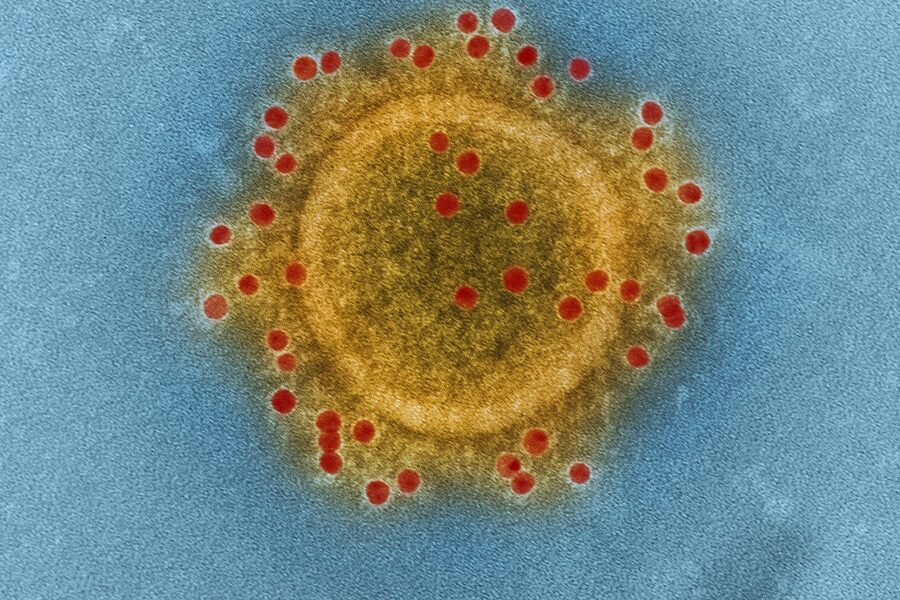
Viruses range from roughly 20 nanometers to several hundred nanometers across. Poliovirus is tiny at about 30 nm, while the giant mimivirus, discovered in 2003 (Acanthamoeba polyphaga mimivirus), measures roughly 400–750 nm.
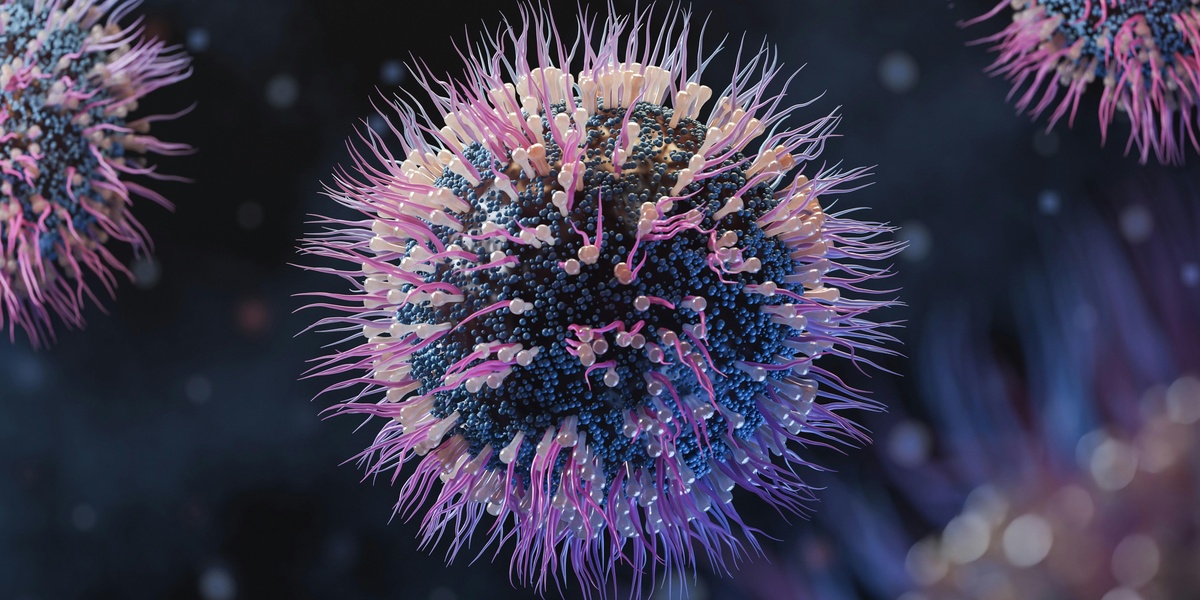
Shapes vary too: many are icosahedral (adenovirus), some form rods or helices (tobacco mosaic virus), and bacteriophages often have complex heads and tails (T4 phage). Size and form affect how we filter, detect, and image viruses—electron microscopy and specialized filtration methods are needed for different groups.
2. Viral genomes use all forms of genetic material
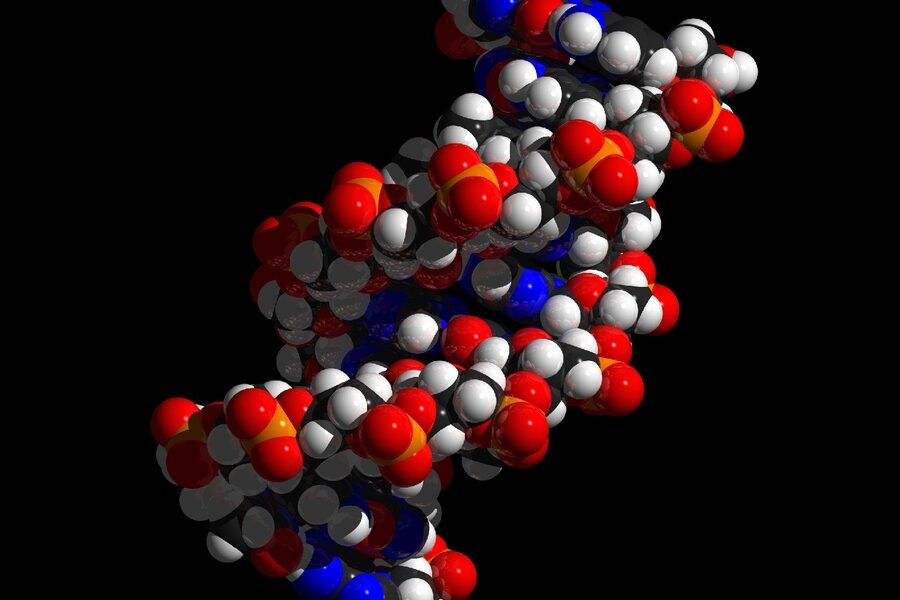
Viruses carry RNA or DNA genomes that may be single-stranded or double-stranded, linear or circular. SARS‑CoV‑2 is a positive-sense single-stranded RNA virus with ~30,000 bases, while influenza A has eight negative-sense RNA segments.
Genome sizes vary hugely: tiny parvoviruses have ~5,000 bases of single-stranded DNA, whereas giant viruses can exceed 1,000 kilobases. Genome type dictates replication strategies and influences diagnostics and vaccine design—for example, mRNA vaccines exploit knowledge of RNA genomes and protein expression.
3. Viruses infect every domain of life
Viruses attack animals, plants, fungi, bacteria and archaea. Bacteriophages are the most numerous biological entities in the biosphere; seawater typically contains 106–108 phage particles per milliliter.
Phages such as T4 and cyanophages that infect marine cyanobacteria shape microbial ecology and nutrient cycling. That ubiquity means viruses drive ecological processes from soil to ocean, and they are being explored as targeted antibacterial tools in medicine.
Viruses and human health

4. Viruses have caused some of history’s deadliest pandemics
Viral pandemics have altered societies. The 1918 influenza pandemic (1918–1919) is estimated to have killed about 50 million people worldwide.
Since 1981, HIV/AIDS has caused roughly 40 million deaths globally. More recently, SARS‑CoV‑2 emerged in late 2019 and caused a multi-year pandemic with millions of deaths and major shifts in public health policy and surveillance.
5. Vaccines transformed how we fight viral diseases
Vaccination is the most effective public-health tool against many viral diseases. Smallpox was declared eradicated in 1979, and global polio cases have fallen by over 99% since vaccination campaigns began in 1988.
Recent platforms built on viral knowledge include mRNA vaccines (Pfizer‑BioNTech and Moderna, deployed in 2020) and viral vector vaccines (AstraZeneca, etc.). Understanding viral structure and genomes enabled these rapid vaccine advances.
6. Antiviral drugs and novel therapies are expanding
Antivirals and modern therapies have markedly improved outcomes. Oseltamivir reduces influenza severity, and antiretroviral therapy (ART) turned HIV from a fatal disease into a chronic manageable condition, greatly improving life expectancy for treated patients.
Newer approaches include monoclonal antibodies, gene‑based diagnostics and therapies, and oncolytic viruses such as T‑VEC (an engineered herpesvirus approved for melanoma in 2015). CRISPR delivery methods also draw on viral vector technology.
7. Some viral infections can persist or cause long-term effects
Not all viral infections are brief. Hepatitis B and C can become chronic and raise the risk of hepatocellular carcinoma decades later. Herpesviruses establish latency and can reactivate as shingles (varicella‑zoster virus).
Post‑viral syndromes also create long-term burdens—long COVID emerged after 2019 and has left many people with prolonged fatigue, cognitive issues and respiratory problems. Chronic infections demand sustained care and surveillance.
Viruses as tools and ecological forces
8. Bacteriophages are being used to fight antibiotic-resistant bacteria
Phage therapy is re-emerging as an option against resistant bacterial infections. Eastern European centers like the Eliava Institute have used phages clinically for decades, and recent compassionate‑use cases in the 2010s–2020s demonstrated striking recoveries where antibiotics failed.
Phages are highly specific: they can be matched to a patient’s bacterial strain, reducing off‑target effects. Regulatory pathways in the U.S. and EU are developing to allow broader clinical trials and emergency use in critical cases.
9. Viruses are essential tools in biotechnology and medicine
Among the most useful facts about viruses is that viral components underlie gene therapy, vaccines, and molecular biology tools. AAV vectors power approved gene therapies such as Luxturna (approved 2017), and adenoviral vectors have been used in vaccine platforms.
Viral enzymes and systems also enabled major discoveries: studies of phage–bacteria interactions led to the CRISPR gene‑editing toolbox, and bacteriophages helped develop cloning and sequencing methods. These applications turn viral biology into practical medicine.
10. Viruses influence global ecology and evolution
Viruses drive population dynamics and nutrient cycles. In oceans, viral lysis of microbes releases dissolved organic matter that fuels microbial food webs and influences carbon export; viral abundances in seawater are typically 107–108 particles per milliliter.
Viruses also mediate horizontal gene transfer, moving genes between hosts and accelerating evolution. Phage‑mediated gene exchange has altered bacterial metabolism and virulence, shaping microbial communities over time.
Summary
- Viruses display remarkable diversity in size, shape and genomes, from ~30 nm poliovirus to giant mimiviruses.
- They have shaped human history through pandemics but vaccines (smallpox eradicated 1979; polio cases down >99% since 1988) and antivirals have transformed outcomes.
- Researchers repurpose viruses as tools—AAV gene therapy (Luxturna, 2017), adenoviral vaccines, CRISPR delivery—and phage therapy offers a path against resistant bacteria.
- Viruses are ecological drivers, affecting ocean carbon cycling and horizontal gene transfer; supporting scientific literacy and public‑health measures will help society use their benefits while limiting harms.