Across industries and regions, the materials we depend on come from finite geologies and concentrated deposits, which shapes economies and local landscapes. Thinking about what we extract and use helps clarify why some resources deserve careful management and substitution.
There are 20 Examples of Non-renewable Resources, ranging from Aluminum to Zinc. For each entry you’ll find below the data organized with Category,Primary source/location,Typical uses (max 15 words) to make comparisons quick and practical — you’ll find below.
How can I reduce my reliance on non-renewable resources?
Start by prioritizing reduction and reuse: choose durable products, repair instead of replace, and buy recycled or low-embodied-energy materials. Shift energy use toward electrification and renewables where possible, support circular-economy services (refurbish, leasing) and vote for policies that fund recycling infrastructure and material-efficient design.
Which non-renewable resources should communities monitor for supply risk?
Focus on resources with high demand and concentrated supply chains: oil, natural gas, coal, uranium, copper, aluminum, zinc, and rare earths. Track geopolitical concentration, recycling rates, and substitution options; that combination highlights where shortages or price shocks are most likely.
Examples of Non-Renewable Resources
| Name | Category | Primary source/location | Typical uses (max 15 words) |
|---|---|---|---|
| Coal | fossil fuel | China, India, United States, Australia, Indonesia | Electricity generation, steel production, cement |
| Crude oil | fossil fuel | Middle East, Russia, United States, Saudi Arabia | Transport fuels, plastics, chemicals, heating |
| Natural gas | fossil fuel | Russia, United States, Iran, Qatar | Heating, electricity, industry, chemical feedstock |
| Uranium | nuclear fuel | Kazakhstan, Canada, Australia | Nuclear power fuel, medical isotopes |
| Iron ore | metallic mineral | Australia, Brazil, China (consumer) | Steelmaking, construction, machinery |
| Copper | metallic mineral | Chile, Peru, United States | Electrical wiring, electronics, plumbing, motors |
| Aluminum | metallic mineral | Australia, Guinea, Brazil (bauxite) | Transport, packaging, construction, electronics |
| Gold | metallic mineral | China, Australia, Russia | Jewelry, electronics, investment, dentistry |
| Silver | metallic mineral | Mexico, Peru, China | Electronics, jewelry, photography, antimicrobials |
| Lithium | metallic mineral | Australia, Chile, Argentina | Batteries for EVs, electronics, energy storage |
| Cobalt | metallic mineral | Democratic Republic of Congo, Russia, Australia | Battery cathodes, superalloys, electronics |
| Nickel | metallic mineral | Indonesia, Philippines, Russia | Stainless steel, batteries, alloys |
| Zinc | metallic mineral | China, Peru, Australia | Galvanizing, alloys, batteries, corrosion protection |
| Lead | metallic mineral | China, Australia, United States | Batteries, radiation shielding, alloys |
| Tin | metallic mineral | Indonesia, China, Peru | Solder, plating, alloys, electronics |
| Phosphate rock | non-metallic mineral | Morocco, China, United States | Fertilizers, animal feed, industrial chemicals |
| Potash | non-metallic mineral | Canada, Russia, Belarus | Fertilizer (potassium), industrial chemicals |
| Rare earth elements | rare earth | China, Australia, United States | Magnets, electronics, batteries, catalysts |
| Platinum | metallic mineral | South Africa, Russia, Zimbabwe | Catalytic converters, jewelry, industrial catalysts |
| Sulfur | non-metallic mineral | Recovered from oil & gas, China, Canada, United States | Fertilizers, chemicals, sulfuric acid, industry |
Images and Descriptions
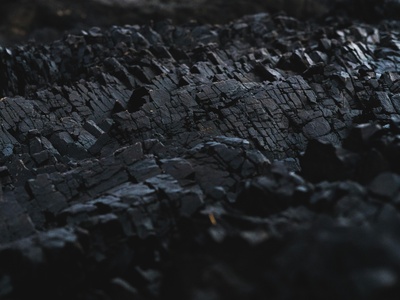
Coal
Coal is a sedimentary rock formed from ancient plant material; mined mainly in China, India, US, Australia. Burned for electricity and steel; cheap but high in carbon, air pollution, and land disruption. Large reserves exist but contribute heavily to climate change.
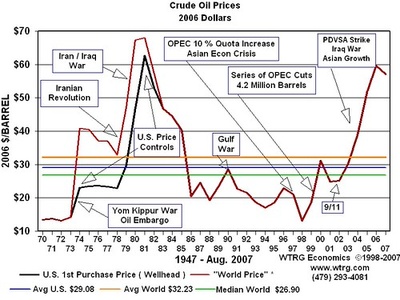
Crude oil
Crude oil forms from ancient marine organisms trapped in sediments; produced in Middle East, Russia, United States, and others. Refined into fuels, plastics, and chemicals. Finite reserves and combustion release carbon dioxide and pollutants, causing climate change and spill risks.
Natural gas
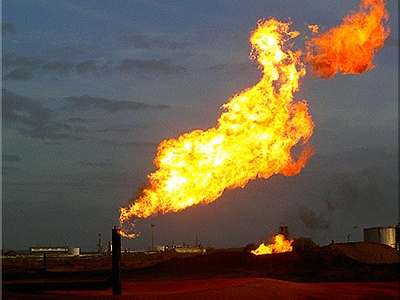
Natural gas is methane-rich fossil fuel from buried organic matter; major producers include Russia, United States, Iran, Qatar. Used for heating, electricity, and industry. Burns cleaner than coal but leaks methane, a potent greenhouse gas; extraction can damage ecosystems and groundwater.
Uranium
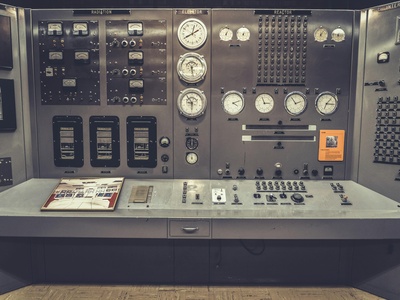
Uranium is a dense radioactive metal mined in Kazakhstan, Canada, and Australia for nuclear fuel. Used in power reactors and medical isotopes. Extremely energy-dense but produces long-lived radioactive waste and has safety, proliferation, and contamination concerns.
Iron ore
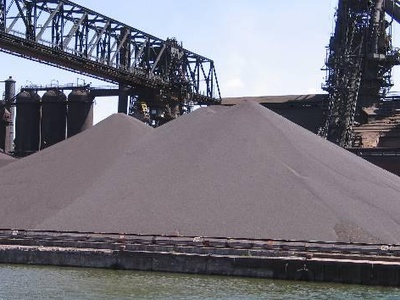
Iron ore, mined mainly in Australia and Brazil, supplies steelmaking raw material. Essential for construction and machinery. Large global reserves exist but intensive mining causes habitat loss, energy use, and CO2 emissions in steel production.
Copper
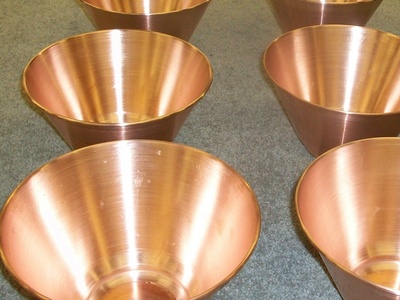
Copper deposits, concentrated in Chile and Peru, are mined for electrical wiring, electronics, and plumbing. Critical for electrification and renewable technologies; ore grades are declining, mining is water-intensive, and tailings can pollute soils and waterways.
Aluminum
Aluminum is produced from bauxite mined in Australia, Guinea, and Brazil. Lightweight and widely used in transport, packaging, and construction. Refining is energy-intensive and often relies on fossil electricity; bauxite mining can strip landscapes and affect local communities.
Gold
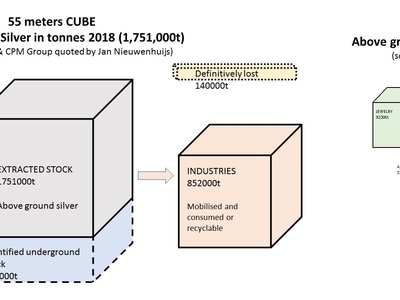
Gold is mined in China, Australia, and Russia for jewelry, electronics, and finance. Valued for scarcity and corrosion resistance. Mining can involve toxic chemicals like mercury or cyanide, deforestation, and social conflict despite being highly recyclable.
Silver
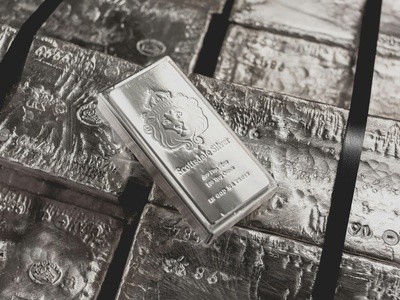
Silver, produced in Mexico, Peru, and China, is used in electronics, photography, jewelry, and antimicrobial products. Often co-produced with other metals; mining impacts water quality, and demand for electronics strains available high-grade deposits.
Lithium
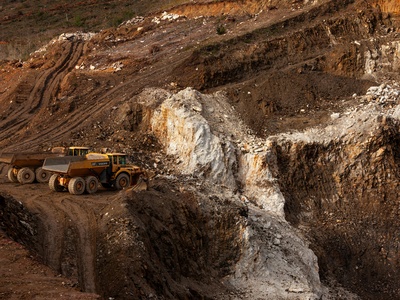
Lithium is extracted from brines and hard rock in Australia, Chile, and Argentina for batteries in phones, laptops, and electric vehicles. Demand is surging; extraction can deplete local water and affect ecosystems, raising supply and environmental concerns.

Cobalt
Cobalt, concentrated in the Democratic Republic of Congo, is critical for battery stability and electronics. Supply chains face ethical concerns, child labor, and concentrated geopolitical risk; mining also causes local pollution and habitat damage.
Nickel
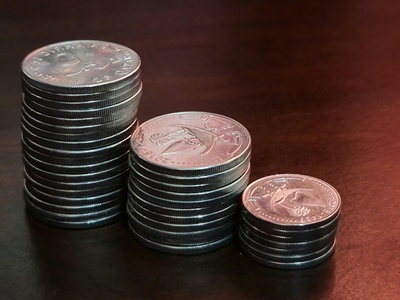
Nickel, produced in Indonesia, the Philippines, and Russia, strengthens steel and is key in batteries. Ore grades and environmental standards vary; mining and processing can emit sulfur dioxide and contaminate water.
Zinc
Zinc, mined in China, Peru, and Australia, protects steel from corrosion and is used in alloys and batteries. Mining produces tailings and acid drainage risks; recycling helps but primary supply is finite.
Lead
Lead, historically mined in China and Australia, is used in batteries, radiation shielding, and alloys. Toxicity causes human health risks; mining and smelting release lead contamination, prompting regulation and recycling to reduce demand for new ore.
Tin
Tin, produced in Indonesia, China, and Peru, is used for solder, plating, and alloys. Small-scale mining can cause deforestation and pollution; high-quality deposits are limited, affecting supply for electronics. Extraction practices and market shifts influence recycling and availability.
Phosphate rock
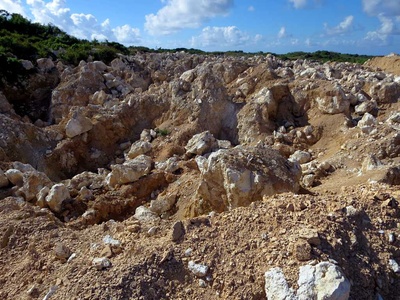
Phosphate rock, abundant in Morocco and China, is the main source of phosphorus for fertilizers. Essential for agriculture, reserves are unevenly distributed; overuse and mining cause eutrophication, habitat loss, and concerns about future fertilizer scarcity.
Potash
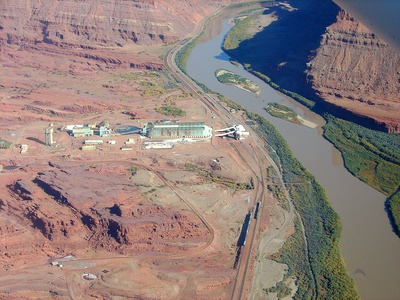
Potash (potassium salts), mined in Canada, Russia, and Belarus, is used mainly as fertilizer to boost crop yields. Deposits are geologically finite; extraction can alter groundwater and produce large waste brines.
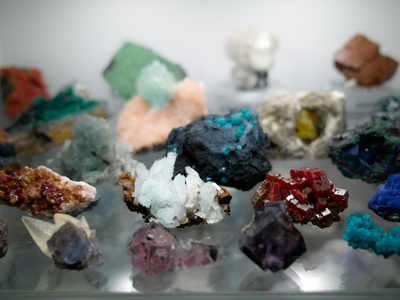
Rare earth elements
Rare earth elements (like neodymium, dysprosium) are concentrated in China, Australia, and the U.S. They enable magnets, electronics, and clean technologies. Mining is chemically intensive, creates toxic wastes, and geopolitical concentration raises supply risks.
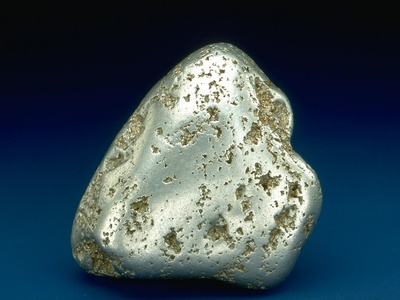
Platinum
Platinum, mined in South Africa and Russia, is used in catalytic converters, jewelry, and industrial catalysts. Rarity and concentrated production make it expensive; mining disrupts habitats and generates energy-intensive processing impacts.
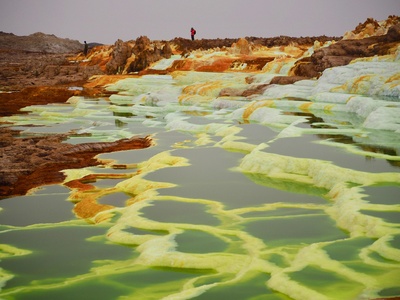
Sulfur
Sulfur is recovered from oil, gas, and mined deposits, with major recovery in China, Canada, and the U.S. Used in fertilizers, chemicals, and industry. Large-scale recovery reduces waste but sulfur emissions and acid rain remain environmental concerns.