Across classrooms, research labs, and industrial settings, chemistry frames how we understand materials, reactions, and the behavior of molecules. Whether you’re preparing a lesson plan, refreshing course content, or exploring topics for self-study, a clear list helps you navigate priorities and depth.
There are 79 Chemistry Topics, ranging from Acid–Base Chemistry to X-ray Crystallography, and you’ll find below entries organized under Branch, Curriculum level, Key concepts to make selection and sequencing easier — you’ll find below.
How can I use this list to build a course or study plan?
Start by filtering topics by Branch and Curriculum level to match your audience, then focus on Key concepts for each item to set learning objectives; sequence foundational topics (like atomic structure and stoichiometry) before applied ones (like spectroscopy or crystallography) and use the list to balance theory, lab skills, and assessment points.
Which topics should a beginner prioritize first?
Beginners benefit most from core concepts that recur across fields: atomic structure, chemical bonding, stoichiometry, basic thermodynamics, and Acid–Base Chemistry; mastering these gives a strong base to approach intermediate topics such as kinetics, equilibria, and simple instrumental methods.
Chemistry Topics
| Topic | Branch | Curriculum level | Key concepts |
|---|---|---|---|
| Atomic Structure | Theoretical | Intro | protons, neutrons, electrons, orbitals, shells, quantum numbers |
| Periodic Table | Inorganic | Intro | groups, periods, blocks, trends, electronegativity, atomic radius |
| Chemical Bonding | Theoretical | Intro | ionic, covalent, metallic, polar, electronegativity, Lewis structures |
| Molecular Geometry | Theoretical | Intermediate | VSEPR, hybridization, bond angles, molecular shape, dipole moment |
| Stoichiometry | Physical | Intro | mole concept, balancing, limiting reagent, yield, molarity, concentration |
| Thermochemistry | Physical | Intro | enthalpy, heat, Hess’s law, calorimetry, heat capacity |
| Chemical Thermodynamics | Physical | Intermediate | entropy, Gibbs free energy, spontaneity, state functions, equilibrium |
| Chemical Kinetics | Physical | Intermediate | rate laws, reaction order, activation energy, Arrhenius, catalysts |
| Chemical Equilibrium | Physical | Intermediate | equilibrium constant, Le Châtelier, Kc, Kp, reaction quotient |
| Acid–Base Chemistry | Analytical | Intro | pH, pKa, Henderson-Hasselbalch, titration, buffers, Bronsted-Lowry |
| Redox Chemistry | Inorganic | Intro | oxidation states, electron transfer, balancing, oxidizing/reducing agents, half-reactions |
| Electrochemistry | Physical | Intermediate | galvanic cells, electrodes, standard potentials, Nernst equation, electrolysis |
| Coordination Chemistry | Inorganic | Intermediate | ligands, coordination number, crystal field, chelation, complex stability |
| Organometallic Chemistry | Inorganic | Advanced | metal-carbon bonds, catalysts, oxidative addition, reductive elimination |
| Organic Chemistry Basics | Organic | Intro | hydrocarbons, functional groups, isomers, nomenclature, reactivity patterns |
| Functional Groups | Organic | Intro | alcohols, aldehydes, ketones, carboxylic acids, amines, halides |
| Reaction Mechanisms | Organic | Intermediate | nucleophiles, electrophiles, transition states, intermediates, stepwise pathways |
| Stereochemistry | Organic | Intermediate | chirality, enantiomers, stereoisomers, R/S, optical activity, racemization |
| Aromaticity | Organic | Intermediate | Hückel rule, resonance, benzene, heteroaromatics, stability |
| Organic Synthesis | Organic | Advanced | retrosynthesis, reagents, protecting groups, selectivity, multi-step synthesis |
| Polymers | Materials | Intermediate | polymerization, chain/step growth, molecular weight, thermoplastics, thermosets |
| Proteins | Biochemistry | Intro | amino acids, primary–quaternary structure, folding, function, enzymes |
| Enzymology | Biochemistry | Intermediate | catalysis, active site, Michaelis–Menten, inhibition, cofactors |
| Nucleic Acids | Biochemistry | Intro | DNA, RNA, bases, double helix, replication, transcription |
| Metabolism | Biochemistry | Advanced | catabolism, anabolism, ATP, glycolysis, Krebs cycle, redox |
| Lipids & Membranes | Biochemistry | Intermediate | fatty acids, phospholipids, bilayers, fluidity, transport, signaling |
| Carbohydrates | Biochemistry | Intro | monosaccharides, disaccharides, polysaccharides, glycosidic bonds, energy storage |
| Infrared Spectroscopy (IR) | Analytical | Intermediate | vibrational modes, functional group fingerprint, absorption bands, sample prep |
| Nuclear Magnetic Resonance (NMR) | Analytical | Advanced | chemical shift, spin-spin coupling, 1H, 13C, structural elucidation |
| UV–Visible Spectroscopy | Analytical | Intro | electronic transitions, absorbance, Beer–Lambert law, conjugation, chromophores |
| Mass Spectrometry | Analytical | Advanced | ionization, mass-to-charge, fragmentation patterns, molecular weight, detectors |
| Chromatography | Analytical | Intro | stationary/mobile phase, separation, retention time, TLC, GC, HPLC |
| Titration Methods | Analytical | Intro | equivalence point, indicators, acid–base, redox, complexometric titrations |
| Gravimetric Analysis | Analytical | Intermediate | precipitation, filtration, weighing, quantitative determination, purity |
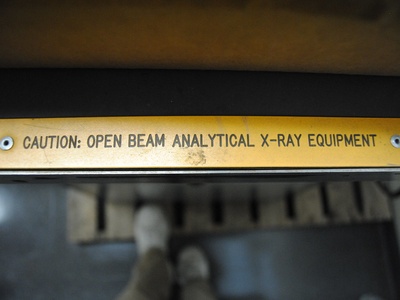
| X-ray Crystallography | Materials | Advanced | diffraction, unit cell, electron density, Bragg’s law, crystal structure |
| Surface Chemistry | Physical | Intermediate | adsorption, surface area, catalysts, interfacial phenomena, colloids |
| Catalysis | Physical | Advanced | homogeneous, heterogeneous, active sites, turnover, activation barriers |
| Photochemistry | Physical | Intermediate | excited states, photoreactions, quantum yield, photosensitization, photolysis |
| Quantum Chemistry | Theoretical | Advanced | Schrödinger equation, orbitals, wavefunctions, electronic structure, computational methods |
| Statistical Thermodynamics | Theoretical | Advanced | partition function, ensembles, Boltzmann distribution, microstates, macrostates |
| Computational Chemistry | Computational | Advanced | molecular modeling, DFT, ab initio, force fields, simulations |
| Materials Chemistry | Materials | Intermediate | synthesis, characterization, composites, functional materials, property tuning |
| Solid-State Chemistry | Materials | Advanced | crystal defects, band theory, ionic conduction, ceramics, synthesis |
| Nanochemistry | Materials | Advanced | nanoparticles, quantum size effects, surface functionalization, synthesis, applications |
| Colloids & Interfaces | Materials | Intermediate | stability, emulsions, micelles, zeta potential, surfactants |
| Corrosion Chemistry | Inorganic | Intermediate | oxidation, galvanic cells, passivation, inhibitors, environmental factors |
| Green Chemistry | Environmental | Intro | atom economy, safer solvents, waste minimization, renewable feedstocks, catalysis |
| Environmental Chemistry | Environmental | Intro | pollutants, biogeochemical cycles, fate, remediation, monitoring |
| Atmospheric Chemistry | Environmental | Intermediate | ozone, photochemistry, aerosols, greenhouse gases, pollutant transformations |
| Water Chemistry | Environmental | Intro | hardness, pH, contaminants, treatment, disinfection, solubility |
| Industrial Chemistry | Professional | Professional | scale-up, process design, catalysis, safety, unit operations |
| Analytical Instrumentation | Analytical | Advanced | detectors, calibration, sensitivity, signal-to-noise, automation |
| Electroanalytical Methods | Analytical | Intermediate | potentiometry, voltammetry, amperometry, electrodes, sensors |
| Atomic Spectroscopy | Analytical | Intermediate | AAS, AES, ICP, element detection, sample prep, calibration |
| Isotope Chemistry | Nuclear | Advanced | stable isotopes, radiotracers, fractionation, dating, isotope effects |
| Radiochemistry | Nuclear | Advanced | radioisotopes, decay modes, detection, radiopharmaceuticals, safety |
| Nuclear Chemistry | Nuclear | Advanced | radioactivity, fission, fusion, decay series, nuclear reactions |
| Chemical Safety & Laboratory Practice | Professional | Intro | PPE, hazard communication, waste disposal, MSDS, safe handling |
| Method Validation & QA | Analytical | Professional | accuracy, precision, LOD, LOQ, robustness, reproducibility |
| Food Chemistry | Biochemistry | Intermediate | nutrients, preservatives, flavor chemistry, spoilage, quality analysis |
| Medicinal Chemistry | Organic | Advanced | drug design, SAR, pharmacophores, ADME, lead optimization |
| Forensic Chemistry | Analytical | Advanced | trace analysis, toxicology, chromatography, mass spectrometry, evidence handling |
| Chemical Education & Pedagogy | Theoretical | Professional | curriculum design, assessment, active learning, lab instruction, safety education |
| Metal–Organic Frameworks (MOFs) | Materials | Advanced | porosity, coordination networks, gas storage, adsorption, crystalline |
| Energy Storage Chemistry | Materials | Advanced | batteries, electrodes, electrolytes, capacity, cycling stability, fuel cells |
| Combustion Chemistry | Physical | Intermediate | oxidation, flame propagation, radicals, emissions, kinetics |
| Reaction Dynamics | Theoretical | Advanced | potential energy surfaces, collision theory, molecular dynamics, transition state |
| Supramolecular Chemistry | Organic | Advanced | self-assembly, host–guest, noncovalent interactions, molecular recognition |
| Sample Preparation & Extraction | Analytical | Intro | filtration, extraction, digestion, concentration, matrix effects |
| High-Performance Liquid Chromatography (HPLC) | Analytical | Intermediate | stationary phases, gradients, detectors, retention, separation |
| Gas Chromatography (GC) | Analytical | Intermediate | columns, detectors, volatile analytes, separation, sample injection |
| Thin-Layer Chromatography (TLC) | Analytical | Intro | stationary silica, Rf value, solvent systems, qualitative separation |
| Elemental Analysis | Analytical | Intro | CHN analysis, combustion, quantitative elemental composition, sample prep |
| Surface Analysis Techniques | Materials | Advanced | XPS, AFM, SEM, surface composition, microscopy |
| Electron Microscopy | Materials | Advanced | TEM, SEM, high resolution, imaging, sample preparation |
| Calorimetry | Analytical | Intermediate | heat flow, bomb calorimeter, enthalpies, heat capacity, thermochemical data |
| Transition Metal Chemistry | Inorganic | Advanced | d-orbitals, variable oxidation states, catalysis, ligands |
| Solvent & Solvation Chemistry | Physical | Intermediate | polarity, dielectric constant, solubility, solvation shell, miscibility |
| Hydrogen Chemistry | Physical | Intermediate | dihydrogen, hydrides, storage, fuel cells, hydrogenation |
Images and Descriptions
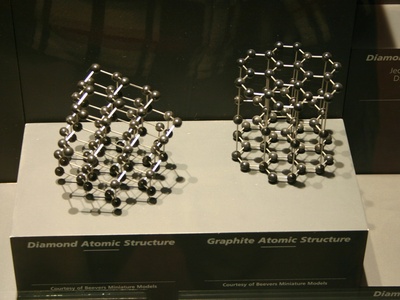
Atomic Structure
Introduces atoms and subatomic particles, electronic configurations and orbitals. Explains isotopes, atomic models and how electron arrangement determines elemental chemical behavior. Foundational topic for chemistry study and understanding reactivity and periodic trends.
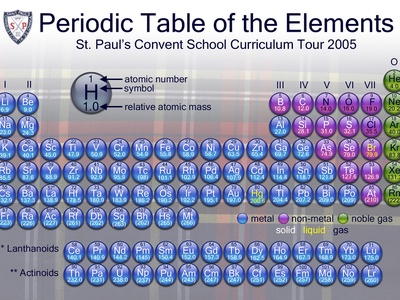
Periodic Table
Overview of element organization by atomic number, periodic trends and block structure. Shows how properties repeat by group, predicts reactivity and bonding, and provides a roadmap for classifying elements in chemistry and material science.
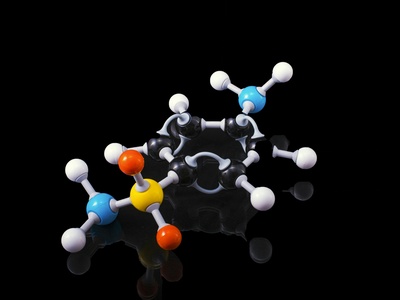
Chemical Bonding
Covers how atoms attach to form molecules and solids through ionic, covalent and metallic bonds. Introduces polarity, bond order, electron sharing and Lewis structures to explain molecular stability, properties and reactivity across compounds.
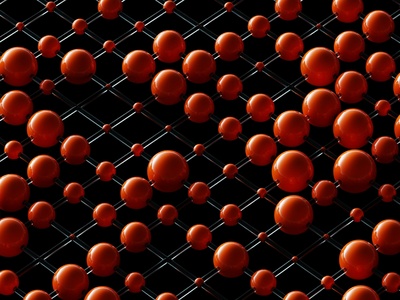
Molecular Geometry
Explains three-dimensional shapes of molecules using VSEPR and hybridization concepts. Shows how geometry affects polarity, intermolecular interactions and physical properties, essential for predicting structure–function relationships in chemicals and materials.

Stoichiometry
Quantitative chemistry basics: mole calculations, balancing equations, calculating limiting reagents and theoretical yield. Teaches concentration units and conversions essential for lab work, solution preparation and accurate chemical problem solving.
Thermochemistry
Studies heat changes during chemical reactions and phase changes. Covers enthalpy, calorimetry, Hess’s law and heat capacities to quantify energy exchange, predict reaction energetics and understand exothermic versus endothermic processes.
Chemical Thermodynamics
Explores energy, entropy and free energy to determine whether reactions occur spontaneously. Connects thermodynamic quantities to equilibrium, phase behavior and the fundamental limits on chemical processes and energy conversion.
Chemical Kinetics
Studies reaction rates and mechanisms, deriving rate laws and activation energy. Explains how temperature, concentration and catalysts influence speed of reactions, important for synthesis, industrial processes and environmental chemistry.
Chemical Equilibrium
Describes reversible reactions reaching dynamic balance, introduces equilibrium constants and Le Châtelier’s principle. Teaches how concentration, pressure and temperature shift equilibria, critical for predicting yields and reaction conditions.
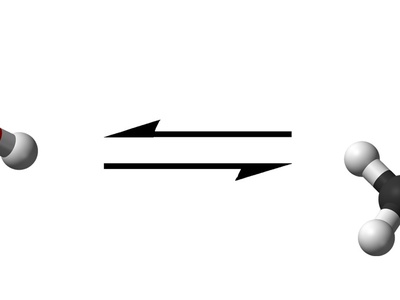
Acid–Base Chemistry
Covers theories of acids and bases, pH calculations, buffer systems and titrations. Explains acidity/basicity concepts used in laboratory analysis, biological systems and environmental monitoring of water and soils.
Redox Chemistry
Focuses on oxidation–reduction processes where electrons move between species. Teaches assigning oxidation numbers, balancing redox equations and understanding roles of oxidants and reductants in batteries, corrosion and synthesis.
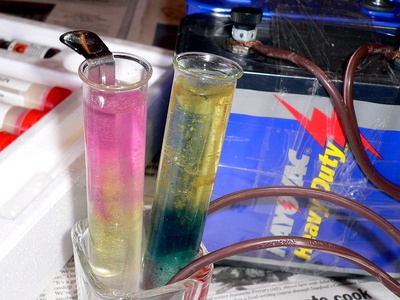
Electrochemistry
Covers electrical aspects of chemical reactions, including batteries, electrolysis and electrode potentials. Explains cell voltages, Nernst equation, and electrochemical applications in energy storage, sensing and industrial metal extraction.
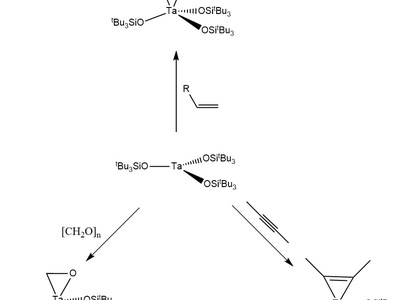
Coordination Chemistry
Studies metal complexes formed with ligands, exploring geometry, bonding models and stability. Important for catalysis, bioinorganic chemistry and materials like dyes and metal-containing drugs.
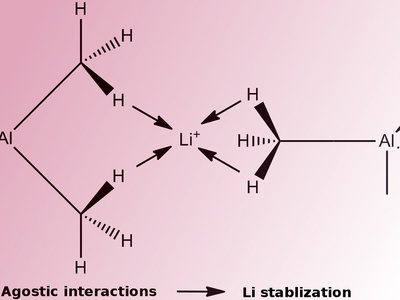
Organometallic Chemistry
Examines compounds with direct metal–carbon bonds and their roles in catalysis and synthesis. Key concepts include ligand design, catalytic cycles and reactivity exploited in industrial chemistry and complex organic transformations.
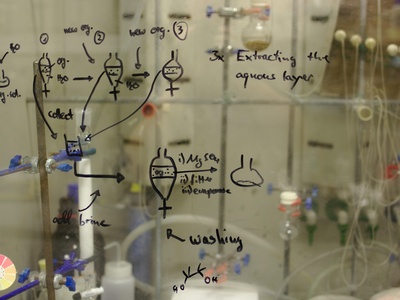
Organic Chemistry Basics
Introduces carbon-based molecules, functional group identification, structural isomerism and basic reactivity. Lays groundwork for understanding organic synthesis, biological molecules and materials built from organic frameworks.
Functional Groups
Focuses on common reactive groups in organic molecules, showing how functional group identity dictates chemical behavior, naming, typical reactions and roles in pharmaceuticals, polymers and natural compounds.
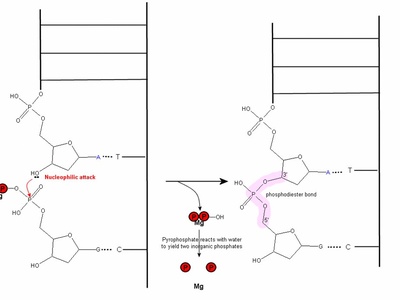
Reaction Mechanisms
Explains step-by-step pathways by which reactions proceed, identifying reactive intermediates and transition states. Mechanistic understanding helps predict products, rationalize stereochemistry and design efficient synthetic strategies.
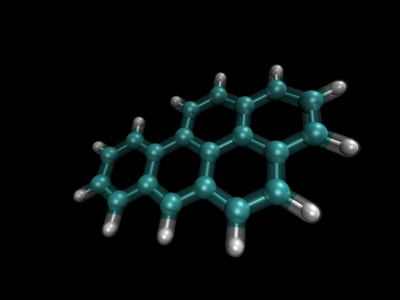
Stereochemistry
Deals with three-dimensional arrangements in molecules, chirality and stereoisomers. Teaches how molecular handedness affects physical properties and biological activity, crucial in drug design and synthetic chemistry.
Aromaticity
Explores special stability and reactivity of conjugated cyclic systems like benzene. Introduces resonance, aromaticity rules and reactions unique to aromatic compounds found in many industrial chemicals and natural products.
Organic Synthesis
Covers strategies to build complex molecules from simpler ones, planning routes, choosing reagents and controlling selectivity. Central to pharmaceutical, materials and natural product chemistry research and manufacturing.
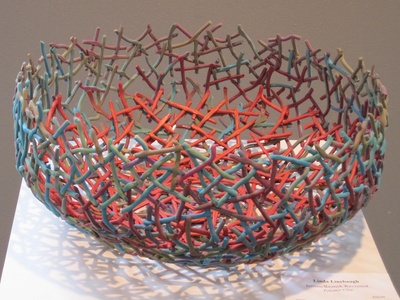
Polymers
Studies large macromolecules formed by repeating units, polymerization methods, and material properties. Explains differences between thermoplastics and thermosets, important for plastics, fibers and advanced functional materials.
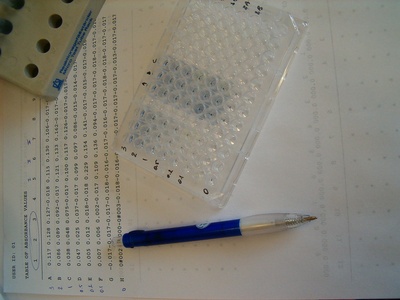
Proteins
Introduces protein composition, hierarchical structures and the relationship between shape and function. Highlights enzymatic activity, structural roles and importance in biology, medicine and biotechnology.
Enzymology
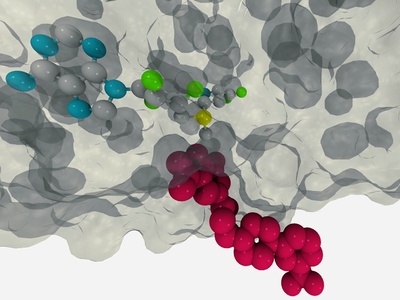
Explores how enzymes accelerate biological reactions, kinetics, mechanisms and regulation. Discusses inhibitors, cofactors and applications in drug design, diagnostics and industrial biocatalysis.
Nucleic Acids
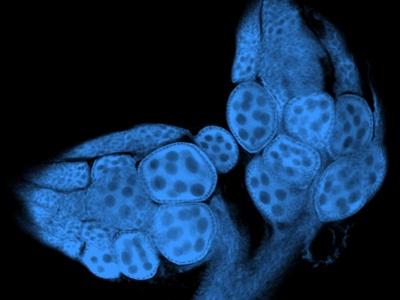
Covers structure and function of DNA and RNA, base pairing, genetic information storage and flow. Connects chemical properties of nucleic acids to heredity, biotechnology and forensic analysis.
Metabolism
Examines biochemical pathways that transform nutrients into energy and building blocks. Studies central pathways like glycolysis and the citric acid cycle, energy carriers and metabolic regulation in cells and organisms.
Lipids & Membranes
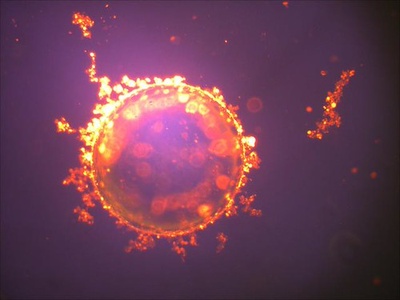
Explains structure and roles of lipids, membrane architecture and properties governing permeability and protein function. Links lipid chemistry to cell membranes, signaling and nutrition.
Carbohydrates
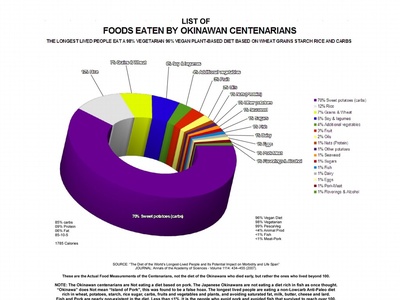
Introduces sugar chemistry, structural diversity, bonding and biological roles in energy storage and cell recognition. Discusses common carbohydrates like glucose and polymers such as starch and cellulose.
Infrared Spectroscopy (IR)
IR identifies functional groups by molecular vibrations and characteristic absorption bands. Widely used for organic compound identification, monitoring reactions and verifying material composition in labs.
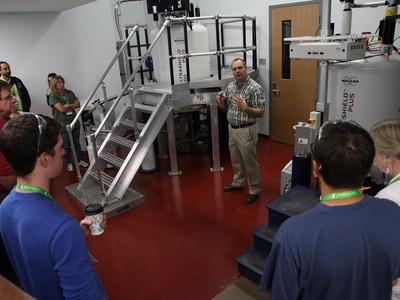
Nuclear Magnetic Resonance (NMR)
NMR spectroscopy probes nuclear environments to determine molecular structures and dynamics. Offers powerful, non-destructive analysis for organic molecules, biomolecules and complex mixtures in research and industry.
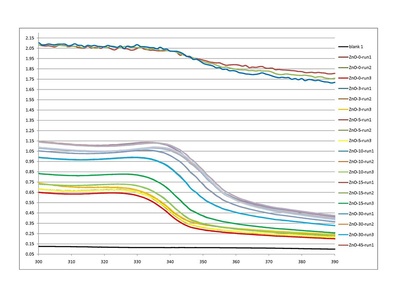
UV–Visible Spectroscopy
Measures electronic transitions in molecules to quantify concentration and study conjugation. Commonly used for kinetics, purity checks and detection of colored species in laboratories and industry.
Mass Spectrometry
Mass spectrometry determines molecular masses and structural information via ionization and fragmentation. Essential for identifying compounds, proteomics, metabolomics and forensic analysis when coupled with separation techniques.
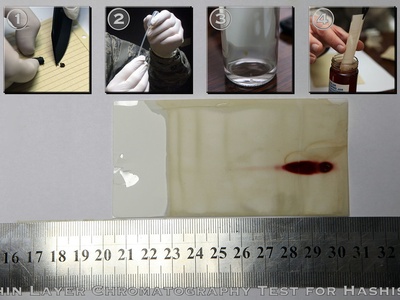
Chromatography
Encompasses techniques that separate mixture components based on interactions with stationary and mobile phases. Fundamental for purification, analysis and quality control in chemistry, pharmaceuticals and environmental testing.
Titration Methods
Quantitative determination techniques using measured reagent volumes to reach known endpoints. Widely taught for concentration analysis, water testing and standard laboratory practice across chemical disciplines.
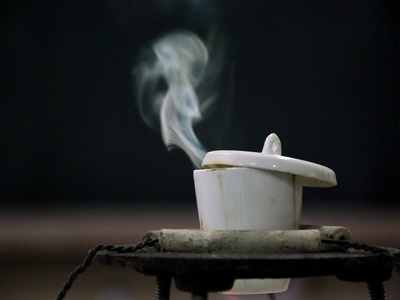
Gravimetric Analysis
Classical quantitative method where analyte is converted to a stable solid and weighed. Teaches careful laboratory technique, stoichiometry and accuracy for determining substance amounts in samples.
X-ray Crystallography
Determines atomic arrangements in crystalline solids by analyzing X-ray diffraction patterns. Key for precise molecular and materials structures, drug design and understanding solid-state properties.
Surface Chemistry
Studies chemical phenomena at interfaces, including adsorption, surface tension and catalyst support interactions. Important for heterogeneous catalysis, coatings, sensors and understanding colloidal stability.
Catalysis
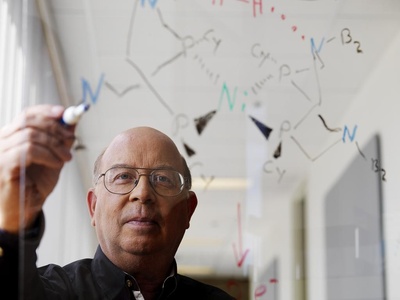
Examines substances that speed reactions without being consumed. Discusses mechanisms, catalyst design and applications in industrial synthesis, environmental remediation and energy conversion.
Photochemistry
Studies chemical reactions driven by light. Covers excited-state behavior, energy transfer and applications like photodynamic therapy, solar energy harvesting and atmospheric photochemistry.
Quantum Chemistry
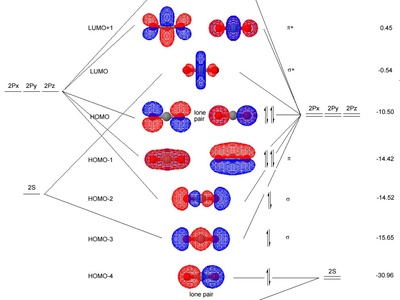
Applies quantum mechanics to explain electronic structure and chemical bonding precisely. Forms theoretical basis for molecular properties, spectroscopy and computational modeling used in research and materials design.
Statistical Thermodynamics
Connects microscopic particle behavior to macroscopic thermodynamic properties through statistics. Explains temperature, entropy and equilibrium from molecular perspectives, underpinning physical chemistry theory.

Computational Chemistry
Uses computer methods to model molecules and predict properties, reaction paths and spectra. Widely used to complement experiments, design molecules and screen materials or drug candidates.
Materials Chemistry
Combines chemistry with materials science to design, synthesize and characterize materials with specific properties for electronics, energy, catalysis and structural applications.
Solid-State Chemistry
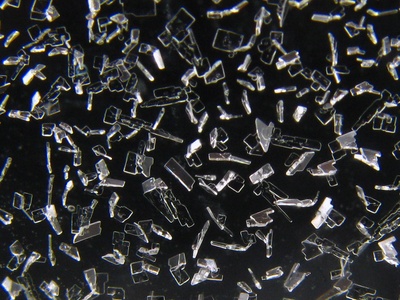
Focuses on chemical principles governing solids: crystal structures, defects, electronic properties and solid-state reactions. Critical for semiconductors, batteries, superconductors and advanced ceramics.
Nanochemistry
Studies chemistry at the nanoscale where size dramatically affects properties. Covers nanoparticle synthesis, surface chemistry and applications in medicine, catalysis, electronics and environmental remediation.
Colloids & Interfaces
Explores dispersed systems and interfacial behavior of particles and surfactants. Important for formulations, food chemistry, drug delivery and understanding stability of paints and pharmaceuticals.
Corrosion Chemistry
Examines chemical degradation of metals by environmental reactions, mechanisms of corrosion, protection strategies and material selection, relevant for infrastructure, transportation and manufacturing.
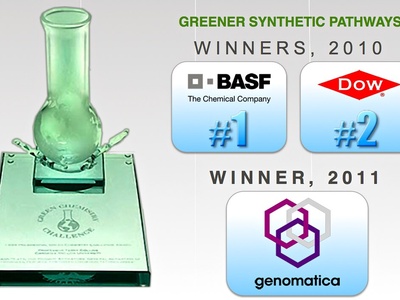
Green Chemistry
Focuses on designing chemical products and processes that reduce hazardous substances and waste. Promotes sustainable practices, safer materials and resource-efficient industrial chemistry approaches.

Environmental Chemistry
Studies chemical processes in the environment, pollutant behavior, cycles of elements and remediation strategies. Central for air and water quality, soil contamination and environmental policy.
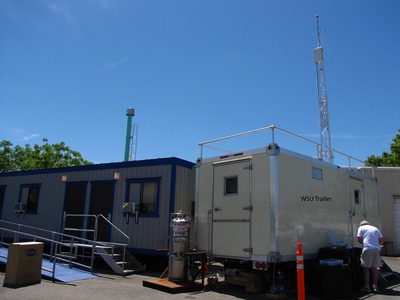
Atmospheric Chemistry
Investigates chemical reactions in the atmosphere affecting climate, air quality and ozone. Covers photochemical smog, aerosol formation and impacts of anthropogenic emissions on global chemistry.
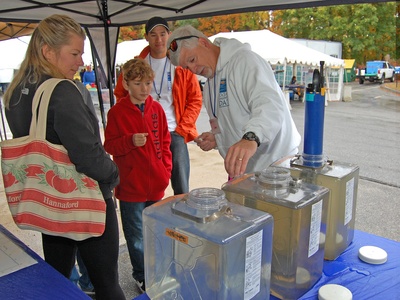
Water Chemistry
Covers chemistry of natural and treated water, including dissolved ions, contaminants and treatment methods. Important for public health, environmental monitoring and water resource management.
Industrial Chemistry
Applies chemical principles to large-scale production, process optimization, safety and economics. Includes reactor design, separations and quality control for industrial manufacturing of chemicals and materials.
Analytical Instrumentation
Encompasses modern instruments used for chemical analysis, their operation and maintenance. Teaches how detectors and data systems provide accurate, reproducible measurements for research and quality assurance.
Electroanalytical Methods
Covers techniques measuring electrical signals from chemical systems for quantitative and qualitative analysis. Widely used for trace detection, environmental monitoring and sensor development.
Atomic Spectroscopy
Techniques that measure elemental composition by analyzing atomic absorption or emission. Common in environmental, geological and industrial labs for sensitive multi-element analysis.
Isotope Chemistry
Studies isotopic variations and uses of isotopes as tracers, in dating methods and mechanistic studies. Important in geochemistry, environmental science and biomedical research.
Radiochemistry
Focuses on radioactive substances, their production, behavior and safe handling. Applications span medical imaging, therapy, tracer studies and nuclear fuel cycle chemistry.
Nuclear Chemistry
Covers chemical aspects of radioactive elements, nuclear reactions and applications in energy production, medicine and analytical methods, with emphasis on radiochemical behavior and safety considerations.
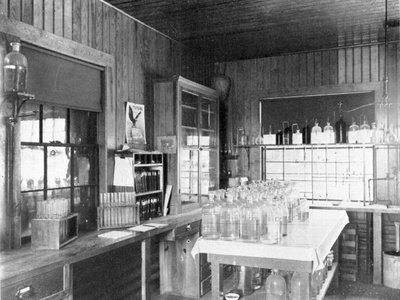
Chemical Safety & Laboratory Practice
Teaches safe conduct in chemical labs, hazard recognition, proper storage and disposal of reagents and emergency response. Fundamental for all learners and essential to research and industrial operations.
Method Validation & QA
Covers principles ensuring analytical methods are reliable and fit for purpose. Teaches validation parameters, quality assurance and documentation required in regulated laboratories and industry.
Food Chemistry
Studies chemical composition and processes in foods, including nutrients, additives and spoilage mechanisms. Important for nutrition science, food safety testing and product formulation.
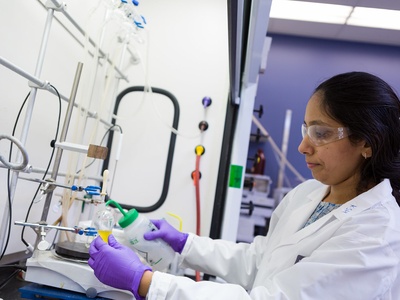
Medicinal Chemistry
Combines organic chemistry with biology to design and optimize therapeutic molecules. Focuses on structure–activity relationships, metabolic stability and properties influencing drug performance.
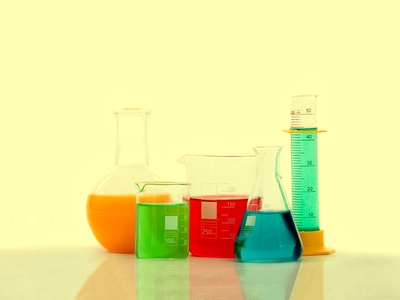
Forensic Chemistry
Applies chemical techniques to legal investigations, analyzing substances from crime scenes, toxicological samples and trace evidence using robust, court-admissible methods.
Chemical Education & Pedagogy
Explores effective methods and curriculum for teaching chemistry, including laboratory pedagogy, assessment strategies and designing inclusive, engaging learning experiences for diverse students.
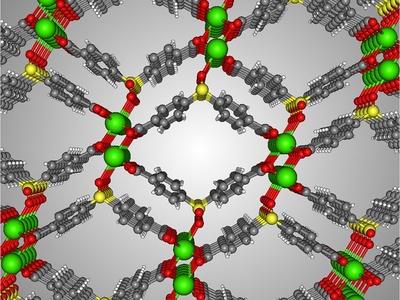
Metal–Organic Frameworks (MOFs)
Studies porous coordination polymers combining metal nodes and organic linkers. MOFs are tunable materials for gas storage, separation, catalysis and sensing with high surface areas.
Energy Storage Chemistry
Covers chemical principles behind batteries and fuel cells, electrode materials, ion transport and degradation mechanisms. Central to renewable energy technologies and portable electronics development.
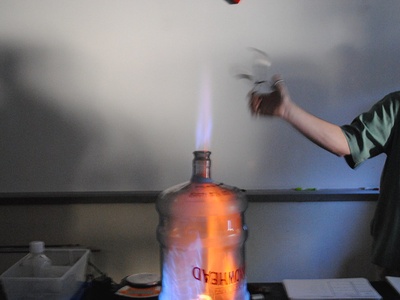
Combustion Chemistry
Analyzes chemical reactions in combustion processes, flame chemistry, pollutant formation and kinetics. Relevant for engines, energy generation and reducing harmful emissions.
Reaction Dynamics
Studies detailed motions and energy flow during chemical reactions using dynamics and theoretical models. Helps predict reaction outcomes, energy transfer and stereochemical consequences at molecular level.
Supramolecular Chemistry
Investigates assemblies formed by noncovalent interactions like hydrogen bonding and π-stacking. Enables responsive materials, sensors and molecular machines through designed supramolecular architectures.
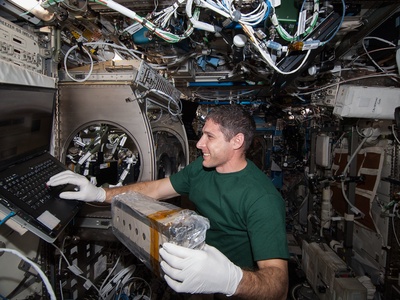
Sample Preparation & Extraction
Focuses on preparing samples for analysis, including extraction, cleanup and concentration methods. Critical to obtaining accurate, representative analytical results across environmental, biological and industrial matrices.
High-Performance Liquid Chromatography (HPLC)
HPLC is a versatile separation technique for non-volatile and thermally sensitive compounds. Used extensively for purity analysis, pharmaceuticals, food testing and research applications.
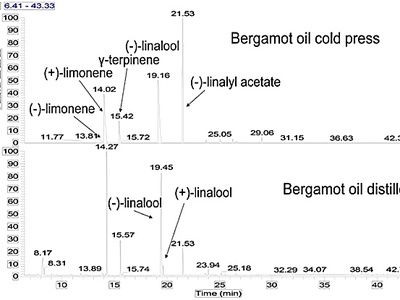
Gas Chromatography (GC)
GC separates volatile compounds using a gas mobile phase and capillary columns. Common in environmental, forensic and petrochemical analysis for rapid, high-resolution separations.
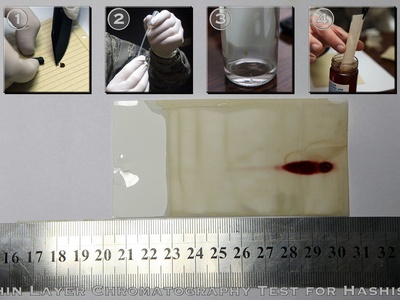
Thin-Layer Chromatography (TLC)
Simple, quick separation and identification method useful for monitoring reactions and estimating purity. TLC is inexpensive and widely taught as an introductory chromatographic technique.
Elemental Analysis
Determines elemental composition of organic and inorganic samples. Techniques like CHN combustion or atomic spectroscopy quantify carbon, hydrogen, nitrogen and other elements for characterization and quality control.
Surface Analysis Techniques
Covers methods that probe composition and structure at surfaces and interfaces, including spectroscopy and microscopy. Essential for catalyst studies, thin films, corrosion research and nanomaterials characterization.
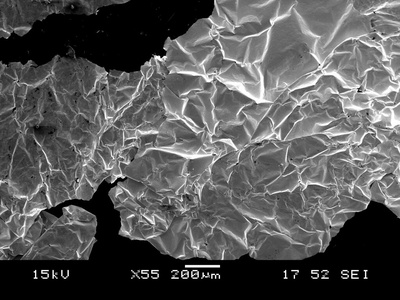
Electron Microscopy
Provides high-resolution imaging and structural information of materials and biological samples. Electron microscopy reveals morphology, crystallography and defects critical for materials science and nanotechnology.
Calorimetry
Experimental measurement of heat changes associated with chemical and physical processes. Calorimetry quantifies reaction enthalpies, phase transitions and heat capacities for thermodynamic analysis.
Transition Metal Chemistry
Explores unique reactivity of transition metals, their variable oxidation states, complex formation and catalytic behavior. Important across synthesis, materials and biological systems involving metal cofactors.
Solvent & Solvation Chemistry
Studies how solvents interact with solutes affecting reaction rates, equilibria and stability. Understanding solvation is essential for choosing reaction media, separations and formulation chemistry.
Hydrogen Chemistry
Covers chemical forms of hydrogen, production, storage challenges and uses in energy technologies and synthesis. Important for hydrogenation reactions, fuel cells and developing a sustainable hydrogen economy.