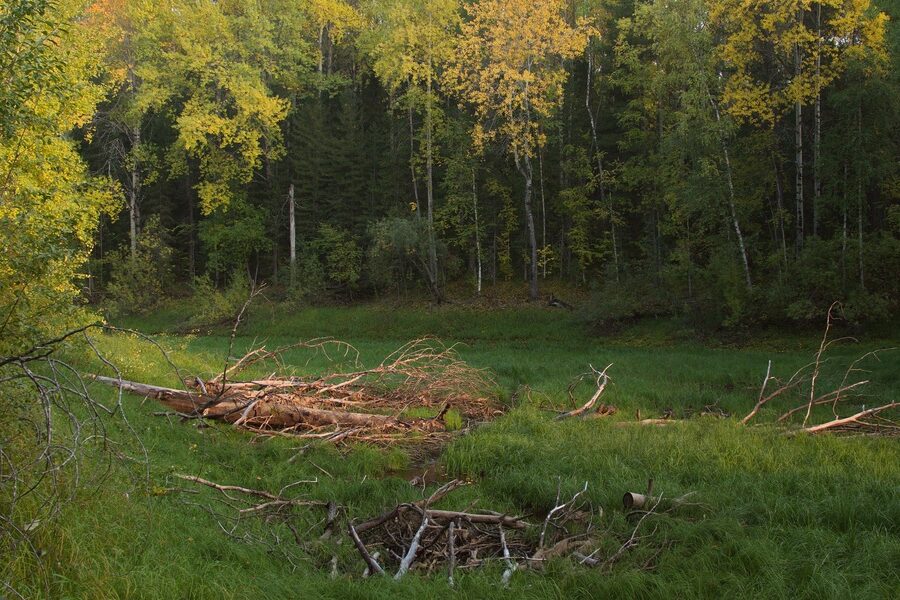
São Tomé and Príncipe is a small island nation in the Gulf of Guinea with rich volcanic soils, dense forests and a long history of plantation agriculture; those natural features shape local livelihoods and land use today.
There are 10 Natural Resources of São Tomé and Príncipe, ranging from Cocoa to Timber (fuelwood, small-scale logs). For each resource you’ll find below Type,Main location (max 15 words),Annual production/value (latest, unit); you’ll find the full list below.
Which resources generate the most export revenue for São Tomé and Príncipe?
Historically cocoa has been the primary export earner, supplemented by fish and small-scale timber sales; tourism and services now add growing income. Check the production/value column in the list below to see recent figures and relative contribution.
How current and reliable is the production and value data listed?
Data come from the latest available national reports, FAO and UN or industry sources and may vary by year; smallholder and informal production (especially timber and artisanal fishing) is often underreported, so use the list as a comparative guide and verify source years where needed.
Natural Resources of São Tomé and Príncipe
| Resource | Type | Main location (max 15 words) | Annual production/value (latest, unit) |
|---|---|---|---|
| Cocoa | Agriculture | Lowland plantations on São Tomé and parts of Príncipe | 4,000 tonnes (2021) |
| Coconut/Copra | Agriculture | Coastal lowlands and smallholdings across both islands | 1,500 tonnes (2021) |
| Coffee | Agriculture | Upland regions of São Tomé island | 150 tonnes (2021) |
| Fish (tuna & coastal) | Fisheries | Territorial waters and exclusive economic zone (offshore and coastal) | 7,000 tonnes (2021 est.) |
| Timber (fuelwood, small-scale logs) | Forestry | Remaining lowland and montane forest patches (Obô area) | 800 m3 (2020) |
| Construction aggregates (sand, gravel) | Mineral | Coastal quarries and inland riverbeds on both islands | 40,000 m3 (2020) |
| Marine biodiversity (coral, turtles) | Biodiversity | Reefs, seagrass beds, beaches and offshore waters | Hundreds of species (2020) |
| Protected forests & endemic species | Biodiversity | Obô Natural Park and scattered reserves on São Tomé and Príncipe | 33% land protected (2020) |
| Offshore hydrocarbons (exploration) | Hydrocarbon | Offshore blocks and adjacent EEZ areas | No commercial production (2024) |
| Solar energy (installed & potential) | Renewable | Across both islands, rooftop and small PV plants | 1.20 MW installed (2022) |
Images and Descriptions
Cocoa
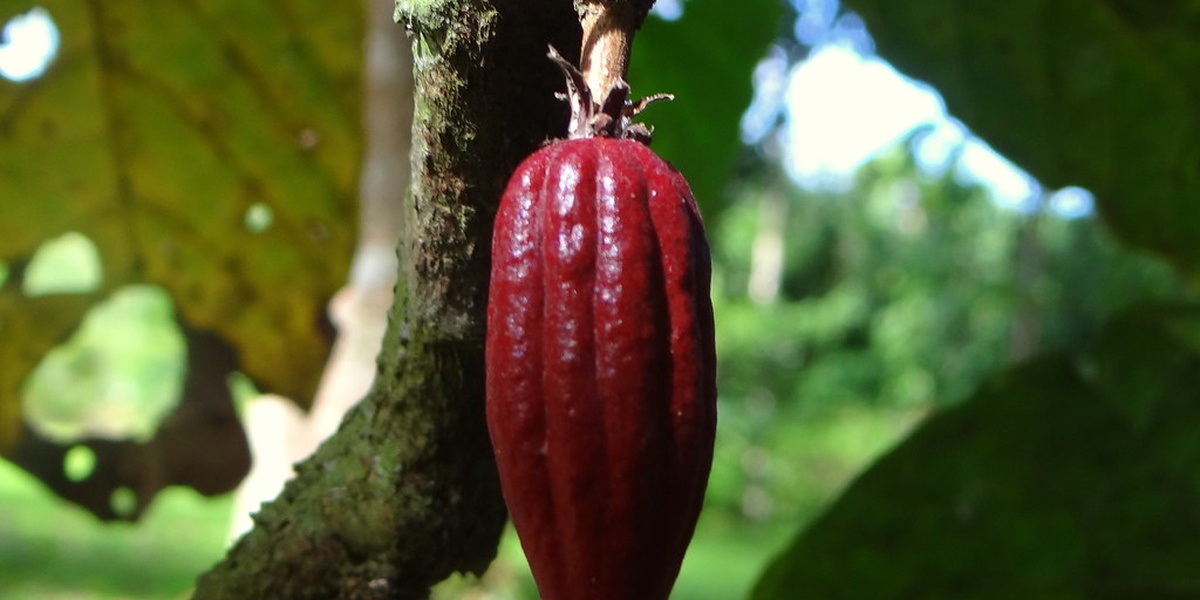
Cocoa is the country’s traditional cash crop and leading agricultural export, produced on smallholder and plantation farms. It supports rural livelihoods but yields are constrained by ageing trees and limited processing; quality beans have niche premium appeal to specialty markets.
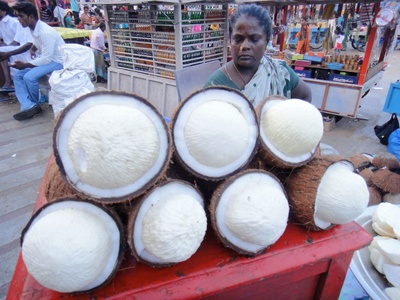
Coconut/Copra
Coconut palms are grown for copra, oil and local use across lowland plantations. Production is small-scale and contributes to rural incomes, with copra exports limited; markets are vulnerable to pests, weather and competition from larger coconut producers.

Coffee
Robusta and small volumes of Arabica are grown in upland areas; coffee production is minor but valued locally and in specialty markets. Post-harvest processing and investment are needed to revive export potential and farmer incomes.
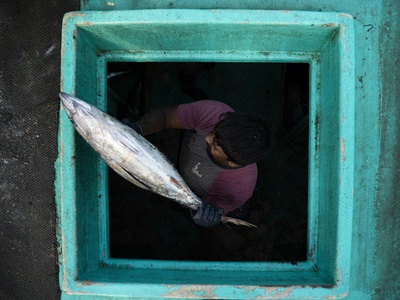
Fish (tuna & coastal)
Artisanal and licensed industrial fisheries target tuna and coastal species in São Tomé’s waters. Fisheries provide food security and jobs; licensed foreign vessels also operate, and sustainable management is needed to protect stocks and boost value locally.
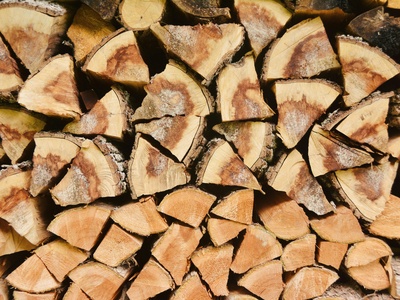
Timber (fuelwood, small-scale logs)
Native hardwoods and plantation trees supply limited domestic timber and fuelwood. Commercial logging has declined and many valuable species are protected; sustainable forest management and enforcement are key to balance local use and biodiversity conservation.
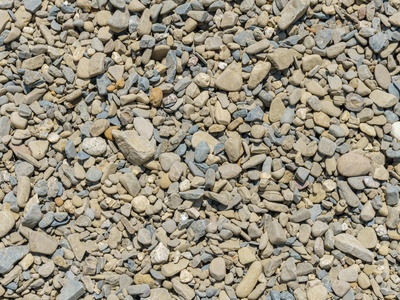
Construction aggregates (sand, gravel)
Sand, gravel and laterite are quarried for local construction on both islands. These essential materials support building and infrastructure but over-extraction can harm beaches, coastal habitats and freshwater systems if not regulated.
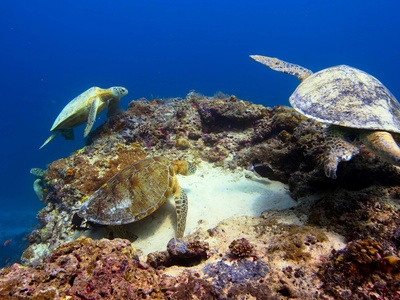
Marine biodiversity (coral, turtles)
Coastal reefs, seagrass beds and offshore waters host rich marine life including fish, crustaceans and nesting sea turtles. Marine biodiversity supports fisheries and growing ecotourism but faces threats from overfishing, pollution and climate change.
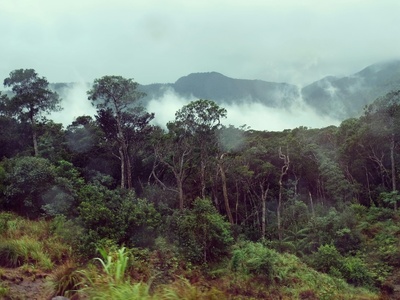
Protected forests & endemic species
Obô Natural Park and other reserves protect endemic birds, plants and forest ecosystems, covering a significant share of the islands. Forest conservation underpins water supplies, biodiversity and ecotourism, though enforcement and funding remain challenges.
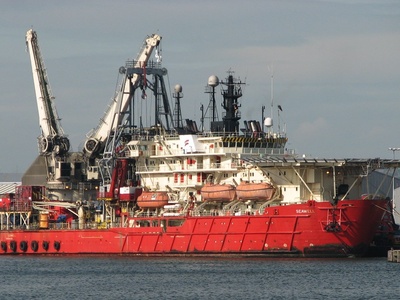
Offshore hydrocarbons (exploration)
Offshore hydrocarbon exploration has been conducted in São Tomé’s EEZ and adjacent blocks, but there is no commercial oil or gas production to date. Exploration interest exists, but confirmed reserves and commercial output remain unproven.
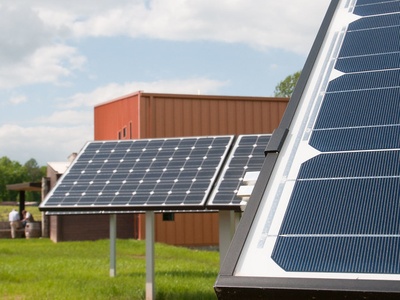
Solar energy (installed & potential)
High solar irradiation gives São Tomé good solar power potential; small solar projects and rooftop systems are installed. Renewables are targeted to reduce diesel use and improve energy access, though grid and finance constraints limit rapid scale-up.