Croatia’s geography mixes Adriatic coastlines, karst plateaus, fertile lowlands and forested uplands, creating a compact country with a wide variety of natural assets. Those features support fisheries, minerals, forests, freshwater and renewable energy potential that matter for local communities and national planning.
There are 28 Natural Resources of Croatia, ranging from Adriatic Sea (territorial waters) to Wind energy. Each entry notes what the resource is, where it’s most prominent and how large the known reserves or capacity are; the dataset is organized with Category, Main locations (regions), Scale / reserves (metric). For quick comparison and practical use, you’ll find below.
How up-to-date and reliable are the resource figures listed?
The list compiles common, documented resources and gives scale estimates drawn from publicly available national and EU reports; however, reserve figures and capacities change with new surveys, regulation and market activity, so use the entries as a starting point and check the latest government or industry publications for precise planning.
Which resources are most relevant for sustainable development in Croatia?
Renewables (like wind energy), managed forests, fisheries in the Adriatic and water resources offer strong sustainable-development potential when paired with conservation rules and EU compliance; balancing tourism, protected habitats and extraction is the key to long-term benefit.
Natural Resources of Croatia
| Name | Category | Main locations (regions) | Scale / reserves (metric) |
|---|---|---|---|
| Oil | Energy | Adriatic offshore; Slavonia | 2,000,000 t (estimated) |
| Natural gas | Energy | Northern Adriatic; Pannonian Basin (Slavonia) | 1,500,000,000 m3 (estimated) |
| Lignite (brown coal) | Mineral/Energy | Istria; Kvarner region | 50,000,000 t (estimated) |
| Hydropower (river/reservoir) | Energy | Sava, Drava, Cetina, Kupa rivers | 2,000 MW installed |
| Wind energy | Energy | Dalmatian coast; islands; Lika ridges | 1,000 MW installed |
| Solar energy | Energy | Dalmatia; Slavonia; coastal plains | 900 MW installed |
| Limestone | Building stone/Mineral | Dalmatia; Istria; Lika; Zagorje | 5,000,000 t/year (production scale) |
| Brac white limestone | Building stone | Brač island (Split-Dalmatia) | 200,000 t/year (quarry output) |
| Dolomite | Mineral | Dalmatia; Lika karst zones | 500,000 t/year (production) |
| Gypsum | Mineral | Istria; Dalmatia | 500,000 t (reserves est.) |
| Bauxite | Mineral | Lika; Velebit region; Dalmatia | 10,000,000 t (estimated reserves) |
| Clay (bricks & ceramics) | Mineral | Slavonia; Zagreb area; Istria | 1,000,000 t/year (production) |
| Sand & gravel (aggregates) | Building material | Sava and Drava plains; coastal zones | 10,000,000 m3 (reserves/extraction) |
| Salt (sea salt & pans) | Mineral/Marine | Pag island; Ston; Neretva | 20,000 t/year (production) |
| Karst aquifers & springs | Water | Dinaric karst; Lika; Dalmatia | 100,000,000 m3/year (recharge est.) |
| Pannonian Basin groundwater | Water | Slavonia; Baranja; Podravina | 200,000,000 m3/year (usable est.) |
| Adriatic Sea (territorial waters) | Marine | Coastal waters and offshore Adriatic | 31,000 km2 (territorial sea) |
| Marine fisheries (pelagic & demersal) | Marine | Adriatic coast and offshore | 20,000 t/year (catches) |
| Mussel aquaculture | Marine/Aquaculture | Istria; Kvarner; Mali Ston | 20,000 t/year (production) |
| Vineyards (wine grapes) | Agriculture | Istria; Dalmatia; Slavonia; Zagorje | 22,000 ha (vineyard area) |
| Olive groves | Agriculture | Dalmatian coast; Istria; islands | 120,000 ha (grove area) |
| Arable land | Agriculture | Slavonia; Podravina; Baranja | 1,100,000 ha (arable area) |
| Maize | Agriculture | Slavonia; Baranja; Podravina | 350,000 ha (area) |
| Wheat | Agriculture | Continental Croatia; Slavonia | 200,000 ha (area) |
| Sunflower | Agriculture | Slavonia; central plains | 90,000 ha (area) |
| Timber | Forest | Gorski Kotar; Lika; Slavonia forests | 2,700,000 ha (forest cover) |
| Lead-zinc ores | Mineral | Istria; Dalmatian zones (small deposits) | 500,000 t (estimated ore) |
| Kaolin (china clay) | Mineral | Istria; minor continental sites | 100,000 t (estimated) |
Images and Descriptions
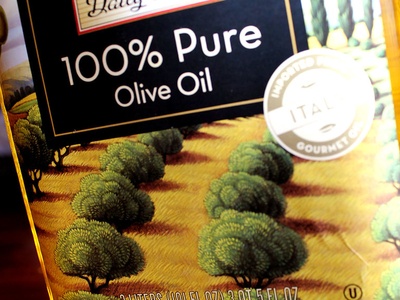
Oil
Crude oil is produced onshore and offshore in the Adriatic and Pannonian basins. Croatia’s proved reserves are modest, supporting local refining and power uses rather than large exports, and remain important for regional energy security.
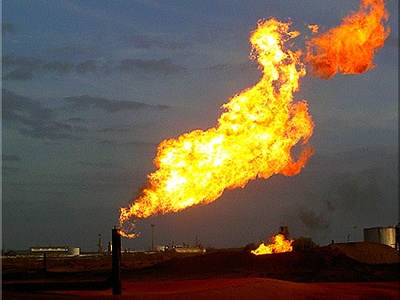
Natural gas
Natural gas occurs in onshore Pannonian and offshore Adriatic fields. Reserves are limited but important for domestic heating, industry and power generation, with production focused on regional supply and occasional imports for demand balancing.
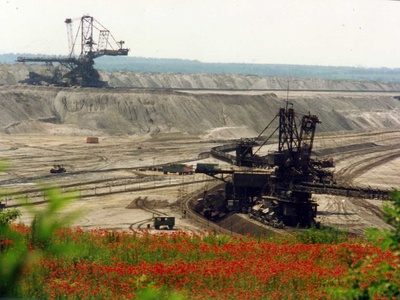
Lignite (brown coal)
Brown coal deposits in Istria and nearby areas supply local thermal plants and industry. Reserves are small compared with major producers and environmental policies influence future extraction and use decisions.

Hydropower (river/reservoir)
Croatia’s rivers host numerous dams and plants; hydropower is a major renewable electricity source. Installed capacity supports base load and peaks, with opportunities for upgrades but limited large new sites due to environmental protections.
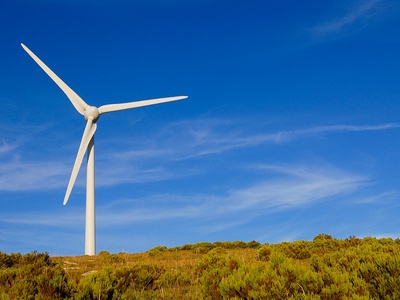
Wind energy
Strong Adriatic winds and inland corridors support growing wind farms. Wind provides variable renewable electricity important for climate goals, with most turbines along the coast, islands and certain continental ridgelines.

Solar energy
High solar radiation in Dalmatia and inland plains makes solar PV an expanding resource. Rooftop and ground-mounted plants supply households and the grid, reducing imports and boosting local renewable generation.
Limestone
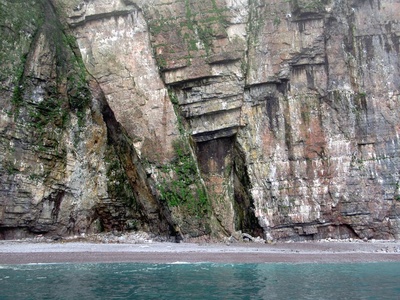
Widespread Dinaric karst limestones are quarried for cement, crushed stone and dimension stone. Limestone underpins construction, road materials and lime production and supports a significant local quarrying industry across coastal and inland counties.

Brac white limestone
Famed white limestone from Brač island is prized for building facades and sculpture. Its high quality and polishability made it historically significant and still supplies architectural stone domestically and for export projects.
Dolomite
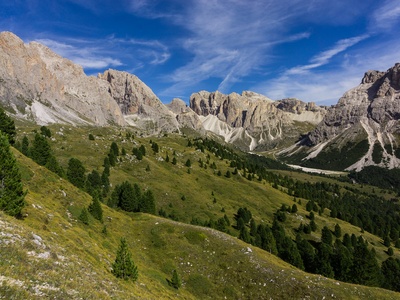
Dolomite rock is quarried for aggregate, fertilizer and metallurgical flux. Found in karstic zones, it supplies local construction and industrial needs and occasionally raw material for chemical industries.
Gypsum
Gypsum deposits are used in plaster, drywall and cement additives. Accessible in Istria and Dalmatia, gypsum supports local construction-material manufacture and small-scale extraction operations and regional markets.
Bauxite
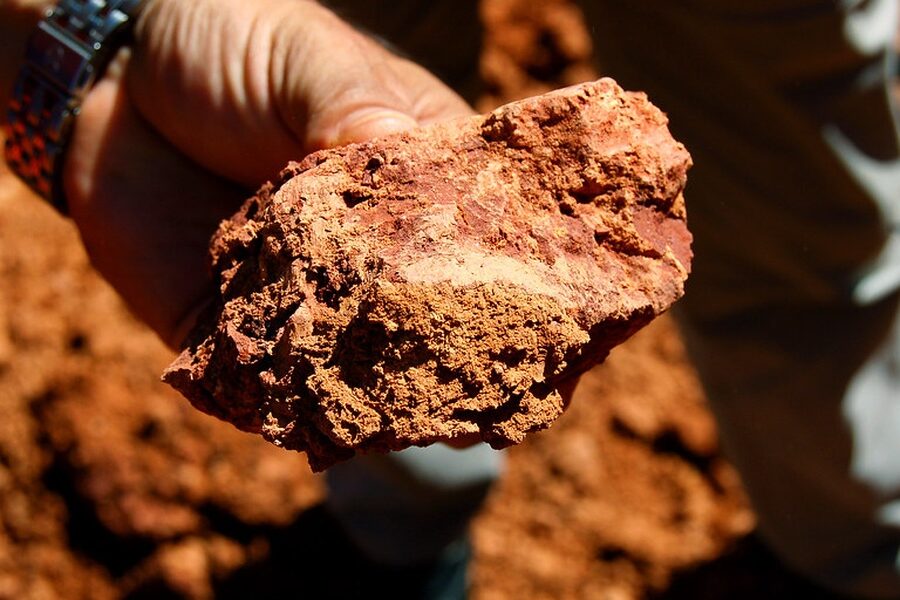
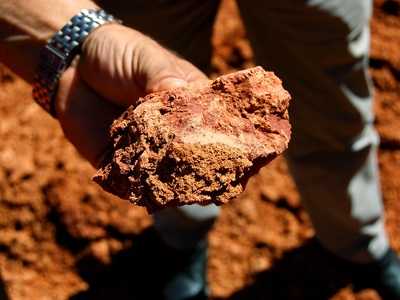
Bauxite occurs in parts of Lika and the Velebit area; deposits are moderate. Historically explored for aluminium feedstock, development depends on economic viability and environmental constraints, with potential local industrial use if processed.
Clay (bricks & ceramics)
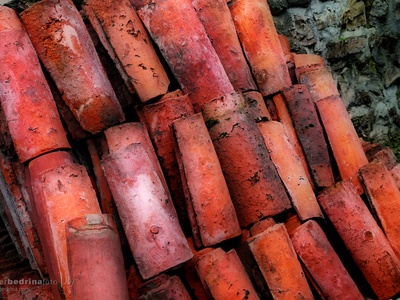
Clay and shales supply ceramics, brick and tile industries in Slavonia, the Zagreb area and Istria. Clay is essential for construction materials and traditional crafts, supporting regional manufacturing and local employment.

Sand & gravel (aggregates)
Alluvial sand and gravel from river plains and coastal areas provide basic aggregates for concrete, roadwork and coastal engineering. Extraction meets construction demand but requires management to avoid environmental damage.
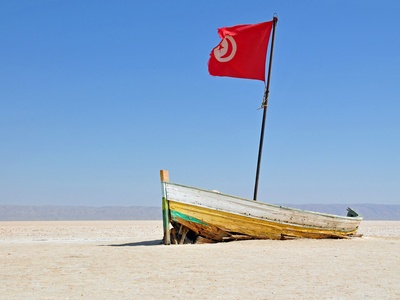
Salt (sea salt & pans)
Sea salt production from Pag, Ston and Neretva salinas is a traditional industry. Artisanal and industrial salt supply food processing and local markets, and salt pans are culturally and economically important coastal features.

Karst aquifers & springs
Dinaric karst aquifers feed springs supplying drinking water, tourism and local agriculture in coastal and mountainous regions. They are high-quality but vulnerable resources needing careful protection from pollution and overuse.
Pannonian Basin groundwater
Shallow aquifers in Slavonia and Podravina provide abundant irrigation and municipal water. This Pannonian groundwater is critical for agriculture, industry and towns, though local depletion and contamination risks require monitoring.
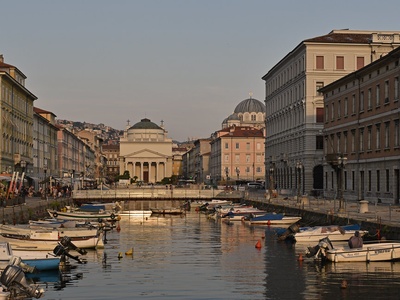
Adriatic Sea (territorial waters)
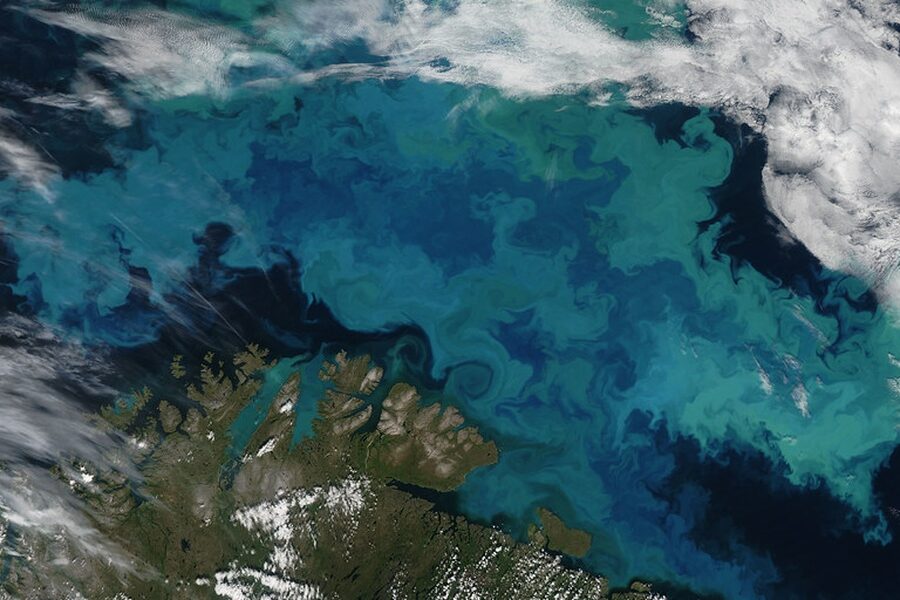
Croatia’s coastal and offshore Adriatic waters are productive for fisheries, shipping and tourism. Territorial waters contain fishing grounds, biodiversity and energy potential, forming a core national marine asset.
Marine fisheries (pelagic & demersal)
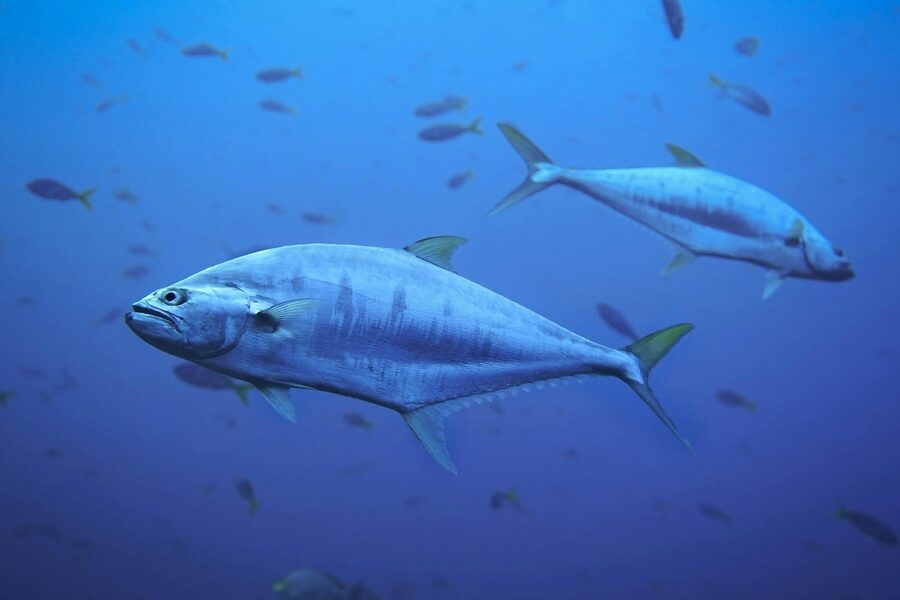
Commercial catches include pelagic and demersal fish taken by small-scale and industrial fleets. Fisheries support coastal communities, processing and exports, but stocks are limited and managed through national and EU measures.

Mussel aquaculture
Mussel farming in Istria, Kvarner and Mali Ston is a major aquaculture sector. Mussels supply domestic markets and export, thriving in clean coastal lagoons and providing sustainable seafood income for many coastal communities.
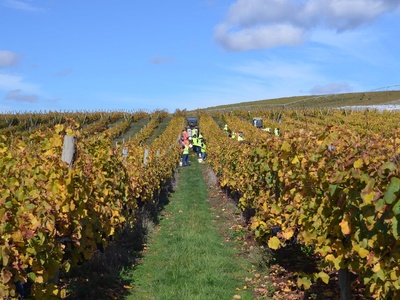
Vineyards (wine grapes)
Viticulture is culturally and economically significant, concentrated in Istria, Dalmatia and Slavonia. Vineyards produce diverse wines for domestic consumption and export, supporting tourism, rural employment and regional identities.
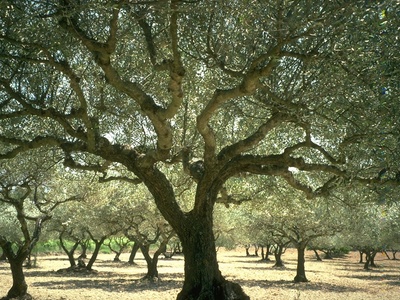
Olive groves
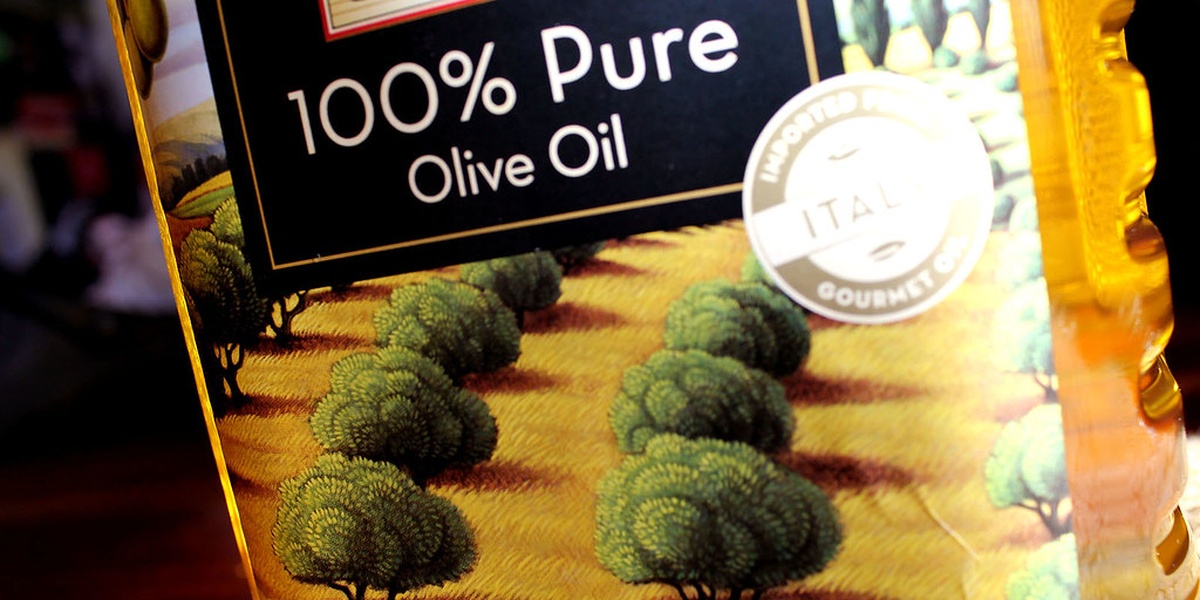
Olive cultivation is centered along the Dalmatian coast and in Istria, supplying olive oil and table olives. Groves are both traditional landscapes and economic crops for small producers and export-quality oils.
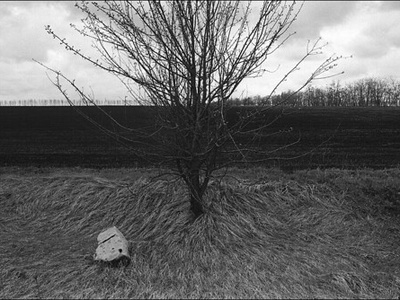
Arable land
Croatia’s arable plains, especially in Slavonia, provide most cereal, oilseed and vegetable production. Approximately 1.1 million hectares support large-scale cropping that feeds domestic food processing and animal feed industries.
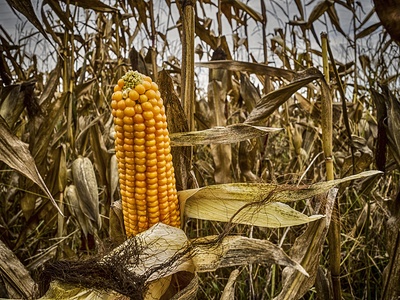
Maize
Maize is the dominant arable crop in Slavonia and Baranja, used for animal feed, food products and bioenergy. Large hectareage makes maize central to farm income and Croatian grain markets.
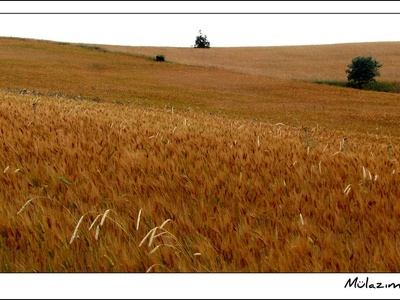
Wheat
Wheat grown in continental regions supplies flour mills and domestic consumption, with some exportable surpluses in good years. It is a staple cereal supporting bakeries and processed food industries.
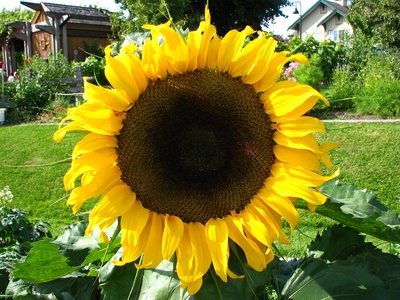
Sunflower
Sunflower is widely grown for oilseed in Slavonia and central plains. Sunflower oil is a staple edible oil, with seeds also used for snacks and bird feed and supporting regional processing plants.
Timber
Croatian forests—especially in Gorski Kotar, Lika and Slavonia—provide timber for sawmills, furniture, paper and biomass. Forest management balances commercial harvests with biodiversity protection and recreation.

Lead-zinc ores
Small lead-zinc occurrences exist in Istria and Dalmatia with historical mining. These base-metal deposits are limited but have local economic importance where extraction or remediation occurs.

Kaolin (china clay)
Kaolin and other clays used in paper coating, ceramics and refractory products occur in minor deposits. They support niche industries such as porcelain, tile making and technical ceramics.