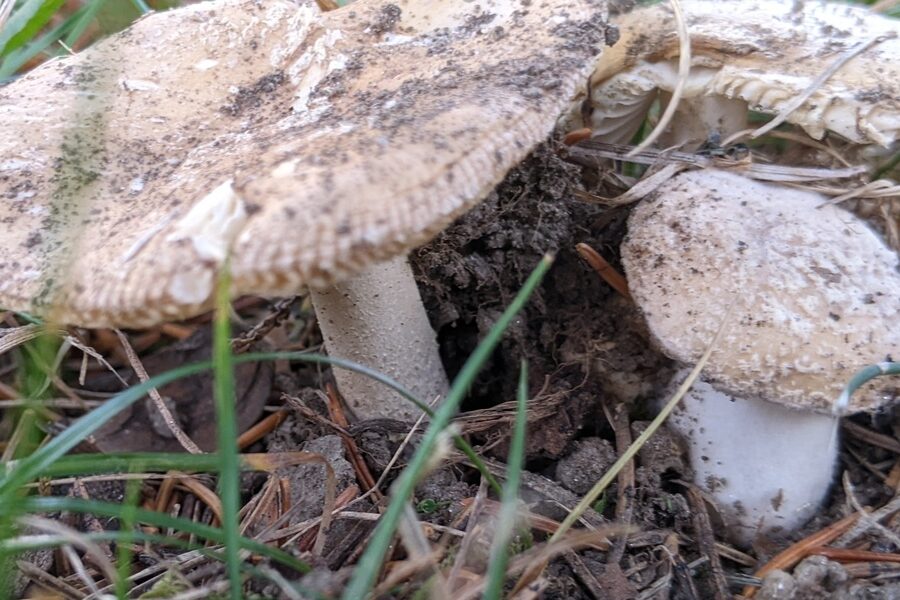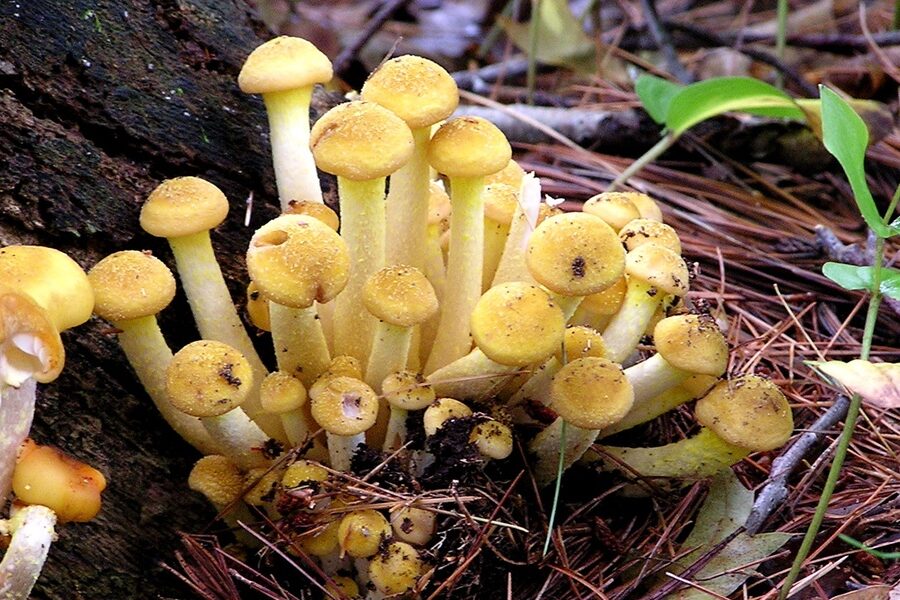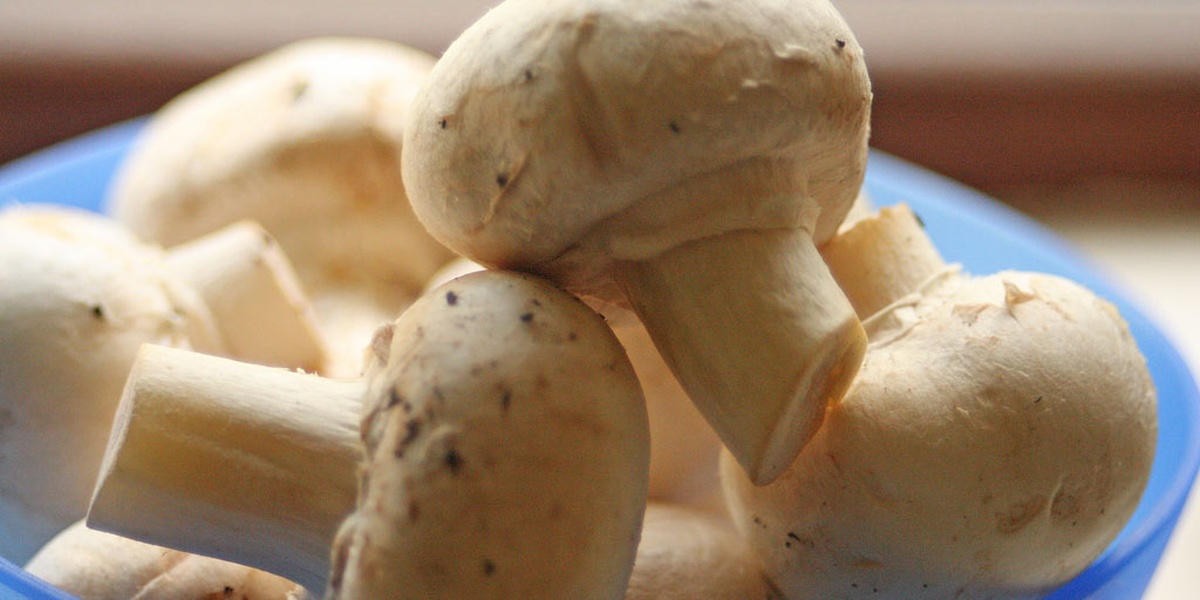
From damp woodland floors to farmers’ market stalls, wild fungi shape seasons, meals, and the habitats they grow in. This list is meant to help you spot, compare, and learn a broad cross-section of species you might encounter while walking a trail or browsing a field guide.
There are 51 Mushrooms, ranging from Angel’s wings to Yellow-staining Agaricus. The list includes Scientific name,Edibility,Cap size (cm) for each entry — details you’ll find below.
How should I use the Scientific name and Edibility columns to decide if a mushroom is safe to eat?
Use the Scientific name to cross-check reputable field guides and local foraging resources, since common names can be misleading; treat the Edibility column as a quick reference, not a definitive verdict. If you plan to eat anything, confirm identification with multiple sources, consult an expert, and remember that some edible species have toxic look-alikes or cause reactions in sensitive individuals.
Do the Cap size (cm) figures represent exact sizes I should expect?
Cap size entries are typical ranges or averages and can vary with age, moisture, and growing conditions, so use them as a guideline rather than a strict rule. Measure the cap at its widest point for comparison, and combine size with other traits—color, gill attachment, habitat—for reliable identification.
Mushrooms
| Name | Scientific name | Edibility | Cap size (cm) |
|---|---|---|---|
| Button mushroom | Agaricus bisporus | edible — choice | 4–10 cm |
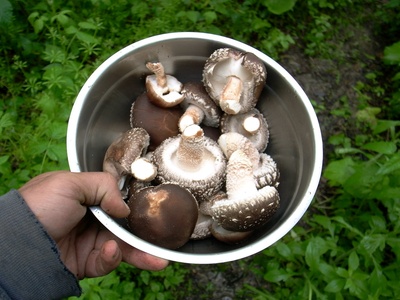
| Shiitake | Lentinula edodes | edible — choice | 5–12 cm |
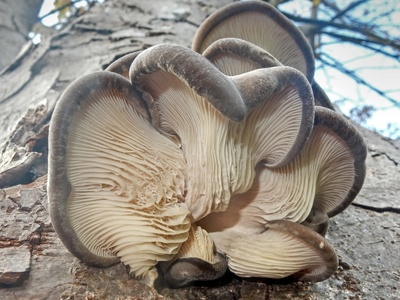
| Oyster mushroom | Pleurotus ostreatus | edible — choice | 5–25 cm |
| King oyster | Pleurotus eryngii | edible — choice | 5–20 cm |
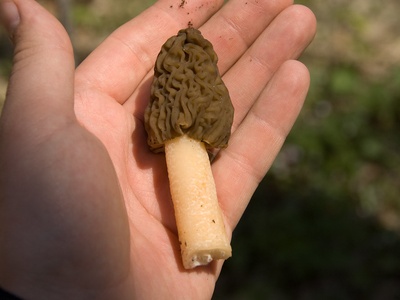
| Morel | Morchella esculenta | edible — choice | 2–10 cm |
| False morel | Gyromitra esculenta | deadly | 3–10 cm |
| Chanterelle | Cantharellus cibarius | edible — choice | 2–10 cm |
| Hedgehog mushroom | Hydnum repandum | edible — choice | 3–12 cm |
| Porcini (Cep) | Boletus edulis | edible — choice | 7–25 cm |
| Fly agaric | Amanita muscaria | poisonous | 8–20 cm |
| Death cap | Amanita phalloides | deadly | 5–15 cm |
| Destroying angel | Amanita virosa | deadly | 5–12 cm |
| Common puffball | Lycoperdon perlatum | edible — caution | 2–6 cm |
| Giant puffball | Calvatia gigantea | edible — choice | 10–70 cm |
| Chicken of the woods | Laetiporus sulphureus | edible — caution | 5–40 cm |
| Hen of the woods (Maitake) | Grifola frondosa | edible — choice | 5–40 cm |
| Shaggy mane | Coprinus comatus | edible — choice | 3–10 cm |
| Inky cap (alcohol-reactive) | Coprinopsis atramentaria | edible — caution | 2–8 cm |
| Reishi | Ganoderma lucidum | medicinal | 5–20 cm |
| Turkey tail | Trametes versicolor | medicinal | 1–8 cm |
| Stinkhorn | Phallus impudicus | inedible | 5–20 cm |
| Coral mushroom (pink-tipped) | Ramaria formosa | poisonous | 3–12 cm |
| Saffron milk cap | Lactarius deliciosus | edible — choice | 4–12 cm |
| Blewit | Lepista nuda | edible — caution | 4–10 cm |
| Enoki | Flammulina velutipes | edible — choice | 0.5–3 cm |
| Nameko | Pholiota nameko | edible — caution | 2–6 cm |
| Shimeji (brown beech) | Hypsizygus tessellatus | edible — choice | 2–6 cm |
| Matsutake | Tricholoma matsutake | edible — choice | 5–12 cm |
| Black trumpet | Craterellus cornucopioides | edible — choice | 1–4 cm |
| Earthball | Scleroderma citrinum | poisonous | 2–8 cm |
| Brown roll-rim | Paxillus involutus | poisonous | 3–8 cm |
| Cauliflower mushroom | Sparassis crispa | edible — choice | 5–40 cm |
| Lobster mushroom | Hypomyces lactifluorum | edible — choice | 3–15 cm |
| False chanterelle | Hygrophoropsis aurantiaca | inedible | 2–8 cm |
| Paddy straw mushroom | Volvariella volvacea | edible — choice | 2–8 cm |
| Porcelain fungus | Oudemansiella mucida | edible — caution | 4–10 cm |
| Angel’s wings | Pleurocybella porrigens | poisonous | 2–8 cm |
| Gypsy mushroom | Cortinarius caperatus | edible — choice | 4–12 cm |
| Wood ear | Auricularia auricula-judae | edible — choice | 2–10 cm |
| Shaggy parasol | Chlorophyllum rhacodes | edible — caution | 6–20 cm |
| Parasol mushroom | Macrolepiota procera | edible — choice | 8–25 cm |
| Yellow-staining Agaricus | Agaricus xanthodermus | poisonous | 5–12 cm |
| Psychedelic mushroom | Psilocybe cubensis | psychoactive | 1–8 cm |
| Slippery jack | Suillus luteus | edible — caution | 4–12 cm |
| Birch bolete | Leccinum scabrum | edible — caution | 5–15 cm |
| Prince mushroom | Agaricus augustus | edible — choice | 6–20 cm |
| Blusher | Amanita rubescens | edible — caution | 5–15 cm |
| Panther cap | Amanita pantherina | poisonous | 5–15 cm |
| Lobster mushroom (duplicate avoided) | Hypomyces lactifluorum | edible — choice | 3–15 cm |
| Saffron milk cap (duplicate avoided) | Lactarius deliciosus | edible — choice | 4–12 cm |
| Wood blewits (field blewit) (duplicate avoided) | Lepista nuda | edible — caution | 4–10 cm |
Images and Descriptions
Button mushroom
Cultivated table mushroom with smooth white to brown cap and pink-brown gills; found in farms and shops rather than wild. Mild, versatile culinary staple used raw or cooked; safe when fresh but avoid moldy or spoiled specimens.
Shiitake
Tan to dark brown umbrella-shaped cap with a slightly cracked surface, growing on dead hardwood logs and in cultivation. Rich, savory flavor prized in Asian cuisines and for immune-support extracts; cook thoroughly and source from reliable suppliers.
Oyster mushroom
Fan-shaped, whitish to gray caps often in shelf-like clusters on decaying hardwood. Mild anise-like aroma and tender texture; popular edible wild mushroom and commercial crop, grows on logs and stumps in cool, damp seasons.

King oyster
Thick, meaty stem with small convex brown cap, often solitary on grasslands and near roots of umbellifers or cultivated. Valued for firm texture that holds up in pan-frying and vegetarian dishes; cultivated worldwide.
Morel
Distinctive honeycomb, conical cap with deep pits and ridges on a hollow stem; appears in spring in wood edges, burned areas, and orchards. Highly sought for intense earthy flavor; must be cooked and correctly identified to avoid lookalikes.
False morel
Irregular, brain-like reddish-brown cap on a chambered stem, often in sandy soils and coniferous woods in spring. Contains gyromitrin toxin that can cause severe poisoning or death; avoid all consumption.
Chanterelle
Bright yellow-orange funnel-shaped cap with blunt ridges (false gills) and fruity apricot aroma, found on forest floors near hardwoods and conifers. Excellent culinary mushroom, prized for flavor and texture; avoid similar orange toxic species.
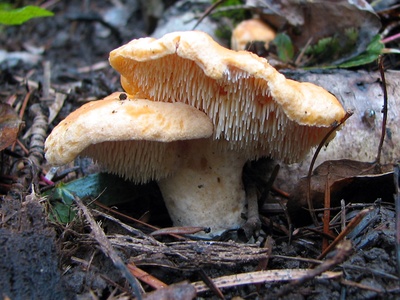
Hedgehog mushroom
Convex to irregular cap with spines (tooth-like structures) under the cap rather than gills, growing on woodland floors. Firm, nutty-flavored edible; easy to ID by sponge of spines and pleasant smell.
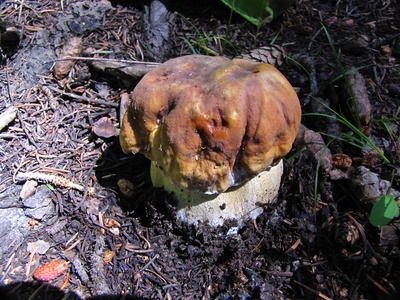
Porcini (Cep)
Large, brown convex cap with thick white pore surface underneath; grows under conifers and hardwoods in summer–autumn. Highly prized for rich, nutty flavor in fresh and dried forms; avoid boletes with red pores or blue staining.
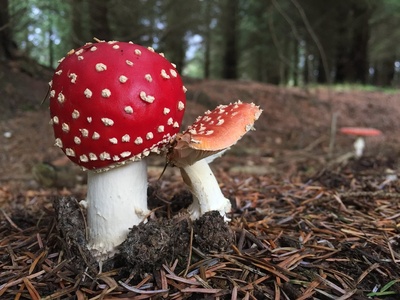
Fly agaric
Iconic red cap with white warts and white gills, often under birch and pine in temperate forests. Psychoactive and toxic with nausea or neurological effects; historically used ceremonially but not safe as food.
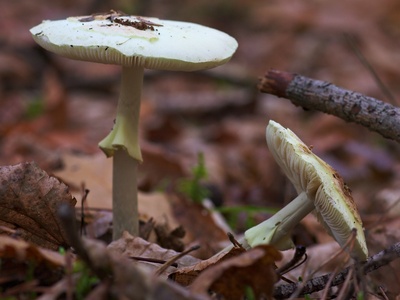
Death cap
Smooth olive to yellow-green cap with white gills and volva at the base, commonly around broadleaf trees. Responsible for most fatal mushroom poisonings—contains amatoxins that cause severe liver failure; never eat wild Amanitas unless expert-verified.
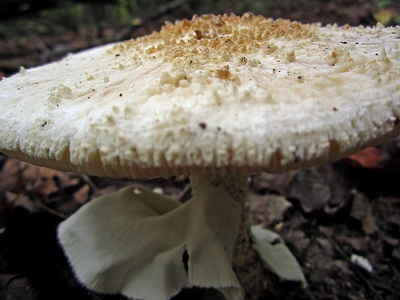
Destroying angel
All-white mushroom with smooth cap, white gills and volva, found in woodlands and grassy areas. Contains amatoxins like death cap; rapidly fatal poisoning possible—extreme caution, treat any white Amanita as potentially deadly.
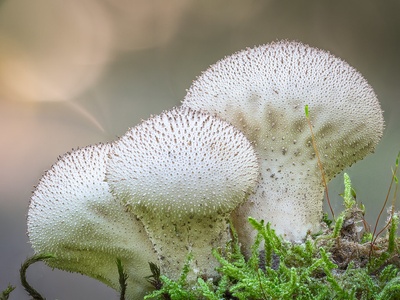
Common puffball
Small round or pear-shaped puffball with spiny surface; found on lawns, woodlands and disturbed ground. Edible when interior is uniformly white and firm; avoid when yellowing or containing spores and never confuse with immature Amanitas.
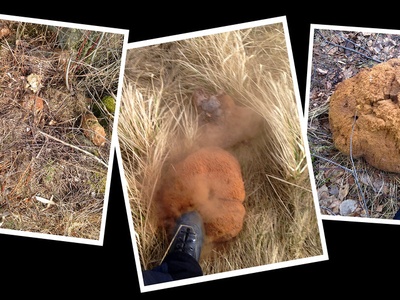
Giant puffball
Very large white ball that sits on the ground in meadows and woodland clearings. When young and pure white inside, it’s choice eating—slice and sauté; avoid any puffball with internal browning or gills forming.
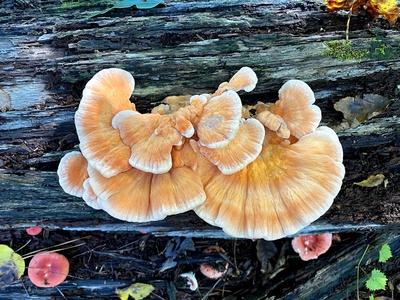
Chicken of the woods
Bright orange to yellow shelf fungus on decaying or living hardwoods, forming thick overlapping brackets. Known for meaty texture and chicken-like taste; many enjoy it but some experience digestive upset—cook well and sample cautiously.
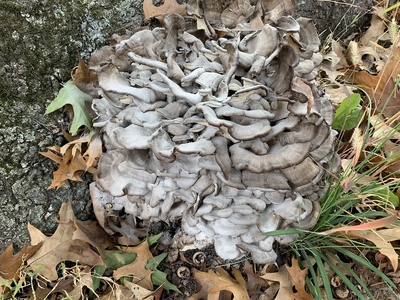
Hen of the woods (Maitake)
Large clustered frilly rosette at the base of oaks in late summer–autumn. Aromatic, meaty texture prized in cooking and studied for immune-supporting compounds; harvest sustainably from mature clumps.
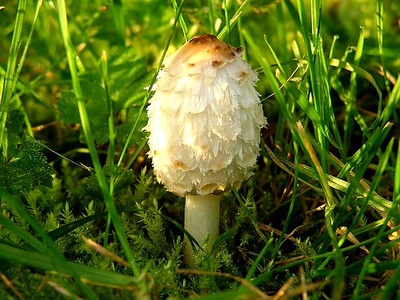
Shaggy mane
Tall, cylindrical cap with shaggy scales that deliquesce into black ink as it ages; found on lawns, roadsides, and disturbed soil. Delicious when young and firm—must be eaten soon after picking before autodigestion.
Inky cap (alcohol-reactive)
Small gray-brown bell-shaped cap that autodigests; when combined with alcohol causes nausea and flushing (disulfiram-like reaction). Grows on woodchips or rich soil; edible if no alcohol is consumed for 48–72 hours.
Reishi
Glossy, varnished-looking reddish-brown shelf fungus on dead hardwoods. Tough and woody, used dried or powdered in traditional medicine for immune and longevity claims; not eaten for flavor but steeped as tea or extract.
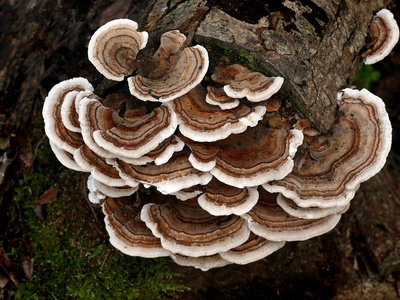
Turkey tail
Thin, zoned, multicolored bracket fungus on dead wood with velvety texture. Common worldwide; used in extracts and research for immune-supporting polysaccharides. Not culinary but valued medicinally.
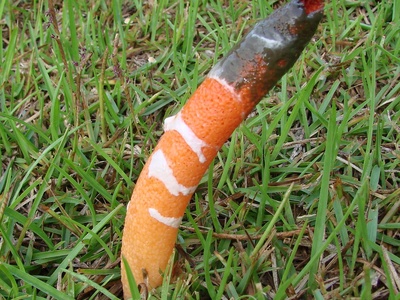
Stinkhorn
Phallic-shaped mushroom with slimy, foul-smelling head that attracts flies; emerges from an egg-like volva in woodlands and gardens. Too odorous to eat; ecologically important as a rapid decomposer.
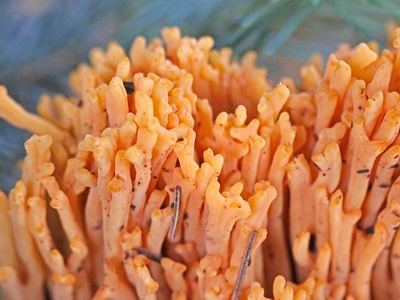
Coral mushroom (pink-tipped)
Branched coral-like fruiting body with pinkish tips in mixed woodlands. Some Ramaria species are edible but R. formosa can cause gastrointestinal upset—many coral fungi are difficult to ID and should be approached with caution.
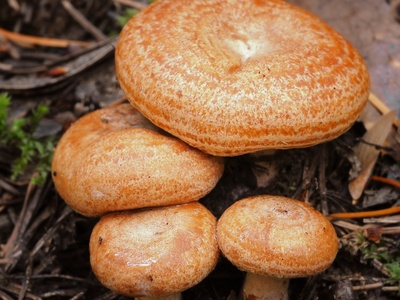
Saffron milk cap
Orange cap that exudes orange latex when cut and may show greenish stains; grows under pines in temperate forests. Firm, slightly spicy flavor; popular edible in Europe and Asia, dries and preserves well.
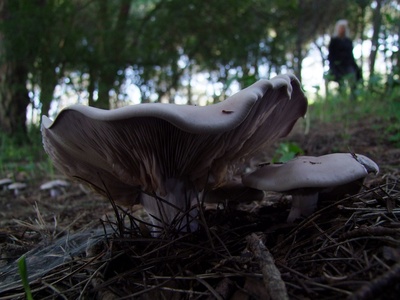
Blewit
Purplish to lilac-capped mushroom with pale gills, found in leaf litter, gardens and woodlands. Tasty when cooked, but some people experience mild reactions—cook thoroughly and test small amounts if new to you.
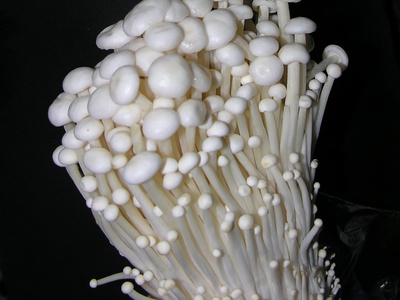
Enoki
Small, long-stemmed clustered white caps in cool, late-season woodlands or grown commercially as pale, delicate enoki. Mild flavor and crisp texture used in soups and salads; wild forms are darker and shorter than cultivated strains.
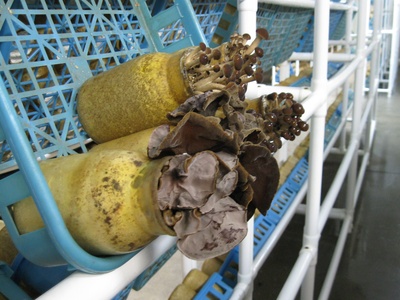
Nameko
Small amber-brown sticky caps in clusters on decaying hardwood. Slimy texture when cooked prized in Japanese cuisine; some gastric sensitivity reported—cook well and ensure correct identification.
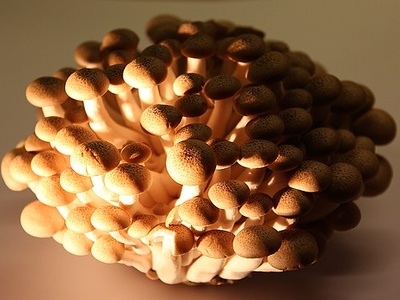
Shimeji (brown beech)
Small brown or tan clustered caps on hardwood logs, with a firm texture and savory, slightly nutty flavor. Popular in East Asian cooking and often cultivated; cook before eating for best flavor.
Matsutake
Brown, often scaly-capped mushroom with spicy-aromatic scent, growing under pine and other conifers in temperate zones. Highly prized and expensive for its distinctive aroma; foragers seek it in autumnal forests.
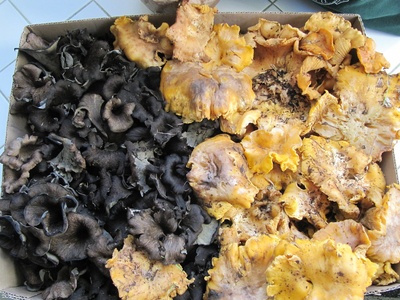
Black trumpet
Dark, trumpet-shaped funnel with thin, smooth rim and hollowness; grows in deciduous woodlands among leaf litter. Deep, smoky flavor and fragile texture—excellent for drying and adding concentrated flavor to dishes.
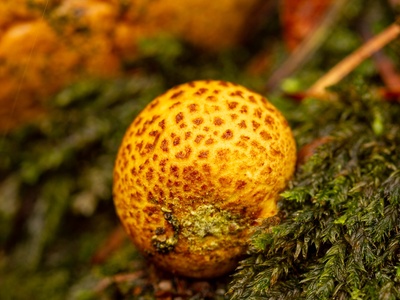
Earthball
Round, tough-skinned ball with thick rind and dark powdery interior of spores; appears on soil in heathlands and wood margins. Causes gastrointestinal distress if eaten and can be mistaken for puffballs when young—avoid consumption.
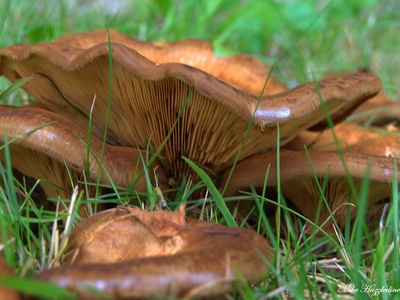
Brown roll-rim
Brown, convex cap with inrolled margin and gills that can brown with age; grows under trees in woodlands and parks. Once eaten traditionally but now known to cause immune-mediated hemolytic reactions—considered poisonous.
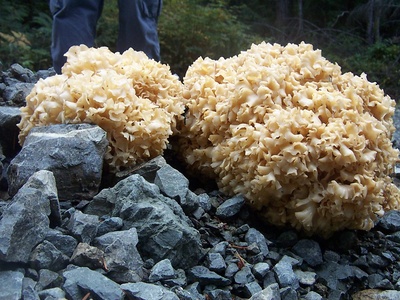
Cauliflower mushroom
Large, ruffled, creamy cluster resembling a cauliflower at the base of hardwoods, especially oak. Meaty and flavorful when cooked; prized by foragers but can harbor insects—clean thoroughly before cooking.
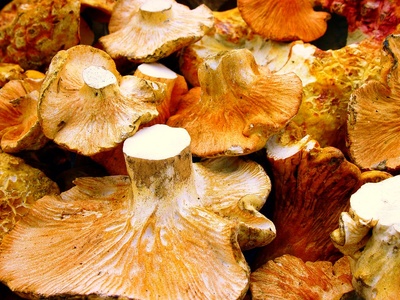
Lobster mushroom
Parasitized mushroom transformed into bright orange, firm “lobster” form; found on the forest floor attacking Russula or Lactarius species. Rich flavor and firm texture used as a seafood substitute; ensure proper ID because host identification is obscured.
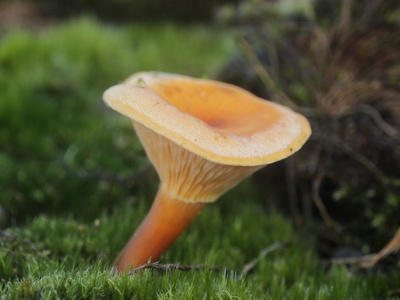
False chanterelle
Orange, gilled mushroom resembling chanterelles but with true gills and thinner flesh; grows on decaying conifer wood and leaf litter. Not poisonous but considered inedible due to poor taste and potential for mild stomach upset.
Paddy straw mushroom
Pink-spored, egg-stage mushroom commonly cultivated on rice straw in Asia; pale gray to brown cap when open. Popular in Asian cuisine for mild taste and tender texture—harvest and cook fresh.
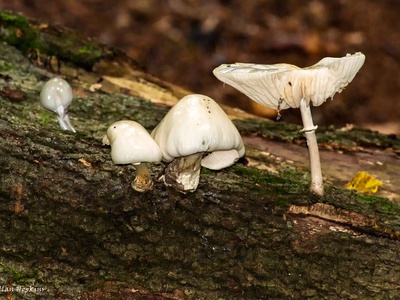
Porcelain fungus
Translucent white, slimy cap on dead beech trunks; common in temperate forests. Some cultures eat it after thorough cooking but texture is gelatinous—people with sensitivities should avoid.
Angel’s wings
Delicate, white, fan-shaped mushrooms on dead conifers; found in cool woodlands and fallen logs. Once considered edible but linked to fatal encephalopathy in some cases—treat as poisonous.
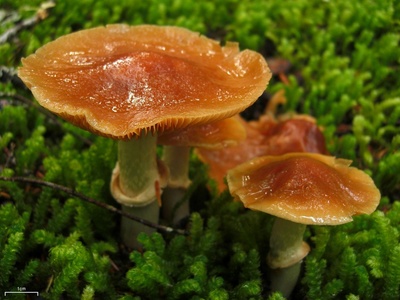
Gypsy mushroom
Brownish-orange convex cap with wart-like fibers and a dry surface, typically in leaf litter of birch woods. One of the few Cortinarius regarded as edible, though genus contains many toxic lookalikes—identify carefully.
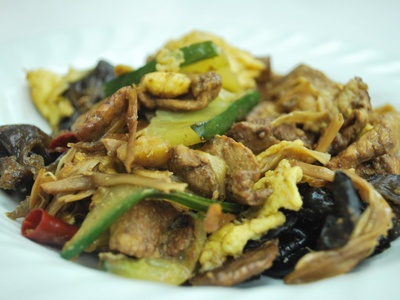
Wood ear
Thin, ear-shaped, gelatinous brown brackets on dead wood, especially elder. Crunchy texture used in Asian cuisine and soups; easy to spot on logs and branches after rain.
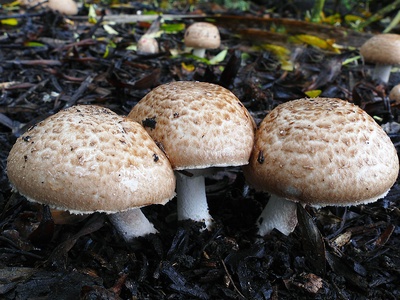
Shaggy parasol
Large scaly cap with brownish center and white gills, found in lawns and woodland clearings. Edible for many after cooking, but some people experience gastric upset—avoid if unsure or with sensitivity history.
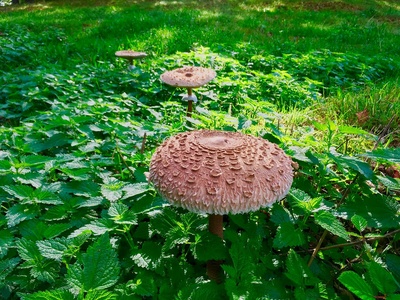
Parasol mushroom
Tall, slender stem with large, brown-scaled parasol cap and movable ring; common in grassy clearings and meadows. Choice edible with nutty flavor and meaty texture—slice the cap and grill for best results.
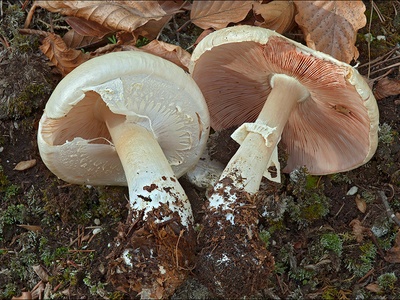
Yellow-staining Agaricus
White cap that bruises yellow, often with chemical or phenolic smell near the base; grows in lawns and hedgerows. Causes gastrointestinal distress in many people—distinguish from edible Agaricus species by odor and yellow staining.
Psychedelic mushroom
Small to medium brown cap with dark spores, commonly in nutrient-rich dung and pasture soils in warm climates. Contains psilocybin causing strong psychoactive effects; illegal in many places and can pose psychological risks.
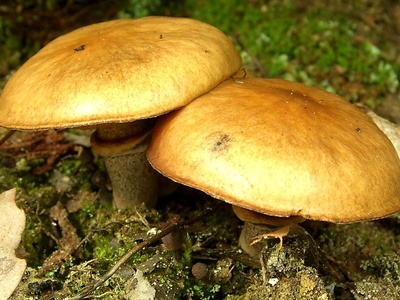
Slippery jack
Sticky brown cap with a slimy cuticle and yellow pore surface, commonly under pines. Mild flavor and good texture when peeled; some find it slimy or prone to insect infestation—prepare and clean before cooking.
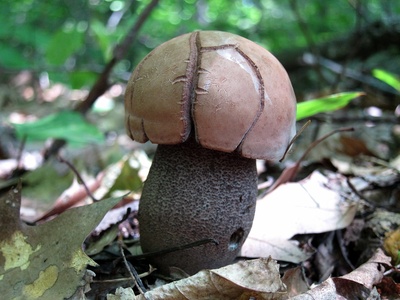
Birch bolete
Brown convex cap with a scabrous, spotted stem; associated with birch trees in temperate forests. Generally edible but may cause rare gastrointestinal reactions—cook thoroughly and sample small amounts initially.
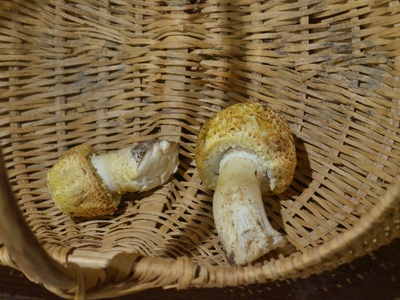
Prince mushroom
Large, richly fragrant brown-capped Agaricus with strong almond/anise odor when cut; found in rich soils and wood edges. Highly regarded edible but avoid confusing with toxic lookalikes; good for roasting.
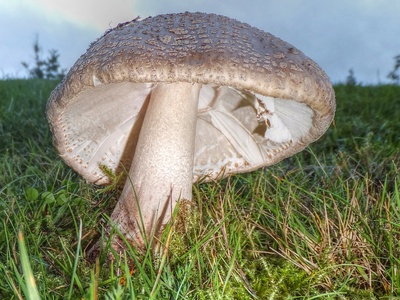
Blusher
Brownish cap that reddens or “blushes” when bruised, with ring and volva remnants; grows under hardwoods and conifers. Edible after thorough cooking in regions where knowledge is strong, but risky due to resemblance to toxic Amanitas.
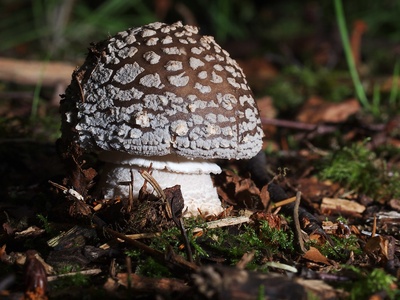
Panther cap
Brown cap with white warty patches and white gills, found in mixed woodlands. Contains toxins causing gastrointestinal and neurological symptoms; treat all brown Amanitas with caution.
Lobster mushroom (duplicate avoided)
See earlier Lobster mushroom entry.
Saffron milk cap (duplicate avoided)
See earlier Saffron milk cap entry.
Wood blewits (field blewit) (duplicate avoided)
See Blewit entry.