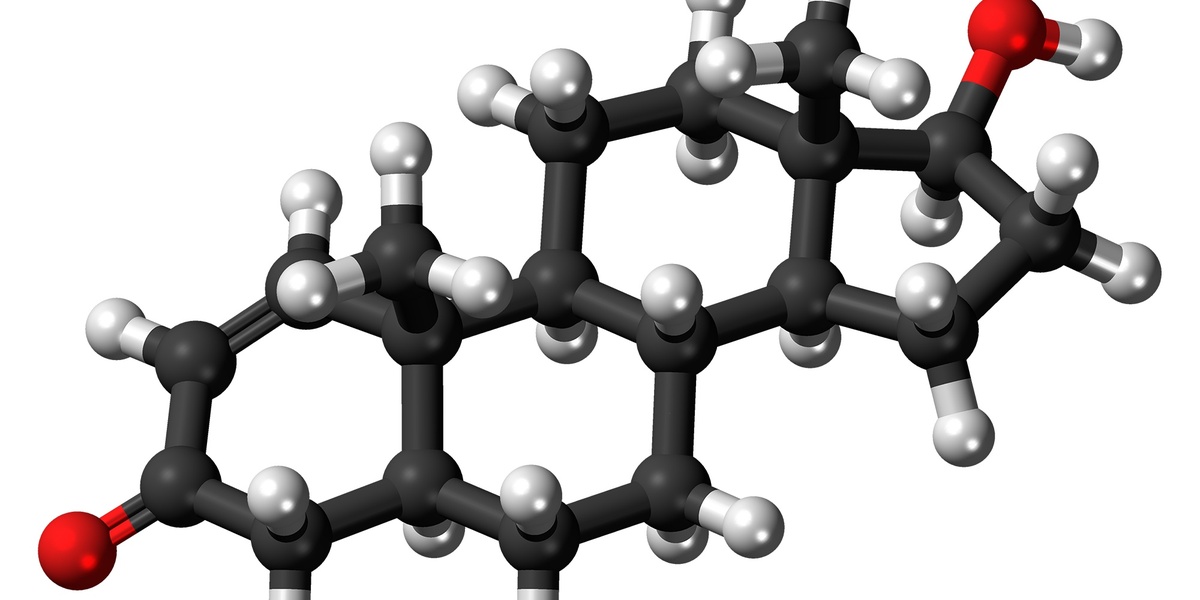
In clinics, labs and physiology textbooks, steroid hormones come up everywhere — they shape stress responses, metabolism, immunity and reproduction. Knowing which compounds do what helps clinicians choose treatments and researchers compare effects across systems.
There are 29 Examples of Steroid Hormones, ranging from Betamethasone to Triamcinolone; for each compound the information is organized as Class,Primary function,Main source — you’ll find those details below.
How are steroid hormones classified and why does that matter?
Steroid hormones are grouped by their chemical backbone and biological role (for example glucocorticoids, mineralocorticoids, androgens, estrogens, progestogens and synthetic corticosteroids). Classification helps predict where a hormone acts, its main physiological effects, and common sources or uses, so the table below makes it simple to scan by Class, Primary function and Main source.
Which steroid hormones are commonly used as medicines and what should I watch for?
Many steroids are therapeutic — corticosteroids like Betamethasone and Triamcinolone reduce inflammation, while others (e.g., estrogens, androgens, progestogens) are used in hormone replacement or contraception. They can be effective but carry risks (metabolic, immune suppression, hormonal imbalance), so use under medical guidance and monitor dose and duration.
Examples of Steroid Hormones
| Name | Class | Primary function | Main source |
|---|---|---|---|
| Cortisol | glucocorticoid | Regulates metabolism and stress response | adrenal cortex |
| Cortisone | glucocorticoid | Converted to active cortisol for inflammation control | adrenal cortex |
| Prednisone | glucocorticoid | Suppresses inflammation and immune responses | synthetic drug |
| Prednisolone | glucocorticoid | Active anti-inflammatory glucocorticoid | synthetic drug |
| Methylprednisolone | glucocorticoid | Rapid suppression of severe inflammation | synthetic drug |
| Dexamethasone | glucocorticoid | Powerful long‑acting anti-inflammatory agent | synthetic drug |
| Betamethasone | glucocorticoid | Matures fetal lungs; reduces inflammation | synthetic drug |
| Triamcinolone | glucocorticoid | Local and systemic anti-inflammatory therapy | synthetic drug |
| Fludrocortisone | mineralocorticoid | Promotes sodium retention and maintains blood pressure | synthetic drug |
| Testosterone | androgen | Drives male sexual development and anabolic effects | testes |
| Testosterone enanthate | androgen | Long‑acting testosterone replacement therapy | synthetic drug |
| Methyltestosterone | androgen | Oral androgen replacement and anti-cancer use | synthetic drug |
| Nandrolone | androgen | Anabolic agent to increase tissue building | synthetic drug |
| Oxandrolone | androgen | Promotes weight gain and limits muscle wasting | synthetic drug |
| Danazol | androgen | Suppresses ovarian function to reduce endometriosis | synthetic drug |
| Estradiol | estrogen | Regulates female reproductive cycle and bone health | ovaries |
| Estriol | estrogen | Modulates uterine and vaginal tissues, especially in pregnancy | placenta |
| Ethinyl estradiol | estrogen | Prevents ovulation in combined contraceptives | synthetic drug |
| Conjugated estrogens | estrogen | Relieves menopausal symptoms and protects bone | synthetic drug |
| Progesterone | progestogen | Prepares uterus for pregnancy and regulates cycles | ovaries |
| Medroxyprogesterone acetate | progestogen | Contraception and treatment of uterine disorders | synthetic drug |
| Norethindrone | progestogen | Oral contraception and menstrual disorder treatment | synthetic drug |
| Levonorgestrel | progestogen | Emergency and long‑term contraception | synthetic drug |
| Drospirenone | progestogen | Contraception with anti‑water retention effects | synthetic drug |
| Desogestrel | progestogen | Suppresses ovulation in oral contraceptives | synthetic drug |
| Norgestimate | progestogen | Widely used progestin in combined pills | synthetic drug |
| Mifepristone | synthetic | Progesterone receptor antagonist for pregnancy termination | synthetic drug |
| Calcitriol | secosteroid | Regulates calcium and phosphate, supports bone health | kidney |
| Tibolone | synthetic | Menopausal symptom relief with mixed steroid effects | synthetic drug |
Images and Descriptions
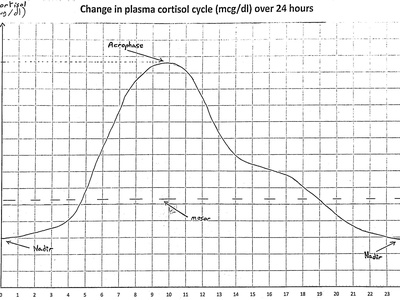
Cortisol
Cortisol is the body’s main glucocorticoid, regulating metabolism, inflammation, immune function, and stress responses. Clinically as hydrocortisone it replaces adrenal function in insufficiency and topical/systemic preparations treat inflammatory, allergic, and autoimmune conditions.
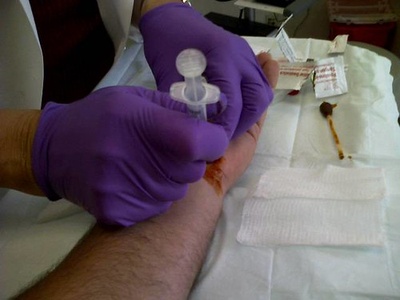
Cortisone
Cortisone is an inactive glucocorticoid prodrug converted to cortisol in the liver, helping regulate inflammation and stress. Clinically used as cortisone acetate for adrenal replacement and inflammatory conditions, often given orally or by injection for arthritis and allergic disorders.

Prednisone
Prednisone is a synthetic glucocorticoid with strong anti-inflammatory and immunosuppressive effects; commonly prescribed for asthma, autoimmune flares, and transplant rejection prophylaxis, it’s converted to active prednisolone in the liver and used orally for systemic inflammation control.
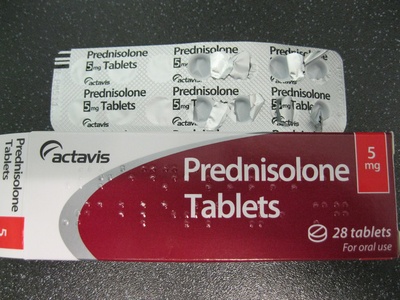
Prednisolone
Prednisolone is the active glucocorticoid metabolite of prednisone, reducing inflammation and immune activity. Used systemically and as eye drops, it treats asthma exacerbations, autoimmune diseases, and severe allergies; preferred in patients with impaired liver activation.
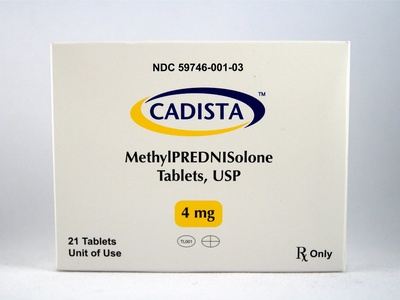
Methylprednisolone
Methylprednisolone is a potent synthetic glucocorticoid that suppresses inflammation and immune responses; frequently given intravenously for acute severe asthma, multiple sclerosis relapses, and serious inflammatory conditions to rapidly reduce swelling and immune-mediated damage.

Dexamethasone
Dexamethasone is a long‑acting synthetic glucocorticoid with powerful anti-inflammatory effects and low mineralocorticoid activity; used to reduce cerebral edema, treat severe allergic reactions, and as part of chemotherapy and hospitalized COVID-19 treatment protocols.

Betamethasone
Betamethasone is a potent synthetic glucocorticoid used to mature fetal lungs when preterm birth is expected, and to treat severe inflammatory skin, joint, and allergic conditions; it has strong anti-inflammatory efficacy with minimal salt-retaining effects.

Triamcinolone
Triamcinolone is an intermediate‑acting synthetic glucocorticoid used for local and systemic anti-inflammatory therapy; commonly injected into joints for arthritis, given as nasal sprays for allergic rhinitis, and used topically for skin inflammatory disorders.
Fludrocortisone
Fludrocortisone is a synthetic mineralocorticoid that promotes sodium retention and potassium excretion, supporting blood pressure. Clinically it’s used to replace aldosterone in primary adrenal insufficiency and to treat orthostatic hypotension with salt-wasting disorders.

Testosterone
Testosterone is the primary male androgen produced by the testes, driving sexual development, muscle mass, and libido. Clinically used for male hypogonadism, gender-affirming therapy, and sometimes to treat certain anemias and wasting conditions.
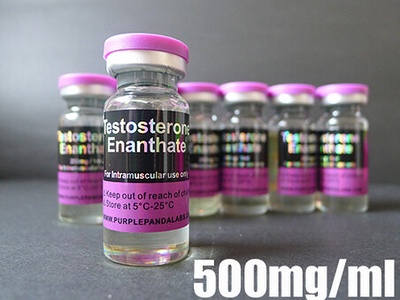
Testosterone enanthate
Testosterone enanthate is an esterified testosterone used as androgen replacement therapy; it restores testosterone levels, supports libido and muscle mass, and treats hypogonadism and delayed puberty when supervised by clinicians.
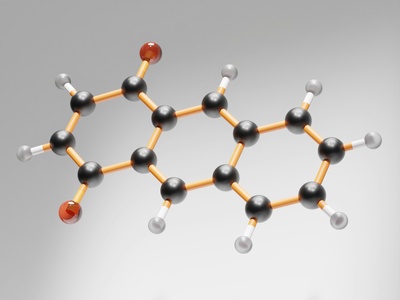
Methyltestosterone
Methyltestosterone is an oral synthetic androgen used to treat male hypogonadism and certain breast cancers; it promotes androgenic and anabolic effects but has liver toxicity risks, so clinical use is carefully monitored.
Nandrolone
Nandrolone is an anabolic androgenic steroid with strong tissue-building effects used medically to treat certain anemias and cachexia; it increases muscle mass and bone density but carries risks of hormonal side effects and requires monitoring.
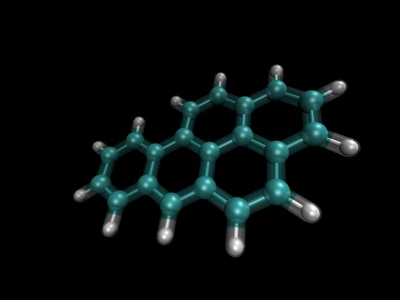
Oxandrolone
Oxandrolone is a mild synthetic anabolic steroid used to promote weight gain after surgery or chronic illness and to counteract catabolic states; it limits muscle wasting with relatively lower androgenic side effects compared with other anabolic agents.
Danazol
Danazol is a synthetic androgen used to suppress ovarian function and reduce endometriosis symptoms and hereditary angioedema attacks; it works by inhibiting gonadotropin release and often causes androgenic side effects that limit long-term use.
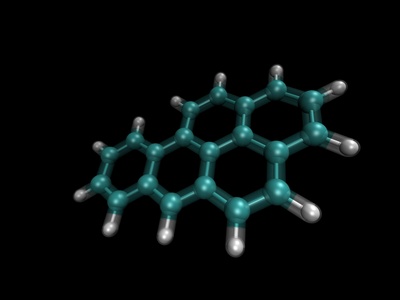
Estradiol
Estradiol is the most potent natural estrogen produced by ovaries and the placenta, regulating reproductive cycles and bone health. Clinically used in hormone replacement therapy and transgender care, and to treat menopausal symptoms and hypogonadism.
Estriol
Estriol is a weaker endogenous estrogen produced during pregnancy by the placenta; it modulates uterine and vaginal tissues. Clinically used in some menopausal vaginal therapies to relieve local atrophy and dryness with lower systemic effects.

Ethinyl estradiol
Ethinyl estradiol is a synthetic estrogen widely used in combined oral contraceptives; it prevents ovulation and stabilizes the endometrium, and is central to effective birth control pills and many hormone therapy formulations.
Conjugated estrogens
Conjugated estrogens are a mixture of estrogenic steroids used in menopausal hormone therapy to relieve vasomotor symptoms and prevent osteoporosis; commonly prescribed oral preparations contain estrone sulfate and related compounds.
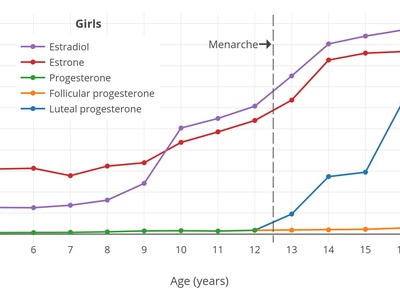
Progesterone
Progesterone is the natural progestogen produced by ovaries and placenta, preparing the uterus for pregnancy and regulating menstrual cycles. Clinically used for luteal support, contraception, and hormone therapy to protect the endometrium.
Medroxyprogesterone acetate
Medroxyprogesterone acetate is a synthetic progestin used for contraception, endometriosis, and abnormal uterine bleeding; it mimics progesterone’s effects on the uterus and is available as injection or oral formulations.
Norethindrone
Norethindrone is an oral synthetic progestin used in birth control pills, progestin-only contraceptives, and to treat menstrual disorders; it suppresses ovulation, stabilizes the uterine lining, and reduces heavy bleeding.

Levonorgestrel
Levonorgestrel is a potent synthetic progestin used in emergency contraception and intrauterine devices; it prevents pregnancy primarily by inhibiting ovulation and altering cervical mucus and endometrial receptivity.
Drospirenone
Drospirenone is a synthetic progestin with anti-mineralocorticoid activity used in combined oral contraceptives; it provides contraceptive efficacy while reducing water retention and countering androgenic side effects.
Desogestrel
Desogestrel is a third-generation synthetic progestin used in oral contraceptives and progestin-only pills; it effectively suppresses ovulation and has lower androgenic activity compared with older progestins.
Norgestimate
Norgestimate is a synthetic progestin commonly combined with ethinyl estradiol in oral contraceptives; it prevents pregnancy by suppressing ovulation, has relatively low androgenic effects, and is widely prescribed.
Mifepristone
Mifepristone is a synthetic steroid that antagonizes progesterone receptors (and glucocorticoid receptors), terminating early pregnancy medically and used in Cushing’s syndrome; it blocks progesterone’s action to induce uterine lining shedding.
Calcitriol
Calcitriol (1,25-dihydroxyvitamin D3) is the active secosteroid hormone regulating calcium and phosphate absorption and bone health; clinically used to treat hypocalcemia, secondary hyperparathyroidism, and certain forms of osteoporosis and rickets.
Tibolone
Tibolone is a synthetic steroid with estrogenic, progestogenic, and androgenic actions used in menopausal hormone therapy to relieve vasomotor symptoms and prevent bone loss while offering a tissue-selective profile.