Look across the periodic table and one column stands out for its role in biology, materials, and industry: the group that includes oxygen, sulfur and heavier cousins. That column shows a clear trend in reactivity and physical state that makes it useful to compare the members side by side.
There are 6 Chalcogens, ranging from Livermorium,Tellurium. For each element you’ll find below data organized as Symbol,Atomic number,Standard state (at STP), so you can quickly scan trends in identity, atomic size, and whether each is a gas, solid, or (rarely) synthetic at STP — you’ll find below.
Which chalcogens are gases at STP and what causes that behavior?
Only oxygen (O2) is a common gas at STP; the next lightest, sulfur, is a solid because increasing atomic size and stronger van der Waals forces outweigh the tendency to form small diatomic molecules, so heavier chalcogens are solids or unstable synthetic elements under standard conditions.
Are any chalcogens exclusively synthetic and how does that affect their properties?
The heaviest chalcogen(s) like livermorium are produced synthetically in labs and exist only briefly; their properties are inferred from nuclear experiments and periodic trends rather than bulk measurements, so reported states and behaviors are provisional and based on theory and limited observation.
Chalcogens
| Name | Symbol | Atomic number | Standard state (at STP) |
|---|---|---|---|
| Oxygen | O | 8 | gas |
| Sulfur | S | 16 | solid |
| Selenium | Se | 34 | solid |
| Tellurium | Te | 52 | solid |
| Polonium | Po | 84 | solid |
| Livermorium | Lv | 116 | solid |
Images and Descriptions
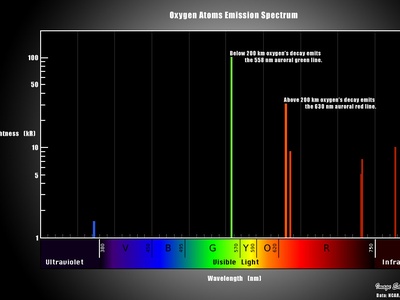
Oxygen
Colorless gas making up about 21% of Earth’s atmosphere, essential for respiration and combustion. Produced by photosynthesis and industrially by air separation. Used in medicine, metal cutting, and water treatment. Hazard: supports rapid fire and can cause oxidative damage in high concentrations.
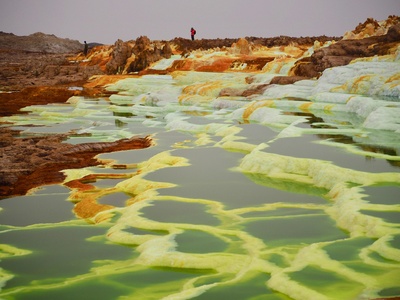
Sulfur
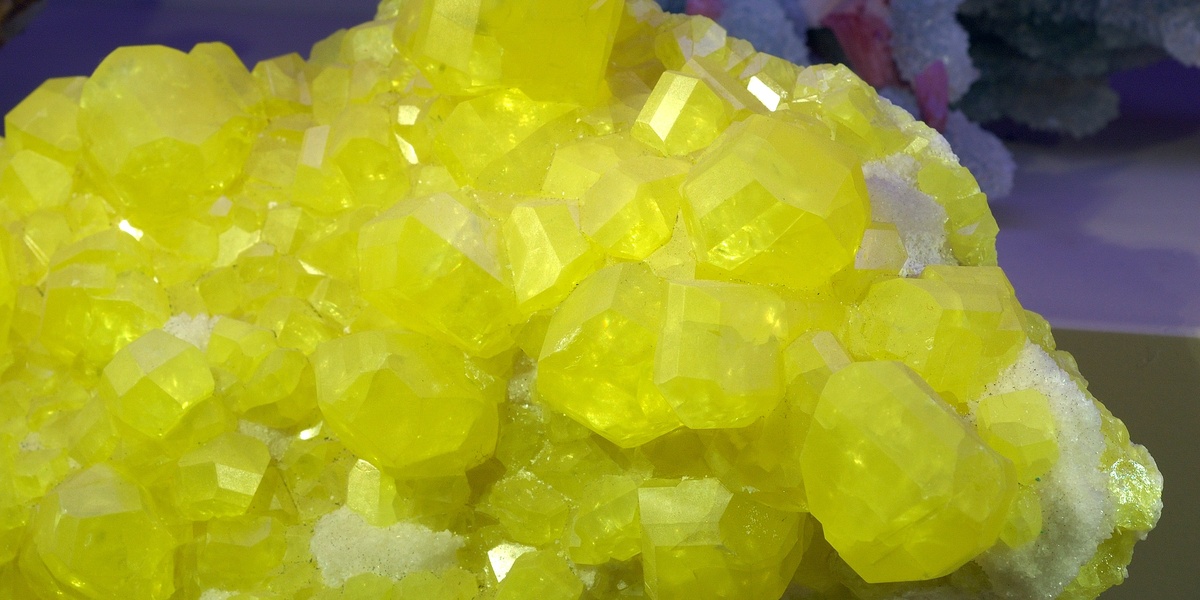
Yellow solid found near volcanoes and in many minerals, abundant in Earth’s crust. Used in fertilizers, sulfuric acid production, vulcanizing rubber, and pesticides. Notable properties include multiple allotropes and strong odor when burned. Hazard: sulfur dioxide irritates lungs and eyes.

Selenium
A brittle, semiconductor solid occurring in metal ores and as a trace element in soils and organisms. Used in glassmaking, photocells, and electronics; small amounts are essential nutritionally. Hazard: toxic at higher doses, causing gastrointestinal and neurological symptoms.

Tellurium
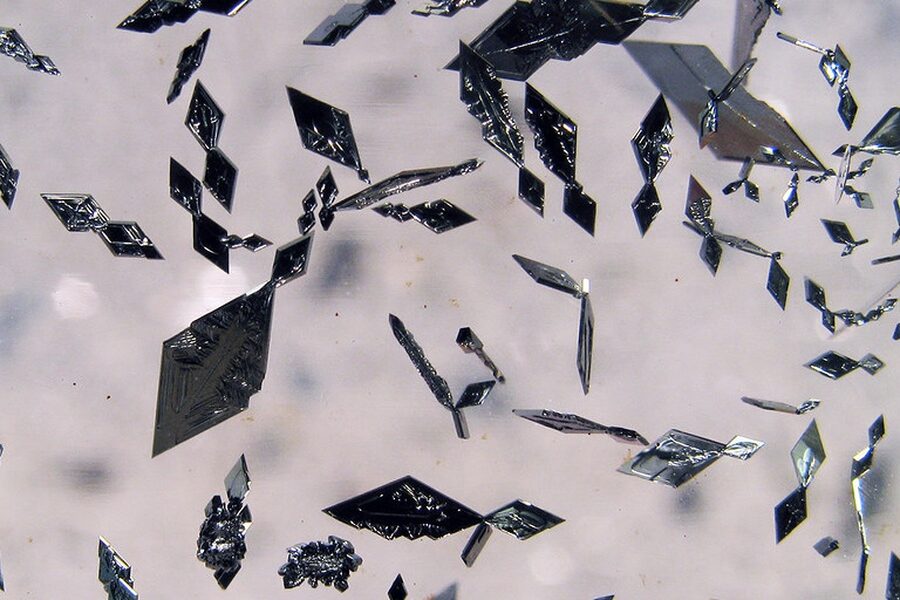
A rare, brittle metalloid found in telluride minerals and recovered as a byproduct of copper refining. Used in thermoelectrics, solar-cell alloys, and metallurgy. Notable for its metallic luster and garlic-like odor of some compounds. Hazard: toxic and can cause long-lasting body odor.
Polonium
A highly radioactive metal discovered in uranium ores, naturally rare and produced in reactors. Emits intense alpha radiation; used historically as a static eliminator and neutron source in research. Major hazard: extreme radiotoxicity—ingestion or inhalation is often lethal.
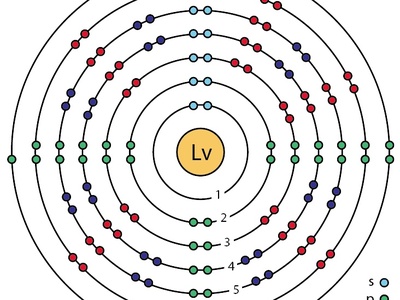
Livermorium
An artificial, extremely radioactive element made in particle accelerators; it has no natural occurrence and only atoms of seconds’ lifetime have been observed. Predicted to be a solid; used only in basic research. Hazard: intense radioactivity and no practical applications.