8 Benefits of Biology (and why it is important to you)
In 1859 Charles Darwin published On the Origin of Species, a book that reframed how we understand life and set biology on a path to transform medicine, agriculture, industry and conservation. Picture a world without vaccines, without reliable food varieties, or without the conservation science that helped return the bald eagle from the brink—biology changed each of those outcomes.
Biological discoveries affect everyday things: your health care, the price and safety of food, the water you drink and even jobs in biotech. Many people think biology is abstract lab work, but the discipline delivers concrete, personal benefits—from vaccines that prevent an estimated 2–3 million deaths annually (WHO) to ecosystem services that keep crops productive.
Biology isn’t just academic—its discoveries and applications shape your health, food, environment and economy; here are eight concrete ways biology matters to you. The list below is grouped into four categories: Medical & Health; Environmental & Ecological; Agricultural & Food Security; and Technological, Industrial & Everyday. Expect dates and examples—1859, 1980, 1983, 2003 appear for a reason—and clear, practical takeaways about how biological science touches daily life.
Medical and Health Benefits
Modern medicine rests on biological knowledge. From vaccines and antibiotics to diagnostics and personalized therapies, biology explains disease mechanisms and points to remedies. Landmark dates—penicillin’s broad use in the 1940s, smallpox eradication in 1980, PCR’s invention in 1983—aren’t just trivia; they mark clear changes in how societies control illness and protect populations.
Biological research also underpins public-health infrastructure: surveillance, laboratory testing and the development pipeline for new drugs. That same science produced mRNA vaccines in 2020 (Moderna, BioNTech) and gene-editing tools that now enter clinical trials. These advances shorten timelines from discovery to treatment and improve outcomes for individuals and communities.
1. Improved disease prevention and treatments
Biological research produced vaccines, antibiotics and antivirals that save millions of lives. The WHO estimates vaccines prevent about 2–3 million deaths each year. Penicillin’s introduction in the 1940s transformed outcomes for bacterial infections, and smallpox was declared eradicated in 1980 after a global vaccination campaign.
Real-world examples include Jonas Salk’s polio vaccine that slashed global cases (polio cases fell from roughly 350,000 in 1988 to only a few hundred in recent years), and the rapid 2020 rollout of mRNA COVID-19 vaccines (Moderna, BioNTech) that reduced severe disease at scale. These milestones show how biology translates into prevention and treatment.
2. Better diagnostics and personalized medicine
Tools from molecular biology—PCR, genomic sequencing and biomarkers—turn vague symptoms into precise diagnoses and enable tailored therapies. PCR, invented by Kary Mullis in 1983 (Nobel Prize 1993), became essential during the COVID-19 pandemic for accurate testing. Sequencing has moved from the Human Genome Project’s roughly $2.7 billion effort (completed in 2003) to costs near the $1,000 range in the 2010s, dramatically widening access.
Personalized medicine is already routine: BRCA genetic testing guides cancer-prevention choices, and HER2 testing identifies patients who benefit from trastuzumab (Herceptin). As sequencing costs fall and biomarkers improve, clinicians can choose the right drug for the right patient, reducing side effects and improving outcomes.
Environmental and Ecological Benefits
Biology provides the evidence and methods used to conserve species, value ecosystem services and design restoration projects. Conservation biology tells us which habitats to protect, ecology explains food-web links, and restoration science guides practical recovery efforts. Quantifying services—like pollination and carbon storage—lets policymakers and land managers make informed choices.
That information matters: about one-third of the global food supply depends on animal pollinators (IPBES), and coastal habitats such as mangroves store large amounts of carbon per hectare while protecting shorelines. Laws and programs, from the U.S. Endangered Species Act (1973) to international IUCN assessments, rely on biological data to measure success.
3. Protecting ecosystems and the services they provide
Biodiversity underpins services people rely on—pollination, water filtration and soil fertility. Pollinators support roughly one-third of the crops that feed humanity; wetlands filter pollutants and reduce flood risks. Biology helps quantify these services and prioritize actions that sustain fisheries, protect drinking-water sources and cool urban heat islands.
Applied examples include habitat protection that maintains fish spawning grounds and wetland restoration projects that improve water quality for downstream users. The IUCN and IPBES provide the science used to translate ecological function into management decisions that affect food security and public safety.
4. Conservation science and climate mitigation
Conservation biology informs species recovery and nature-based climate strategies. The U.S. Endangered Species Act (1973) helped recover species such as the bald eagle and, in some regions, the American bison. Those recoveries are tangible examples of policy guided by biological evidence.
Ecosystem-based approaches also contribute to carbon sequestration: mangroves can store up to ten times more carbon per hectare than some terrestrial forests, and blue-carbon and reforestation projects are now part of national climate plans. Peer-reviewed restoration studies and IUCN data help managers choose high-impact interventions.
Agricultural and Food Security Benefits

Biology transformed how we grow food—raising yields, improving nutrition and making systems more resilient. The Green Revolution of the 1960s–1970s, led by breeders like Norman Borlaug, produced high-yield cereal varieties credited with reducing famine risk and expanding caloric supply globally. Today’s biology builds on that legacy with genetic tools and ecological farming practices.
Modern approaches include genetic engineering, marker-assisted selection and CRISPR editing to develop drought-tolerant or pest-resistant crops, plus agroecological methods that support soil health. Those options together help stabilize supplies and keep food prices more predictable for consumers.
5. Higher yields and improved crops
Plant breeding and molecular biology raised yields and expanded the food supply. The Green Revolution (1960s–70s) and Borlaug’s semi-dwarf wheat varieties are often credited with preventing mass famines and feeding a growing population. More recently, tools like CRISPR and marker-assisted selection speed development of traits such as drought tolerance and disease resistance.
Examples range from IR8 and other high-yield rice varieties to modern drought-tolerant maize. For consumers this often means lower prices and more stable availability, while farmers get varieties better suited to local climate stresses.
6. Sustainable pest control and healthier soils
Biological methods cut reliance on synthetic chemicals and build long-term soil health. Integrated pest management, biological control agents (like Bacillus thuringiensis or Bt) and beneficial microbes such as Rhizobium for legumes reduce pesticide inputs and improve fertility. Bt crops and biopesticides have lowered some pesticide uses in multiple regions.
Cover crops and nitrogen-fixing rotations improve organic matter and resilience, helping farmers maintain yields with fewer external inputs. For consumers, that means fewer residues and more sustainable production over time.
Technological, Industrial and Everyday Benefits
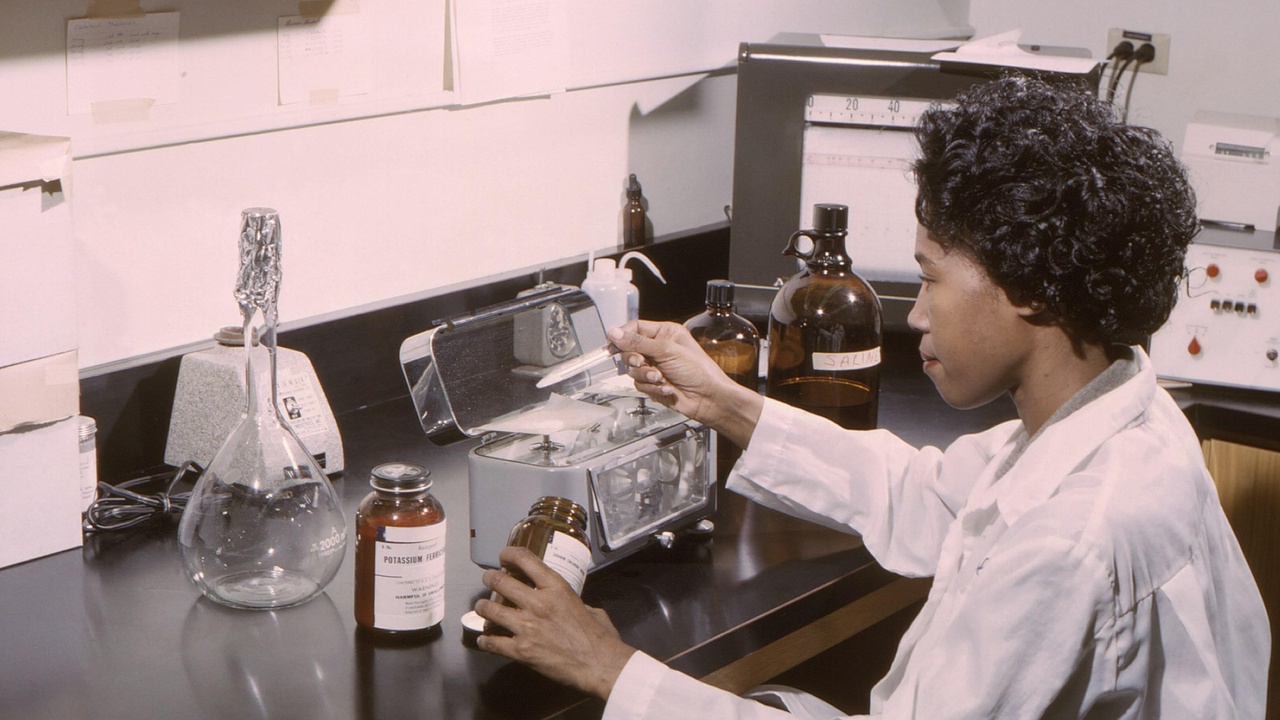
Biology spurred entire industries and many household products. Recombinant DNA techniques led to protein therapeutics and fueling companies that translate discoveries into jobs and medicines. Beyond pharmaceuticals, biological processes make industrial enzymes, biodegradable materials and even biofuels. These products affect daily life and the broader economy.
Some historical touchstones: recombinant human insulin (Humulin) was introduced in 1982, Genentech helped pioneer monoclonal antibody drugs, and Moderna demonstrated rapid mRNA vaccine development in 2020. The biotech industry is a multi‑billion‑dollar sector that has changed how medicines and materials reach markets.
7. Biotech industry: medicines, fuels and materials
Biological discoveries became market products and jobs. Recombinant insulin (Humulin, 1982) transformed diabetes care; Genentech and similar firms developed monoclonal antibodies that treat cancer and autoimmune diseases; Moderna’s mRNA platform enabled a rapid COVID-19 response in 2020. Industrial biotech produces enzymes for detergents and food processing and is developing bio-based plastics and fuels.
These industries not only deliver products but also create high-skill employment and supply chains, translating labs into local economic activity.
8. Research tools and everyday conveniences
Techniques from biology touch ordinary life: PCR enables diagnostics, DNA sequencing helps verify food authenticity, enzymes improve laundry detergents, and probiotics play a role in fermented foods. The Human Genome Project cost about $2.7 billion and finished in 2003; by the 2010s sequencing costs had fallen to the roughly $1,000 range, widening access to genetic tools.
DNA barcoding supports labeling accuracy, PCR underpins many medical tests, and industrial enzymes reduce energy needs in manufacturing. Small advances in lab methods thus cascade into everyday conveniences and improved product reliability.
Summary
Biology produces measurable benefits across health, environment, food systems and industry—often in ways you notice only when they’re missing. Below are a few concise takeaways and an invitation to pay attention to how biological science shapes choices and policy.
- Vaccines and antibiotics: biological breakthroughs (e.g., smallpox eradication in 1980, the 2020 mRNA vaccines) prevent millions of deaths and control epidemics.
- Healthy ecosystems: pollinators support about one-third of crops, and conservation efforts (Endangered Species Act, 1973) have restored species like the bald eagle.
- Food security: the Green Revolution (1960s–70s, Norman Borlaug) and modern genetics (CRISPR) increased yields and helped stabilize supplies.
- Biotech and tools: recombinant insulin (1982), Genentech and Moderna show how biology creates medicines, industries and everyday products—while sequencing and PCR democratized powerful diagnostic capabilities.