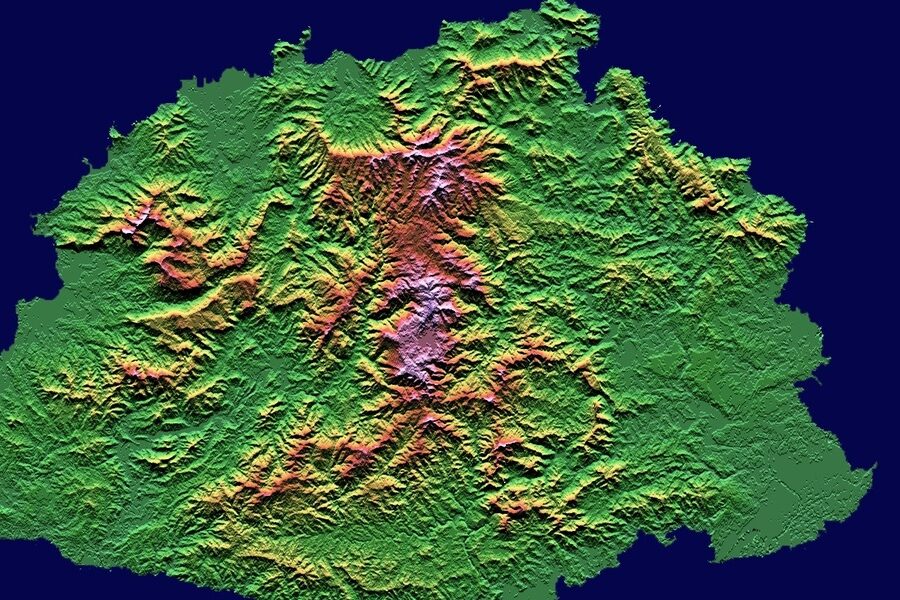
The Comoros archipelago sits in the Mozambique Channel as a string of volcanic islands with steep slopes and rich soils that shape local communities and ecosystems. A quick list helps make sense of the landscape without getting lost in technical detail.
There are 4 Volcanoes in the Comoros, ranging from Karthala to Ntringui. The entries are organized with Island/location,Coordinates (lat lon),Elevation (m); you’ll find below.
Are any of these volcanoes currently active?
Karthala on Grande Comore is the island chain’s active volcano and has shown eruptions in recent decades; the others, including Ntringui on Anjouan, are generally older and considered dormant or less frequently active. Local monitoring is limited, so check recent reports before planning close visits.
How accessible are these volcanoes for visitors and what should I prepare?
Access varies by island: some summits require multi-hour hikes, local guides, and permissions, while others are visible from nearby roads. Prepare sturdy footwear, water, sun protection, and a knowledgeable guide; confirm transport and any official restrictions with local authorities before you go.
Volcanoes in the Comoros
| Name | Island/location | Coordinates (lat lon) | Elevation (m) |
|---|---|---|---|
| Karthala | Grande Comore (Ngazidja) | -11.75,43.38 | 2,361 |
| La Grille | Grande Comore (Ngazidja) | -11.68,43.17 | 1,070 |
| Ntringui | Anjouan (Nzwani) | -12.23,44.42 | 1,595 |
| Mount Mlédja | Mohéli (Mwali) | -12.29,43.74 | 790 |
Images and Descriptions
Karthala
Karthala is a massive shield volcano dominating Grande Comore; summit 2,361 m. One of Africa’s most active volcanoes with historical eruptions in 1977, 1991 and 2005; frequent lava flows and a large caldera make it the island’s defining hazard and attraction.

La Grille
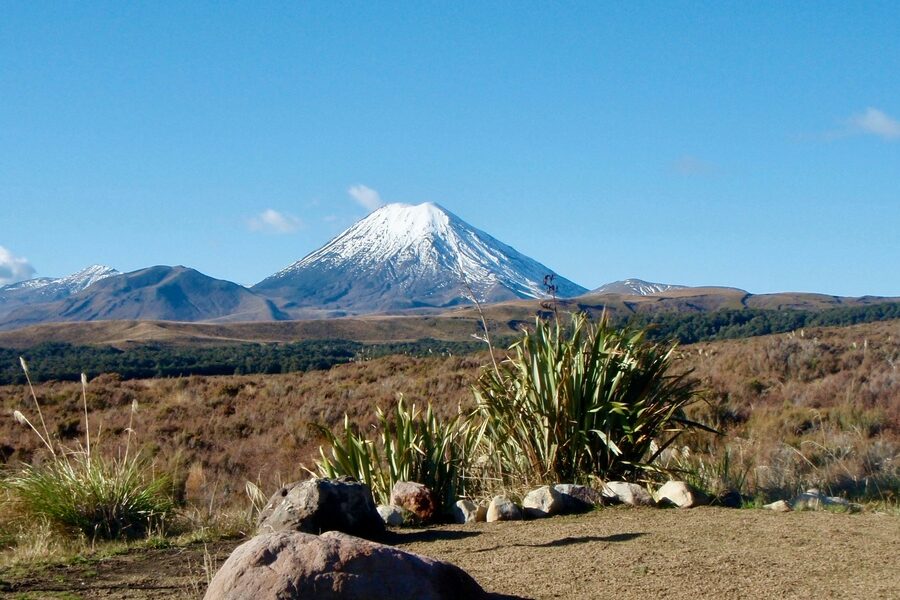
La Grille is a broad shield on western Grande Comore, summit about 1,070 m. It is older and less active than Karthala with no confirmed historical eruptions; Holocene lava flows and rugged coastal cliffs make it an interesting but quieter volcanic landmark.
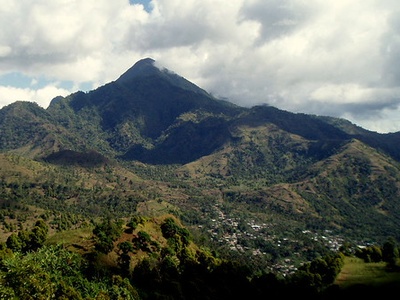
Ntringui
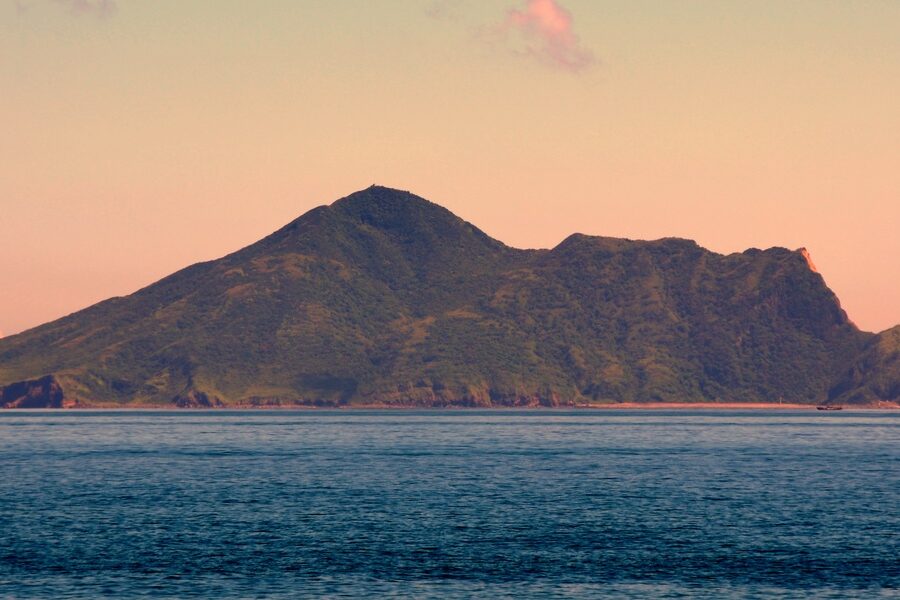
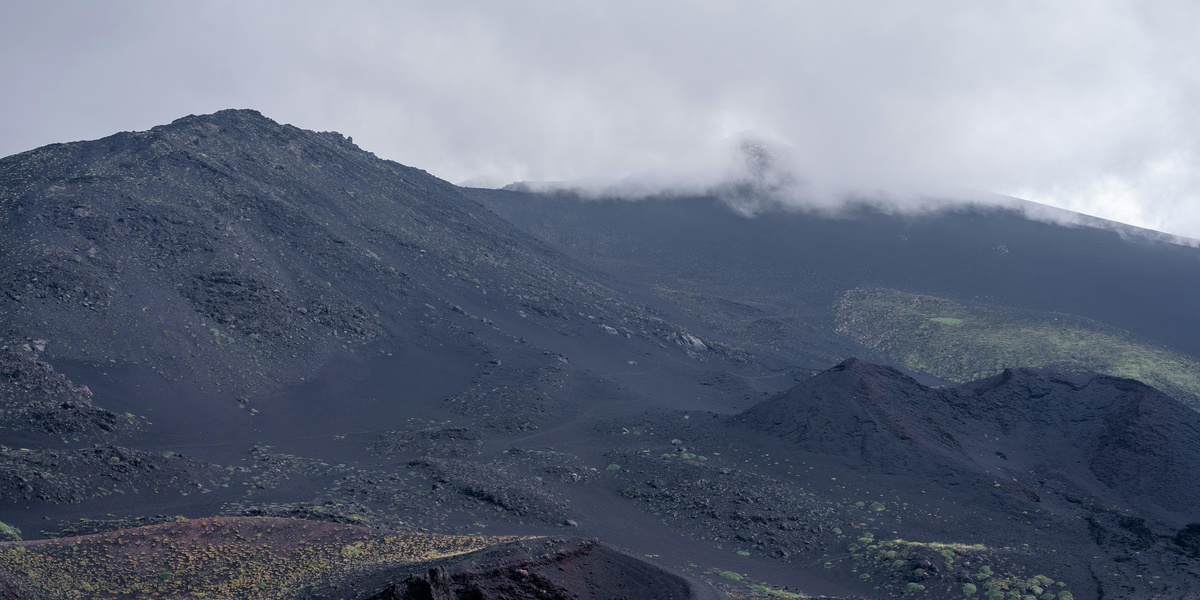
Ntringui is the central volcanic massif of Anjouan, summit about 1,595 m. No confirmed historical eruptions but geologic evidence indicates Holocene activity; steep crater remnants, endemic forests, and high-altitude trails make it a prominent hiking destination.
Mount Mlédja
Mount Mlédja is Mohéli’s highest volcanic peak at about 790 m. There are no recorded historical eruptions; the forested, rugged interior supports endemic wildlife and offers scenic hikes, though visitor facilities are limited.