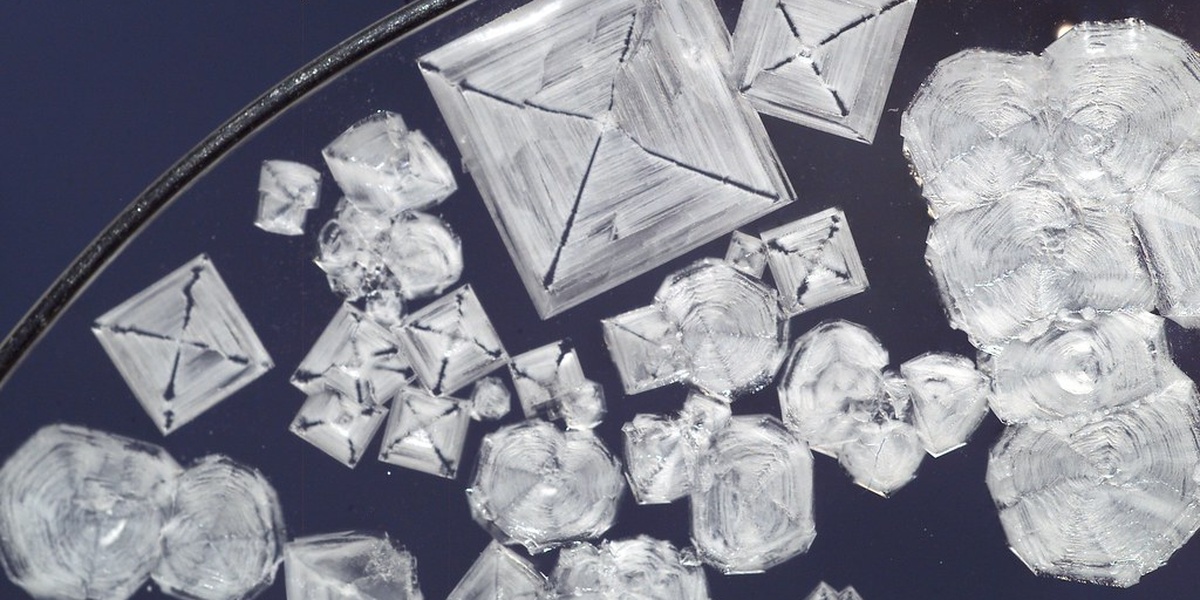
From kitchen shelves to water-treatment plants, common ionic compounds shape everyday life and industry. This list gathers examples you might encounter in labs, agriculture, manufacturing, and household products, highlighting where each one is used and how it behaves.
There are 29 Salts, ranging from Alum (potassium alum) to Zinc sulfate. For each entry the columns are organized as Formula,Typical uses,Solubility (g/100 mL, 20°C); details you’ll find below.
How should I use the Solubility (g/100 mL, 20°C) column when choosing a salt?
Solubility tells you how many grams dissolve in 100 mL of water at 20°C — higher values mean a salt dissolves more readily at room temperature. Use it to predict if a compound will stay dissolved in your formulation, whether heating or a solvent change is needed, and to anticipate precipitation or storage issues.
Are any of these salts commonly used outside the lab?
Yes — several are everyday or industrial staples: alum appears in water purification and some food processes, while zinc sulfate is used in agriculture and topical medicines. Check the Typical uses column for practical applications and always consult safety data before handling.
Salts
| Name | Formula | Typical uses | Solubility (g/100 mL, 20°C) |
|---|---|---|---|
| Sodium chloride | NaCl | Table salt, food seasoning, de-icing | 35.9 |
| Potassium chloride | KCl | Fertilizer, salt substitute, medical electrolyte | (28.0) |
| Calcium chloride | CaCl2 | De-icing, dust control, desiccant | 74.5 |
| Magnesium sulfate (Epsom salt) | MgSO4·7H2O | Bath salts, laxative, fertilizer | 35.5 |
| Sodium bicarbonate | NaHCO3 | Baking, antacid, cleaning | 9.6 |
| Sodium carbonate (washing soda) | Na2CO3 | Laundry, glass, pH adjustment | 21.5 |
| Sodium sulfate (Glauber’s-type) | Na2SO4 | Paper, glass, detergents | 19.5 |
| Potassium nitrate | KNO3 | Fertilizer, food curing, pyrotechnics | 31.6 |
| Sodium nitrate | NaNO3 | Fertilizer, oxidizer, food preservation | 92.0 |
| Ammonium chloride | NH4Cl | Fertilizer, cough medicine, metalwork flux | 29.4 |
| Copper(II) sulfate (blue vitriol) | CuSO4·5H2O | Fungicide, lab reagent, electroplating | 24.0 |
| Calcium sulfate (gypsum) | CaSO4·2H2O | Plaster, drywall, cement component | insoluble |
| Calcium carbonate | CaCO3 | Limestone, antacid, building material | insoluble |
| Silver chloride | AgCl | Photography, silver plating, analytical chemistry | insoluble |
| Barium sulfate | BaSO4 | Medical imaging contrast, pigment | insoluble |
| Lead(II) nitrate | Pb(NO3)2 | Lab reagent, historical pigment manufacture | 52.5 |
| Potassium carbonate | K2CO3 | Glass, soap, fertilizer | 111.0 |
| Potassium sulfate | K2SO4 | Fertilizer, specialty glass | 11.1 |
| Magnesium chloride | MgCl2 | De-icing, dust control, magnesium source | 54.0 |
| Sodium fluoride | NaF | Toothpaste ingredient, water fluoridation | 4.0 |
| Lithium carbonate | Li2CO3 | Bipolar disorder medication, ceramics | 1.30 |
| Potassium bromide | KBr | Photography, veterinary sedative, electronics | 67.0 |
| Alum (potassium alum) | KAl(SO4)2·12H2O | Water purification, pickling, deodorant | 11.9 |
| Sodium sulfate decahydrate (Glauber’s) | Na2SO4·10H2O | Thermal storage, detergents | 19.5 |
| Zinc sulfate | ZnSO4·7H2O | Fertilizer, animal feed, galvanizing | 57.0 |
| Ammonium sulfate | (NH4)2SO4 | Fertilizer, soil amendment | 11.4 |
| Sodium thiosulfate | Na2S2O3·5H2O | Fixer in photography, dechlorination | 70.0 |
| Monosodium glutamate (MSG) | C5H8NO4Na | Flavor enhancer in foods | 73.2 |
| Sodium nitrite | NaNO2 | Meat curing, corrosion inhibitor | 83.0 |
Images and Descriptions
Sodium chloride
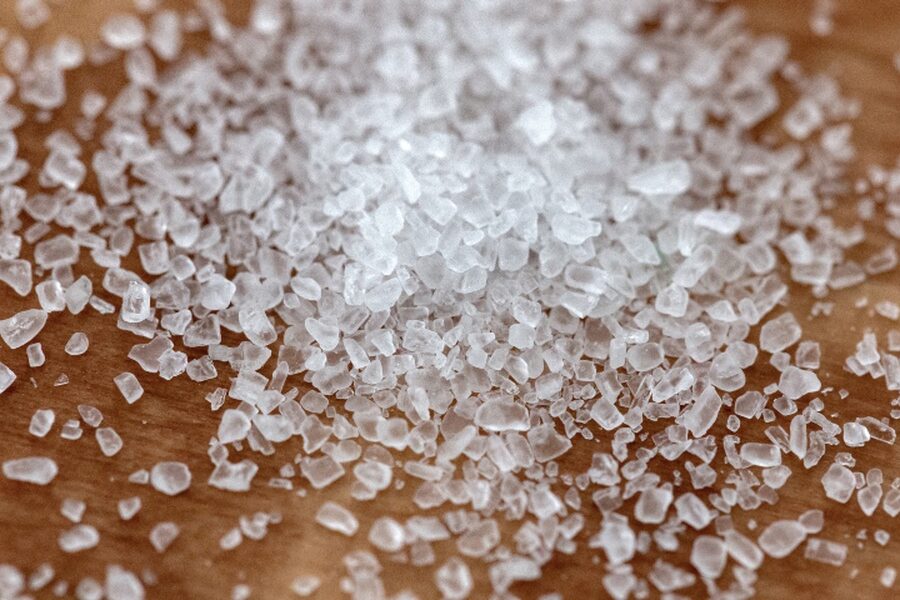
Common table salt used in cooking, food preservation and road de-icing. An essential ionic compound in biology and industry; handle normally but avoid high dietary intake and skin irritation from concentrated solutions.
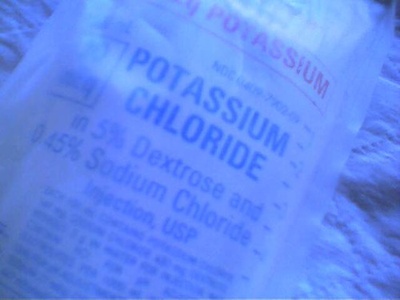
Potassium chloride
A potassium salt widely used as fertilizer and a low-sodium salt substitute. Also used in medicine for electrolyte replacement; excessive intake can affect heart rhythm.
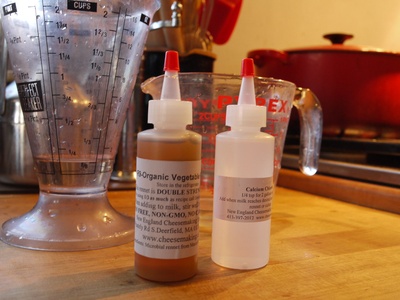
Calcium chloride
A highly soluble salt used for melting ice, controlling dust on roads, and as a drying agent. It’s hygroscopic and can cause burns on skin and corrosion on metal if concentrated.

Magnesium sulfate (Epsom salt)
Known as Epsom salt, this hydrated magnesium sulfate is used in baths, as a mild laxative and in gardening. It’s common in households; ingest only per medical guidance and avoid eye contact.
Sodium bicarbonate
Baking soda is a mild alkaline salt used in cooking, cleaning and for occasional heartburn relief. It reacts with acids to release carbon dioxide; generally safe in normal household use.
Sodium carbonate (washing soda)
Washing soda is a basic sodium salt used in cleaning, glass manufacture and water softening. It’s more alkaline than bicarbonate and can irritate skin and eyes if handled concentrated.
Sodium sulfate (Glauber’s-type)
A common industrial salt used in paper manufacturing, glass and detergents. It occurs naturally and is generally low-toxicity, though industrial handling requires standard precautions.
Potassium nitrate
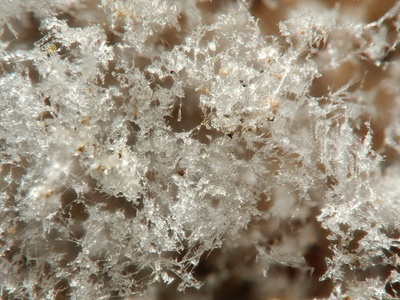
A nitrate salt used in fertilizers, curing meats and fireworks. It is a strong oxidizer and should be stored carefully; large quantities are hazardous in fire or explosive mixes.
Sodium nitrate
A very soluble nitrate used as fertilizer and oxidizing agent in industry and food curing. Nitrates can contribute to environmental eutrophication and should be handled to avoid contamination.
Ammonium chloride
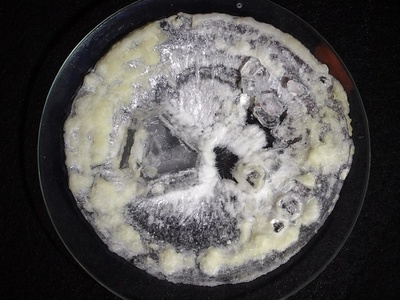
An ammonium salt used in fertilizers, some pharmaceuticals and as a metal-cleaning flux. It releases ammonium on dissolution and should be used with ventilation to avoid inhalation of dust.
Copper(II) sulfate (blue vitriol)
A bright blue hydrated copper salt used in agriculture, labs and electroplating. It’s toxic to aquatic life and can irritate skin; keep away from pets and waterways.
Calcium sulfate (gypsum)
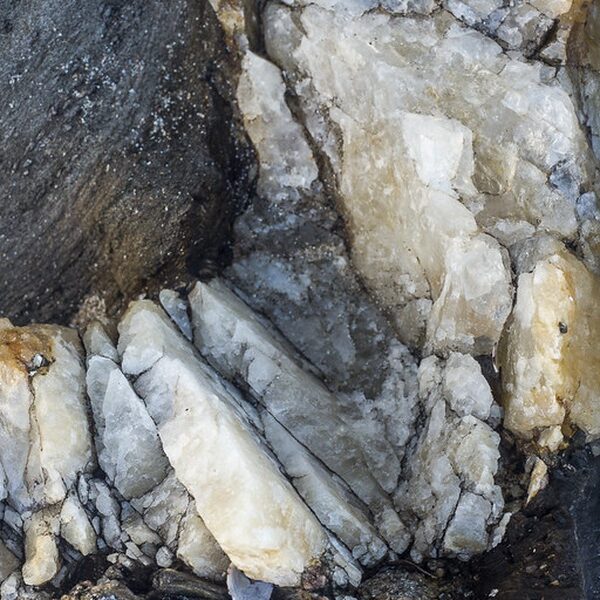
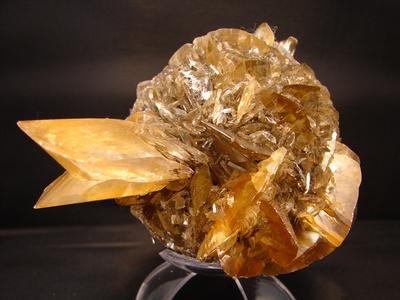
Gypsum is a common mineral used in plaster, drywall and cement. Sparingly soluble in water, it’s safe in building use but dusty gypsum can irritate lungs when airborne.
Calcium carbonate
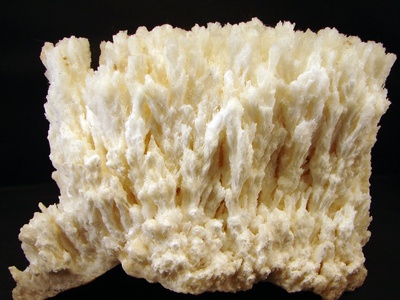
Calcium carbonate is the main component of chalk and limestone, used in antacids, construction and agriculture. It’s essentially insoluble in water and safe in everyday contexts, though dust and ingestion in excess have effects.
Silver chloride
A very poorly soluble silver salt historically important in photography and analytical tests. Insolubility makes it useful in precipitations; silver compounds can be toxic and stain skin on contact.
Barium sulfate
Insoluble and chemically inert, barium sulfate is used as an X-ray contrast agent and white pigment. Unlike soluble barium salts, it’s low-toxicity when ingested as a suspension for imaging.
Lead(II) nitrate
A highly soluble lead salt used in laboratories and formerly in pigments. Lead salts are toxic and require strict handling and disposal to prevent poisoning and environmental contamination.
Potassium carbonate
A highly soluble alkaline salt used in glassmaking, soap and as a weak base in chemical processes. It’s hygroscopic and can cause irritation; keep dry and handle with care.
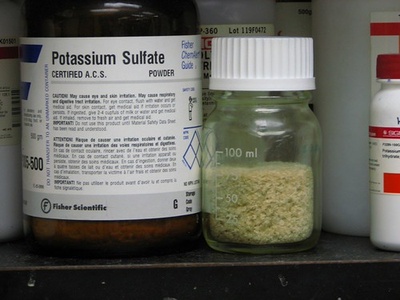
Potassium sulfate
A common fertilizer supplying potassium and sulfur, used in agriculture and some glass applications. It’s moderately soluble and safe for typical handling, though large amounts can affect soil chemistry.
Magnesium chloride
A hygroscopic, highly soluble salt used for road treatment, dust control and magnesium production. It attracts water and can corrode metals; handle with corrosion-resistant equipment.
Sodium fluoride
A fluoride salt used in dental health products and water fluoridation at controlled doses. Fluoride is beneficial at low levels but toxic in large amounts; use as directed.
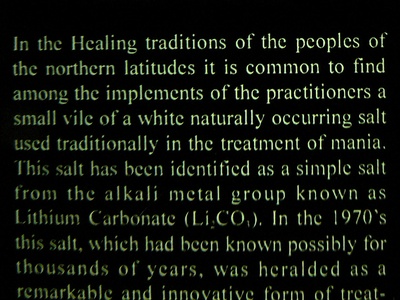
Lithium carbonate
An important pharmaceutical salt used to treat bipolar disorder, also used in ceramics and battery research. Therapeutic use requires medical supervision due to narrow therapeutic window and potential side effects.
Potassium bromide
A soluble bromide salt historically used in photography and as an anticonvulsant in veterinary medicine. It’s less common today but still used in specialized industrial applications.
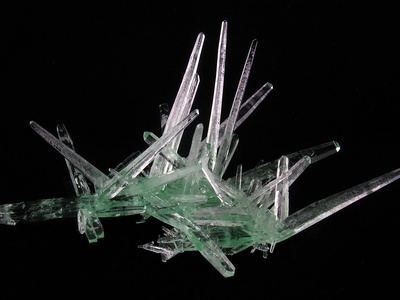
Alum (potassium alum)
Commonly called “alum,” this double salt is used in water treatment, food pickling and some personal care products. It’s mildly astringent and handled as a routine industrial chemical.
Sodium sulfate decahydrate (Glauber’s)
The hydrated form of sodium sulfate (Glauber’s salt) is used for thermal energy storage and in detergent manufacture. It’s a bulk industrial salt with low toxicity in normal uses.
Zinc sulfate
A soluble zinc salt used to correct zinc deficiency in agriculture and animal feed; also used in galvanizing and as a laboratory reagent. Zinc salts can be irritating in concentrated form.
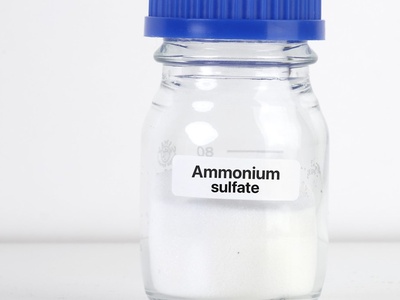
Ammonium sulfate
A widely used nitrogen fertilizer supplying ammonium and sulfate. It’s inexpensive and common in agriculture; avoid excessive application to prevent soil acidification and runoff issues.
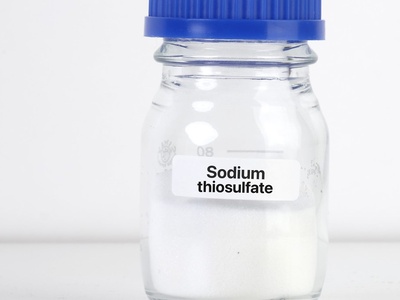
Sodium thiosulfate
Used in photographic fixing and to neutralize chlorine in water, sodium thiosulfate is a versatile, relatively safe salt. It’s soluble and commonly used in environmental and lab applications.
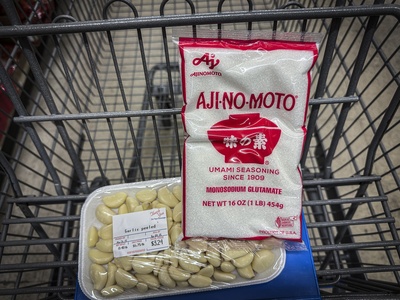
Monosodium glutamate (MSG)
A sodium salt of glutamic acid widely used to enhance savory flavors in cooking. Generally recognized as safe in typical culinary amounts, though some people report sensitivity symptoms.
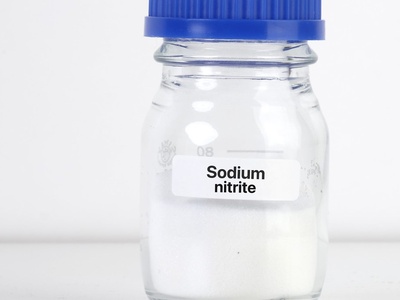
Sodium nitrite
A reactive nitrite salt used in meat curing and corrosion control. Effective at low concentrations but can form nitrosamines if mishandled; regulatory limits and careful processing are important.