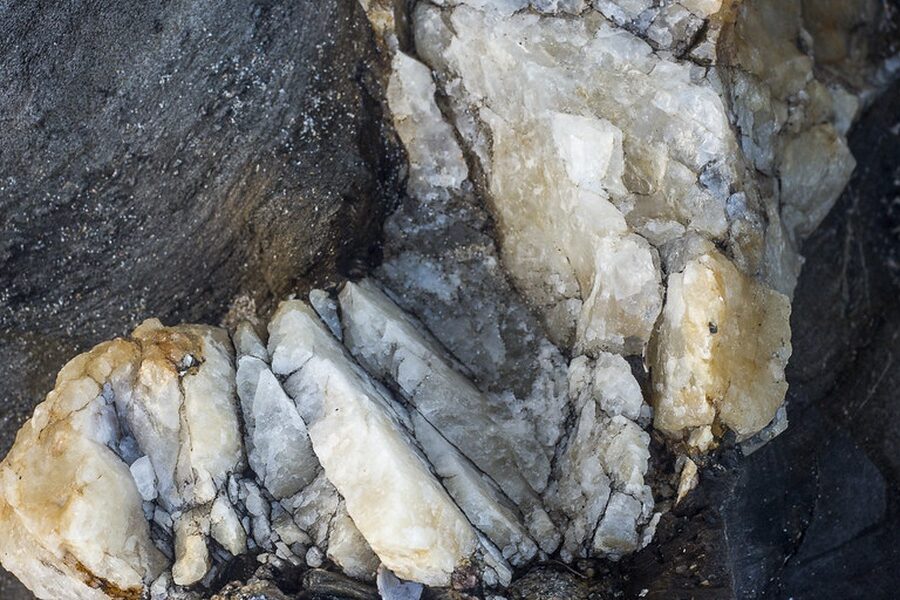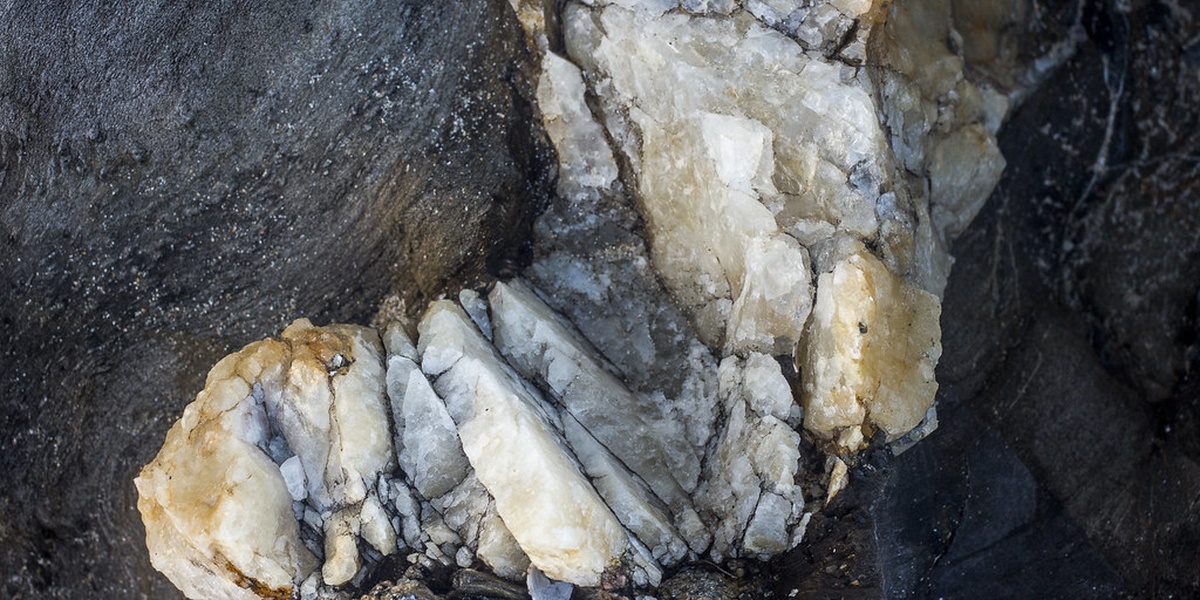
Palau’s islands combine limestone karsts, uplifted reef terraces and volcanic remnants, creating a compact but varied geological setting. Local rocks and soils host a surprising assortment of minerals that tie into the islands’ natural history and small-scale uses.
There are 19 Minerals in Palau, ranging from Apatite to Quartz. For each entry you’ll find below the information organized by Mineral class,Location (Palau),Use / significance so you can see where each occurs and why it matters; you’ll find below the complete list and notes for reference.
Are any of these minerals protected or restricted from collection in Palau?
Yes — many coastal and reef areas are protected for ecological and cultural reasons, and removing minerals from national parks or protected marine zones can be illegal; always check Palau’s local regulations and obtain permissions before collecting, and prioritize non-destructive study like photography or sampling with a permit.
Where can I view documented samples or learn more about these minerals in Palau?
Museum collections, university departments in the region, and published surveys are the best starting points; contacting Palau’s environmental or cultural agencies can point you to curated specimens and recent field reports, while online databases and the list you’ll find below provide locality and usage details for each mineral.
Minerals in Palau
| Name | Mineral class | Location (Palau) | Use / significance |
|---|---|---|---|
| Calcite | Carbonate | Babeldaob limestone, Rock Islands | Primary rock-forming mineral; karst landscapes |
| Aragonite | Carbonate | Lagoonal sediments, reef-derived limestones | Common carbonate in modern reef sediments and shells |
| Quartz | Silicate (tectosilicate) | Beach sands, river gravels, weathered volcanic rocks | Common durable mineral in sands and sediments |
| Plagioclase | Silicate (feldspar) | Basaltic lavas and tuffs on volcanic islands | Major igneous mineral in volcanic rocks |
| Pyroxene (augite) | Silicate (inosilicate) | Volcanic flows and pyroclastic units | Typical mafic igneous mineral in basalts |
| Olivine | Silicate (nesosilicate) | Mafic lavas and xenoliths on volcanic islands | Accessory in basalts; petrogenetic indicator |
| Magnetite | Oxide | Basaltic rocks, heavy mineral sands | Iron oxide; magnetic mineral in basalts |
| Ilmenite | Oxide (titanium-iron) | Volcanic rocks and beach heavy mineral concentrates | Source of titanium and heavy minerals in sands |
| Hematite | Oxide | Lateritic soils and weathered rock surfaces | Iron oxide in soils; red soils and staining |
| Goethite | Oxide-hydroxide | Laterites, tropical soils and saprolite | Common iron oxyhydroxide in tropical weathering |
| Gibbsite | Hydroxide (aluminium) | Weathered soils and saprolite on larger islands | Indicator of intense bauxite-forming weathering |
| Kaolinite | Clay mineral | Surface soils, weathered limestone and volcanic soils | Common clay in soils; pottery and soil studies |
| Montmorillonite | Clay mineral (smectite) | Alluvial and lagoonal fine sediments | Swelling clay; influences sediment behavior |
| Chlorite | Clay/iferous silicate | Altered volcanic rocks and low-grade metamorphic zones | Common alteration mineral in basalts |
| Pyrite | Sulfide | Reducing marine sediments, volcanic-hosted sulphidic zones | Common sulfide in sediments and altered rocks |
| Barite | Sulfate (sulfate mineral) | Marine sediments, possible hydrothermal settings in EEZ | Tracer of marine and hydrothermal processes |
| Apatite | Phosphate mineral | Minor in igneous rocks and sedimentary phosphatic nodules | Phosphate source; geological and scientific interest |
| Pyroxenite/Accessory pyroxenes (enstatite) [Accessory mineral] | Silicate (pyroxene group) | Mantled xenoliths and mafic intrusions | Scientific petrology interest only |
| Manganese nodules / ferromanganese crusts | Marine nodule/crust (manganese oxides) | Palau EEZ seamounts and abyssal slopes | Potential critical metals; scientific and resource interest |
Images and Descriptions

Calcite
Calcite dominates Palau’s uplifted limestone, forming caves, cliffs and karst. It occurs in bedrock and sediments, records reef-building history, and shapes freshwater and landscape features important for science, tourism and groundwater studies.
Aragonite
Aragonite is a polymorph of calcium carbonate abundant in Palau’s reef-derived sands and modern sediments. It records recent marine deposition, contributes to white beaches, and is important for studies of ocean chemistry and reef health.
Quartz
Quartz grains are widespread in Palau’s beaches and stream deposits, derived from volcanic and older sediments. They form white sands, are indicators of erosion and provenance, and are useful for geological mapping and sediment studies.
Plagioclase
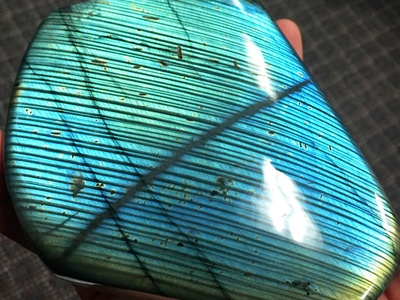
Plagioclase feldspar is a principal mineral in Palau’s volcanic basement rocks. It records magma composition and cooling history, is common in hand specimen basalts, and helps geologists interpret volcanic processes and island formation.
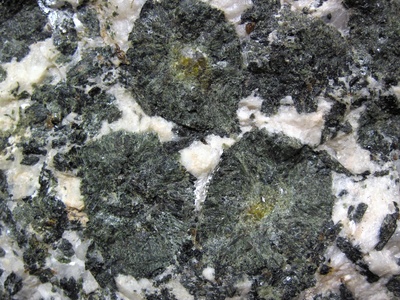
Pyroxene (augite)
Augite and related pyroxenes occur in Palau’s mafic volcanics, forming dark, blocky crystals. They indicate volcanic rock chemistry and crystallization conditions, valuable for petrology and mapping volcanic units.
Olivine
Olivine appears as greenish crystals in some volcanic rocks, signaling relatively primitive magmas. Its presence helps reconstruct mantle-derived magmatism and volcanic history of Palau’s island arc.
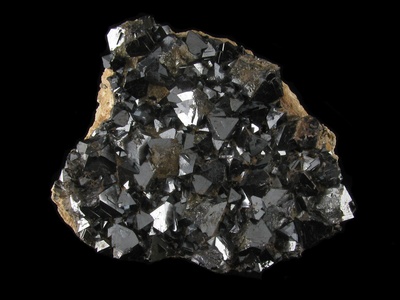
Magnetite
Magnetite occurs as accessory oxide in volcanic rocks and concentrated in heavy mineral sands. It’s used for paleomagnetic studies, mineral separation, and helps trace volcanic provenance in sedimentary deposits.
Ilmenite
Ilmenite is found in Palau’s mafic rocks and concentrated in some beach sands. As a dense titanium-iron oxide, it’s notable in heavy-mineral studies and could interest resource assessments at small scales.
Hematite
Hematite forms during tropical weathering on Palau’s islands, producing red soils and coatings. It’s a marker of intense weathering, important for soil studies, landscape evolution, and local groundwater chemistry.
Goethite
Goethite is abundant in Palau’s weathered profiles, contributing to lateritic iron-rich horizons. It influences soil properties, colors landscapes, and records tropical alteration of volcanic and carbonate substrates.
Gibbsite
Gibbsite appears in intensely weathered saprolite on larger islands, indicating advanced aluminum leaching. While not mined commercially in Palau, it’s significant for understanding tropical geochemical cycling and soil development.
Kaolinite
Kaolinite is prevalent in Palau’s tropical soils derived from limestone and volcanics. It affects soil fertility and drainage, is culturally relevant for traditional crafts elsewhere, and aids interpretations of weathering processes.
Montmorillonite
Montmorillonite occurs in fine sediments and lagoonal muds, affecting sediment cohesion and engineering properties. Its presence matters for coastal stability, sediment diagenesis studies, and benthic habitat characterization.
Chlorite
Chlorite forms during low-temperature alteration of Palau’s volcanic rocks, marking hydrothermal or weathering processes. It helps reconstruct alteration histories and fluid-rock interactions on volcanic islands.
Pyrite
Pyrite is found in anoxic marine sediments and localized sulfide zones in altered volcanic units. It records redox conditions, can oxidize to form acid drainage locally, and is important for geochemical studies.
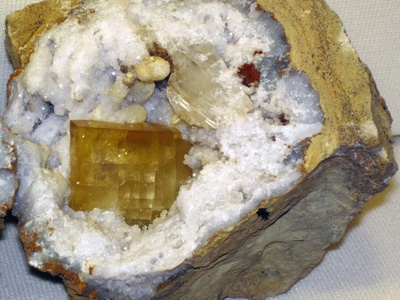
Barite
Barite occurs as heavy grains in marine sediments and locally near hydrothermal inputs. It’s used to study sediment provenance, ocean chemistry, and past productivity in Palau’s seas.

Apatite
Apatite occurs as accessory crystals in igneous rocks and in small phosphatic nodules in sediments. It’s relevant for nutrient cycling studies and as an indicator of localized phosphate enrichment.
Pyroxenite/Accessory pyroxenes (enstatite) [Accessory mineral]
Enstatite and other pyroxenes occur as accessory minerals in certain mafic xenoliths and intrusive rocks. They provide clues to mantle processes and magma evolution beneath Palau’s volcanic islands.
Manganese nodules / ferromanganese crusts
Polymetallic manganese nodules and ferromanganese crusts have been reported in Palau’s deeper EEZ. They concentrate manganese, cobalt, nickel and rare metals, attracting scientific mapping and potential resource interest while remaining largely unexploited.