Climate influences everything from agriculture and architecture to the rhythms of daily life, so a clear sense of climate categories helps make sense of regional differences. Whether you’re planning a trip, studying ecosystems, or comparing long-term weather patterns, a concise list of zones makes comparisons faster and more reliable.
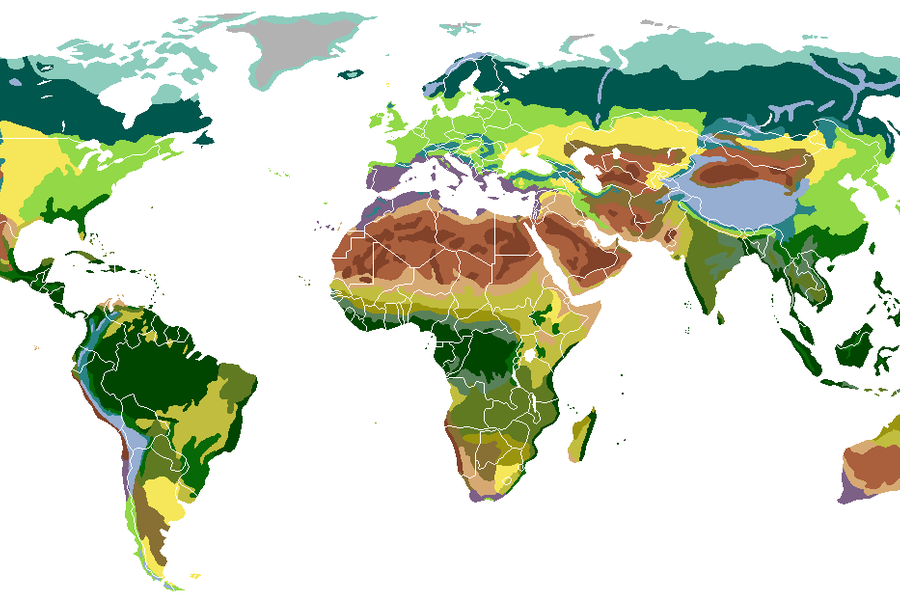
There are 20 Examples of Climate Zones, ranging from Alpine/highland to Tundra. Data are organized with Köppen code,Example locations,Typical climate (°C, mm/yr) so you can quickly see the standard classification, representative places, and average temperature and precipitation — you’ll find below.
How do Köppen codes summarize different climate zones?
Köppen codes compress climate patterns into short labels based on temperature and precipitation thresholds and seasonal patterns; the first letter gives the broad group (tropical, arid, temperate, continental, polar, highland), and following letters refine wet/dry seasons and temperature ranges, letting you compare regions at a glance.
What’s the best way to compare two zones from the list?
Compare their Köppen codes, then look at Example locations and the Typical climate (°C, mm/yr) columns to assess average temperature and precipitation; also consider elevation and seasonality notes to understand local differences beyond the averages.
Examples of Climate Zones
| Zone name | Köppen code | Example locations | Typical climate (°C, mm/yr) |
|---|---|---|---|
| Tropical rainforest | Af | Amazon Basin (Manaus), Congo Basin (Kinshasa), Southeast Asia (Kuala Lumpur) | 25–27°C, 2,000–5,000 mm/yr |
| Tropical monsoon | Am | Indian subcontinent (Mumbai), Western Africa (Monrovia), Southeast Asia (Bangkok) | 25–27°C, 1,500–3,500 mm/yr |
| Tropical savanna | Aw | East Africa (Nairobi), Brazil (Brasília), Northern Australia (Darwin) | 22–28°C, 600–1,500 mm/yr |
| Hot desert | BWh | Sahara (Cairo region), Arabian Peninsula (Riyadh), Australia’s interior (Alice Springs) | 20–30°C, 25–250 mm/yr |
| Cold desert | BWk | Central Asian deserts (Karakum), Great Basin (Reno), Patagonian rain shadow (parts) | 0–15°C, 50–300 mm/yr |
| Hot semi-arid (steppe) | BSh | Sahel (Niamey), Indian plains (Hyderabad), parts of Australia (Port Augusta) | 20–28°C, 300–700 mm/yr |
| Cold semi-arid (steppe) | BSk | Great Plains (Denver), Central Asia (Almaty), Patagonian steppe (Neuquén) | 5–15°C, 200–500 mm/yr |
| Mediterranean hot-summer | Csa | Southern Spain (Seville), California coast (Los Angeles — parts), Mediterranean Basin (Athens) | 15–20°C, 400–800 mm/yr |
| Mediterranean warm-summer | Csb | Coastal Portugal (Porto), Pacific Northwest islands (parts of Oregon/Vancouver Island), Northern Spain (Santander) | 10–16°C, 500–1,200 mm/yr |
| Humid subtropical | Cfa | Southeastern US (Atlanta), eastern China (Shanghai), eastern Australia (Sydney) | 15–22°C, 1,000–2,000 mm/yr |
| Oceanic | Cfb | Western Europe (London), New Zealand (Wellington), Pacific Northwest (Seattle) | 8–16°C, 700–2,000 mm/yr |
| Humid continental hot-summer | Dfa | Northeastern US (New York), Eastern Europe (Bucharest), Midwest US (Chicago) | 8–12°C, 600–1,200 mm/yr |
| Humid continental warm-summer | Dfb | Central/Eastern Canada (Toronto region), Northern Europe (Helsinki area), Northeast US higher latitudes | 4–10°C, 500–1,200 mm/yr |
| Subarctic (boreal) | Dfc | Siberia (Yakutsk), Canada (Yellowknife), Scandinavia interior (Oulu) | -5–3°C, 200–600 mm/yr |
| Tundra | ET | Arctic coast (Barrow), Svalbard (Longyearbyen), high Arctic islands | -10–2°C, 100–400 mm/yr |
| Ice cap | EF | Antarctica interior, Greenland ice sheet | -30 to -10°C, <200 mm/yr |
| Alpine/highland | H | Tibetan Plateau (Lhasa), Swiss Alps (Zermatt), Ethiopian Highlands (Addis Ababa) | 0–10°C, 500–2,000 mm/yr |
| Monsoon-influenced humid subtropical | Cwa | Northern India (Delhi), East China inland (Wuhan), Northern Vietnam (Hanoi region) | 18–24°C, 800–1,600 mm/yr |
| Subtropical highland (dry winter) | Cwb | Mexico City, Ethiopian Highlands (Addis Ababa), parts of Bolivia (La Paz region) | 10–18°C, 600–1,200 mm/yr |
| Cold continental dry winter (monsoon-influenced) | Dwa | Northeast China (Beijing area), Korea (Seoul outskirts), Manchuria regions | 5–12°C, 400–800 mm/yr |
Images and Descriptions
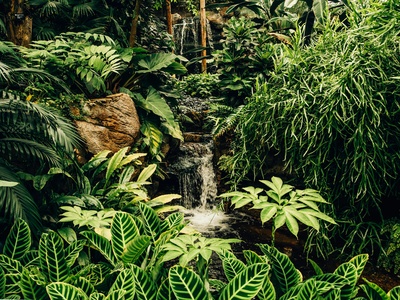
Tropical rainforest
Warm, very wet climate with year-round heavy rainfall and little temperature variation. Found near the equator with dense evergreen forests, very high humidity, and frequent thunderstorms. These zones support exceptional biodiversity and year-round plant growth.
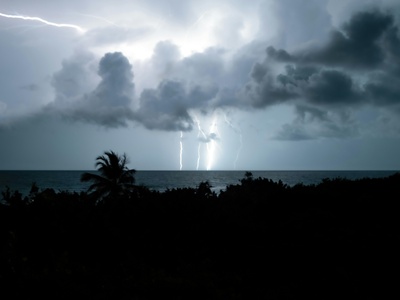
Tropical monsoon
Seasonal tropical climate with a short dry season and a very wet monsoon phase. Temperatures stay warm year-round; rainfall is intense during the wet season, driving rice cultivation and seasonal flooding in many regions.
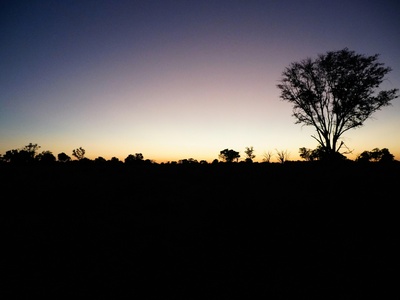
Tropical savanna
Marked wet and dry seasons with warm to hot temperatures year-round. Grasslands with scattered trees dominate; the dry season can be prolonged and fires or grazing shape the landscape. The wet season brings concentrated heavy rains.
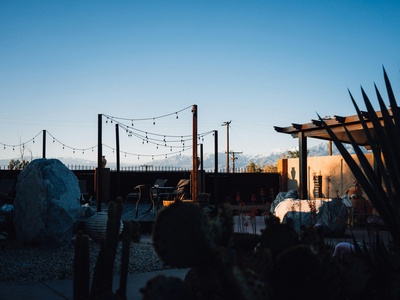
Hot desert
Extremely arid climate with very low rainfall, high daytime temperatures, and large daily temperature swings. Vegetation is sparse; water scarcity defines ecosystems, and human settlements rely on oases or irrigation.
Cold desert
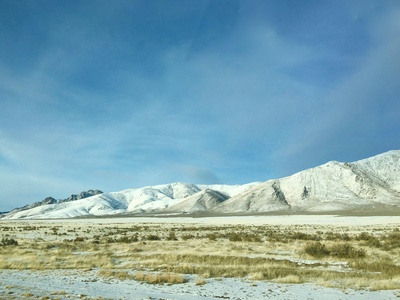
Arid regions with colder winters and low annual precipitation. Summers can be warm but evaporation is lower than in hot deserts; vegetation is limited and winters may bring frost or light snow.
Hot semi-arid (steppe)
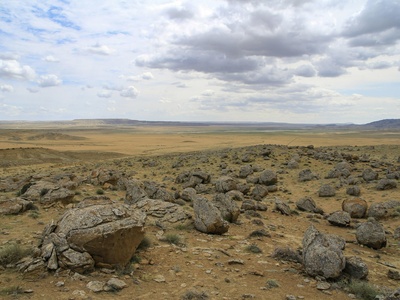
Transitional climate between deserts and wetter zones with sparse grasses and shrubs. Rainfall is seasonal and limited, supporting pastoralism and drought-adapted agriculture. Often found on desert margins and supports nomadic grazing.
Cold semi-arid (steppe)
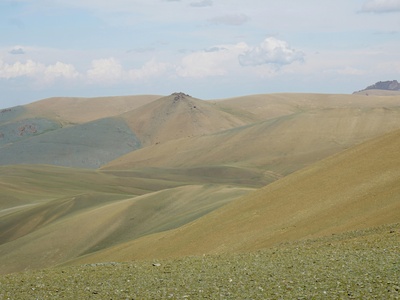
Dry plains with cold winters and modest summer rainfall. Vegetation is mostly grassland or scrub; climates support cereal farming and grazing where moisture allows, with notable temperature seasonality.
Mediterranean hot-summer
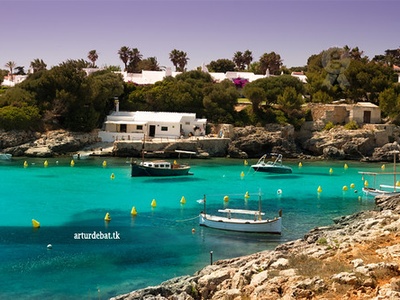
Warm to hot, dry summers and mild, wet winters. Famous for olive groves and vineyards, this climate supports summer drought-adapted vegetation and highly seasonal water availability, shaping agriculture and settlement patterns.
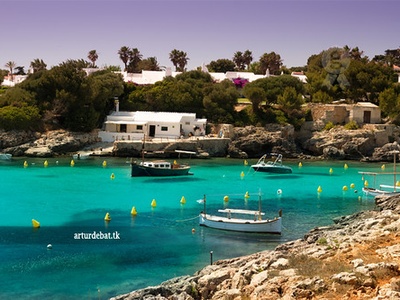
Mediterranean warm-summer
Milder variant of Mediterranean climate with warm (not hot) summers and cool, wet winters. Common along cooler coasts and higher elevations; supports diverse agriculture, forestry, and year-round human habitation.
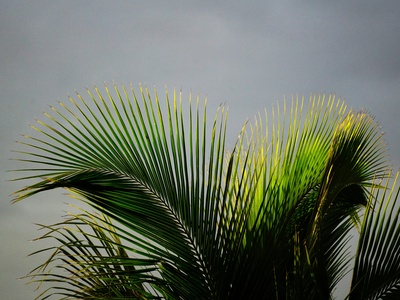
Humid subtropical
Hot, humid summers and mild winters with year-round precipitation. Supports broadleaf forests and intensive agriculture, and is prone to summer thunderstorms and occasional tropical cyclone impacts on coasts.
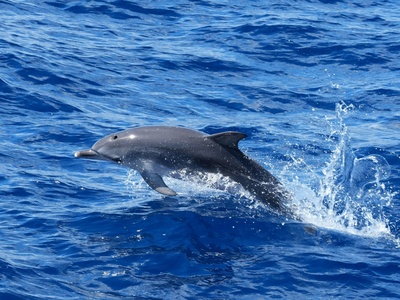
Oceanic
Temperate climate with cool summers, mild winters, and evenly distributed rainfall throughout the year. Weather is changeable but moderate, and maritime influences moderate extremes, supporting mixed forests and productive agriculture.

Humid continental hot-summer
Large seasonal temperature swings with hot summers and cold winters. Precipitation is moderate and often concentrated in summer; supports fertile farming regions, deciduous forests, and seasonally varied lifestyles.
Humid continental warm-summer
Cold winters and warm (not hot) summers with noticeable seasonality. Snow is common; landscapes include mixed forests and productive agriculture where growing seasons allow, and rural land use patterns reflect the seasons.
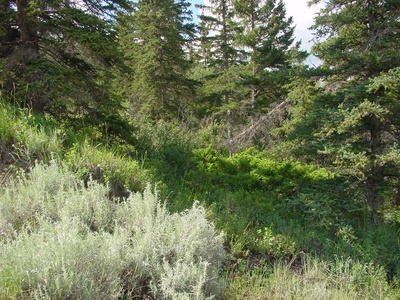
Subarctic (boreal)
Very cold winters and short, cool summers with low to moderate precipitation, mostly snow in winter. Dominated by boreal forests (taiga), limited growing seasons, and ecosystems adapted to long winters.
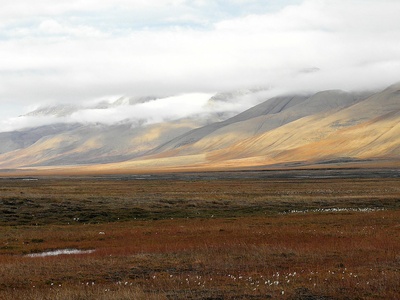
Tundra
Cold, treeless regions where the warmest month averages below 10°C. Permafrost is common, vegetation is low-growing (mosses, lichens), soils often waterlogged in summer, and wildlife is adapted to short growing seasons.
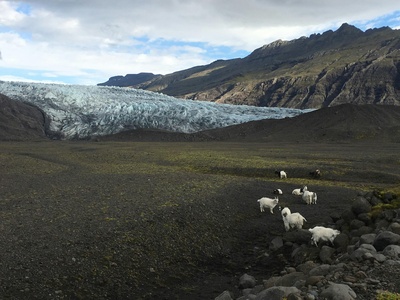
Ice cap
Perennially frozen regions with extremely low temperatures year-round and tiny amounts of precipitation, mostly as snow. Ice coverage prevents vegetation; these areas are climatologically harsh, isolated, and critical for global ice storage.
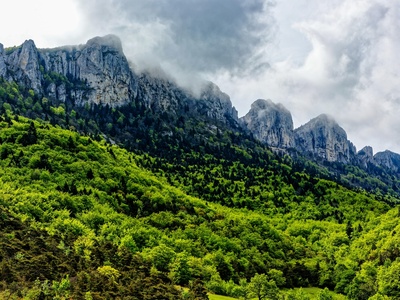
Alpine/highland
High-elevation climates that vary rapidly with altitude; generally cooler and often wetter than surrounding lowlands. Conditions depend on elevation and exposure, producing distinct mountain ecosystems and rapidly changing weather.
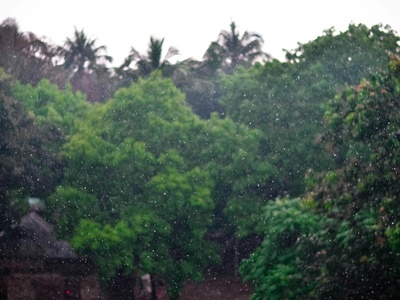
Monsoon-influenced humid subtropical
Hot summers with heavy monsoon rains and drier winters. Like Cfa but with a pronounced winter dry season; agriculture depends on the monsoon and regions can face seasonal flooding and humid heat.
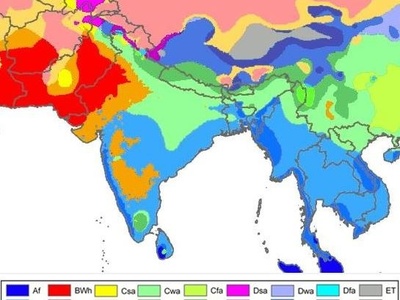
Subtropical highland (dry winter)
Mild temperatures year-round due to elevation, with a distinct dry winter and wet summer. Common in tropical latitudes at altitude, offering spring-like climates, coffee and horticulture, and diverse mountain communities.
Cold continental dry winter (monsoon-influenced)
Strong seasonality with hot, wet summers and cold, dry winters driven by continental and monsoon influences. Snow is possible in winter; summers can be humid and prone to storms and heavy rainfall.