Ireland’s bogs, rivers, rugged coastlines and lowlands have long shaped what the island produces and how people live. From traditional peatlands and rich fishing grounds to mineral deposits and fertile soils, Ireland’s natural endowments are tied to geology, climate and centuries of uses that still matter today.
There are 24 Natural Resources of Ireland, ranging from Atlantic salmon (wild) to Zinc. For each entry you’ll find below concise details organized as Category,Main locations,Importance / scale so you can see what the resource is, where it occurs and how significant it is locally or nationally — you’ll find below the full list with those columns.
How should I read the Importance / scale column to understand a resource’s role?
Importance / scale indicates relative economic or ecological significance: local (important to specific communities), regional (affecting provinces or larger areas), or national (major contributor). Use it with Main locations to judge availability and Category to see if a resource is biological, mineral or land-based.
Are any resources on the list subject to conservation or strict regulation?
Yes — several, especially wild species and peatlands, have protections or management plans; fisheries like Atlantic salmon (wild) face conservation measures, and minerals like Zinc are regulated for environmental impact. Check current government and NGO sources for legal status and sustainable-use guidance.
Natural Resources of Ireland
| Resource | Category | Main locations | Importance / scale |
|---|---|---|---|
| Peat | Energy | Midlands, Shannon Basin, Offaly, Galway | Major historically, commercial reduced |
| Natural gas | Energy | Offshore Corrib (Co. Mayo), Kinsale (Cork) basin | Commercial (Corrib field), limited remaining |
| Onshore wind | Energy | Nationwide, strong in Donegal, Mayo, Galway, Midlands | Major renewable resource, several gigawatts installed |
| Offshore wind resource | Energy | Atlantic and Celtic Sea coasts, Cork, Mayo, Galway | Very large potential, development underway |
| Tidal and wave energy | Energy | West coast (Donegal, Mayo, Clare, Galway) | High potential, pilot projects active |
| Zinc | Mineral | Navan/Tara (Co. Meath), Midlands | Major commercial, Tara Europe’s large producer |
| Lead | Mineral | Associated with Tara Mine and Midlands deposits | Commercial co-product with zinc |
| Barite | Mineral | Counties Donegal, Monaghan and other locales | Significant historical and local producer |
| Limestone (limestone/dolomite) | Mineral | Kilkenny, Clare, Cork, Midlands | Major quarried resource, widely used |
| Sand & gravel (aggregates) | Mineral | Nationwide, river valleys, coastal deposits | Major construction resource, locally quarried |
| Gypsum | Mineral | Monaghan, Carlow, Wexford regions | Commercial for plaster and cement |
| Copper | Mineral | Avoca (Wicklow), Allihies (Cork) historic sites | Minor/historical production, local deposits |
| Silver | Mineral | Associated with zinc-lead veins (Tara area) | Minor co-product from base-metal ores |
| Dimension stone (Connemara marble, granite) | Mineral | Connemara (Co. Galway), Kilkenny, Cork | Local ornamental and building stone |
| Sea salt | Marine | Coastal producers in Cork, Donegal, west coast | Minor artisanal and commercial production |
| Mackerel | Marine | Atlantic shelf, west and southwest coasts | Major commercial fishery and export |
| Nephrops (Norway lobster) | Marine | West, southwest and south coasts | High-value commercial crustacean fishery |
| Shellfish (mussels, oysters, scallops) | Marine | Galway Bay, West Coast, Cork | Commercial aquaculture and wild fisheries |
| Seaweed (kelp and macroalgae) | Marine | West coast: Galway, Kerry, Donegal | Growing commercial use in food, cosmetics, feed |
| Atlantic salmon (wild) | Biological | River systems: Shannon, Boyne, Bann, west coast rivers | Culturally and economically important, stocks vulnerable |
| Commercial forestry (Sitka spruce plantations) | Biological | Munster, Connacht, Donegal, Co. Wicklow | Significant plantation forests, increasing cover |
| Peat bogs (ecosystem services) | Biological | Midlands, west and upland bogs nationwide | Major carbon stores and biodiversity habitats |
| Fertile grassland (pasture soils, “Golden Vale”) | Soil | Golden Vale (Tipperary, Limerick), Kildare, Carlow | Major agricultural resource for dairy and beef |
| Freshwater (rivers, lakes, Lough Neagh, Shannon) | Biological | Shannon basin, Lough Neagh, national rivers | Major source of water, fisheries and biodiversity |
Images and Descriptions

Peat
Peat is partially decomposed plant matter harvested from bogs in Offaly and elsewhere; it powered electricity and domestic heating, with reduced commercial extraction and increased conservation due to carbon and biodiversity concerns and ongoing restoration programmes.
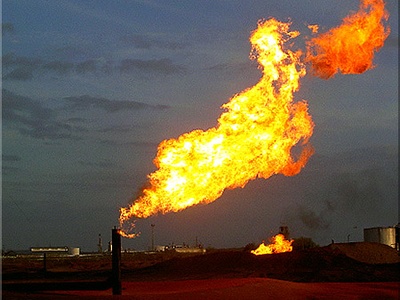
Natural gas
Natural gas from offshore Corrib supplies domestic industry and power since 2015; older Kinsale Head is largely depleted. Gas remains important for heating and electricity while Ireland seeks lower-carbon alternatives.
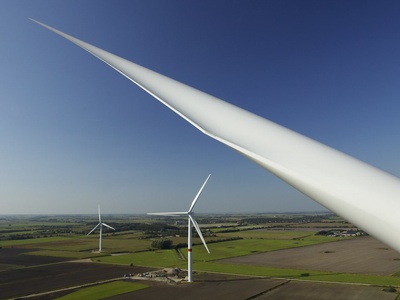
Onshore wind
Ireland’s windy landscapes host onshore turbines supplying several GW of electricity; wind is a leading renewable, supporting emissions reductions though grid upgrades and community engagement remain key sustainability issues.
Offshore wind resource
Ireland’s Atlantic shelf offers vast offshore wind potential measured in tens of gigawatts; projects are progressing, promising clean power and jobs while requiring careful marine planning and environmental assessment.
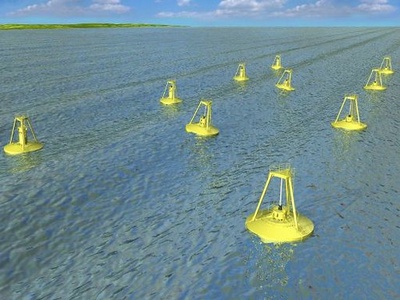
Tidal and wave energy
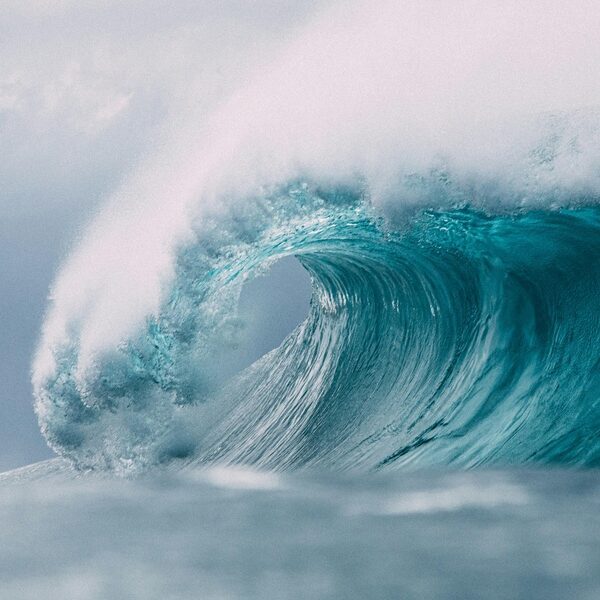
Powerful Atlantic tides and waves offer renewable energy potential; demonstration projects exist but commercial deployment is limited, with environmental impact, costs and technology scaling as main challenges.
Zinc
Zinc is mined at Tara Mine in Meath and used in galvanizing and alloys; it’s a cornerstone of Ireland’s mining sector, with production and exports significant though subject to market and sustainability practices.
Lead
Lead occurs with zinc in Ireland’s ore bodies; historically important and produced as a co-product at major mines, it requires careful environmental management and recycling-focused end use.
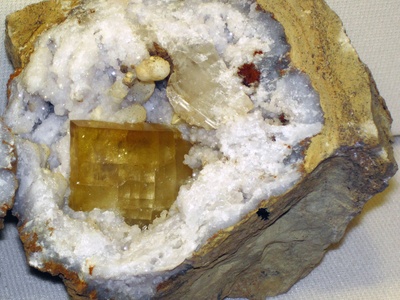
Barite
Barite (barium sulfate) has been extracted in parts of Donegal and Monaghan for use in oil-well drilling fluids and industrial applications; production fluctuates with global demand and local geology.
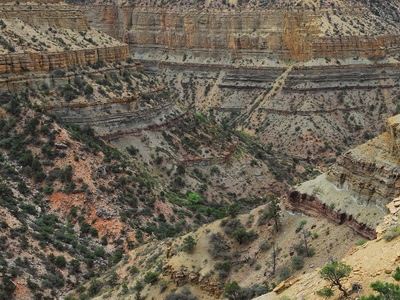
Limestone (limestone/dolomite)
Extensive limestone and dolomite outcrops supply aggregates, cement, agricultural lime and construction stone; quarries are economically important but require landscape and habitat mitigation.
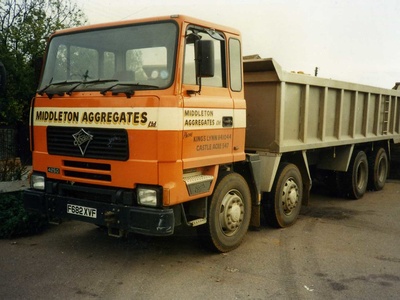
Sand & gravel (aggregates)
Glacial and riverine sand and gravel fuel construction across Ireland, supplying roads and buildings; local extraction is essential but managed for flood and habitat impacts.
Gypsum
Gypsum deposits are quarried for plaster and construction materials in eastern and southeastern counties; it’s an important local raw material with straightforward processing and recycling options.
Copper
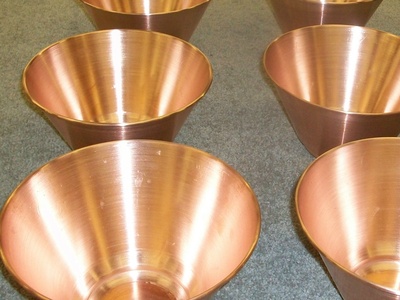
Copper has a long mining history at Avoca and Allihies; present-day production is minimal but historic sites are economically and culturally significant, with potential for small-scale exploration.
Silver
Silver occurs as a by-product of zinc and lead mining, adding value to ore production; its recovery supports mining economics though volumes are modest.
Dimension stone (Connemara marble, granite)
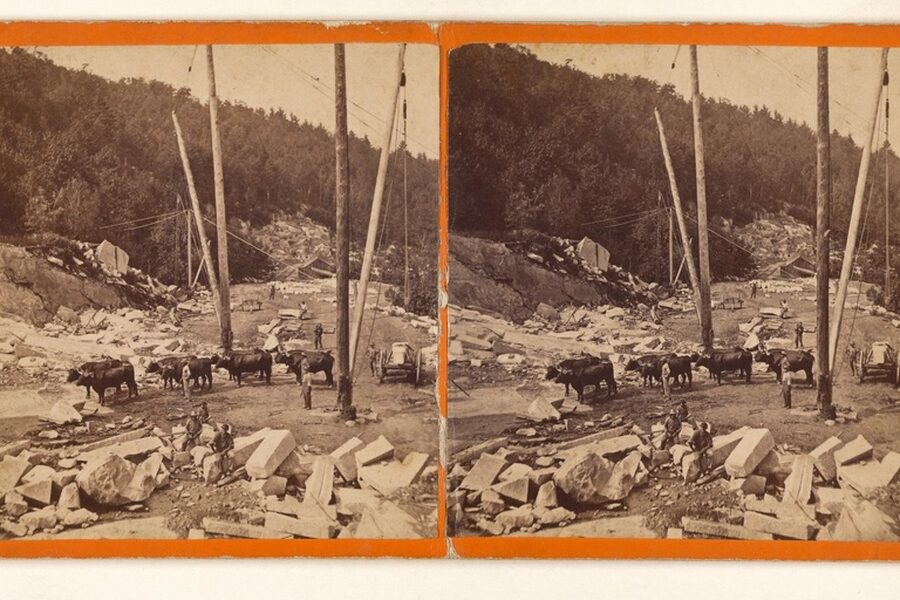
Connemara marble, granite and other dimension stones are quarried for tiles and monuments; they have cultural value and niche markets, with quarrying managed for heritage and landscape impacts.
Sea salt
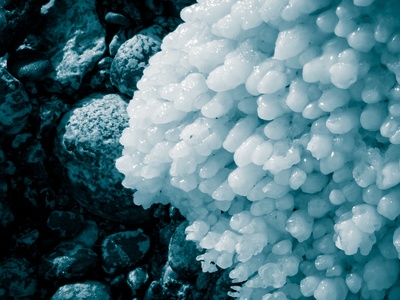
Sea salt harvested from coastal waters and small evaporative operations supplies culinary and cosmetic markets; production is low-volume, locally branded, and offers sustainable low-impact harvesting when responsibly managed.
Mackerel
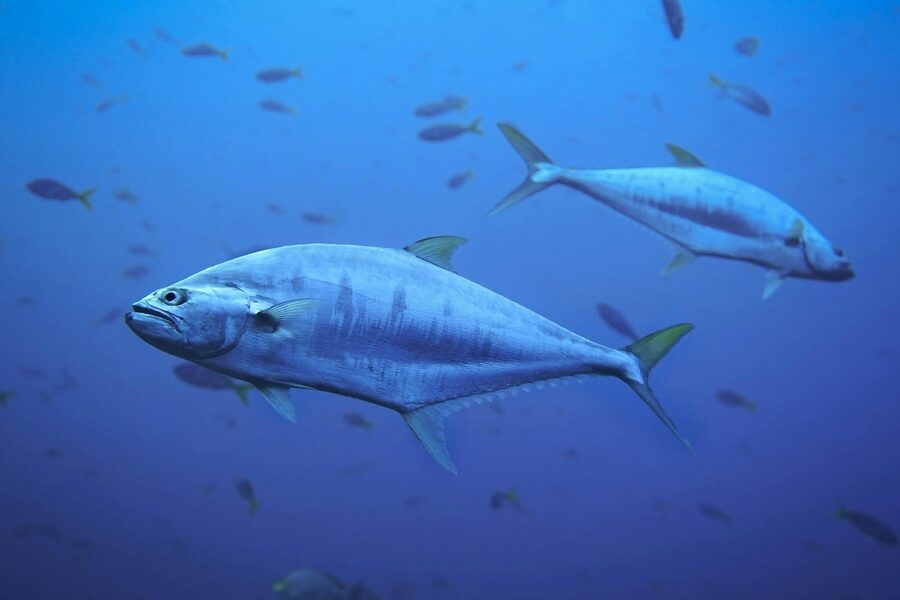
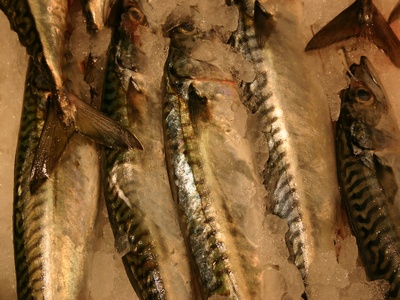
Mackerel supports large coastal fleets and exports from Ireland’s west coast; sustainable quotas and seasonal management are central to long-term stock health and fishing community livelihoods.
Nephrops (Norway lobster)
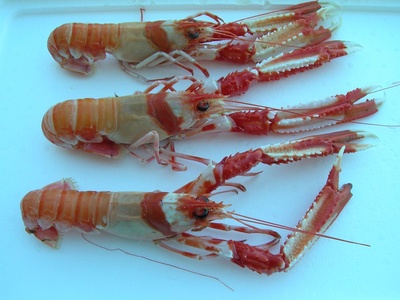
Nephrops (langoustine) grounds off the west coast are economically important for small-vessel fisheries, with stock assessments and gear management aimed at sustainable yields.
Shellfish (mussels, oysters, scallops)
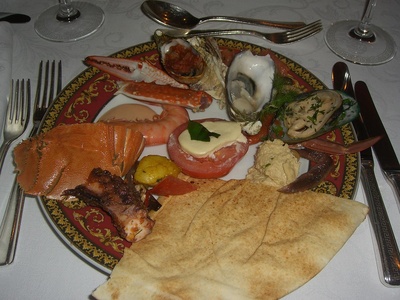
Mussels, oysters and scallops are farmed and wild-harvested along sheltered bays; aquaculture provides stable jobs and low-carbon protein, with water quality and habitat stewardship essential.
Seaweed (kelp and macroalgae)
Wild and harvested kelp species are collected for food, alginates and fertilizers; markets are expanding but sustainable harvesting limits and cultivation are important to protect shore ecosystems.
Atlantic salmon (wild)
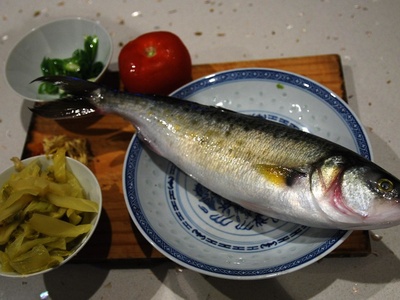
Wild salmon return to Irish rivers for angling and ecological value; populations have declined, prompting habitat restoration and fishery controls to support recovery and sustainable angling tourism.
Commercial forestry (Sitka spruce plantations)
Commercial conifer plantations, dominated by Sitka spruce, supply timber and biomass; reforestation boosts carbon sequestration but native biodiversity and mixed-species efforts are growing priorities.
Peat bogs (ecosystem services)
Peat bogs are vital carbon sinks and unique habitats across Ireland; conservation and restoration reduce emissions and protect wildlife while impacting traditional turf-cutting practices and local economies.
Fertile grassland (pasture soils, “Golden Vale”)
Rich pasture soils in the Golden Vale and other lowlands underpin Ireland’s dairy and beef sectors; sustainable soil management maintains productivity and reduces runoff and emissions.
Freshwater (rivers, lakes, Lough Neagh, Shannon)
Ireland’s rivers and lakes provide drinking water, freshwater fisheries and recreation; maintaining water quality and ecological flows is key to public health, biodiversity and agriculture.