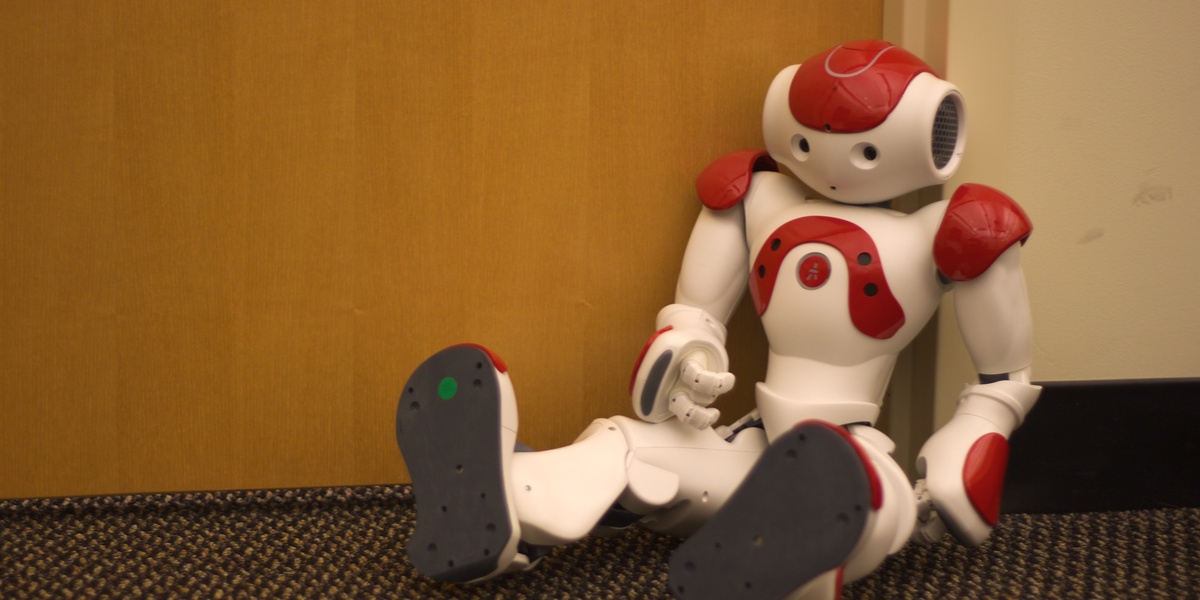
When Karel Čapek’s 1920 play R.U.R. first introduced the word “robot,” audiences imagined a future in which manufactured beings replace humans en masse.
That image stuck. Stories, headlines, and catchy metaphors have produced a predictable set of beliefs that shape how people think about machine labor, safety, and regulation.
Separating myths about robots from technical reality matters for policy debates, career choices, and everyday safety decisions. Below are ten common myths, each paired with a clearer view of what robots actually are, how they work, and what to watch for as they become more present in workplaces and homes.
Cultural Origins and Popular Imagination
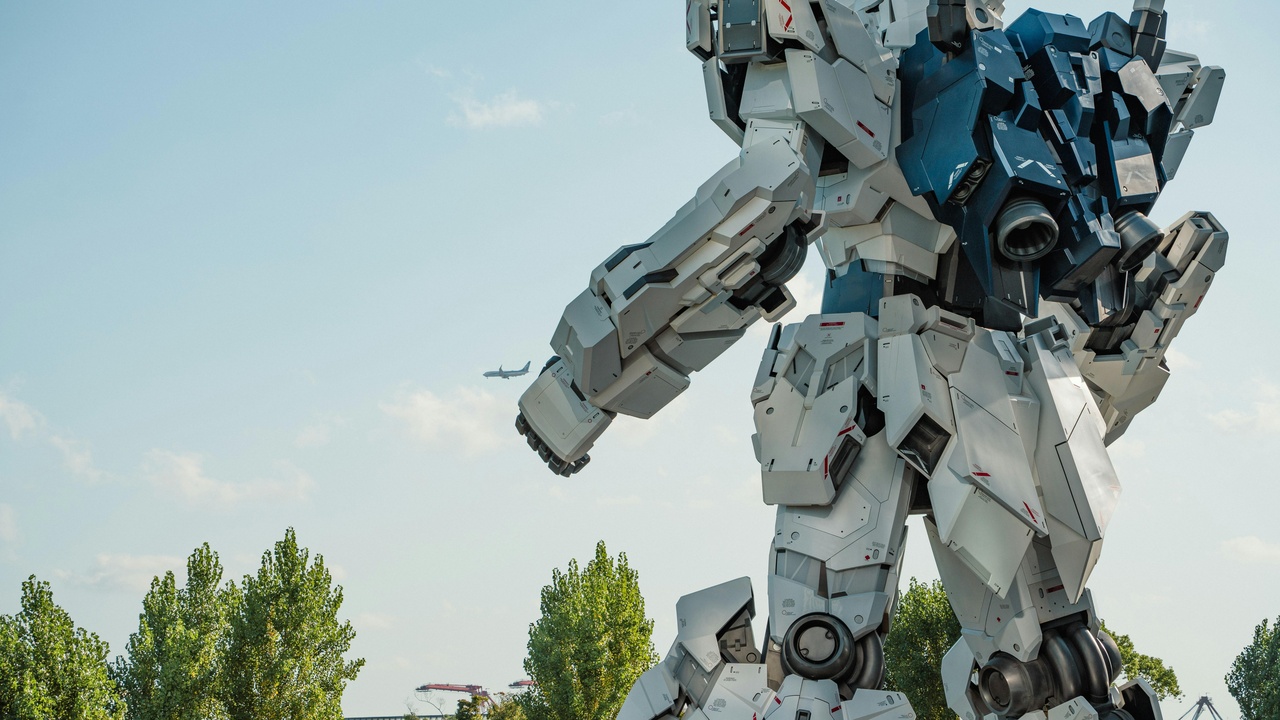
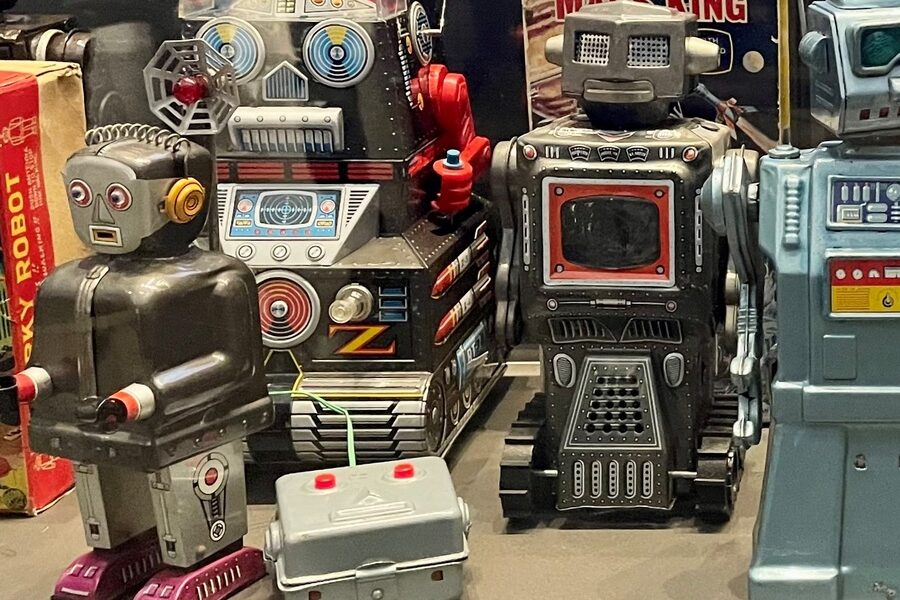
Fiction gave the public many of its first and most durable images of robots. Plays like Čapek’s R.U.R., blockbuster films such as The Terminator, and companionable droids in Star Wars established archetypes: obedient worker, rebellious machine, and the personable helper.
Those archetypes shape expectations in surprising ways. Policymakers borrow metaphors from film when framing regulation. Job seekers picture humanoid replacements. Voters imagine existential threats instead of routine engineering tradeoffs.
1. Myth: Robots will ‘take over the world’ and displace humanity
This is a dramatic, fiction-derived fear rather than a technical forecast. Sci‑fi narratives have amplified takeover scenarios since the 1920s, and surveys continue to show high levels of public anxiety about machines replacing people.
In reality, current AI and robotic systems are narrow tools engineered for specific tasks. They do not possess goals, desires, or agency the way humans do. Most deployed systems include control layers, safety interlocks, and human oversight—industrial robots have guarded cells and emergency stops, while commercial products come with supervisory tools.
Concrete examples: factory arms from FANUC and ABB automate repetitive assembly, and Boston Dynamics’ Spot began commercial sales in 2019 as a remote‑supervised inspection platform. None of these systems “want” anything; they execute programmed objectives under human-set constraints.
2. Myth: Robots must look like humans to be useful
That belief comes from movies and theater, but the market tells a different story. Most practical robots are arms, rovers, drones, or single-purpose rigs shaped by their tasks rather than by human likeness.
More than two million industrial robots operate worldwide according to recent World Robotics reports, and almost none are humanoid. Consumer examples include the iRobot Roomba for floor cleaning, DJI agricultural drones for crop spraying, and the da Vinci surgical system’s articulated arms for minimally invasive procedures.
Design choices favor ergonomics and task-fit: wheeled platforms are better for floors, multi-jointed arms excel at precision work, and aerial frames are ideal for surveying tall fields. Human shape is rarely the most efficient option.
3. Myth: Robots are—or soon will be—truly conscious beings
Consciousness remains a philosophical and scientific puzzle, not an engineering milestone. Researchers distinguish intelligence, which can be functional, from subjective experience or sentience, which has no agreed technical definition.
Current systems use pattern recognition, optimization, and control algorithms without subjective awareness. Large language models generate plausible text by predicting tokens, and service robots respond to sensors with control loops, but neither has inner experience or self-directed goals.
Mainstream AI researchers are explicit that claims of machine consciousness are premature; building systems that act intelligently is not the same as building entities that feel or understand in the human sense.
Technical Capabilities and Real Limits
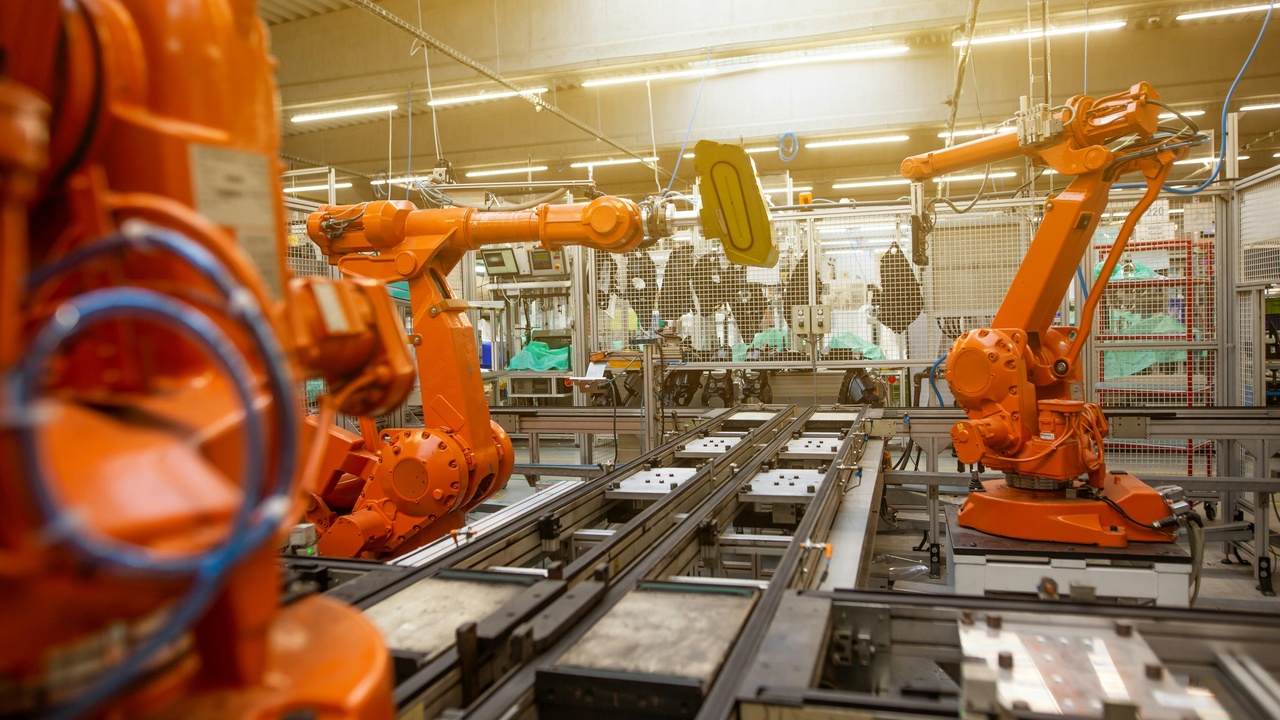
Technical limits are often misunderstood because writers conflate narrow AI performance with general intelligence. Sensors, perception systems, and control software perform well in defined settings but degrade when context changes.
Understanding degrees of autonomy, sensing limits, and failure modes gives a more accurate view of what robots can actually do and when human judgment remains required.
4. Myth: Robots can replace humans at any job
Automation shines at predictable, repetitive tasks but struggles with open-ended, social, or highly creative work. Research from organizations such as OECD and McKinsey estimates significant portions of tasks can be automated, but whole-job replacement is rarer.
Robots often augment people rather than fully replace them. In hospitals, Intuitive Surgical’s da Vinci enhances surgeons’ precision but still requires a trained operator. In logistics, Amazon’s robotics speeds sorting while human teams handle exceptions.
Trials in long‑haul trucking by Waymo and others show promising autonomy on highways but persistent challenges handling edge cases in cities. The pattern: task automation plus human complementarity, not wholesale job elimination.
5. Myth: Robots are infallible and never make mistakes
No. Robots inherit limits from sensors, training data, and software. High-profile testing incidents involving autonomous vehicles and misclassifications by vision systems have shown how errors emerge from flawed data, unanticipated environments, or software bugs.
Engineers address these risks with redundancy, human-in-the-loop controls, extensive testing, and formal verification for safety-critical components. Those practices reduce risk but cannot erase all errors.
Expectations that machines are perfect lead to dangerous complacency. Robust operational procedures and clear accountability remain essential whenever robots interact with people.
6. Myth: Robots are autonomous by default and need no supervision
Autonomy comes in levels. Many deployed systems operate under supervisory control, teleoperation, or within constrained environments where they perform reliably. Full, unconditional autonomy is uncommon.
Examples include bomb disposal robots that are teleoperated, warehouse AMRs that follow scheduled routes with human oversight, and autonomous vehicle tests that still use safety drivers to handle edge cases. Regulatory approval for higher autonomy involves staged certification and operational safety cases.
Putting machines into uncontrolled settings without oversight is rare precisely because the risks are known and manageable only with layered controls.
Social, Economic and Safety Misconceptions
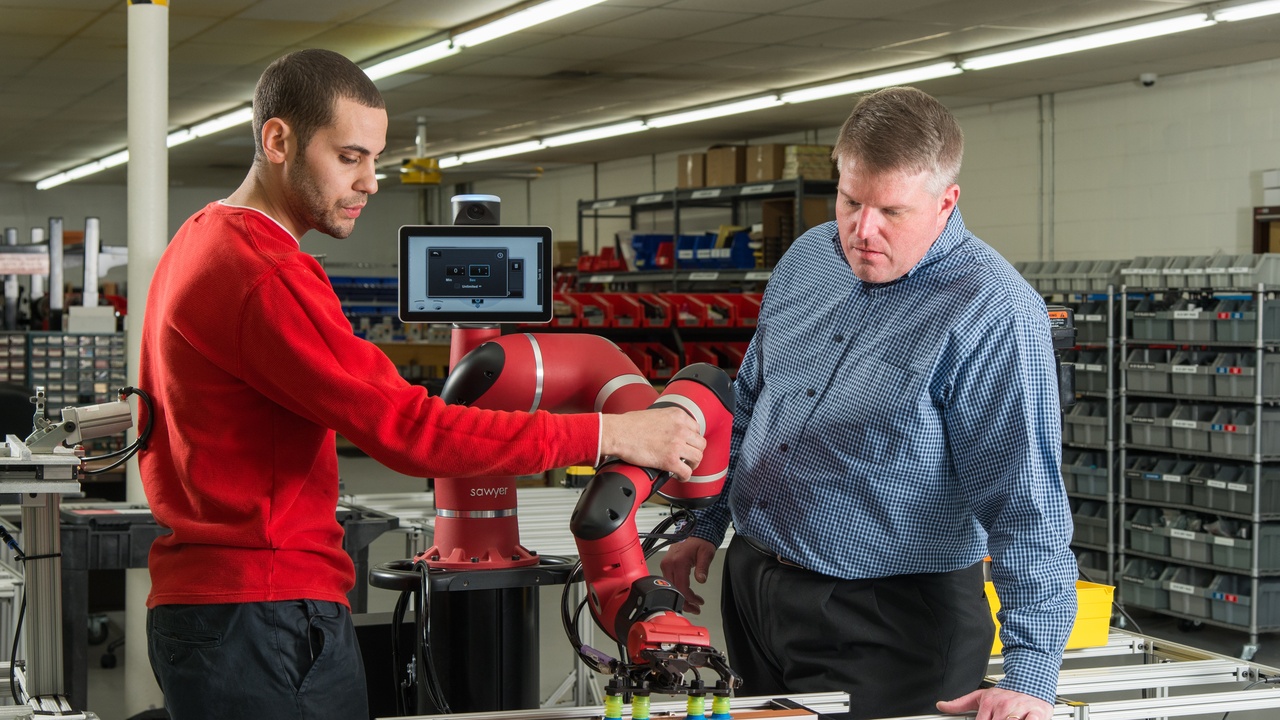
Discussions about jobs, ethics, and cost are often driven by simplified stories. The real social impact of robotics is shaped by policy choices, corporate strategy, and how societies invest in skills and safety.
Addressing these topics requires separating technical fact from moral panic and looking at historical precedents and contemporary data.
7. Myth: Robots will cause mass, permanent unemployment
Automation displaces tasks, not always whole occupations. Historical waves of automation in manufacturing since the late 20th century led to job shifts, new roles, and productivity gains rather than permanent mass joblessness.
Labor studies from McKinsey, OECD, and the ILO project that a sizable share of tasks are automatable, but many occupations will change rather than vanish. Policy tools—reskilling programs, targeted safety nets, and education—shape whether transitions are painful or manageable.
On the ground, Amazon Robotics shows one model: automation increases throughput while new human roles appear in supervision, maintenance, and higher-value fulfillment tasks.
8. Myth: Military robots will make humans obsolete in combat
Popular images of autonomous killer robots are powerful, but operational, ethical, and legal constraints keep humans central to targeting and engagement decisions in most armed forces.
Current military uses focus on surveillance UAVs, logistics support, and remote explosive ordnance disposal rather than fully autonomous lethal decision-making. International debate—such as UN discussions on lethal autonomous weapons systems—reflects concerns about delegating life-or-death choices to algorithms.
Operational complexity, political accountability, and rules of engagement mean humans remain key actors in combat for the foreseeable future.
9. Myth: Robots are neutral and free from bias
Robots and automated systems mirror the data and design choices of their creators. Neutrality is a myth when training data, sensor placement, or objective functions reflect particular populations or priorities.
Documented examples include facial-recognition systems that showed different accuracy across demographic groups and hiring tools that amplified historical biases. Addressing these issues requires better datasets, diverse teams, regular audits, and governance mechanisms.
Technical fixes help, but meaningful neutrality also demands institutional checks and public oversight.
10. Myth: Robots are prohibitively expensive for everyday use
Not all robots are costly. Over the past decade consumer devices like robot vacuums have become affordable, and collaborative industrial arms from companies such as Universal Robots now target small and medium enterprises with accessible price points.
Purchase price is only part of the story. Total cost of ownership, productivity gains, leasing options, and robotics-as-a-service models make deployment viable for many organizations that would not invest in capital‑intensive systems a decade ago.
As components fall in price and software platforms mature, practical automation becomes a realistic option across a wider range of use cases.
Summary
- Fiction shaped early fears and images, but real systems are task-specific machines with engineering controls rather than agents seeking domination.
- Technical limits—sensing, context, and narrow AI—mean robots augment people in many roles instead of replacing them outright.
- Social outcomes depend on policy, design choices, and workforce investment; historical automation offers lessons for reskilling and regulation.
- Expect practical variations: some robots are inexpensive and widespread, others are specialized and tightly regulated; the key is thoughtful deployment and oversight.
- Keep asking clear questions, consult reputable studies, and challenge simple headlines about myths about robots when making personal, corporate, or policy decisions.