8 Branches of Genetics and What They Do
In 1953 James Watson and Francis Crick published the double-helix structure of DNA, a discovery that turned genetics from descriptive biology into a molecular science. That breakthrough set the stage for the Human Genome Project, new sequencing technologies, and modern gene editing—but most people still think of genetics as one thing: inheritance or DNA tests. The reality is broader.
Genetics today is a diverse field made up of distinct branches—each with its own methods, questions, and real-world impacts—and understanding those branches helps you see how genes shape medicine, agriculture, conservation, and computing.
Below are eight specific branches grouped into four categories so you can quickly see what each one studies and why it matters.
Molecular & Cellular Genetics

This category looks at genes inside cells—their sequences, how they are read, and how cellular systems regulate them. Work here explains the mechanisms of transcription, translation, and regulation, and supplies the tools behind modern sequencing and gene editing that ripple across medicine and biotech.
1. Molecular Genetics — How genes are built and expressed
Molecular genetics studies DNA, RNA, and protein production at the molecular scale. After Watson & Crick’s 1953 structure, efforts like the Human Genome Project (completed in 2003) mapped roughly 3 billion base pairs in a human reference genome.
Laboratory techniques include PCR for amplifying DNA, Sanger and next-generation sequencing for reading bases, and CRISPR-based systems for precise editing—CRISPR was first demonstrated for programmable editing in 2012 by Jennifer Doudna and Emmanuelle Charpentier. Companies such as Illumina commercialized high-throughput sequencing, driving costs down from millions per genome in the early 2000s to under $1,000 by the mid-2010s.
Applications are direct: diagnostic genetic tests, cancer gene panels, and gene therapies. For example, CRISPR-based trials now target certain cancers and rare genetic disorders, and approved gene therapies (like some for spinal muscular atrophy) show how reading and editing genomes translate to patient care. For an overview of genomic research funding and resources, the NHGRI offers authoritative summaries and links.
2. Cytogenetics — Chromosomes, karyotypes, and structural changes
Cytogenetics focuses on chromosomes and large structural variants—changes you can often see under a microscope. In 1959 Jérôme Lejeune described the extra chromosome causing trisomy 21, the basis of Down syndrome, which occurs in roughly 1 in 700 births.
Common clinical methods include karyotyping for whole-chromosome changes, FISH to target specific loci, and array CGH for copy-number detection. Cytogenetics is critical in prenatal diagnosis and cancer. For instance, the Philadelphia chromosome—a BCR-ABL translocation—defines many chronic myeloid leukemia cases and directly led to targeted therapy development.
Hospitals and specialized cytogenetics labs run these tests routinely, informing reproductive decisions and guiding oncology diagnostics where structural changes predict prognosis and treatment options.
Clinical and Medical Genetics

These branches work directly with patients: diagnosing inherited conditions, counseling families, and using genomic information to choose therapies. They tie genetic science to public health programs like newborn screening and to precision medicine in clinics.
3. Clinical Genetics — Diagnosis, testing, and counseling
Clinical genetics involves testing individuals for inherited conditions and helping patients and families understand risks and options. Around 4 million newborns are screened annually in the U.S., detecting disorders such as phenylketonuria (PKU) early so treatment can prevent severe outcomes.
Diagnostic testing has expanded to thousands of assays for rare disorders and panels for cancer predisposition. Carrier screening for cystic fibrosis and BRCA1/2 testing for hereditary breast and ovarian cancer are routine in many settings.
Genetic counselors translate complex risk numbers into practical advice for reproductive planning and early intervention. Organizations such as the American College of Medical Genetics (ACMG) and NIH provide clinical guidelines and resources for practitioners and patients.
4. Medical Genomics and Pharmacogenomics — Using genomes to guide treatment
Medical genomics and pharmacogenomics use genomic data to select treatments and predict drug response. Targeted cancer therapy illustrates this: imatinib, introduced around 2001, treats BCR-ABL-positive chronic myeloid leukemia by blocking the abnormal kinase created by that translocation.
Pharmacogenetic tests—like TPMT testing before thiopurine drugs—help prevent adverse reactions. Large cohorts such as the All of Us Research Program and the UK Biobank link genomic data to health records, enabling discovery and clinical translation at scale.
Falling sequencing costs make clinical sequencing feasible for many patients; these programs accelerate discovery of gene–drug interactions and let clinicians tailor therapy based on a patient’s genome and variant profile.
Population and Evolutionary Genetics
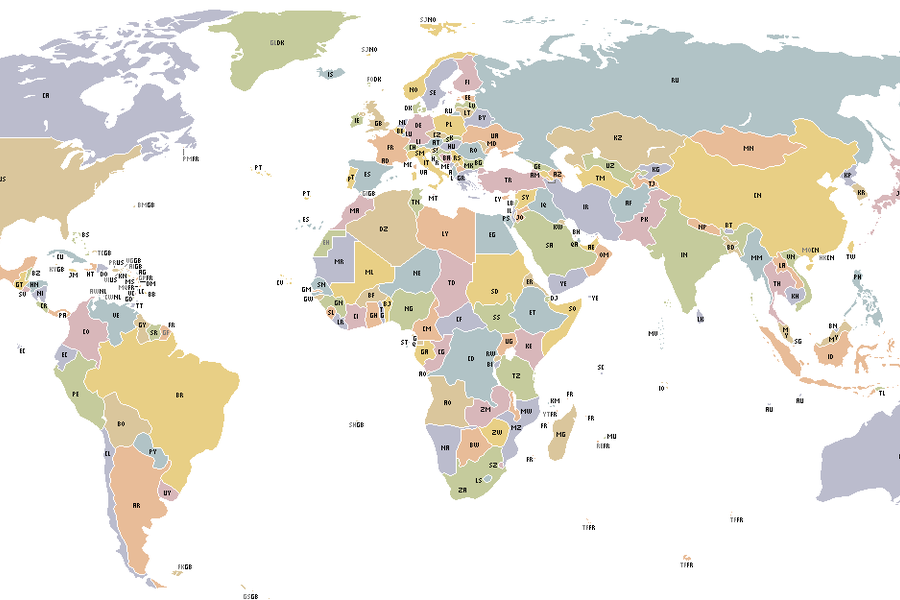
This category studies genetic variation across groups and over time. Population genetics provides mathematical models for how allele frequencies change, while evolutionary genetics uses genomic data to reconstruct history and adaptation. Both inform conservation, epidemiology, and human origins research.
5. Population Genetics — How allele frequencies change in groups
Population genetics formalized equilibrium models in 1908 with Hardy and Weinberg. The field models selection, genetic drift, migration, and mutation to predict allele-frequency changes and to estimate carrier rates or disease spread in populations.
Practical uses range from estimating carrier frequency for recessive conditions to tracking pathogen variants. The 1000 Genomes Project, launched in 2008, created a population reference panel still used for ancestry and variant-frequency estimates. During the SARS-CoV-2 pandemic, population genetic methods tracked emerging viral lineages and their spread.
6. Evolutionary Genetics — How genomes record history
Evolutionary genetics ties back to Darwin’s Origin of Species (1859) and shows how genomes preserve evidence of past selection and divergence. Comparative genomics and phylogenetics reconstruct relationships and functional changes across species.
Examples include the evolution of lactose persistence in some human populations and the rapid spread of antibiotic resistance in bacteria. Genetic data estimate human and chimp divergence at roughly 6–7 million years ago, providing a dated framework for evolutionary studies.
These insights guide conservation priorities by identifying distinct population units, and they help predict how pathogens or pests may adapt to interventions.
Quantitative, Computational, and Applied Genetics
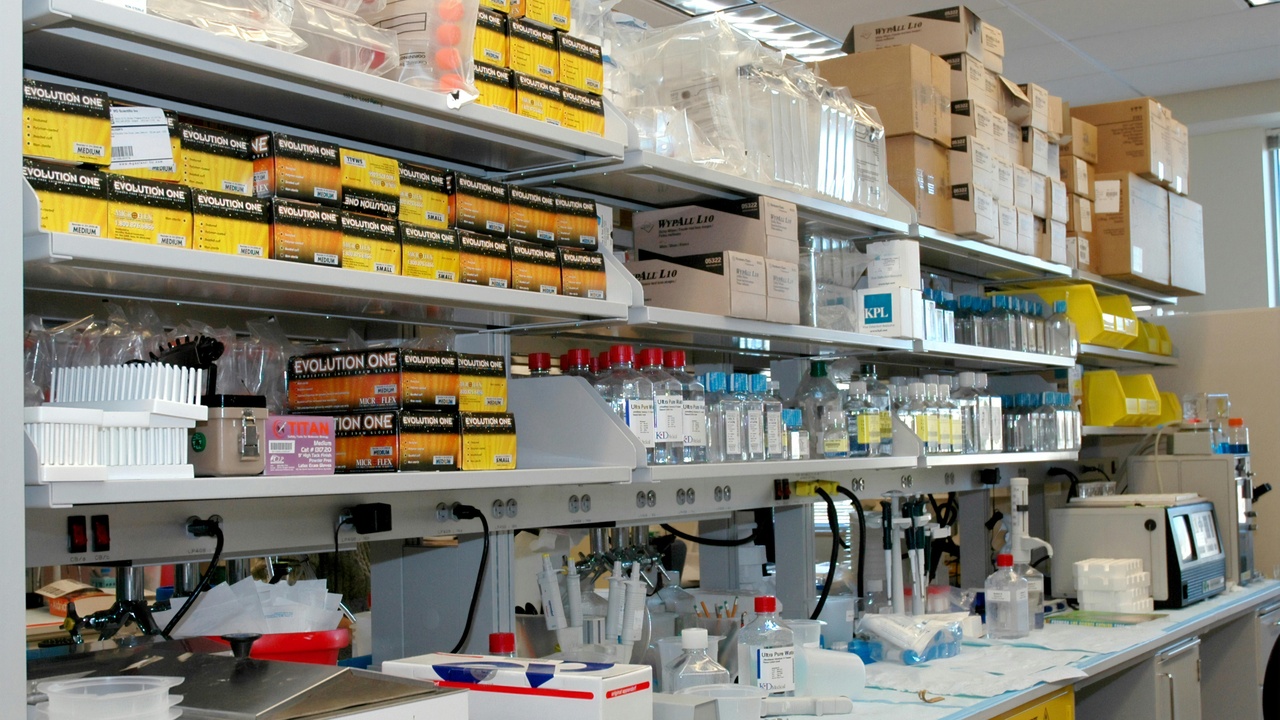
These branches handle the numbers, algorithms, and practical breeding or industrial implementation. Quantitative genetics models complex traits influenced by many genes and environment, while bioinformatics turns raw sequence data into usable results for research, clinics, and agriculture.
7. Quantitative and Statistical Genetics — Traits controlled by many genes
Quantitative genetics studies traits shaped by many loci and environmental factors—height, crop yield, blood pressure. It produces heritability estimates, runs genome-wide association studies (GWAS), and builds polygenic risk scores (PRS).
GWAS efforts often require very large sample sizes—many studies now exceed 100,000 participants—to detect hundreds of small-effect loci; for example, large consortia have cataloged hundreds of loci associated with human height. Breeders use genomic selection in livestock and crops to predict breeding value and accelerate improvement.
In medicine, PRS research explores how aggregated small effects predict disease risk, informing future prevention strategies even though clinical implementation is still evolving.
8. Genomics and Bioinformatics — Turning sequence into insight
Bioinformatics combines computing and biology to process large genomic datasets. The dramatic fall in sequencing costs—from tens of millions per genome in the early 2000s to under $1,000 by the mid-2010s—made routine large-scale projects possible.
Typical tasks include read alignment, variant calling, annotation, and deposition in databases. Tools and platforms such as Illumina (sequencing hardware), Bowtie for alignment, GATK for variant calling, and Bioconductor for downstream analysis are ubiquitous, and cloud resources now host many pipelines.
Applications range from real-time pathogen surveillance to personalized cancer genomics and agricultural genomics pipelines that optimize traits in crops and animals. Good data practices and scalable software turn raw reads into actionable conclusions.
Summary
- Molecular advances—Watson & Crick (1953), the Human Genome Project (2003), and CRISPR—created tools that power diagnostics, gene therapies, and biotech products.
- Clinical branches bring genetics to patients: about 4 million U.S. newborns are screened each year, and targeted treatments like imatinib show how diagnostics guide care.
- Population and evolutionary genetics link math and history—Hardy–Weinberg (1908), the 1000 Genomes Project (2008), and divergence estimates (human–chimp ~6–7 million years)—and they inform public-health and conservation decisions.
- Quantitative, computational, and applied work (GWAS with 100,000+ samples, bioinformatics tools like GATK) scale discovery and make real-world breeding, surveillance, and precision medicine possible—knowing the branches of genetics helps you see where those advances matter.