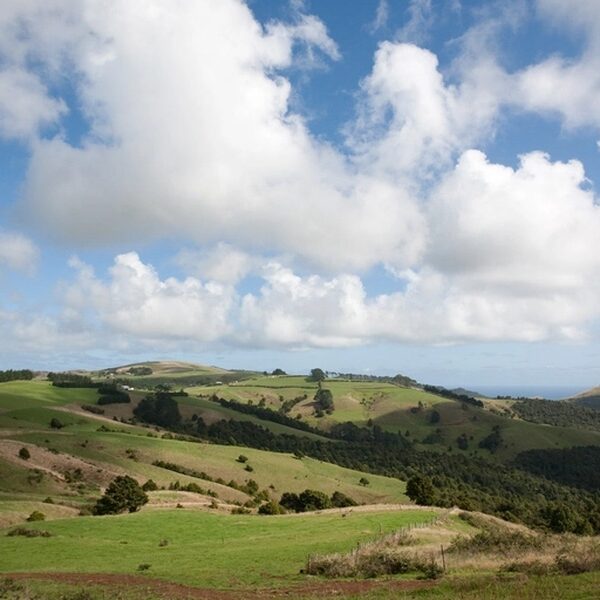
Armenia’s mix of high mountains, river valleys, lakes and wetlands supports a surprising variety of birds across a small country. Whether you’re walking alpine ridges or scanning ponds near Yerevan, you’ll notice migrants, residents and seasonal visitors that reflect the region’s crossroads position between Europe and Asia.
There are 95 Birds of Armenia, ranging from Armenian Gull to Yellow Wagtail. For each species you’ll find below the Scientific name,Status,Main habitat/regions so you can quickly identify birds, check conservation status and learn where to look — you’ll find below.
How is the list organized and how should I read the columns?
Each row lists a species with its Scientific name for accurate identification, a Status note (resident, migrant, vagrant, or conservation category) and Main habitat/regions to indicate typical locations in Armenia; use the Scientific name to match field guides and the habitat column to plan where to look.
When are the best times and places to see these birds in Armenia?
Spring and autumn migration are peak times for diversity, while late spring–summer is best for breeding residents; wetlands and lakes host gulls and waders, mountain meadows hold alpine species, and river valleys are good for passerines — check local reserve timetables for seasonal access.
Birds of Armenia
| Common name | Scientific name | Status | Main habitat/regions |
|---|---|---|---|
| Armenian Gull | Larus armenicus | breeding migrant | Lake Sevan shores, large lakes and wetlands |
| Mallard | Anas platyrhynchos | resident | lakes, rivers, wetlands across lowlands and valleys |
| Northern Shoveler | Spatula clypeata | passage/winter visitor | shallow lakes, marshes and lagoons |
| Garganey | Spatula querquedula | passage/breeding migrant | shallow marshes and seasonal pools |
| Common Teal | Anas crecca | passage/winter visitor | lakes, marshes, slow rivers |
| Gadwall | Mareca strepera | passage/winter visitor | lakes, reservoirs, marshes |
| Common Pochard | Aythya ferina | winter visitor | deep lakes and reservoirs |
| Ferruginous Duck | Aythya nyroca | breeding migrant | reed-fringed lakes and wetlands |
| Tufted Duck | Aythya fuligula | winter visitor | lakes, reservoirs and deep waters |
| Great Crested Grebe | Podiceps cristatus | breeding migrant | large lakes, sheltered bays and reservoirs |
| Little Grebe | Tachybaptus ruficollis | resident | small lakes, marshes, slow rivers and ponds |
| Great Cormorant | Phalacrocorax carbo | resident | lakes, rivers and reservoirs |
| Grey Heron | Ardea cinerea | resident | wetlands, river valleys, floodplains |
| Little Egret | Egretta garzetta | passage/breeding migrant | shallow wetlands, marsh edges and lakes |
| Cattle Egret | Bubulcus ibis | passage/breeding migrant | farmland, steppe with grazing livestock |
| Common Buzzard | Buteo buteo | breeding migrant | open hills, agricultural landscapes, forest edges |
| Long-legged Buzzard | Buteo rufinus | resident | semi-desert, dry slopes, low mountains |
| Rough-legged Buzzard | Buteo lagopus | winter visitor | open fields and steppe in lowlands |
| Eurasian Sparrowhawk | Accipiter nisus | resident | woodlands, parks, valleys |
| Northern Goshawk | Accipiter gentilis | resident | mountain forests and deep valleys |
| Common Kestrel | Falco tinnunculus | resident | open country, farmland, steppe |
| Red-footed Falcon | Falco vespertinus | breeding migrant | steppe, farmland and lowland trees |
| Eurasian Hobby | Falco subbuteo | passage/breeding migrant | open areas, rivers, mountain valleys |
| Saker Falcon | Falco cherrug | breeding migrant | open steppe, cliffs and agricultural plains |
| Peregrine Falcon | Falco peregrinus | breeding migrant | cliffs, gorges, wetlands |
| Bearded Vulture | Gypaetus barbatus | vagrant | high mountains and cliffs (rare) |
| Griffon Vulture | Gyps fulvus | breeding resident | cliffs, canyons and mountain slopes |
| Cinereous Vulture | Aegypius monachus | breeding migrant | remote forests, wooded mountains |
| Egyptian Vulture | Neophron percnopterus | breeding migrant | open cliffs, farmland and semi-desert |
| Short-toed Snake Eagle | Circaetus gallicus | breeding migrant | open hills, steppe and slopes |
| Eurasian Marsh Harrier | Circus aeruginosus | passage/winter visitor | reedbeds, marshes and flooded fields |
| Montagu’s Harrier | Circus pygargus | passage/breeding migrant | farmland, steppe and open grassland |
| Common Sandpiper | Actitis hypoleucos | passage/breeding migrant | riverbanks, lakeshores and reservoirs |
| Spotted Redshank | Tringa erythropus | passage | wetlands, shallow lakes and mudflats |
| Marsh Sandpiper | Tringa stagnatilis | passage | shallow marshes and flooded fields |
| Common Greenshank | Tringa nebularia | passage | lakeshores, marshes and rivers |
| Wood Sandpiper | Tringa glareola | passage | marshy pools, flooded meadows |
| Green Sandpiper | Tringa ochropus | passage/winter visitor | riversides, marshes and ponds |
| Little Ringed Plover | Charadrius dubius | breeding migrant | riverbanks, gravelly lake shores |
| Kentish Plover | Charadrius alexandrinus | passage/breeding migrant | saline lakes, mudflats and shorelines |
| Common Snipe | Gallinago gallinago | winter visitor | wet meadows, marsh edges and flooded fields |
| Black-winged Stilt | Himantopus himantopus | breeding migrant | shallow saline lakes and marshes |
| Pied Avocet | Recurvirostra avosetta | passage | saline lakes and mudflats |
| Black-headed Gull | Chroicocephalus ridibundus | winter visitor | lakes, wetlands, reservoirs and towns |
| Caspian Gull | Larus cachinnans | breeding migrant | lakes, wetlands and large reservoirs |
| Common Tern | Sterna hirundo | passage/breeding migrant | lakeshores, reservoirs and rivers |
| Whiskered Tern | Chlidonias hybrida | passage/breeding migrant | marshes, reedbeds and shallow lakes |
| Chukar Partridge | Alectoris chukar | resident | rocky hills, dry slopes and foothills |
| Caucasian Snowcock | Tetraogallus caucasicus | resident | high alpine slopes and rocky ridges |
| Syrian Woodpecker | Dendrocopos syriacus | resident | orchards, parks, wooded river valleys |
| Great Spotted Woodpecker | Dendrocopos major | resident | mature woodlands and mountain forests |
| Eurasian Jay | Garrulus glandarius | resident | deciduous and mixed forests, orchards |
| Eurasian Magpie | Pica pica | resident | towns, farmland, open woodlands |
| Hooded Crow | Corvus cornix | resident | open country, villages, coasts and farmland |
| Rook | Corvus frugilegus | breeding migrant | farmland, field edges and open countryside |
| Common Raven | Corvus corax | resident | cliffs, mountains, open steppe and forests |
| Eurasian Skylark | Alauda arvensis | resident/breeding migrant | open steppe, agricultural fields and meadows |
| Crested Lark | Galerida cristata | resident | dry open areas, steppe and roadside verges |
| Calandra Lark | Melanocorypha calandra | breeding migrant | open steppe and agricultural plains |
| Horned Lark | Eremophila alpestris | resident | high plateaus, alpine steppe and open slopes |
| Eurasian Reed Warbler | Acrocephalus scirpaceus | breeding migrant | reedbeds, marsh edges and tall vegetation |
| Great Reed Warbler | Acrocephalus arundinaceus | breeding migrant | dense reedbeds around lakes and marshes |
| Common Chiffchaff | Phylloscopus collybita | breeding migrant | woodlands, parks and riverine trees |
| Willow Warbler | Phylloscopus trochilus | breeding migrant | mixed woodlands and riparian trees |
| Common Whitethroat | Curruca communis | breeding migrant | scrub, hedgerows and steppe bushes |
| Lesser Whitethroat | Curruca curruca | breeding migrant | scrubby slopes, hedgerows and low woodland |
| Sardinian Warbler | Curruca melanocephala | resident | Mediterranean scrub, lowland thorny bushes |
| Red-backed Shrike | Lanius collurio | passage/breeding migrant | open farmland, hedgerows and scrub |
| Great Grey Shrike | Lanius excubitor | resident | open woodlands, steppe edges and hills |
| Woodchat Shrike | Lanius senator | passage/breeding migrant | open countryside, scattered trees and orchards |
| Common Linnet | Linaria cannabina | resident | scrub, hedgerows, farmland and steppe |
| Eurasian Siskin | Spinus spinus | passage/winter visitor | conifer and mixed mountain forests |
| European Goldfinch | Carduelis carduelis | resident | gardens, orchards, open woodland edges |
| Common Chaffinch | Fringilla coelebs | resident | woodlands, parks and gardens |
| Brambling | Fringilla montifringilla | winter visitor | coniferous and mixed woodlands in highlands |
| Hawfinch | Coccothraustes coccothraustes | resident | mature deciduous forests and orchards |
| Common Swift | Apus apus | breeding migrant | towns, cliffs and gorges |
| House Martin | Delichon urbicum | breeding migrant | villages, towns and cliff faces |
| Barn Swallow | Hirundo rustica | breeding migrant | farmland, villages, open fields and waterbodies |
| Common Kingfisher | Alcedo atthis | resident | rivers, streams and lakes with clear water |
| European Roller | Coracias garrulus | breeding migrant | open steppe, tree-lined valleys and orchards |
| Rock Dove (wild) | Columba livia | resident | cliffs, gorges and urban areas |
| Wood Pigeon | Columba palumbus | resident | woodlands, parks and farmlands |
| Eurasian Collared-Dove | Streptopelia decaocto | introduced-established | towns, farmland and gardens |
| European Turtle Dove | Streptopelia turtur | breeding migrant | open woodland, orchards and hedgerows |
| Water Rail | Rallus aquaticus | passage/winter visitor | dense reedbeds, marshes and wet meadows |
| Common Moorhen | Gallinula chloropus | resident | reedbeds, marshes, canals and lakes |
| Common Coot | Fulica atra | resident | lakes, reservoirs and marshes with open water |
| White Wagtail | Motacilla alba | resident/breeding migrant | rivers, towns, farmland and wetlands |
| Yellow Wagtail | Motacilla flava | breeding migrant | wet meadows, farmland and river floodplains |
| Meadow Pipit | Anthus pratensis | passage/winter visitor | open fields, meadows and low hills |
| Water Pipit | Anthus spinoletta | winter visitor | alpine streams, lakeshores and wet meadows |
| Tree Pipit | Anthus trivialis | breeding migrant | open woodlands, forest edges and clearings |
| Mistle Thrush | Turdus viscivorus | resident | woodlands, orchards and parks |
| Common Blackbird | Turdus merula | resident | gardens, woodlands and towns |
Images and Descriptions
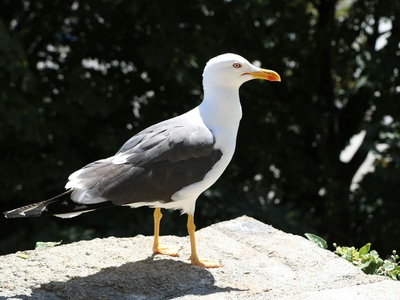
Armenian Gull
Large gull with pale head and robust bill, 55–65 cm long. Coastal and inland lakes host colonies; readily seen at Sevan. Feeds on fish, invertebrates and scavenged food; regional endemic behavior distinguishes it from other gulls.
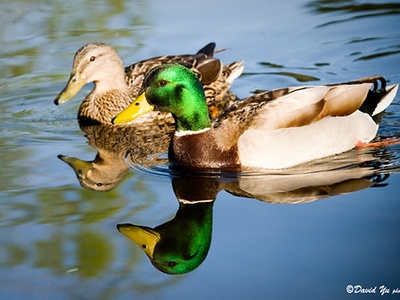
Mallard
Familiar duck, 50–65 cm, iridescent green-headed male and mottled brown female. Dabbling behavior, adaptable to towns and wild wetlands. Common breeder and wintering species; often first species noticed by casual birdwatchers.
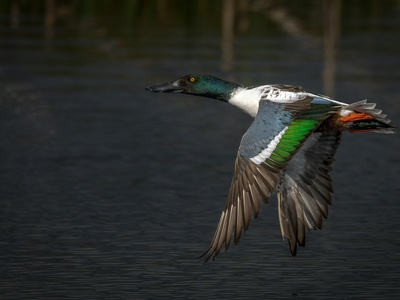
Northern Shoveler
Distinctive large spatulate bill and green-headed drake, 45–55 cm. Filters small invertebrates from shallow waters. Common on migration and in winter at Armenia’s wetlands and reservoirs.
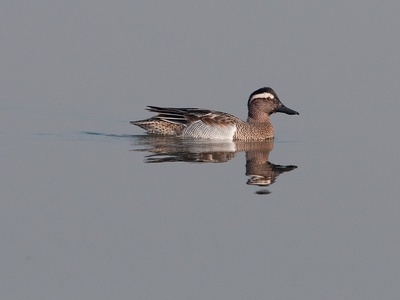
Garganey
Small dabbling duck, 40–45 cm, male with striking white facial stripe. Early spring passage and localized breeding in reed-fringed wetlands. Secretive, often seen in mixed flocks with teals.
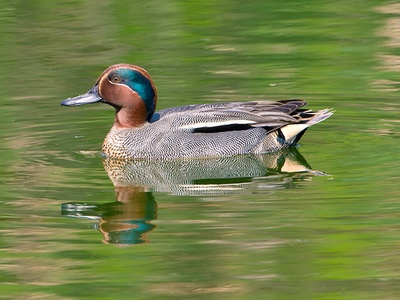
Common Teal
Small dabbling duck, about 34–38 cm; males have green cheek patch. Abundant migrant and winter visitor in wetland complexes; feeds on plant material and small invertebrates.
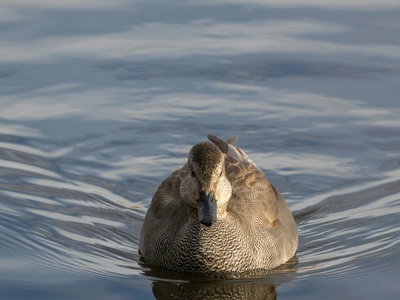
Gadwall
Medium-sized dabbling duck, 45–55 cm, subtle patterned plumage. Often in mixed flocks with mallards and teals. Eats vegetation and seeds; common on migration and in winter.
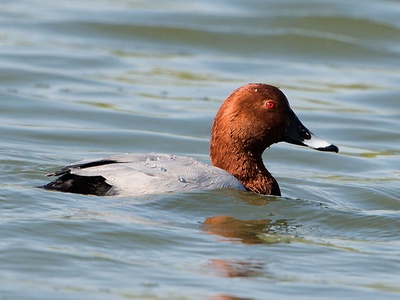
Common Pochard
Diving duck, 40–50 cm, male with red head and black breast. Winters in numbers on larger lakes; dives for aquatic plants and invertebrates. Populations fluctuate with water levels.
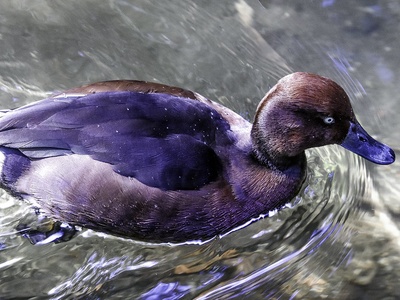
Ferruginous Duck
Medium diving duck, chestnut body and dark bill, 40–45 cm. Prefers well-vegetated shallow lakes; vulnerable species with localized breeding in Armenia. Rare but regularly recorded at key wetlands.

Tufted Duck
Black-and-white diving duck with crest, 40–50 cm. Common winter visitor in flocks on larger lakes; dives for mollusks and aquatic insects.
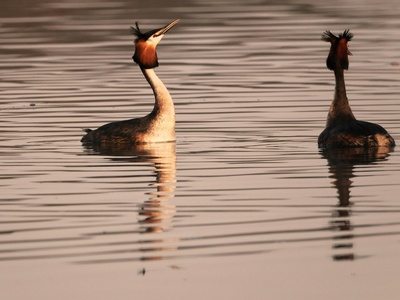
Great Crested Grebe
Elegant 45–55 cm grebe with ornate head plumes in breeding season. Remarkable diving and swimming abilities; constructs floating nests in sheltered vegetation—regular breeder on Armenian lakes.
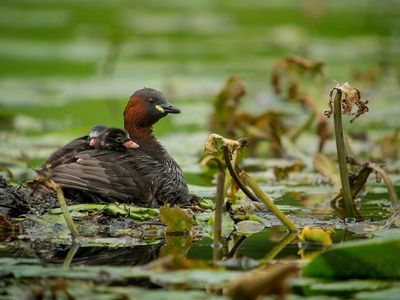
Little Grebe
Tiny grebe, 23–29 cm, compact and agile on water. Secretive on dense vegetation but common where small water bodies persist; dives frequently for small fish and invertebrates.
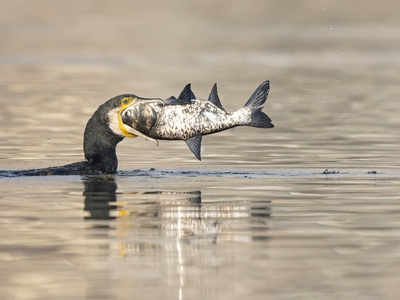
Great Cormorant
Large dark fish-eating bird, 75–90 cm, often seen perched drying wings. Widespread on larger waters; excellent diving ability. Common winter and breeding presence at key waterbodies.

Grey Heron
Tall, 90–100 cm wading bird with grey plumage and long neck. Patient predator feeding on fish and amphibians; widespread and familiar around marshes and rivers.
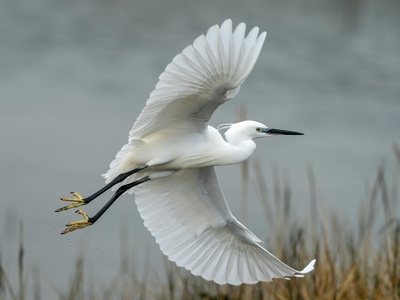
Little Egret
Small white heron with black bill and long plumes in breeding season, 55–65 cm. Increasingly regular in wetlands during breeding and migration; feeds by wading and striking at small prey.

Cattle Egret
Stocky white heron, 45–55 cm, often follows livestock to catch insects. Irregular but regularizing presence in lowlands during migration and breeding; conspicuous in fields.
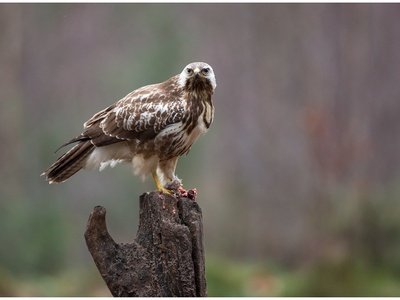
Common Buzzard
Medium raptor, 50–60 cm, variable plumage. Soaring, telemetric observer of open country; widespread breeder and migrant, frequently seen perched on posts.
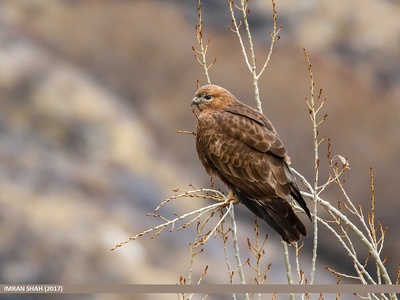
Long-legged Buzzard
Large buzzard with long legs and pale underparts, 55–65 cm. Prefers open rocky terrain and steppe; common resident in Armenia’s drier regions.
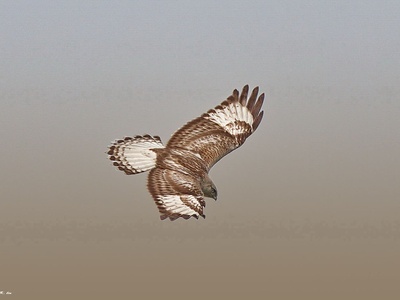
Rough-legged Buzzard
Large winter visitor with feathered legs, 50–60 cm. Arrives in cold months; hunts voles and small mammals by hovering or scanning from posts.
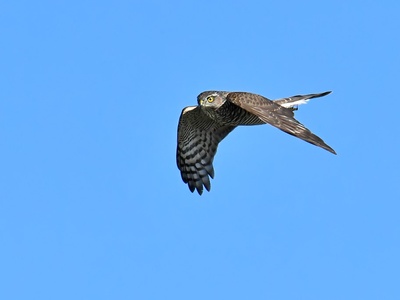
Eurasian Sparrowhawk
Small agile hawk, 28–38 cm, long tail and short wings. Specialist predator of small birds, hunts through wooded habitats; breeding resident in forested areas.

Northern Goshawk
Large accipiter, 50–65 cm, powerful and secretive. Preys on medium-sized birds and mammals; associated with mature forests and higher elevations.
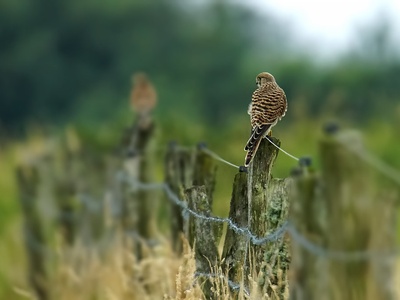
Common Kestrel
Slender falcon, 30–35 cm, often seen hovering while hunting small rodents and insects. Very common and widespread across Armenia’s open habitats.

Red-footed Falcon
Small falcon, 28–32 cm, males are slate-blue, females streaked. Breeding migrant that favors open farmland; often feeds on large insects during summer.
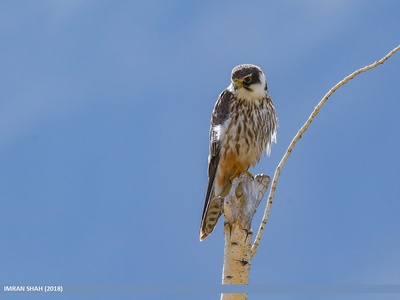
Eurasian Hobby
Slim, 29–35 cm falcon specialized in catching swifts and dragonflies on the wing. A summer migrant seen hunting aerial insects and birds.
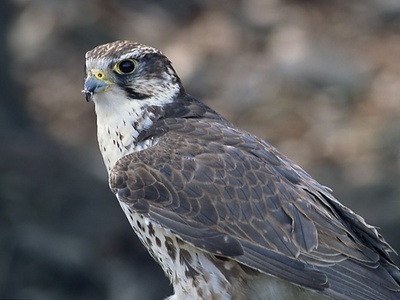
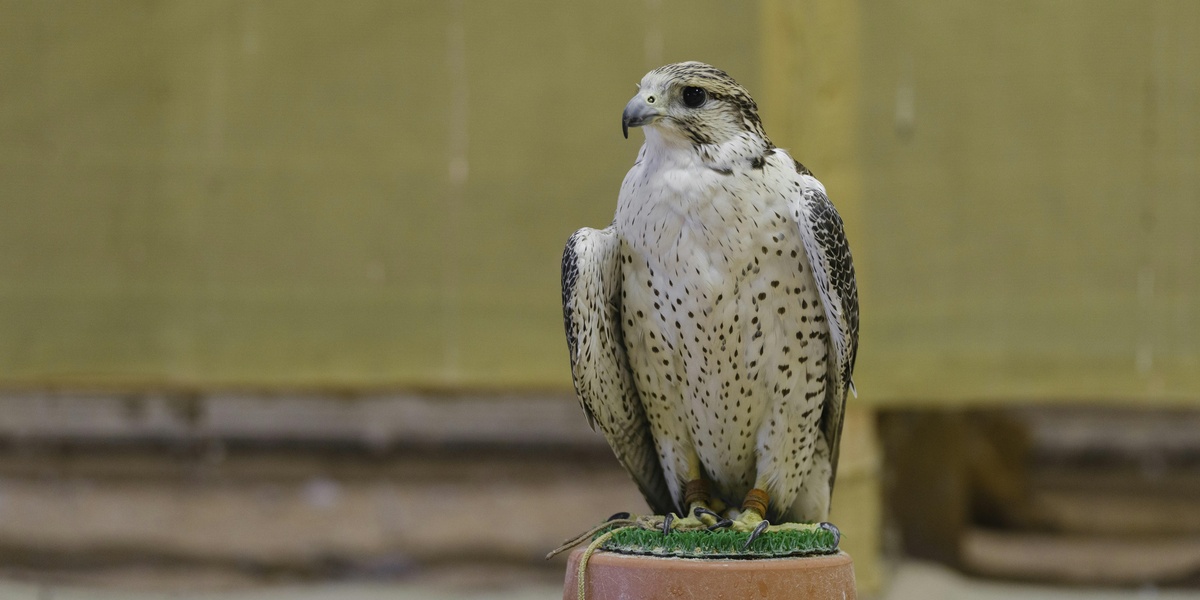
Saker Falcon
Large powerful falcon, 50–60 cm, prized in falconry. Breeding in open country and cliffs but populations are small and vulnerable; notable raptor of the region.
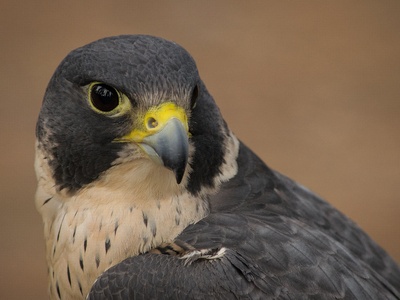
Peregrine Falcon
Powerful falcon, 40–50 cm, famed for high-speed stoops. Breeds on cliffs and increasingly in urban areas; preys on birds in flight.
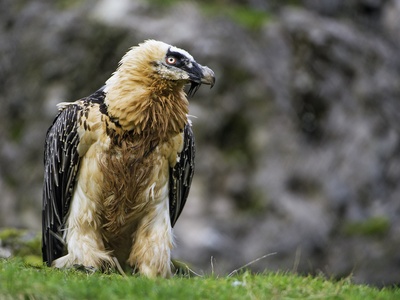
Bearded Vulture
Striking large vulture up to 100 cm with long wedge tail and pale plumage. Rare visitor to Armenia’s high Caucasus—specialist feeder on bone marrow; notable conservation interest.
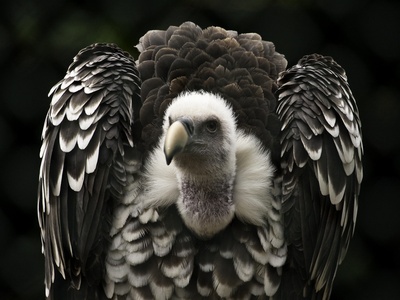
Griffon Vulture
Large gregarious vulture, 90–110 cm, nests on cliffs in colonies. Scavenger of carcasses; locally important and easily observed at roost sites and feeding areas.
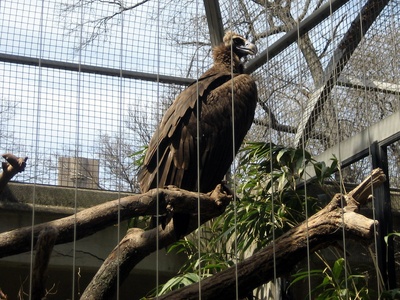
Cinereous Vulture
Massive dark vulture, 95–110 cm, solitary or small groups at carcasses. Rare but recorded in Armenia; conservation concern due to low numbers.
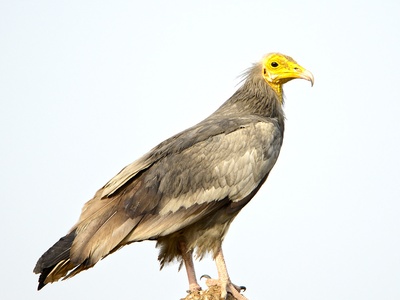
Egyptian Vulture
Small pale vulture, 55–65 cm, uses tools to break eggs. Breeding migrant in open rocky landscapes; distinctive black flight feathers and yellow face.
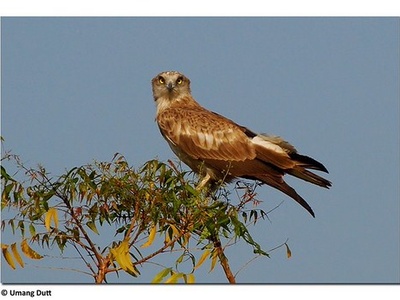
Short-toed Snake Eagle
Large eagle, 60–70 cm, feeds mainly on reptiles. Soars over warm slopes and rocky terrain; visible in migration and summer breeding season.
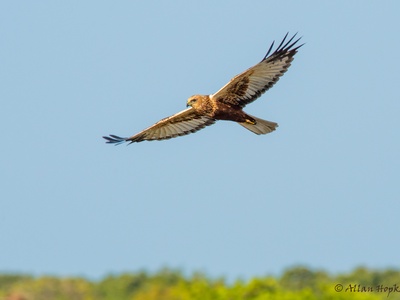
Eurasian Marsh Harrier
Slender harrier with low flight, 45–55 cm, hunts over wetlands for small birds and rodents. Common on passage and in winter at large marshes.
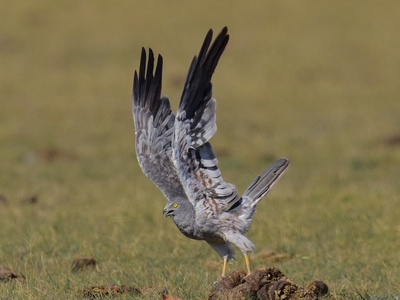
Montagu’s Harrier
Graceful slim harrier, 40–50 cm; males pale with wing bands. Breeding visitor in open agricultural landscapes and a regular migrant.
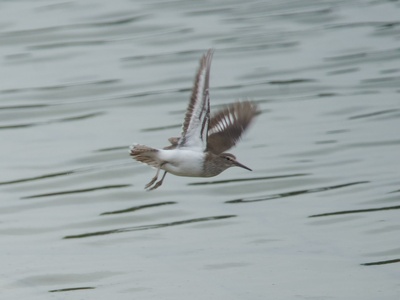
Common Sandpiper
Small wader, 18–20 cm, plump with bobbing tail and quick run-and-stop behavior. Frequent on spring and autumn migration along water margins.
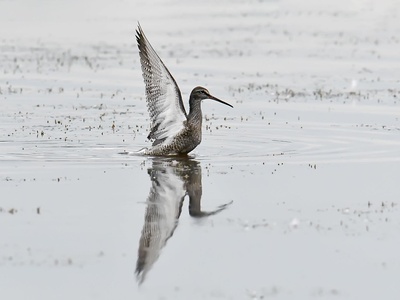
Spotted Redshank
Tall, dark-legged wader, 28–32 cm. Elegant probing bill and strong flight; occurs regularly on passage, sometimes in mixed flocks with other shanks.
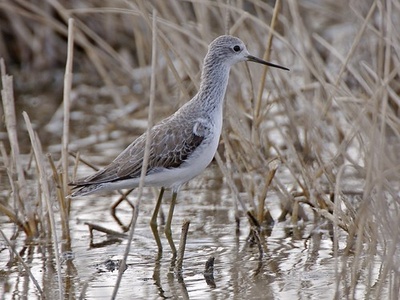
Marsh Sandpiper
Slender wader, 22–26 cm, pale grey and long-legged. Visits shallow wetlands during migration and often feeds in small flocks probing soft mud.
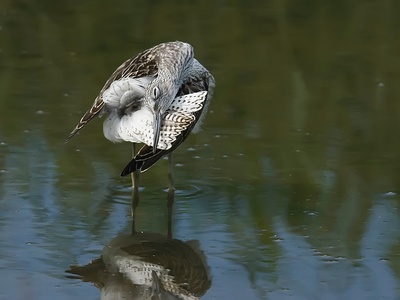
Common Greenshank
Large, long-legged wader, 28–33 cm, with slightly upturned bill. Gleaner and probe feeder on mudflats; regular passage migrant.
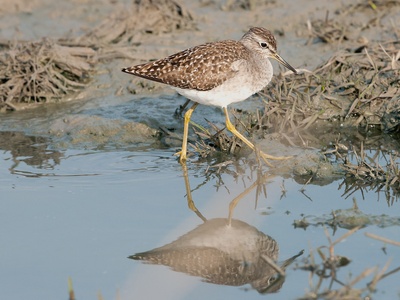
Wood Sandpiper
Small, 20–24 cm wader with dark patterned upperparts. Migratory visitor to shallow wetlands during spring and autumn; agile and alert.

Green Sandpiper
Medium wader, 20–23 cm, dark upperparts and white supercilia. Common migrant and occasional winter visitor; often solitary and skittish.
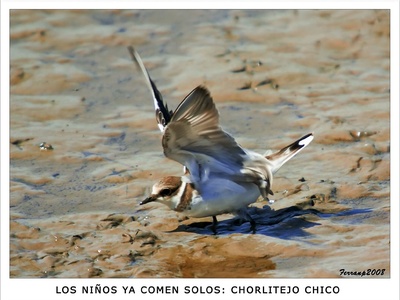
Little Ringed Plover
Small plover, 16–18 cm, pale with a black forehead band. Breeds on bare shingle and gravel, often near flowing water; conspicuous running behavior.
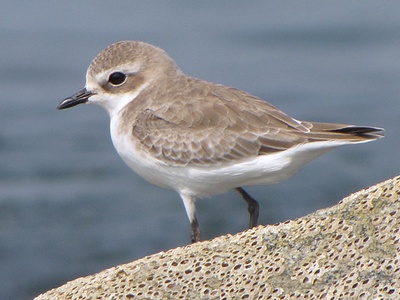
Kentish Plover
Small pale plover, 15–17 cm, with fine bill and sandy tones. Occurs at saline inland lakes and coastal-like habitats; nests on open flats.
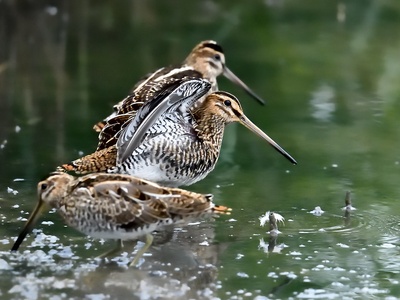
Common Snipe
Cryptic, streaked wader, 25–30 cm, famous for zigzagging flight and drumming display. Common in wetlands on migration and winter stints.
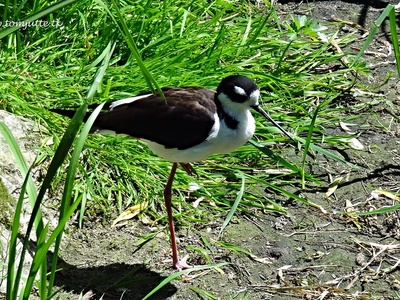
Black-winged Stilt
Very long-legged wader, 33–36 cm, black-and-white plumage. Striking presence in shallow wetlands; wades and probes for invertebrates.
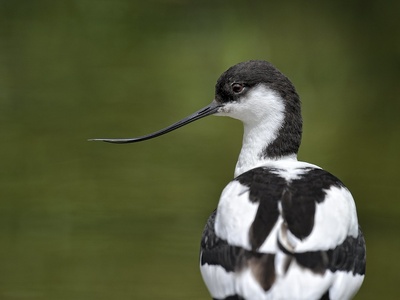
Pied Avocet
Elegant black-and-white wader, 38–42 cm, with upturned bill used for sweeping feeding motions. Regular passage migrant and occasional breeder in favorable seasons.

Black-headed Gull
Medium gull, 35–40 cm, summer dark hood and red bill legs. Frequent visitor in winter; opportunistic feeder at waterbodies and urban areas.
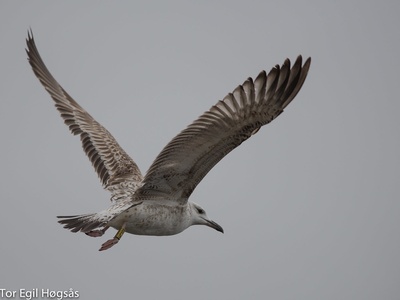
Caspian Gull
Large pale-backed gull, 55–65 cm, common around large inland waters. Breeds and feeds on fish and carrion; often seen with Armenian Gull at Sevan.
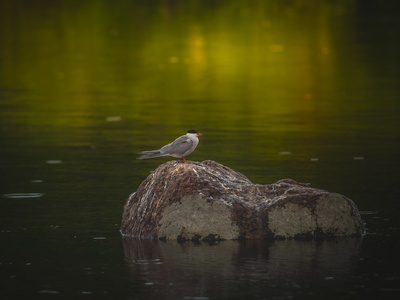
Common Tern
Slim agile tern, 30–35 cm, graceful plunge-diver feeding on small fish. Regular breeder and migrant at larger waterbodies and reservoirs.
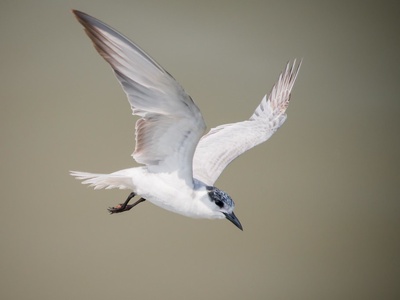
Whiskered Tern
Dark-breasted tern, 23–26 cm, hovering and picking insects and fish. Prefers freshwater marshes and reed edges; seen in migration and breeding seasons.
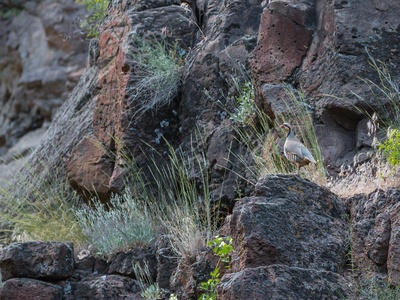
Chukar Partridge
Stocky gamebird, 30–35 cm, with bold black-and-white face pattern. Common in rocky, arid terrain; walks rapidly and is often heard more than seen.

Caucasian Snowcock
Large ground-dwelling bird, 50–60 cm, cryptic mottled plumage. Lives at high elevations in the Greater Caucasus; shy and often in small flocks on cliffs and scree.
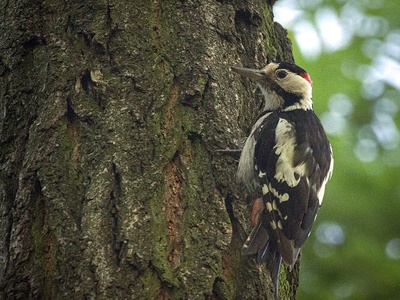
Syrian Woodpecker
Medium woodpecker, 20–25 cm, barred back and red undertail. Common in lowland trees and gardens; taps and drums on trunks while foraging insects.
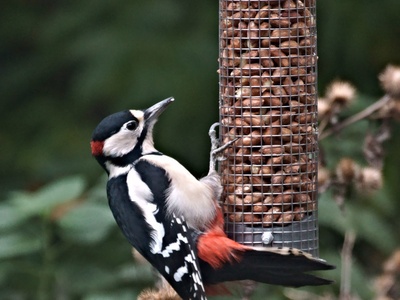
Great Spotted Woodpecker
Bold black-and-white woodpecker, 23–26 cm, with red belly patch. Drilling behavior and loud calls make it conspicuous in wooded habitats across elevations.
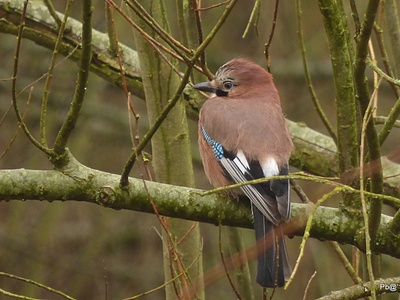
Eurasian Jay
Colorful corvid, 34–36 cm, with blue wing patches and strong bill. Vocal and secretive, caches acorns and other food; common in forested areas.
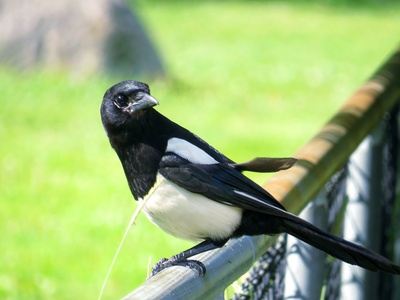
Eurasian Magpie
Long-tailed black-and-white corvid, 45–50 cm. Bold and adaptable, often in pairs or small groups near human habitation; omnivorous and conspicuous.
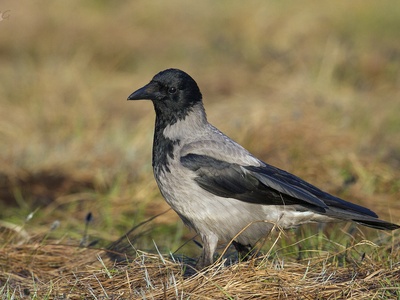
Hooded Crow
Grey-and-black corvid, 48–53 cm, noisy and intelligent. Very common across Armenia, scavenges and forages in diverse habitats.
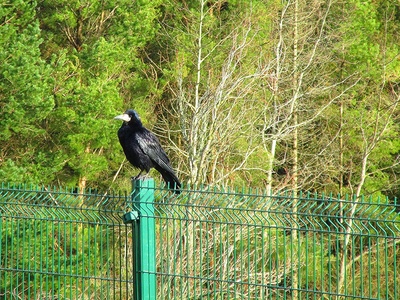
Rook
Medium corvid with bare greyish face in adults, 44–48 cm. Colonial breeder in trees and feeds on farmland in flocks; a common agricultural species.
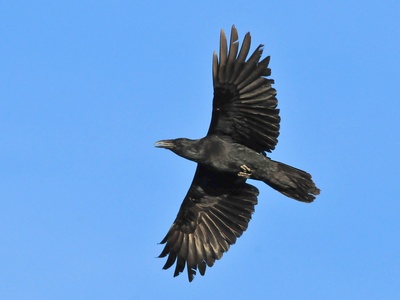
Common Raven
Largest passerine, 60–70 cm, glossy black with deep croak. Highly intelligent, thrives across highlands and lowlands; often seen singly or in pairs near cliffs.
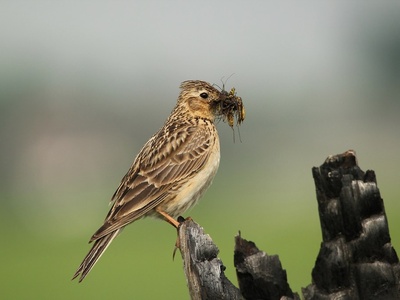
Eurasian Skylark
Small brown songbird, 16–19 cm, famed for prolonged aerial song display. Ground-nesting species of open habitats; widely distributed across Armenia’s lowlands.

Crested Lark
Stout brown lark, 16–18 cm, with crest raised when alarmed. Ground-dweller of arid plains and agricultural lands; conspicuous song from low perches or on ground.

Calandra Lark
Large lark, 17–20 cm, with powerful song and crested posture. Prefers extensive steppe and farmland; locally common breeder with booming song flight.
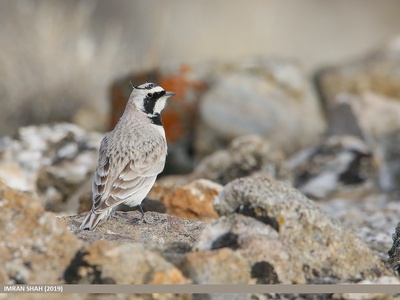
Horned Lark
Compact lark, 15–18 cm, with small facial black-and-white patterns. Inhabits open highland terrain and dry steppe; ground-nesting and often seen in small flocks.
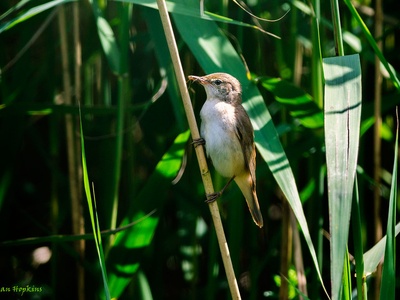
Eurasian Reed Warbler
Plain brown warbler, 12–13 cm, sings from reeds and concealed perches. Common in summer where tall reedbeds occur; insectivorous and secretive.
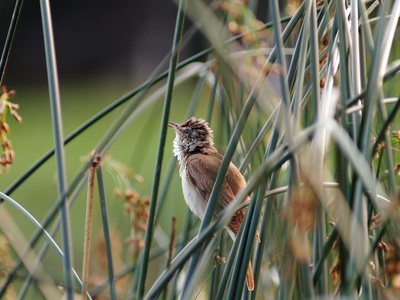
Great Reed Warbler
Large, loud warbler, 16–18 cm, with booming song. Dominant in tall reed habitats, territorial and conspicuous by song during breeding season.
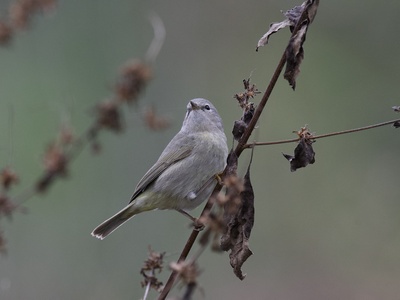
Common Chiffchaff
Small greenish warbler, 10–12 cm, lively tail-flicker and repetitive song. Early spring migrant and summer breeder in many wooded areas; insect-eating.
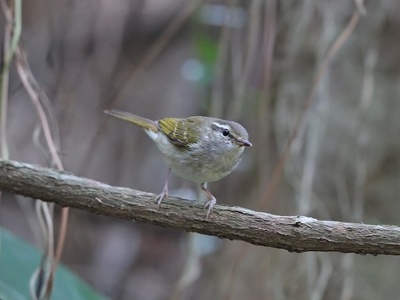
Willow Warbler
Delicate warbler, 10–12 cm, pale underparts and soft descending song. Arrives in spring to breed in cooler upland and riparian woodlands.
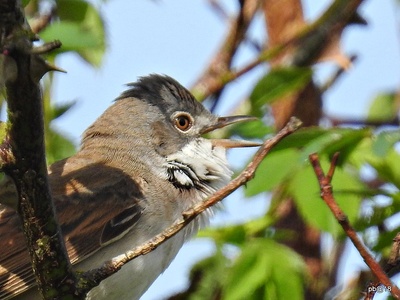
Common Whitethroat
Grey-brown warbler, 13–15 cm, loud and varied song. Favors dense bushes for nesting; conspicuous in summer by song and flitting behavior.

Lesser Whitethroat
Small grey-brown warbler, 12–14 cm, with strong ticking song. Prefers dry scrub and thorny bushes; common breeding summer migrant.
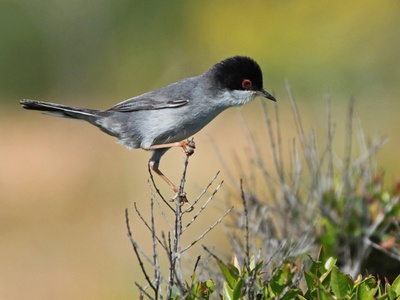
Sardinian Warbler
Small lively warbler, 12–13 cm, male with black cap and red eye-ring. Typical of warm scrub habitats in lowlands; sings persistently and often visible.
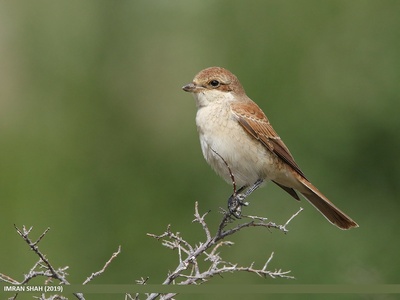
Red-backed Shrike
Medium shrike, 16–18 cm, male with grey head and rufous back. Perches prominently to sally for large insects and small vertebrates; common migrant and summer breeder.
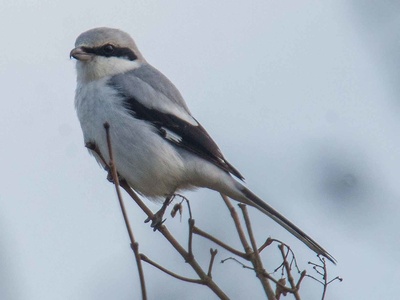
Great Grey Shrike
Large predatory passerine, 22–25 cm, grey with black mask. Hunts from exposed perches, impaling prey on thorns; resident in open habitats and hills.
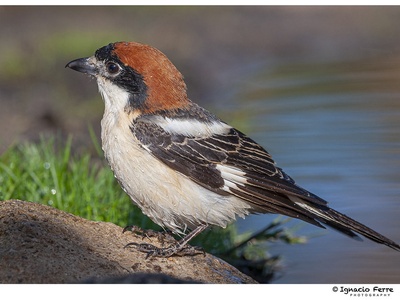
Woodchat Shrike
Striking shrike, 18–20 cm, chestnut crown and black mask. Summer visitor that favors open agricultural landscapes with perching posts for hunting.
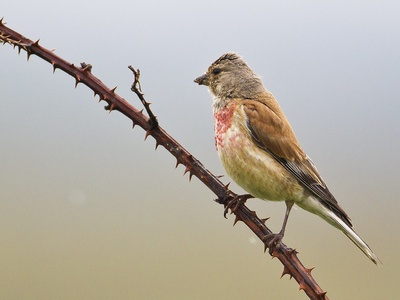
Common Linnet
Small finch, 12–14 cm, males with rosy breast in breeding season. Forms flocks outside breeding season; seeds and buds are primary diet.
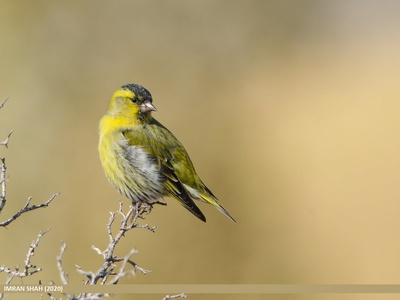
Eurasian Siskin
Small green-and-black finch, 11–13 cm, often in noisy flocks. Visits Armenia in winter or passage periods, feeding on seeds from alder and spruce cones.
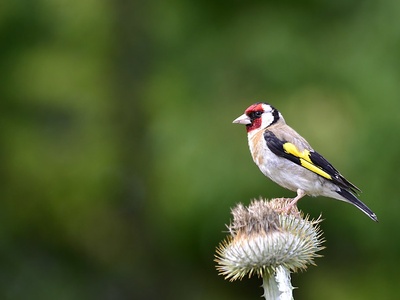
European Goldfinch
Bright small finch, 12–13 cm, red face and black-and-yellow wings. Common and conspicuous at seed-rich fields and feeders; musical twittering calls.
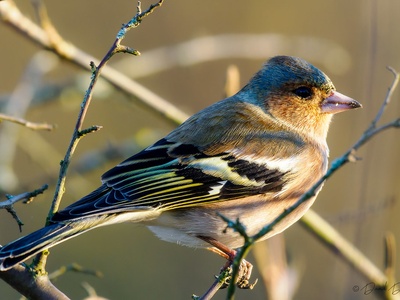
Common Chaffinch
Stocky finch, 14–16 cm, male colorful with blue-grey cap. Abundant in wooded areas; sings melodically and often seen perched conspicuously.
Brambling
Robust finch, 15–16 cm, males flash white rump and orange breast in winter flocks. Winters in woodland areas and visits feeders in cold seasons.

Hawfinch
Large, heavy-billed finch, 18–20 cm, chunky with powerful bill for cracking seeds. Secretive in treetops but occasionally visits fruiting trees and orchards.
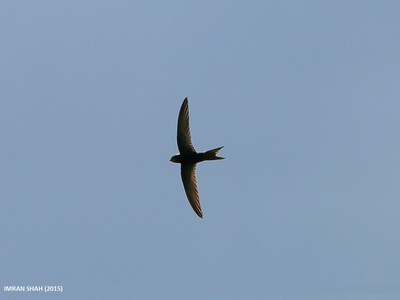
Common Swift
Aerial specialist, 16–17 cm, spends most of life on wing. Fast, screaming flocks nest in buildings or cliffs; summer visitor arriving with warm weather.
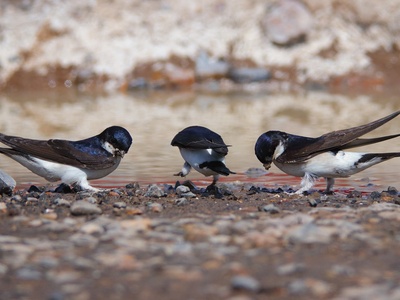
House Martin
Small swallow-like bird, 12–13 cm, white rump and belly. Nests under eaves in colonies; summer breeder feeding on aerial insects over water and fields.
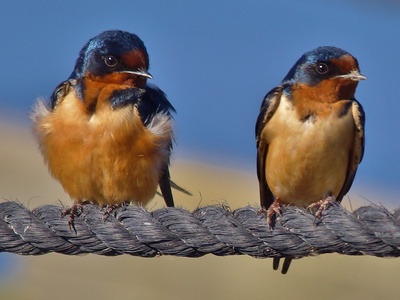
Barn Swallow
Iconic swallow, 17–19 cm, forked tail and glossy blue upperparts. Ubiquitous summer breeder; nests in buildings and barns, catching insects on the wing.
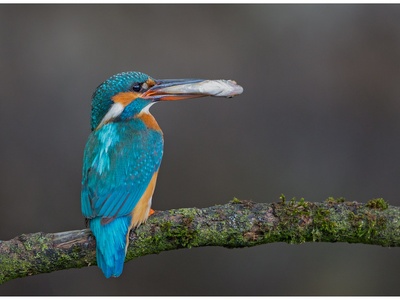
Common Kingfisher
Tiny brightly colored bird, 16–17 cm, turquoise back and orange belly. Perches over water to dive for small fish; localized but rewarding species to spot.
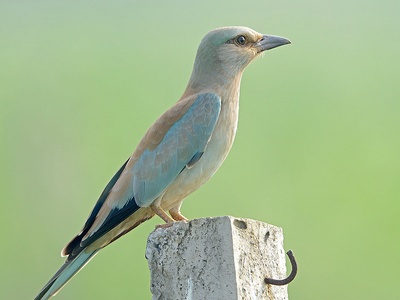
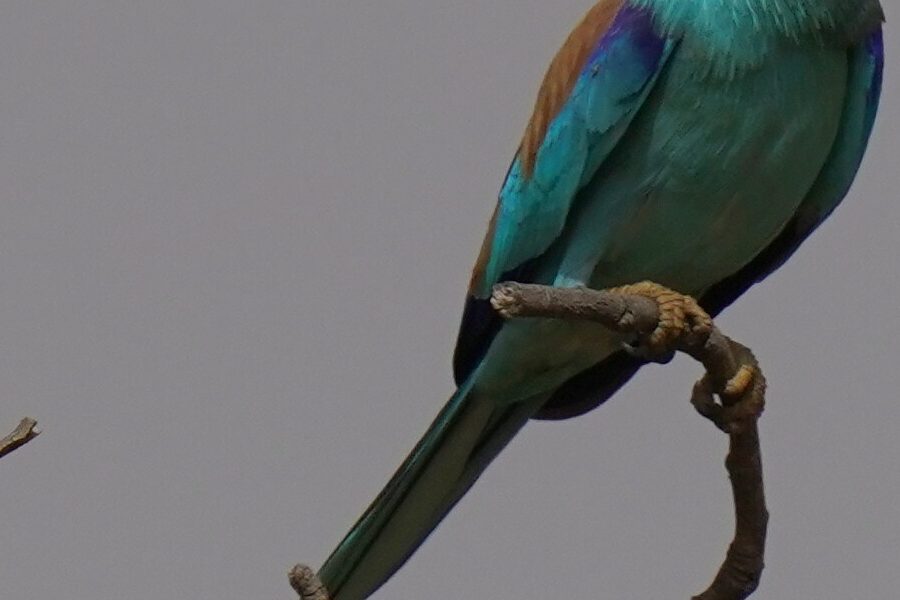
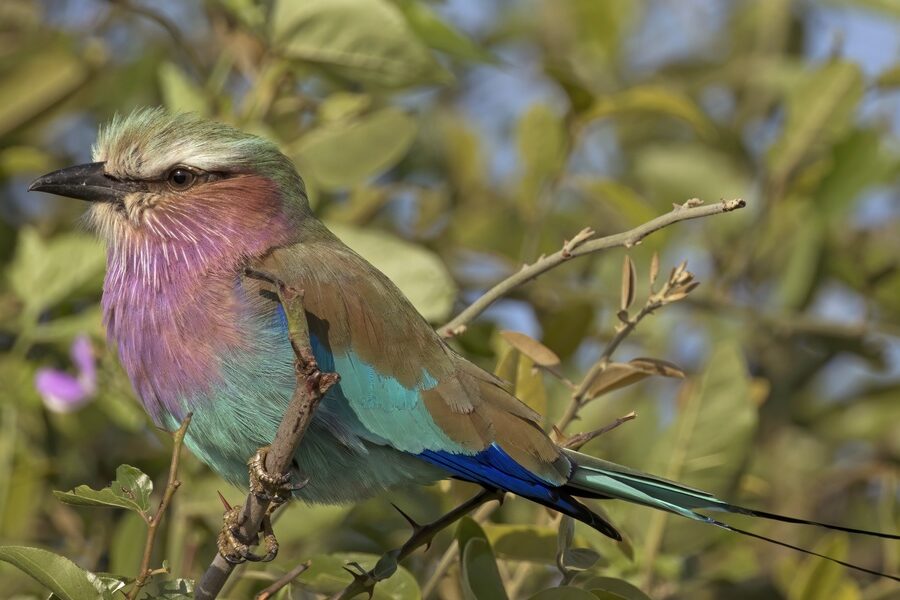
European Roller
Striking turquoise and chestnut bird, 30–32 cm. Breeds in cavities and feeds on large insects and small reptiles; notable and colorful summer visitor.
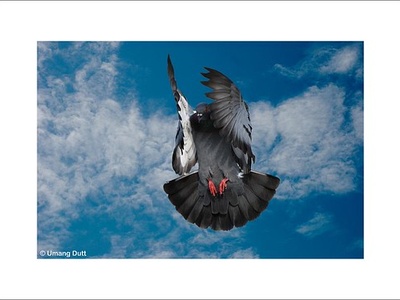
Rock Dove (wild)
Wild ancestor of domestic pigeons, 32–36 cm, bluish with two wing bars. Native cliff-nesting form persists in mountains and towns; highly adaptable and common.
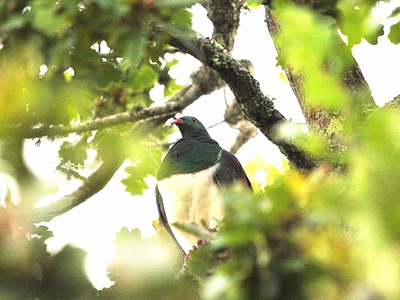
Wood Pigeon
Large pigeon, 38–40 cm, with white neck patches. Common woodland species and regular migrant breeder; powerful flight and characteristic cooing.
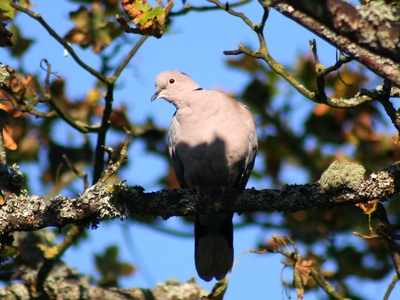
Eurasian Collared-Dove
Pale dove, 32–34 cm, with black neck collar. Rapidly expanded range; commonly seen in urban and rural areas as a persistent resident.
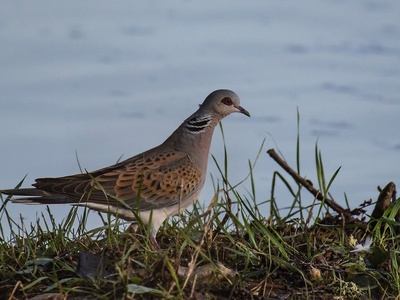
European Turtle Dove
Graceful dove, 22–24 cm, soft purring song and mottled plumage. Declining migrant due to habitat loss and hunting; summer visitor in scattered sites.
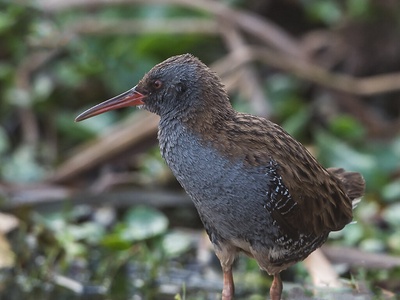
Water Rail
Shy rail, 23–28 cm, with brown streaked plumage and thin bill. More often heard than seen; sneaks through reeds in wetland habitats during migration and winter.
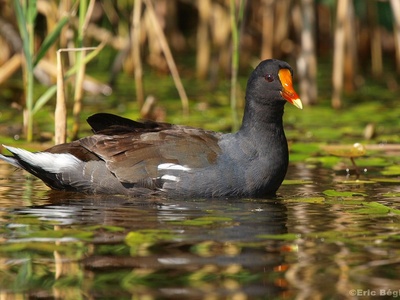
Common Moorhen
Dark waterbird, 30–35 cm, with red frontal shield and white flank stripes. Common in vegetated freshwater habitats and active by day, feeding on plants and small animals.
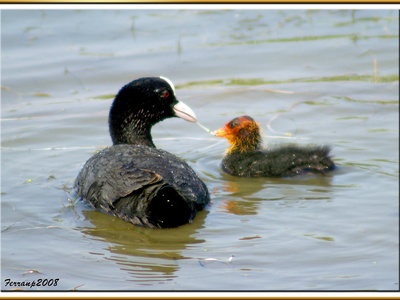
Common Coot
Black waterbird, 35–40 cm, white frontal shield and lobed feet. Social and noisy, often on open water; common breeder on lakes and rivers.
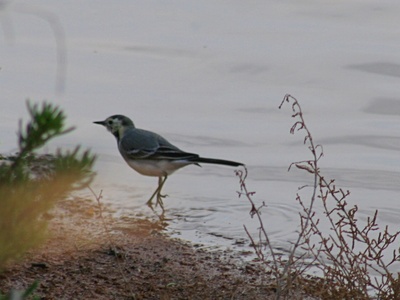
White Wagtail
Slim wagtail, 16–19 cm, bold black-and-white pattern and wagging tail. Frequent along watercourses and human settlements; insectivorous and conspicuous.
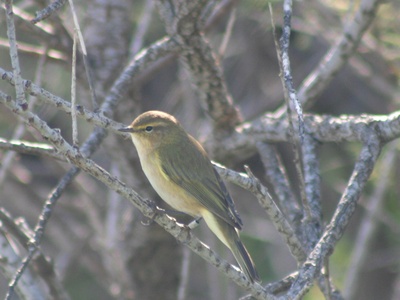
Yellow Wagtail
Colorful slender wagtail, 16–18 cm, males show varied regional plumage. Breeds in wet grasslands and fields; arrives in spring for insect-rich nesting sites.

Meadow Pipit
Small streaked pipit, 14–16 cm, with high song flight. Common migrant and winter visitor in open grassy areas, feeding on insects and seeds.
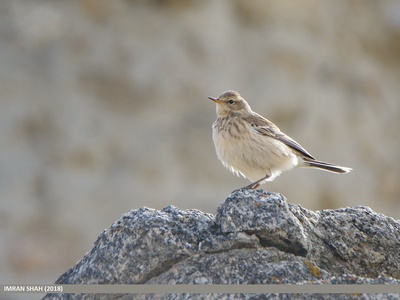
Water Pipit
Streaked brown pipit, 15–16 cm, pale underparts in winter. Breeds in higher alpine areas and descends to lowland water margins in winter; often seen feeding on mud.
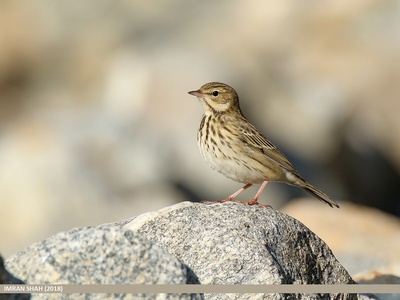
Tree Pipit
Slender brown pipit, 15–17 cm, sings a rich ascending song from perches. Prefers open forest habitats for breeding; sings in display flights.
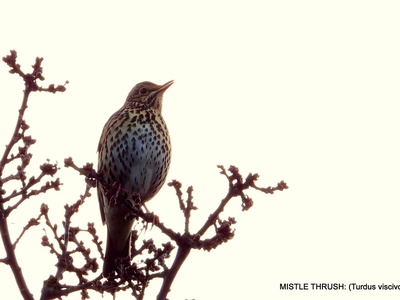
Mistle Thrush
Large thrush, 25–28 cm, upright posture and loud fluting song. Eats berries and invertebrates; tolerant of cold and often defends fruiting trees in winter.
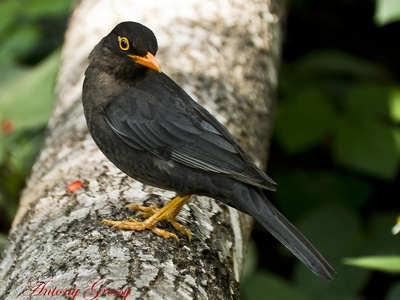
Common Blackbird
Familiar songster, 23–28 cm; male glossy black and female brown-speckled. Common in villages and forests; bold and often the first singing bird at dawn.