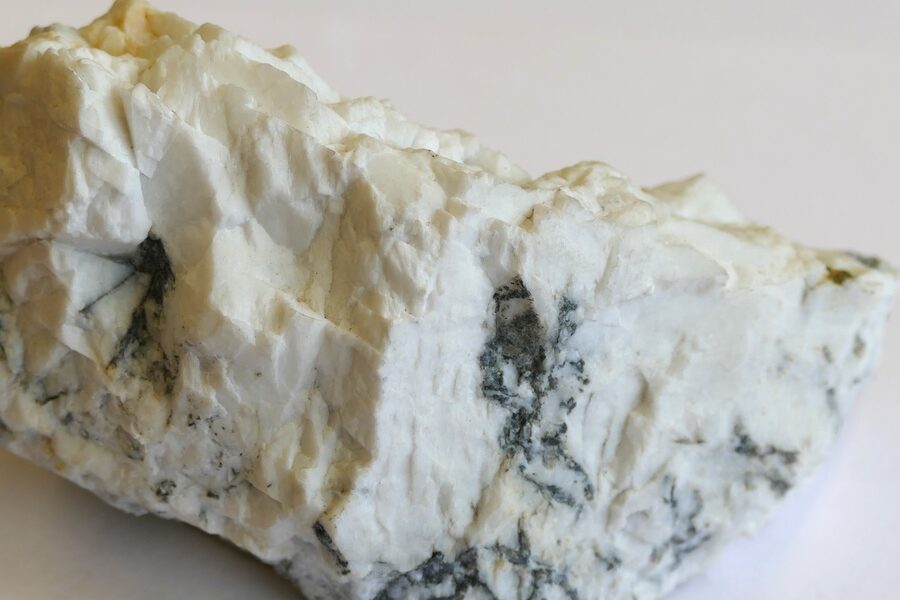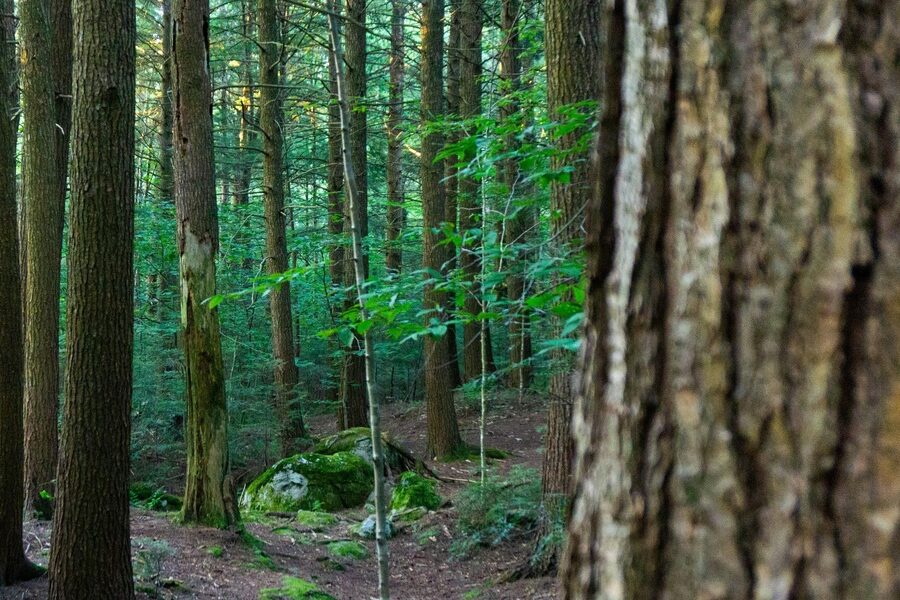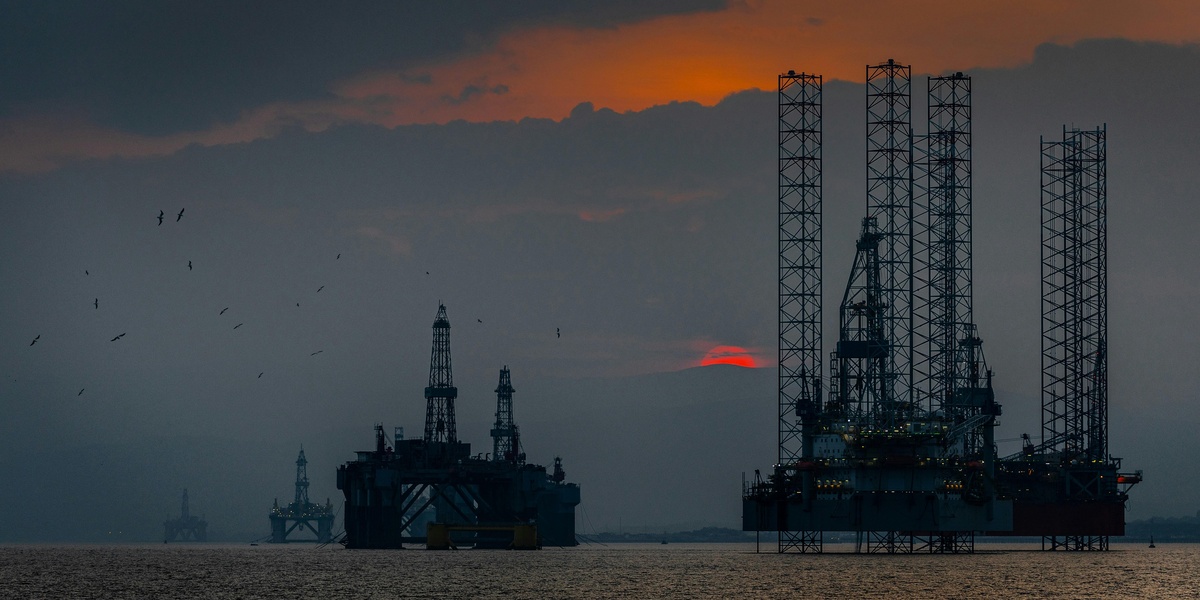
Scotland’s landscapes shape its economy: peatlands, forests, rivers and coastlines supply materials, energy and food that support towns and export markets. From upland moors to sheltered seas, local practices and modern industry both rely on what the land and water provide.
There are 17 Natural Resources of Scotland, ranging from Aggregates (sand & gravel) to Wild fisheries (mixed species). For each entry, data are presented in columns: Category,Key locations,Typical annual output (metric), so you can compare scale and distribution — you’ll find below.
How current are the output figures and where do they come from?
Most figures are drawn from recent government and industry reports and represent typical annual outputs; where estimates are used it’s because production varies year to year due to weather, market demand or stock assessments. Check the source notes in the list below for publication dates and caveats.
How can communities use this list to plan locally?
The list helps identify which resources are active nearby and their typical scale, so councils or businesses can assess jobs, supply chains and environmental impacts; combine it with local planning documents and stakeholder consultation for practical decisions.
Natural Resources of Scotland
| Name | Category | Key locations | Typical annual output (metric) |
|---|---|---|---|
| Crude oil | Energy | North Sea (East & West), West of Shetland | 150,000,000 barrels/year |
| Natural gas | Energy | North Sea, West of Shetland | 20 billion m3/year |
| Onshore wind | Energy | Highlands, Southern Uplands, Central Belt | 11,000 MW capacity; c.30,000 GWh/year |
| Offshore wind | Energy | Firth of Forth, Moray Firth, East coast | 2,500 MW capacity; c.8,000 GWh/year |
| Hydropower | Energy | Highlands (Lochaber, Argyll), islands | 1,700 MW capacity; c.6,000 GWh/year |
| Tidal and wave energy | Energy | Pentland Firth, Orkney, Shetland | Pilot-scale; demonstration projects generate <1 GWh/year |
| Farmed salmon | Marine | West coast, Shetland, Orkney, Hebrides | c.160,000 tonnes/year |
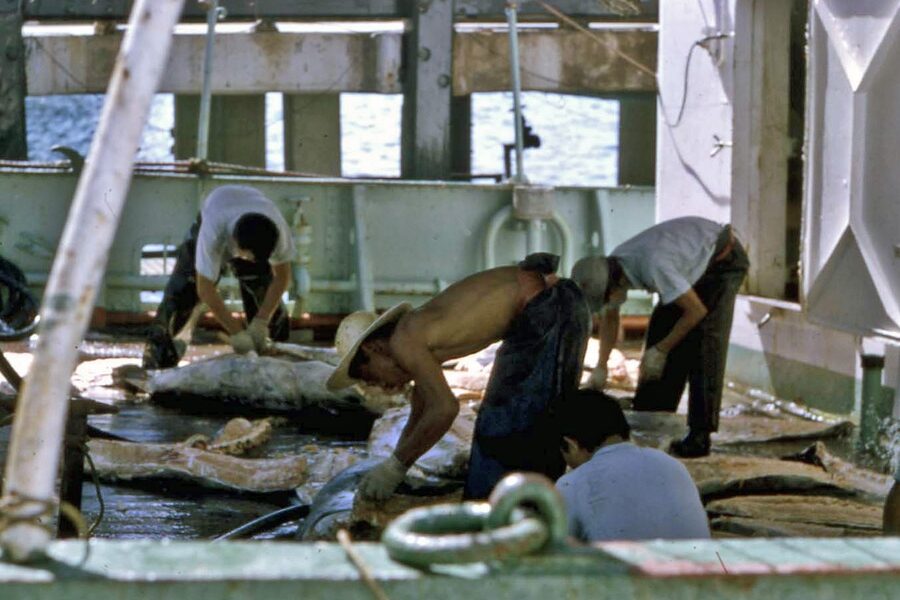
| Wild fisheries (mixed species) | Marine | West coast, North Sea ports, Moray Firth | c.400,000 tonnes/year |
| Shellfish (mussels, scallops, oysters) | Marine | Western Isles, West coast, Firth of Clyde | c.30,000 tonnes/year |
| Seaweed (kelp) | Marine | Western Isles, Hebrides, Shetland | c.10,000 tonnes wet/year |
| Timber (softwood) | Forestry | Central Belt, Highlands, Aberdeenshire | c.3,000,000 m3/year |
| Peat (extraction) | Peat | Lowland and upland bogs across Scotland | c.500,000 m3/year |
| Barley (malting and feed) | Agriculture | Aberdeenshire, Angus, Borders, Fife | c.1,000,000 tonnes/year |
| Sheep (lamb meat) | Agriculture | Highlands, Islands, Borders | c.200,000 tonnes meat/year |
| Cattle (beef) | Agriculture | Central Belt, Borders, Aberdeenshire | c.150,000 tonnes meat/year |
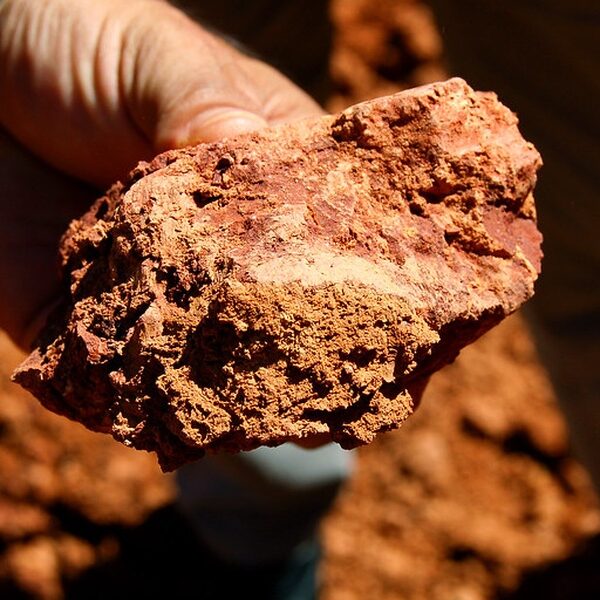
| Aggregates (sand & gravel) | Minerals | Central Belt, coastal quarries, Highlands | c.20,000,000 tonnes/year |
| Coal | Minerals | Ayrshire, Fife, Lanarkshire (limited modern sites) | c.500,000 tonnes/year |
Images and Descriptions
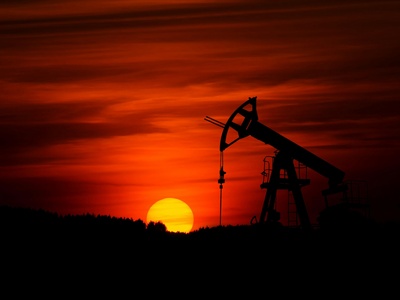
Crude oil
North Sea crude is Scotland’s largest fossil fuel resource, extracted from offshore fields and platforms. It fuels refineries, exports and petrochemical feedstocks and remains a major revenue and jobs source while presenting long-term environmental and decommissioning challenges.
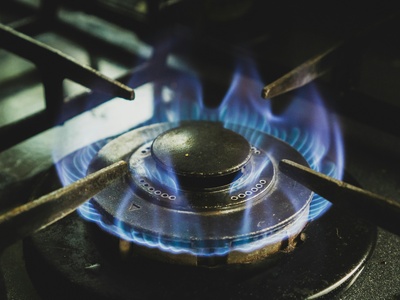
Natural gas
Offshore natural gas supplies UK markets and power generation. Scottish-linked fields and infrastructure support heating, industry and power, contributing to energy security while facing decline and carbon-emissions concerns.
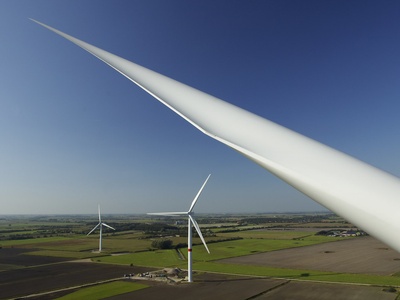
Onshore wind
Scotland’s abundant winds power thousands of turbines on land, producing large renewable electricity volumes, supporting exports, local jobs and net-zero targets, while raising landscape and planning debates.
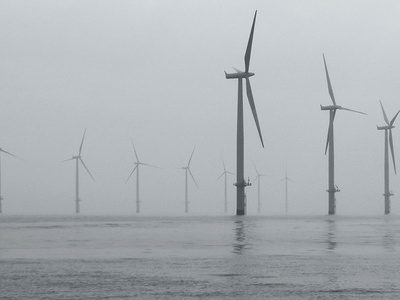
Offshore wind
Offshore wind farms exploit strong coastal winds for large-scale renewable generation. They support supply chain growth, local ports and decarbonisation, though they require careful marine planning and grid upgrades.

Hydropower
Scotland’s hydro dams and pumped storage use upland rivers and lochs to deliver reliable renewable electricity and seasonal balancing. They have long-lived infrastructure, provide flood regulation, and impact upland habitats.
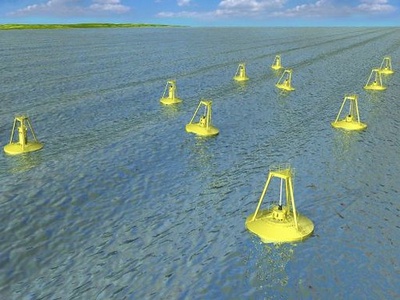
Tidal and wave energy
Tidal and wave projects harness powerful coastal currents and waves. Still largely demonstration-scale, they promise predictable renewable power if technology and investment scale up, with local environmental monitoring needs.
Farmed salmon
Scottish farmed Atlantic salmon is a high-value food export grown in sea pens. The industry supports rural economies but raises environmental concerns about sea lice, escapes and feed sustainability.
Wild fisheries (mixed species)
Wild-capture fisheries (herring, mackerel, whitefish) supply domestic and export markets. They sustain coastal communities but face stock management, quota disputes and ecosystem impacts from overfishing.
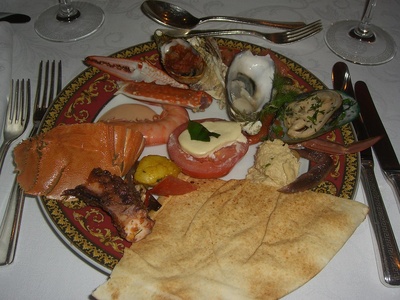
Shellfish (mussels, scallops, oysters)
Shellfish fisheries and aquaculture harvest mussels, scallops and oysters. They provide high-value seafood and jobs, with localized environmental impacts and strong export markets for premium products.
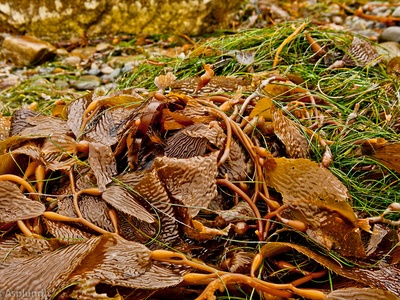
Seaweed (kelp)
Wild-harvested and farmed seaweeds are used for food, cosmetics, fertiliser and industrial extracts. The sector is growing as a sustainable coastal industry with carbon and biodiversity co-benefits if managed responsibly.
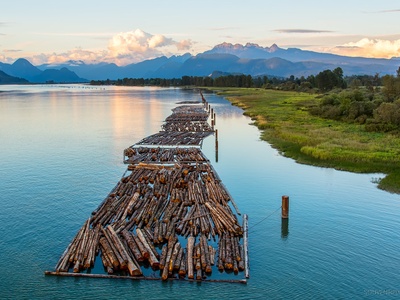
Timber (softwood)
Managed conifer plantations supply sawlogs and pulp for construction and biomass. Forestry supports rural jobs and carbon sequestration but involves land-use change, species choice and biodiversity trade-offs.
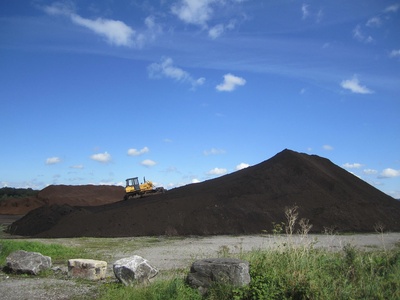
Peat (extraction)
Peat has long been cut for horticulture and domestic fuel. Extraction yields horticultural material and peat products but is increasingly constrained because of carbon emissions and peatland restoration priorities.
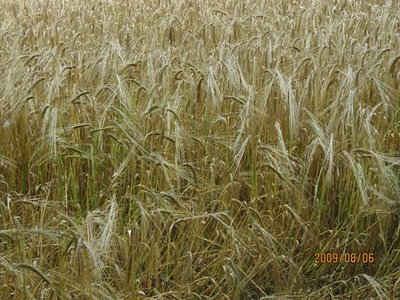
Barley (malting and feed)
Barley is central to Scotland’s whisky industry and animal feed. Malting barley underpins a major export sector (Scotch whisky) and rural farming incomes, linking agriculture tightly to national cultural identity.
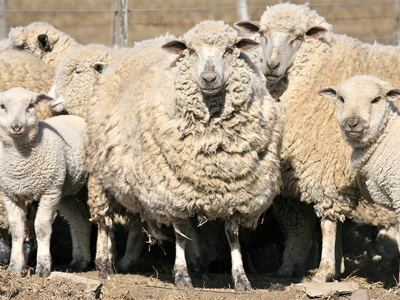
Sheep (lamb meat)
Sheep farming dominates upland and marginal land, producing lamb and wool. It sustains remote communities, shapes cultural landscapes and biodiversity, but faces market and environmental pressures.
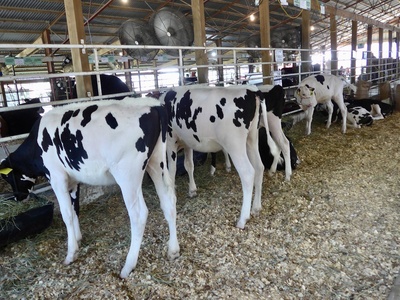
Cattle (beef)
Beef production from cattle farms supplies domestic and export markets. It supports mixed farming systems and rural employment while contributing to greenhouse gas emissions and land-use debates.
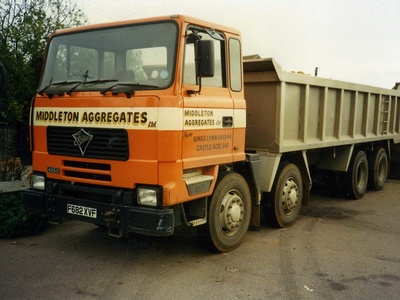
Aggregates (sand & gravel)
Quarried sand, gravel and crushed rock supply construction and infrastructure projects nationwide. Aggregates are ubiquitous, economically vital, and require careful planning to limit landscape, habitat and transport impacts.
Coal
Coal extraction in Scotland is now small-scale compared with history but supplies local industry and power import markets. Ongoing decline reflects climate policy; legacy mining requires environmental remediation and community transition planning.