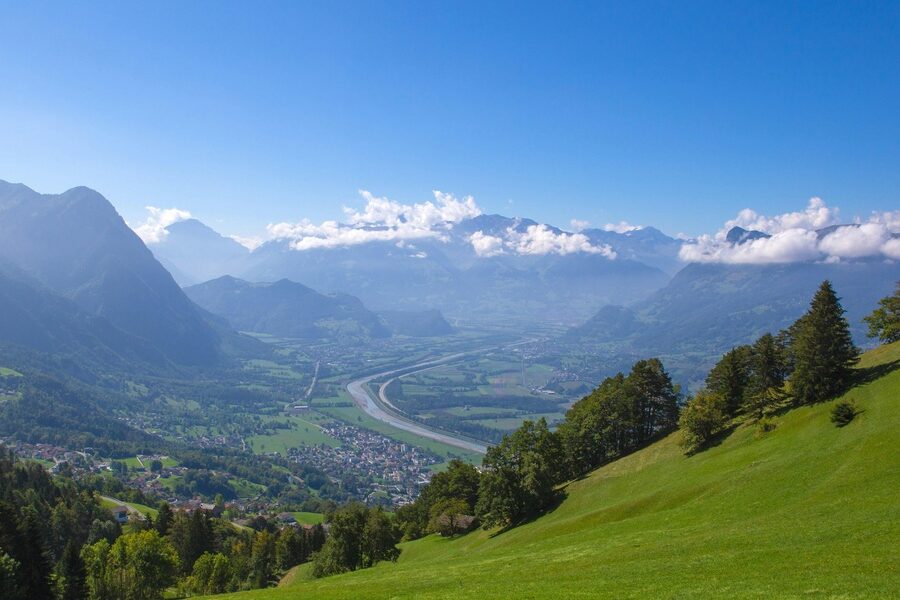
Arkansas’s mix of lowland rivers, forested highlands and productive agricultural plains supports a wide array of soils, timber, minerals, water and wildlife that shape local communities and industries. From riverboats on the Mississippi to trout streams in the mountains, the state’s natural setting is practical and place-based.
There are 23 Natural Resources in Arkansas, ranging from Alluvial (Delta) soils to White‑tailed deer. For each resource, information is presented under Category,Primary locations,Typical scale (unit) with a brief note on distribution and common uses — you’ll find below.
Where are the major concentrations of these resources in the state?
Most resources cluster by physiographic region: the Delta hosts rich alluvial soils and row‑crop systems, the Ozarks and Ouachitas concentrate timber, minerals and game species, and the Arkansas and White River valleys support fisheries and wetlands. Local land use and hydrology determine precise patterns.
How can I use this list for planning or study?
Use the list as a quick reference to identify which resources occur where, compare scales (local patch vs. statewide), and prioritize field surveys, conservation actions or recreational trips; the Category,Primary locations,Typical scale (unit) layout makes it easy to filter by interest.
Natural Resources in Arkansas
| Resource | Category | Primary locations | Typical scale (unit) |
|---|---|---|---|
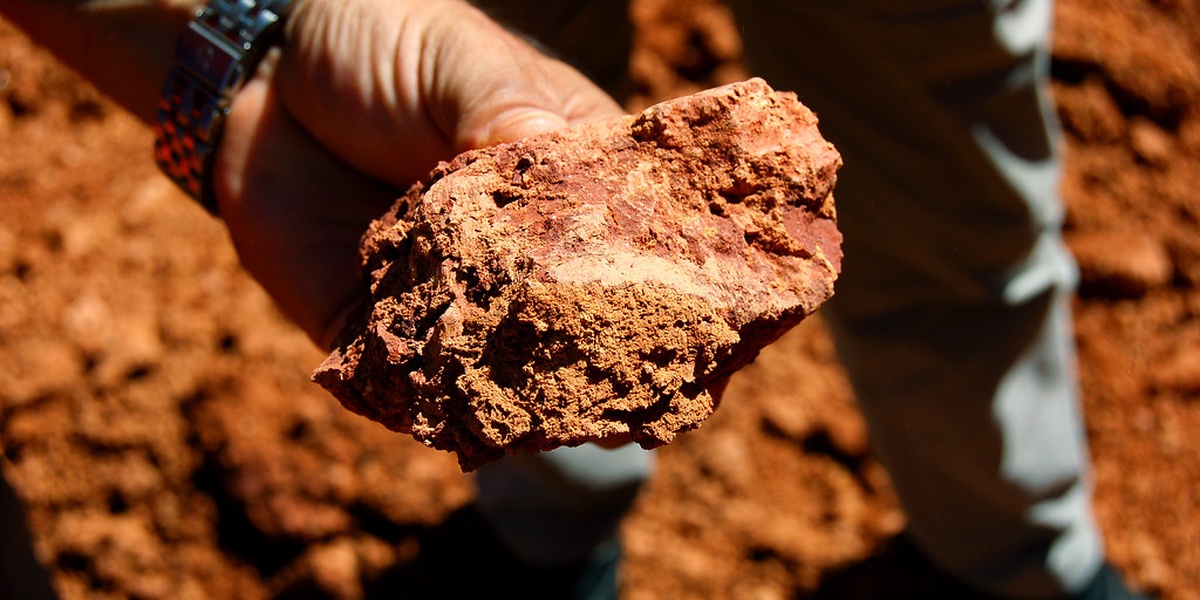
| Bauxite | Mineral | Saline, Pulaski, Jefferson counties | Reserves: 40,000,000 tons |
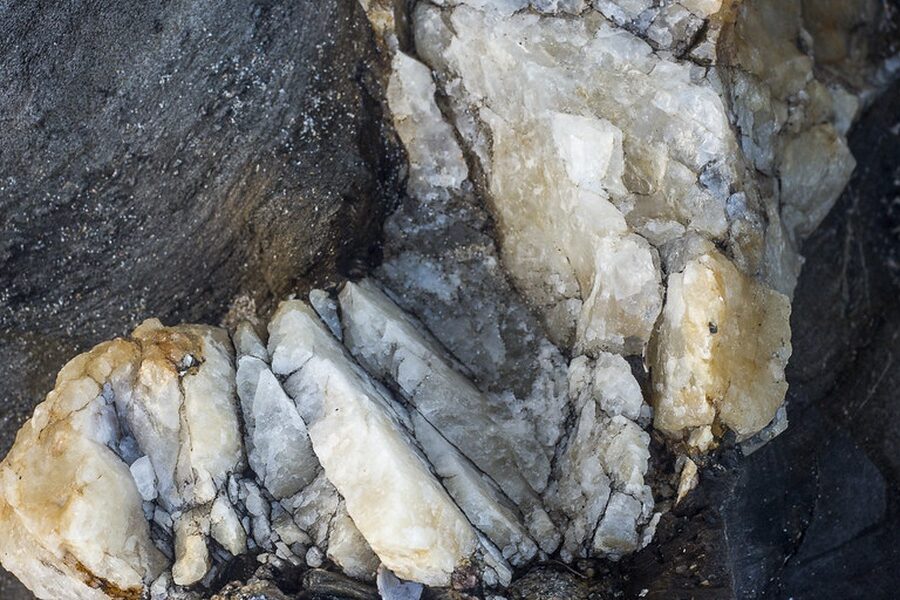
| Quartz (crystal) | Mineral | Hot Springs, Garland, Montgomery | Occurrence area: 1,000 km2 |
| Diamond | Mineral | Pike County (Crater of Diamonds) | Finds: 200 carats/year (typical) |
| Barite | Mineral | Montgomery, Garland counties | Production: 10,000 tons/year |
| Limestone | Mineral | Ozark Plateau, Ouachita foothills | Production: 3,000,000 tons/year |
| Sand and gravel | Mineral | Delta, Arkansas River valley | Production: 10,000,000 tons/year |
| Clay (industrial) | Mineral | Mississippi Delta, central counties | Production: 500,000 tons/year |
| Coal | Energy | Polk County, Ouachita Mountains | Production: 200,000 tons/year |
| Oil | Energy | Union, Columbia, Ouachita counties | Production: 2,000,000 barrels/year |
| Natural gas | Energy | Union, Columbia, Fayetteville Shale region | Production: 200,000,000 m3/year |
| Shale gas (Fayetteville Shale) | Energy | Northwest & central Arkansas | Reserve: 5,000,000,000 m3 |
| Forest land | Forest | Statewide | Area: 7,900 km2 |
| Pine (loblolly) forests | Forest | Southern & central Arkansas | Area: 4,000 km2 |
| Oak‑hickory forests | Forest | Ozarks & north Arkansas | Area: 3,000 km2 |
| Alluvial (Delta) soils | Soil | Arkansas Delta counties | Area: 20,000 km2 |
| Mollisols (upland farm soils) | Soil | Grand Prairie, northeast Arkansas | Area: 3,500 km2 |
| Groundwater (alluvial aquifers) | Water | Mississippi Delta, Arkansas River valley | Aquifer area: 25,000 km2 |
| Rivers & reservoirs (surface water) | Water | Statewide (Arkansas, White, Mississippi) | Surface network: 45,000 km (streams) |
| Commercial catfish aquaculture | Fish | Delta, northeast Arkansas | Production: 30,000 tons/year |
| Largemouth bass (sport fish) | Fish | Reservoirs & rivers statewide | Angler catch: 200,000 fish/year |
| White‑tailed deer | Wildlife | Statewide woodlands | Population: 1,000,000 animals |
| Black bear | Wildlife | Ozarks, Ouachita Mountains | Population: 3,000 animals |
| Freshwater mussels | Wildlife | White River, Ouachita River systems | Species: 50 species |
Images and Descriptions
Bauxite
Aluminum ore historically mined in central Arkansas; large deposits powered early 20th‑century mining and still mark geology. Economically important for ore history; many sites reclaimed (USGS, AR Geological Survey).
Quartz (crystal)
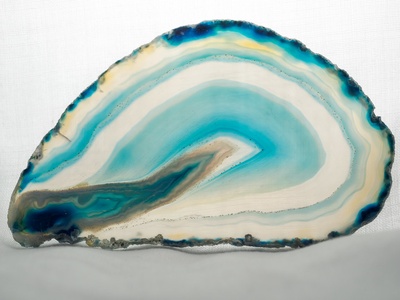
Clear quartz crystals and aggregates occur in the Ouachita Mountains and near Hot Springs; sought by collectors and used industrially as silica source. Ecologically low impact but popular for rockhounding (USGS).

Diamond
Arkansas is the only U.S. state with public diamond finds; diamonds occur in a volcanic kimberlite-like pipe in Pike County. Tourism and education value high; occasional commercial finds (USGS, state).
Barite
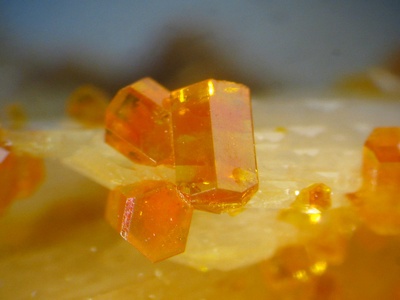
Barite (barium sulfate) occurs in Ouachita-region veins; it’s used in oil drilling fluids and industry. Small-scale mining supports local industry; deposits remain regionally important (USGS).
Limestone
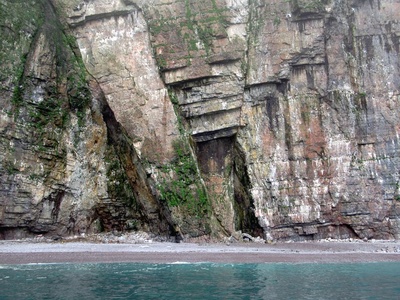
Widespread limestone used for cement, road base, and agriculture (lime). Quarries in northwest and central Arkansas supply construction and industry; karst landscapes need conservation (USGS).
Sand and gravel
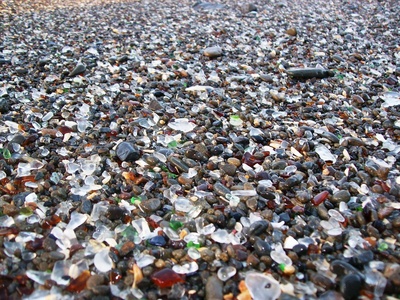
Alluvial sand and gravel from river valleys supply construction aggregate statewide. Economically vital for concrete and road work; extraction can affect river habitats (USGS, AR DOT).
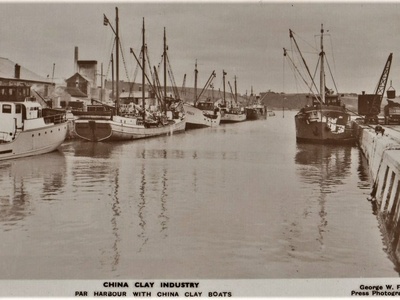
Clay (industrial)
Plastic clays and kaolinitic sediments appear in Delta and upland weathering zones; used in ceramics, brick and fill. Local industry and agriculture value; erosion control matters (USGS).

Coal
Small, low‑grade coal seams occur in western Arkansas; limited modern production but historically mined. Local energy and industrial uses exist; environmental impacts constrain expansion (USGS).

Oil
South Arkansas oil fields (Smackover and other formations) have produced oil for decades. Important to regional economy; production fluctuates and fields are mature (USGS, AR Geological Survey).

Natural gas
Both conventional fields and shale (Fayetteville Shale) supply natural gas. Fuel and petrochemical feedstock for Arkansas; development monitored for environmental impacts (USGS).
Shale gas (Fayetteville Shale)
A major shale play underlying much of north/central Arkansas. Source of natural gas with past drilling booms; key energy reserve with regulation and well closures affecting local communities (USGS).
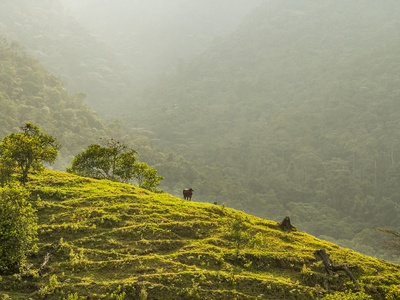
Forest land
Nearly half the state is forested, supplying timber, wildlife habitat, and recreation. Forests support pulp, sawtimber, and carbon sequestration; management balances harvest with conservation (USDA Forest Service).
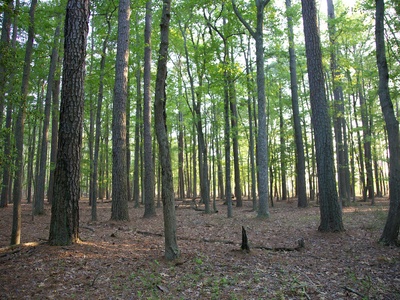
Pine (loblolly) forests
Loblolly pine plantations dominate the southern timber economy; fast‑growing for pulp and lumber. Important for forestry jobs and wildlife, but monocultures raise biodiversity concerns (USDA).
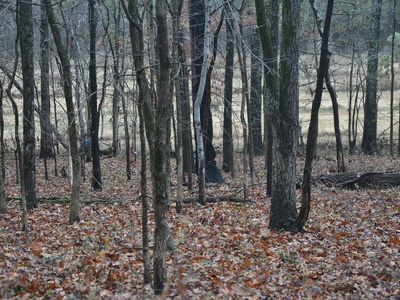
Oak‑hickory forests
Mixed oak and hickory stands in the Ozarks support high biodiversity and quality hardwood timber. Valuable for hunting, recreation, and resilient ecosystems (USDA, AR Game & Fish).
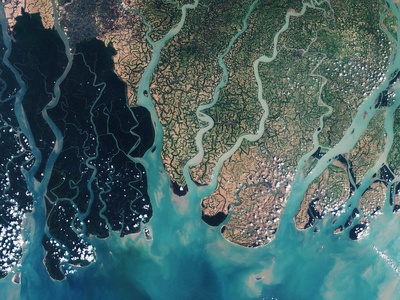
Alluvial (Delta) soils
Deep, fertile alluvial soils of the Delta support row crops like rice, soy and cotton. Agriculturally priceless but prone to erosion and wetland loss; conservation soil practices encouraged (USDA NRCS).
Mollisols (upland farm soils)
Productive dark soils on uplands used for row crops and pasture. High organic matter and prime farmland status make them central to Arkansas agriculture (USDA NRCS).
Groundwater (alluvial aquifers)
Alluvial aquifers supply irrigation and drinking water across the Delta and river valleys. Critical to agriculture and towns; recharge and contamination are key management issues (USGS, USGS NAWQA).
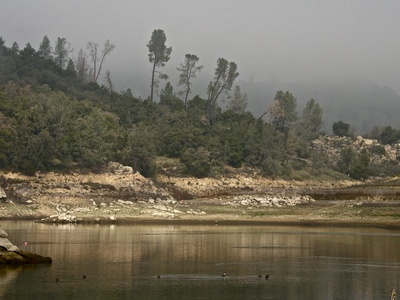
Rivers & reservoirs (surface water)
Major rivers and reservoirs provide drinking water, flood control, navigation and recreation. Rivers support fisheries, transport and municipal supplies; water quality is actively managed (USGS, ADEM).
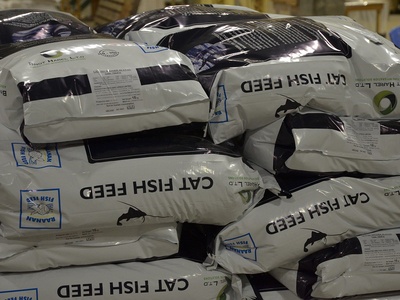
Commercial catfish aquaculture
Arkansas is a major U.S. catfish producer; pond aquaculture in the Delta supports local economies and processing industries. Water use and effluent management are regulated (USDA, AR Ag).
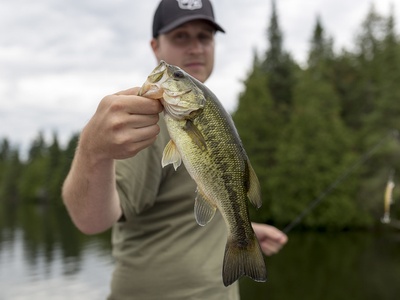
Largemouth bass (sport fish)
Largemouth bass fisheries in lakes and reservoirs attract anglers and tourism. Sport fishing supports local businesses and conservation funding through licensing (Arkansas Game & Fish).
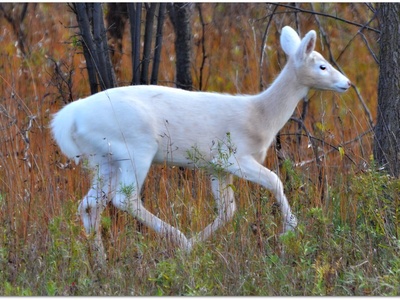
White‑tailed deer
Akeystone game species supporting hunting, guiding, and rural economies. Deer management balances population health, habitat, and human‑wildlife conflicts (Arkansas Game & Fish).
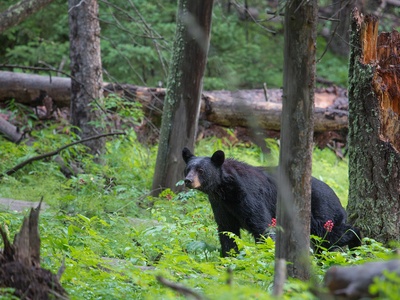
Black bear
Recovering bear populations in forested highlands provide biodiversity and small eco‑tourism benefits. Management focuses on habitat connectivity and human conflict reduction (Arkansas Game & Fish).
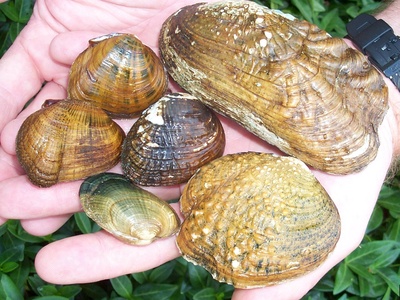
Freshwater mussels
Diverse freshwater mussel communities filter water and indicate river health. Many species are sensitive to pollution and habitat loss; conservation efforts protect these native invertebrates (USFWS, USGS)