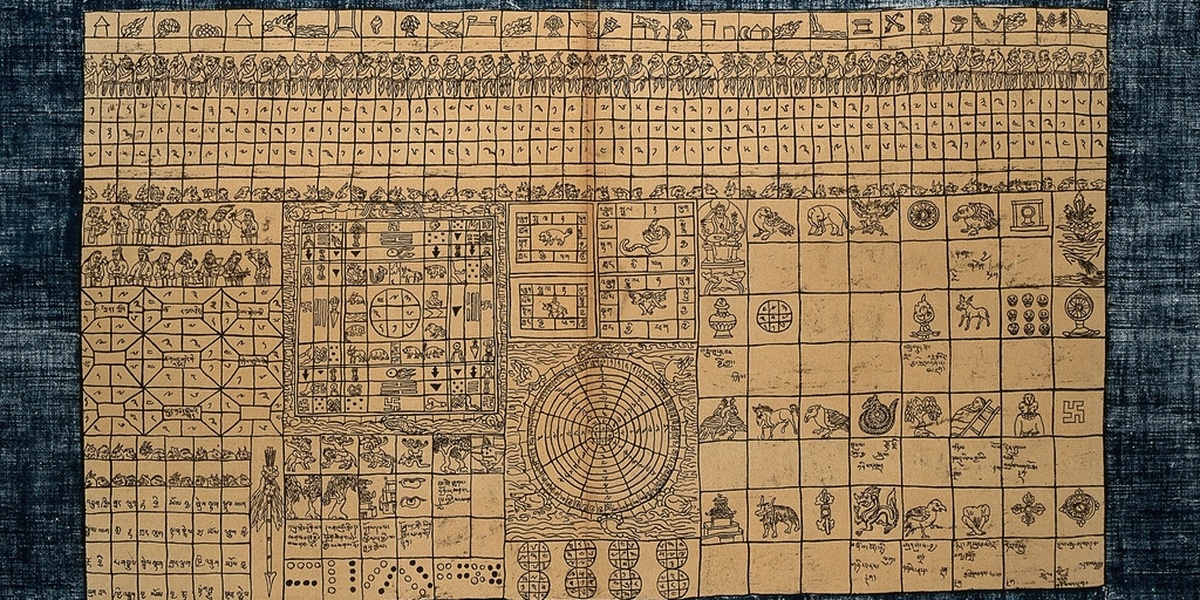
Astrology has roots that reach back more than 2,500 years — from Babylonian star charts to Hellenistic sky lore — and yet it remains one of the most widely held beliefs today. For many people astrology shapes small choices and big ones alike: career moves, relationship choices, even financial decisions. That cultural reach matters because personal and public choices can be swayed by ideas that deserve scrutiny.
This piece separates fact from folklore by debunking 10 common myths about astrology, explaining why those beliefs persist, and offering practical advice for evaluating astrological claims responsibly. The discussion is grouped into four parts: origins and core claims, scientific evaluation and testability, psychological and social reasons people believe, and practical implications with ethical considerations.
Origins and Core Claims
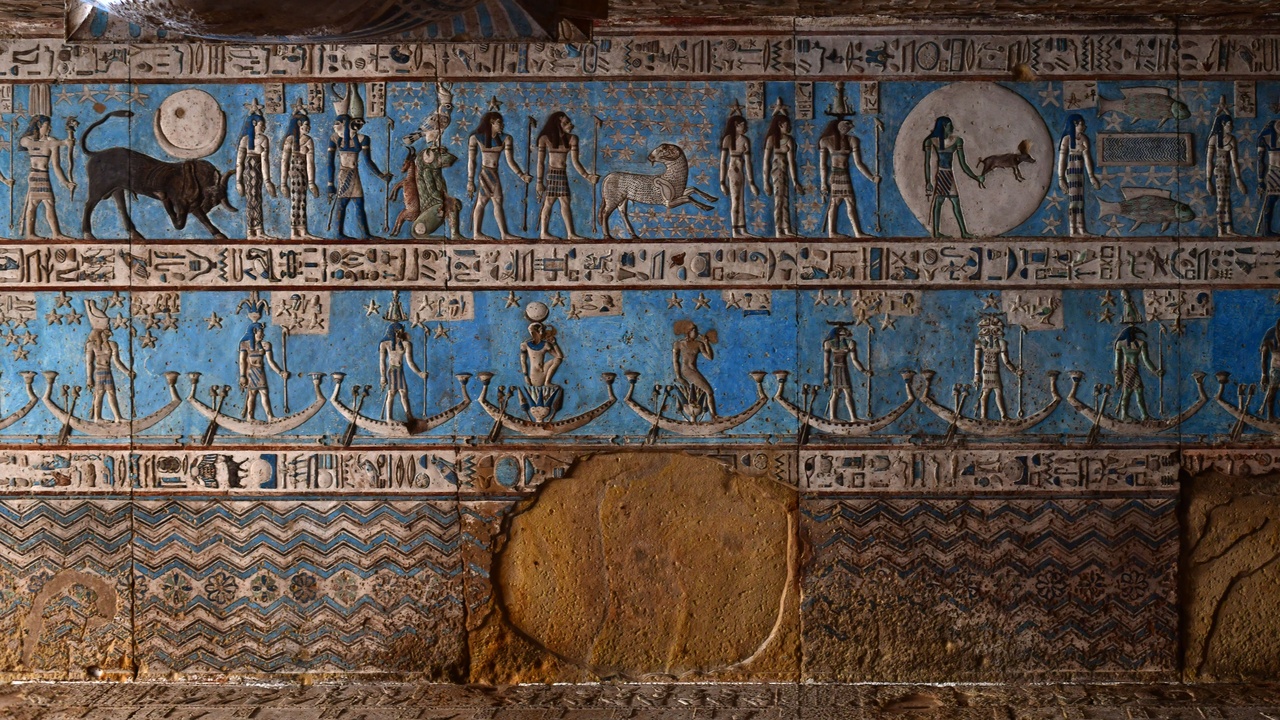
Astrology began as observational star-lists and weather and omen records in Mesopotamia, roughly in the 2nd millennium BCE. Over centuries those records were folded into Hellenistic systems in the 1st–2nd centuries BCE and later adapted across cultures, producing the Western, Vedic (Jyotisha), and Chinese traditions we recognize today.
One core fact is that the familiar 12-sign zodiac is a symbolic, calendrical framework, not a literal catalog of star positions. Astronomy now recognizes 88 constellations (the International Astronomical Union formalized that list in 1922), and the sky’s actual star patterns don’t divide neatly into twelve equal slices.
The modern tropical zodiac used in much Western astrology fixes signs to the seasons rather than to the current positions of constellations. That design reflects centuries of symbolic practice, not a one-to-one mapping with modern star charts. Below are three common misconceptions that flow from confusing cultural systems with astronomical facts.
1. Myth: Astrology is a modern discovery or fad
The claim: Some say astrology is a recent invention or a passing trend. In reality, astrology’s roots are ancient and global. Mesopotamian star lists date to the 2nd millennium BCE, and Hellenistic astrology took shape in the eastern Mediterranean by the 1st–2nd century BCE.
That long history includes parallel systems such as Indian Jyotisha and Chinese astrological practices. Longevity doesn’t equal empirical correctness, though. The fact that an idea has existed for millennia tells us about cultural persistence, not about whether it withstands controlled testing.
2. Myth: The zodiac signs line up with the constellations in the sky today
People often assume the zodiac names match the current sky. But Earth’s axis slowly wobbles in a process called precession, shifting equinox points about 1° every 72 years and completing a full cycle in roughly 25,772 years. Over two millennia that adds up to a big shift.
Western tropical astrology deliberately anchors the zodiac to the seasons—the spring equinox marks 0° Aries—so its twelve signs are seasonal sectors, not updated star maps. Vedic astrology uses a sidereal zodiac that tracks star positions differently. Takeaway: the 12-sign system is a symbolic, seasonal framework rather than a real-time map of constellation boundaries.
3. Myth: The presence of a 13th constellation (Ophiuchus) invalidates astrology
News cycles sometimes trumpet Ophiuchus as a “new” sign that breaks astrology. Ophiuchus is an astronomical constellation that crosses the ecliptic, but that doesn’t dismantle a symbolic 12-sector zodiac.
Constellation boundaries are irregular patches of sky set by astronomers; the astrological zodiac was designed as twelve equal segments for calendrical and symbolic reasons. The IAU’s 88 constellations are useful for mapping stars, but they don’t force astrologers to abandon a twelve-part system.
Scientific Evaluation and Testability

Science judges claims by testability, falsifiability, and reproducibility. A hypothesis that produces reliable, repeatable predictions under controlled conditions earns scientific credibility; one that fails those tests does not. Several well-known, controlled studies have examined astrological claims and found no support beyond chance or psychological effects.
Methodological problems—small samples, cherry-picking, and reliance on anecdote—can make weak claims seem convincing. Below are three myths about astrology’s scientific status and the evidence tied to each.
4. Myth: Astrology and astronomy are the same thing
Astronomy is an empirical physical science that uses telescopes, spectroscopy, mathematics, and physics to study celestial objects. Institutions like university astronomy departments and agencies such as NASA operate with reproducible methods and peer review.
Astrology, by contrast, is an interpretive symbolic system linking sky patterns to human affairs. Its methods are not grounded in physical mechanisms that produce testable, quantitative predictions accepted by the scientific community. That institutional and methodological split matters a lot.
5. Myth: Double-blind tests and peer-reviewed studies prove astrology works
Some people claim controlled studies validate astrology. Landmark work tells a different story. Shawn Carlson’s 1985 double-blind study published in Nature tested professional astrologers’ ability to match natal charts to psychological profiles under controlled conditions. Astrologers did not perform better than chance.
Another relevant result is the Forer (Barnum) effect. In 1948 Bertram Forer gave 39 participants the same vague personality description; on average people rated that description highly accurate for themselves. That explains a lot of why horoscopes feel personally resonant despite lacking specific predictive power.
6. Myth: Planetary positions can exert strong, unique physical forces on people
Some astrological claims invoke gravity or radiation from planets as causal agents. Physics shows that gravitational and tidal forces from distant planets at Earth’s surface are vanishingly small compared with everyday local forces.
For example, the gravitational pull of a delivering doctor on a newborn is larger than the pull from distant planets at the moment of birth. Electromagnetic effects from planets are negligible at Earth’s surface. No plausible physical mechanism has been demonstrated linking planetary positions to individual personality traits or life outcomes.
Psychology and Social Reasons People Believe
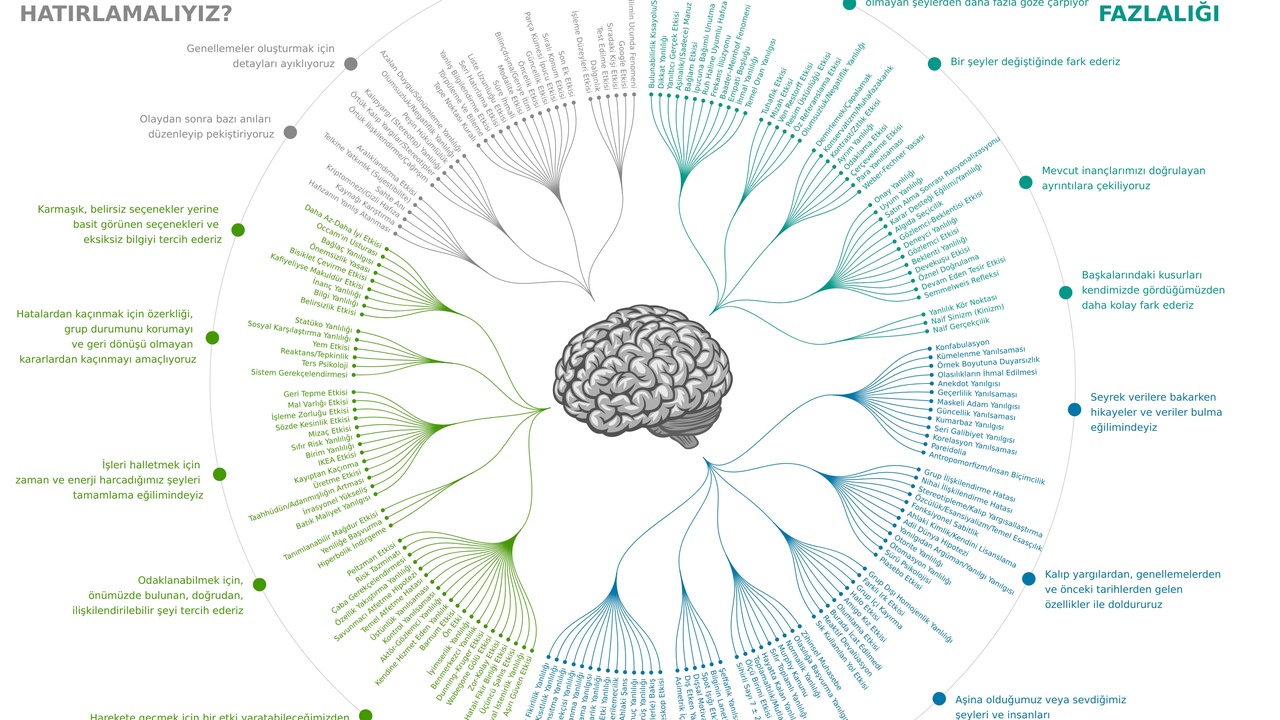
A range of psychological effects explains why astrological claims often feel persuasive. The Forer/Barnum effect makes vague statements seem personally meaningful. Confirmation bias and selective memory lead people to notice hits and forget misses. Social reinforcement—friends, influencers, and apps—magnifies those impressions.
Modern technology accelerates the spread: apps such as Co—Star and The Pattern produce tailored-feeling content that users share widely, creating social validation loops. Below are two common misunderstandings rooted in psychology and tech.
7. Myth: Horoscopes are specifically tailored and therefore accurate for individuals
People often assume a horoscope was written uniquely for them. But many horoscopes use broad, high-base-rate language that applies to large groups. Forer’s experiment with about 39 participants showed identical descriptions were consistently rated as personally accurate.
Newspaper columns, viral personality quizzes, and many app-generated readings rely on general statements plus selective focus. Apps may add user data to feel personalized, but that doesn’t necessarily translate into specific, evidence-backed predictions.
8. Myth: Technology and data science have made astrology “more accurate”
Algorithmic presentation and large datasets can make astrology seem more precise. Data mining, however, can surface spurious correlations that lack causal meaning. Statistical significance does not always equal practical, repeatable effects.
Apps that promise algorithmic matchmaking or hyper-personalized forecasts often mix legitimate behavioral data with astrological language as a marketing edge. Without peer-reviewed validation and out-of-sample testing, algorithmic polish isn’t the same as scientific validation.
Practical Implications, Ethics, and How to Interact with Astrology
Astrology can be harmless entertainment and a source of personal meaning. It becomes ethically problematic when it replaces professional advice or exploits vulnerable people for money. That line matters in real-world contexts like health, finance, and legal decisions.
When evaluating astrologers or horoscope services, ask practical questions: What methods do you use? Are there verifiable credentials or published results? What are fees and refund policies? Treat astrology as a narrative tool rather than a substitute for licensed expertise.
Below are two practical myths and guidance for handling them responsibly.
9. Myth: Consulting an astrologer is always harmless entertainment
For many people a horoscope is light entertainment. Yet some people make important decisions based primarily on astrological guidance—delaying medical treatment or making risky investments, for example.
To reduce harm, treat astrological advice as a narrative lens. Get a second opinion from a licensed professional for health, legal, or financial concerns. If you pay for services, start small and look for transparent methods and reasonable fees.
10. Myth: Astrology can replace trained medical, legal, or financial advice
Licensed physicians, certified financial planners, and attorneys undergo regulated training and are accountable to professional standards. Astrology lacks that regulated evidence base and formal accountability for high-stakes recommendations.
Best practice: use astrology, if you find it meaningful, as a complementary way to reflect on values or options. For important decisions rely on professionals and documented evidence; keep astrology as an informal input rather than the primary guide.
Summary
Here are concise takeaways to keep in mind when evaluating myths about astrology and related claims.
- The Forer/Barnum effect explains why vague horoscopes feel personally accurate.
- Controlled tests (e.g., Shawn Carlson, Nature 1985) and multiple studies have not shown reliable predictive power for astrological charts.
- Precession separates the tropical zodiac from current constellation positions; the 12-sign system is symbolic and seasonal, not a real-time star map.
- Treat astrological readings as cultural or narrative practices; consult licensed professionals for medical, legal, or financial decisions.