Kenya’s varied landscapes — from fertile highlands to rift valleys and coastal plains — support a wide mix of natural assets used by farmers, energy developers and conservationists. Understanding those resources helps explain regional livelihoods and planning choices across the country.
There are 27 Natural Resources of Kenya, ranging from Arable land / agricultural soils to Wind (Lake Turkana). For each entry, the information is organized as Category,Main location/region,Production/Reserves (units); you’ll find below.
How are the quantities and locations in the list determined?
The figures and locations come from government reports, geological surveys and sector studies; they combine measured reserves (for minerals and oil/gas), annual production (for crops, fisheries, energy) and mapped areas (for arable land, forests). Units vary by resource and are noted in the Production/Reserves (units) column to make comparisons meaningful.
Which resources tend to matter most for local communities versus national revenue?
Locally, arable land, water, fisheries and grazing areas shape livelihoods and food security; nationally, minerals, geothermal and large-scale agricultural exports drive revenue and investment. Renewable projects like Lake Turkana wind focus on grid-scale energy, while soil, water and pasture remain critical for day-to-day resilience.
Natural Resources of Kenya
| Resource | Category | Main location/region | Production/Reserves (units) |
|---|---|---|---|
| Geothermal | Energy | Rift Valley (Olkaria, Menengai, Olkaria) | 900 MW (installed) |
| Hydropower (Tana River) | Energy | Tana River basin (Seven Forks, Masinga, Kiambere) | 826 MW (installed) |
| Wind (Lake Turkana) | Energy | Marsabit / Lake Turkana | 310 MW (installed) |
| Oil (Turkana) | Energy | South Lokichar Basin (Turkana County) | 600,000,000 barrels (est. recoverable) |
| Coal (Mui Basin) | Mineral | Mui Basin, Kitui County | 600,000,000 tonnes (estimated reserves) |
| Soda ash | Mineral | Lake Magadi (Kajiado County) | 1,000,000 tonnes/yr (approx.) |
| Titanium minerals (ilmenite/rutile/zircon) | Mineral | Kwale County (coastal mineral sands) | 150,000,000 tonnes (heavy-mineral ore est.) |
| Limestone | Mineral | Athi River, Kisumu, Mombasa regions | 5,000,000 tonnes/yr (est. production) |
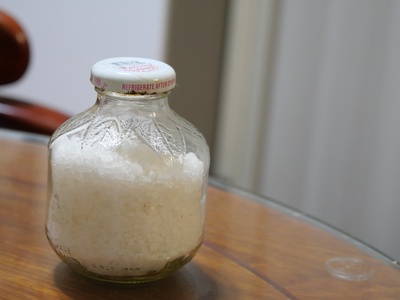
| Salt | Mineral | Coast (Kilifi, Kwale, Lamu) and Lake salt pans | 200,000 tonnes/yr (est.) |
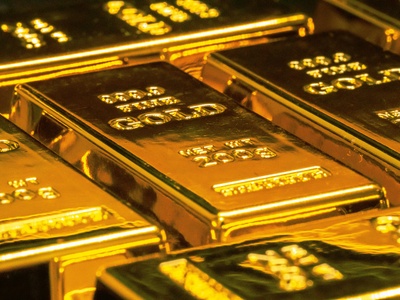
| Gold | Mineral | Migori, Kakamega, Elgeyo Marakwet areas | 2,000 kg/yr (approx.) |
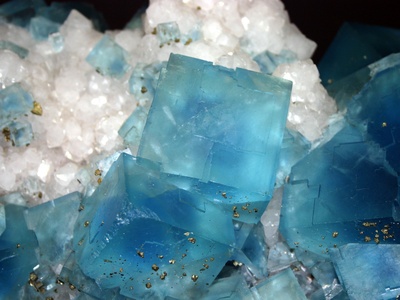
| Fluorspar | Mineral | Kerio Valley / Elgeyo Marakwet | 10,000 tonnes/yr (est.) |
| Gypsum | Mineral | Turkana, Kilifi, parts of Rift Valley | 200,000 tonnes/yr (est.) |
| Bentonite | Mineral | Taita-Taveta, Nairobi area | 50,000 tonnes/yr (est.) |
| Gemstones (tsavorite, emerald) | Mineral | Taita-Taveta, Meru counties | 1,000 kg/yr (est.) |
| Lakes (Lake Victoria – Kenya share) | Water | Lake Victoria (western Kenya) | 6,000 km2 (Kenya share est.) |
| Lake Turkana | Water | Northern Rift Valley (Turkana County) | 6,405 km2 (lake area) |
| Groundwater aquifers | Water | Nationwide (Rift Valley, coastal aquifers) | Millions of m3 (regionally variable, vital resource) |
| Total fisheries (freshwater + marine) | Fisheries | Lakes (Victoria, Turkana), Indian Ocean coast | 160,000 tonnes/yr (total catch est.) |
| Lake Victoria fisheries | Fisheries | Lake Victoria (Kenya portion) | 100,000 tonnes/yr (est.) |
| Marine fisheries | Fisheries | Indian Ocean coast (Mombasa, Lamu, Kilifi) | 30,000 tonnes/yr (est.) |
| Mangroves | Forestry | Coast (Lamu, Kilifi, Mombasa) | 58,000 ha (approx.) |
| Forest area (natural & plantation) | Forestry | Nationwide (Central, Mau, Aberdare) | 3,000,000 ha (forest area est.) |
| Arable land / agricultural soils | Soil | Rift Valley, Central, Western regions | 8,000,000 ha (arable land est.) |
| Coral reefs | Fisheries | Coastal reefs (Mombasa, Kiunga, Watamu) | Thousands of ha (local reef systems) |
| Elephants | Wildlife | Tsavo, Amboseli, Laikipia, Samburu | 35,000 animals (national est.) |
| Rhinos (black & white) | Wildlife | Ol Pejeta, Lewa, Nairobi NP, Dv. | 1,000 animals (combined est.) |
| Big cats (lions, leopards) | Wildlife | Masai Mara, Tsavo, Laikipia | Lions ~2,000 individuals (est. nationwide) |
Images and Descriptions
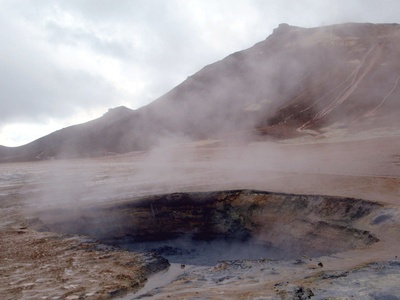
Geothermal
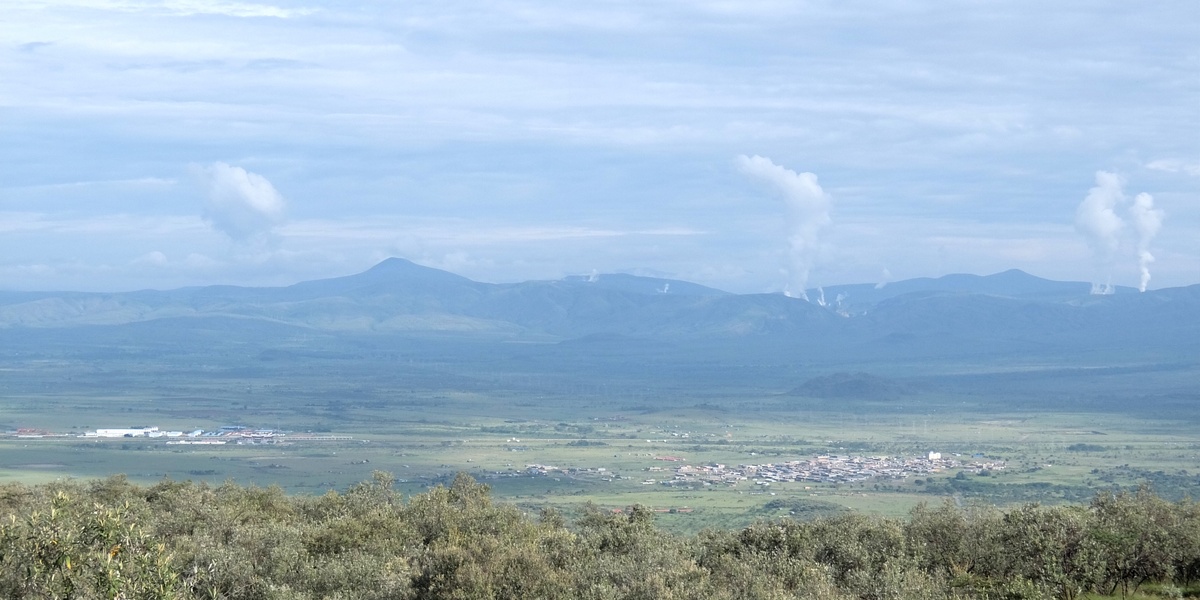
Kenya’s leading renewable energy source, geothermal supplies ~900 MW from Rift Valley fields; used for power generation, supports industrial growth and reduces reliance on thermal fuels while tapping a stable, low‑carbon heat resource.
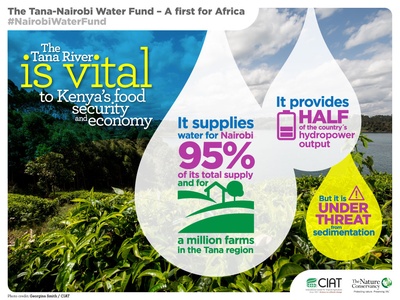
Hydropower (Tana River)
Major national source of renewable electricity with dams on the Tana River supplying grid power, irrigation and flood control; hydropower is economically important but vulnerable to climate variability.
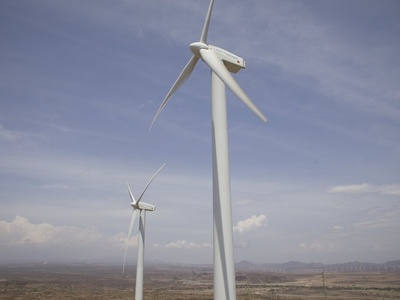
Wind (Lake Turkana)
Lake Turkana Wind Farm is Africa’s largest onshore wind project; its 310 MW capacity boosts Kenya’s grid stability, creates jobs and harnesses strong, consistent Rift Valley winds.
Oil (Turkana)
Onshore oil discoveries in Turkana represent Kenya’s main commercial oil resource, with estimated recoverable volumes that could drive local development and export revenues if developed responsibly.

Coal (Mui Basin)
Significant coal discovered in Kitui’s Mui Basin; large reserves could fuel power generation and cement but raise environmental and climate concerns over development.
Soda ash
Naturally occurring trona-derived soda ash from Lake Magadi is used in glass, detergents and chemicals; it’s a long-standing export earner and local employer centered on the saline rift lake.
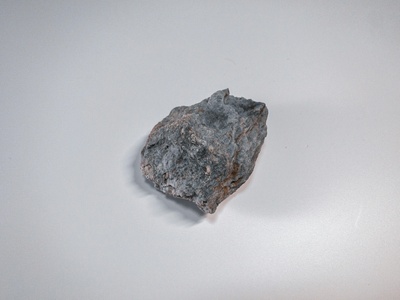
Titanium minerals (ilmenite/rutile/zircon)
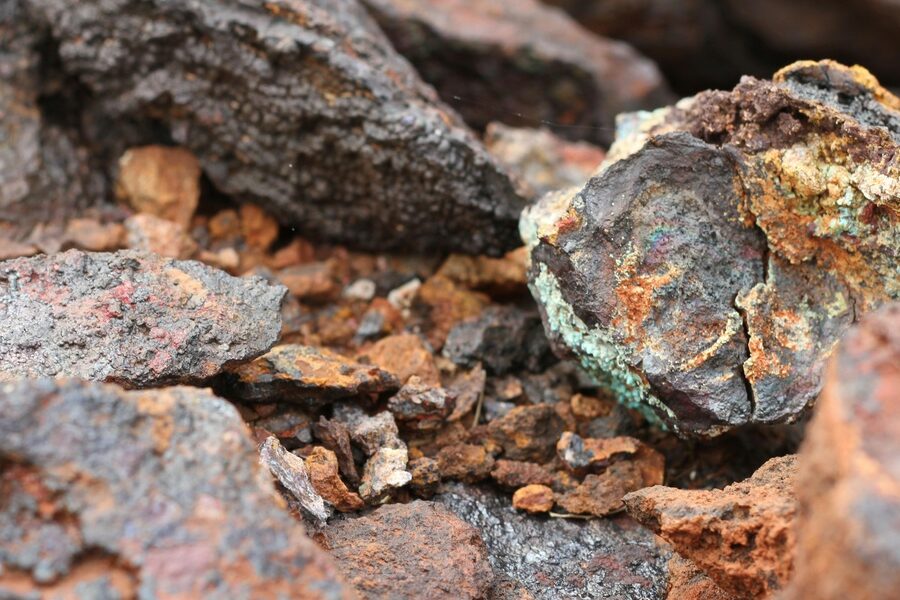
Coastal mineral sands near Kwale contain ilmenite, rutile and zircon used in pigments and ceramics; significant reserves support mining, exports and local processing potential.
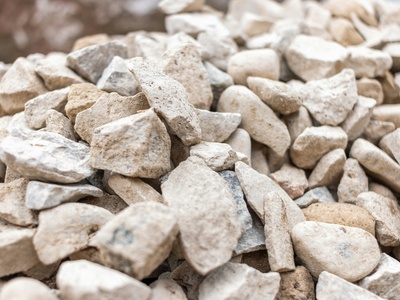
Limestone
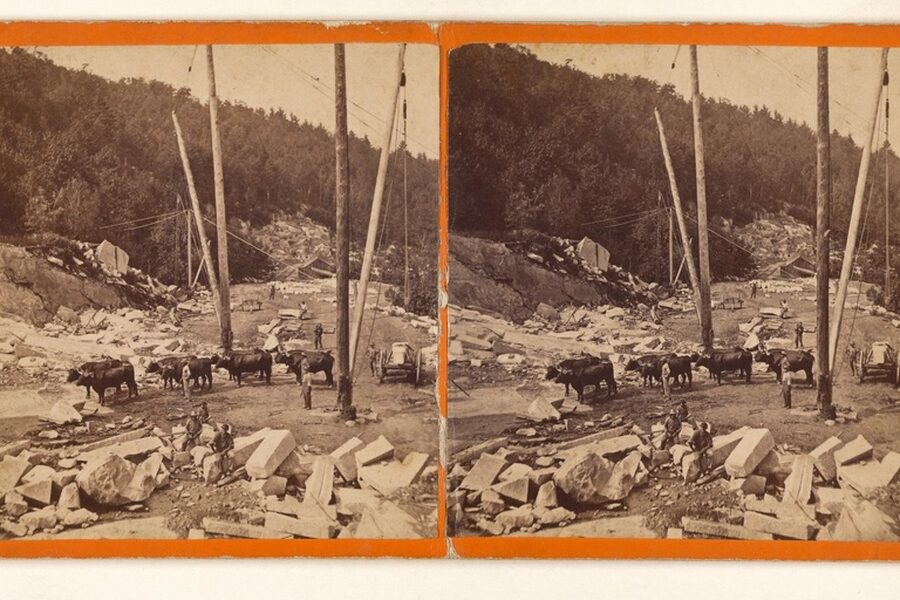
Widespread limestone beds feed the cement and construction sector; abundant, locally quarried stone underpins infrastructure and building material industries.
Salt
Sea and lake salt production supplies local food industries and exports; coastal salt pans are culturally and economically important in communities along the Indian Ocean.
Gold
Small- to medium-scale gold deposits in western Kenya and the Rift generate artisanal mining activity and export value, with socio‑economic benefits and environmental management challenges.
Fluorspar
Fluorspar mined from Rift deposits is used in aluminium smelting and chemical industries; historically important export mineral with periodic production cycles.
Gypsum
Widely used in cement and plaster, gypsum deposits near the coast and northwestern areas support construction industries and local manufacturing.
Bentonite
Absorbent clay used in drilling muds, foundry sands and cat litter; bentonite mining supplies local industry and export markets with notable deposits in southern Kenya.
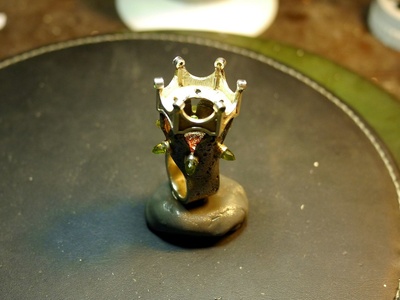
Gemstones (tsavorite, emerald)
High-value gemstones like tsavorite and emerald are rare but economically important, supporting artisanal miners, local trade and niche international exports from southeastern Kenya.
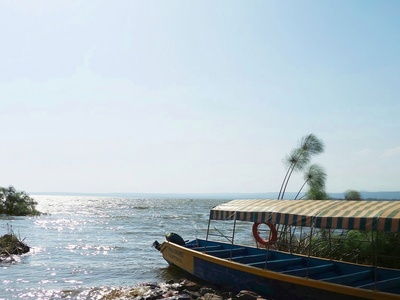
Lakes (Lake Victoria – Kenya share)
Kenya’s portion of Lake Victoria supports fisheries, transport and freshwater supplies; the lake’s health is vital for livelihoods, biodiversity and regional economies.
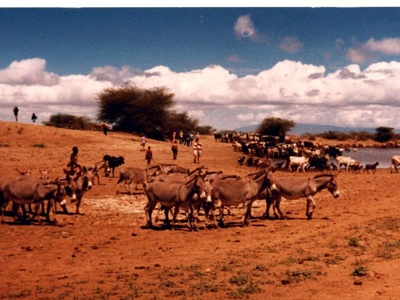
Lake Turkana
World’s largest desert lake, crucial for pastoral communities, fisheries and biodiversity; its water levels and ecology are sensitive to climate and upstream water use.
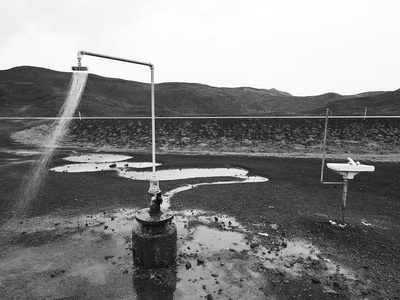
Groundwater aquifers
Groundwater underpins rural water supplies and irrigation across Kenya; aquifers are critical during drought but face recharge and contamination pressures.
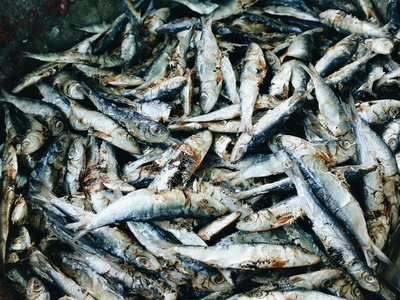
Total fisheries (freshwater + marine)
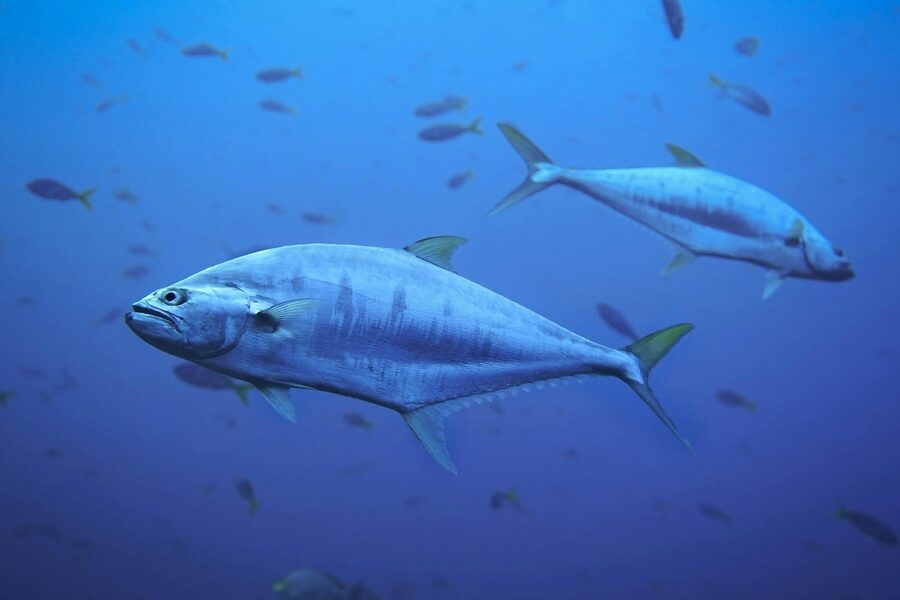
Kenya’s fisheries provide food security, employment and exports; inland lakes and coastal waters support diverse fisheries but face overfishing and habitat challenges.
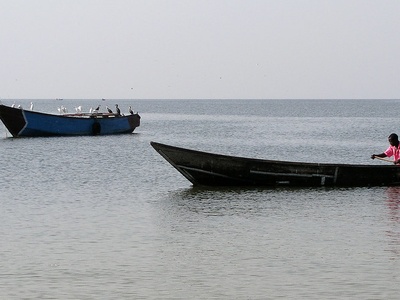
Lake Victoria fisheries
Lake Victoria supports large-scale Nile perch and tilapia fisheries vital to local diets and incomes; management issues include invasive species and cross-border governance.
Marine fisheries
Coastal fisheries supply local markets and small export volumes; reefs and mangroves are essential nursery habitats for fish and shellfish species.
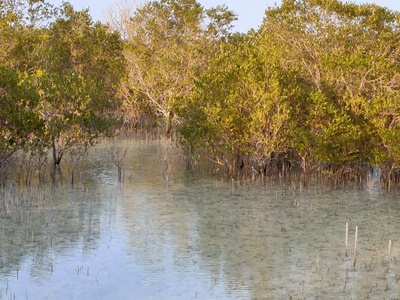
Mangroves
Coastal mangrove forests protect shorelines, store carbon, and support fisheries; Kenya’s mangroves are ecologically and culturally important for coastal communities.
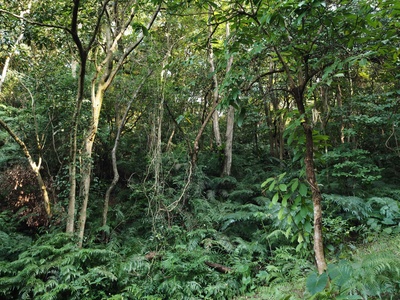
Forest area (natural & plantation)
Kenya’s forests supply timber, water catchment protection and biodiversity; forests are central to climate resilience, but face deforestation and restoration efforts.
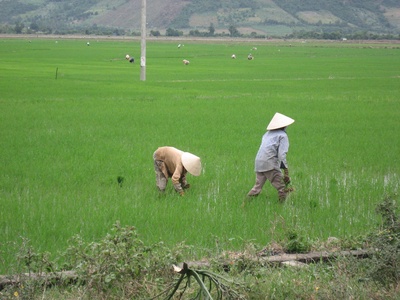
Arable land / agricultural soils
Fertile highland and Rift Valley soils support Kenya’s staple and cash crops, underpinning rural livelihoods and export agriculture though soil erosion and degradation are concerns.
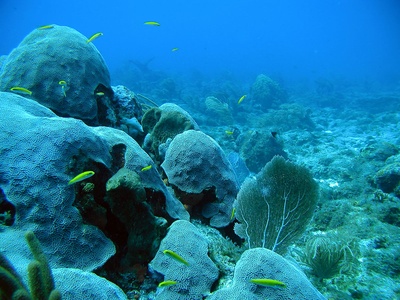
Coral reefs
Coral reefs support reef fisheries, tourism and coastal protection; Kenyan reefs are biodiversity hotspots threatened by warming, pollution and destructive fishing.
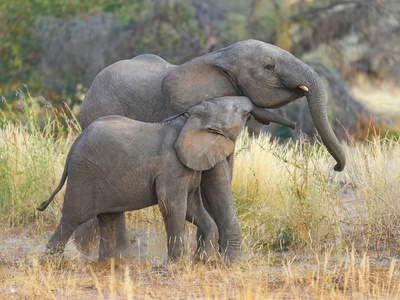
Elephants
Flagship species for tourism and ecosystem function; Kenya’s elephant population supports conservation income but faces poaching and human–wildlife conflict.
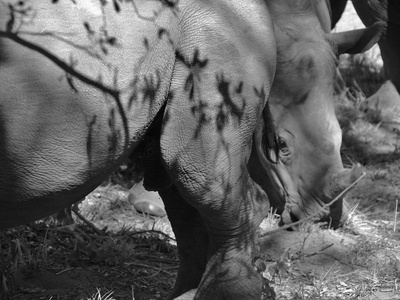
Rhinos (black & white)
Rhinos are conservation priorities with strong anti-poaching efforts; their populations are culturally and economically significant for tourism and biodiversity.
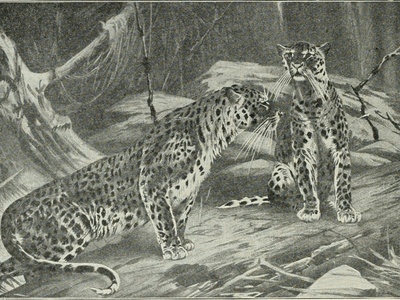
Big cats (lions, leopards)
Lions and leopards are central to Kenya’s wildlife tourism and ecosystem balance; populations are indicators of habitat health and face pressures from conflict and habitat loss.