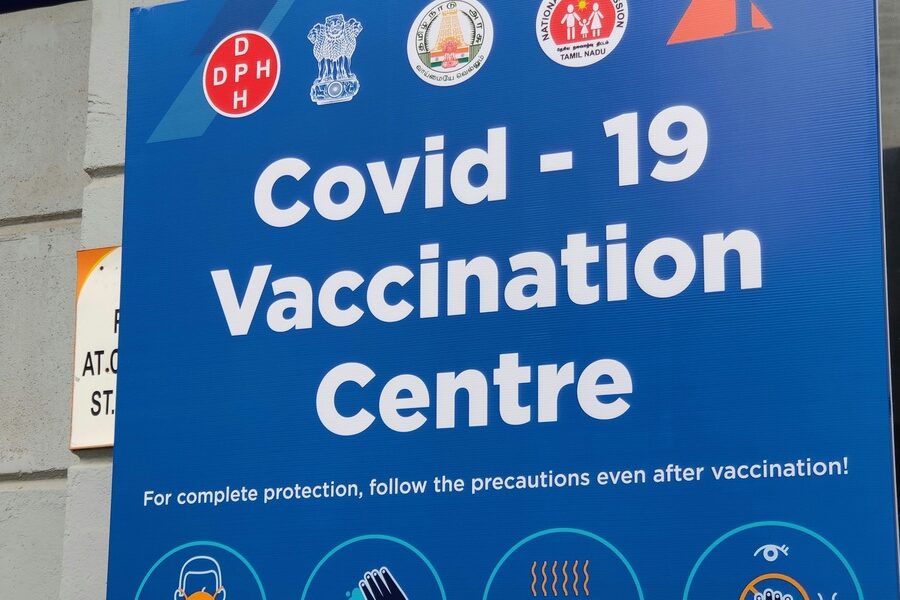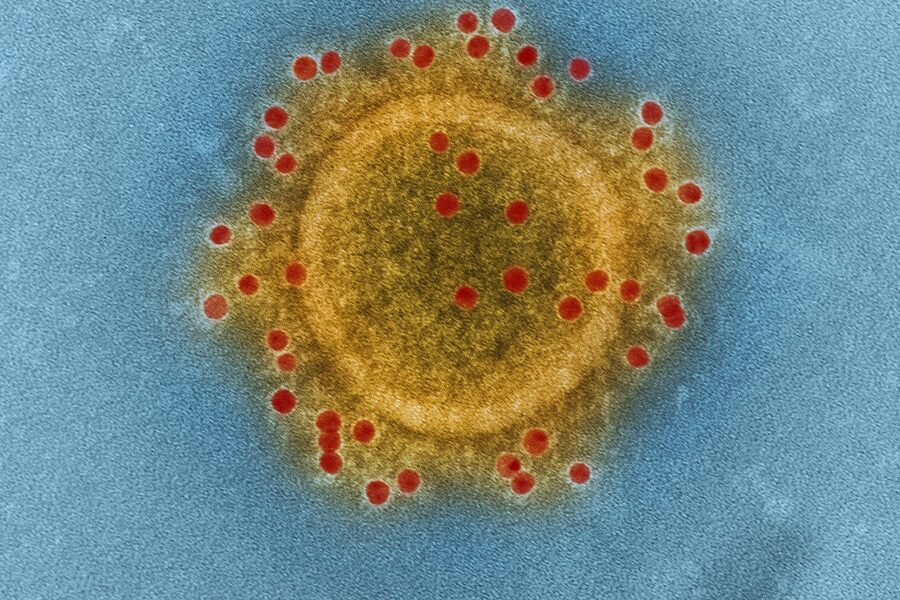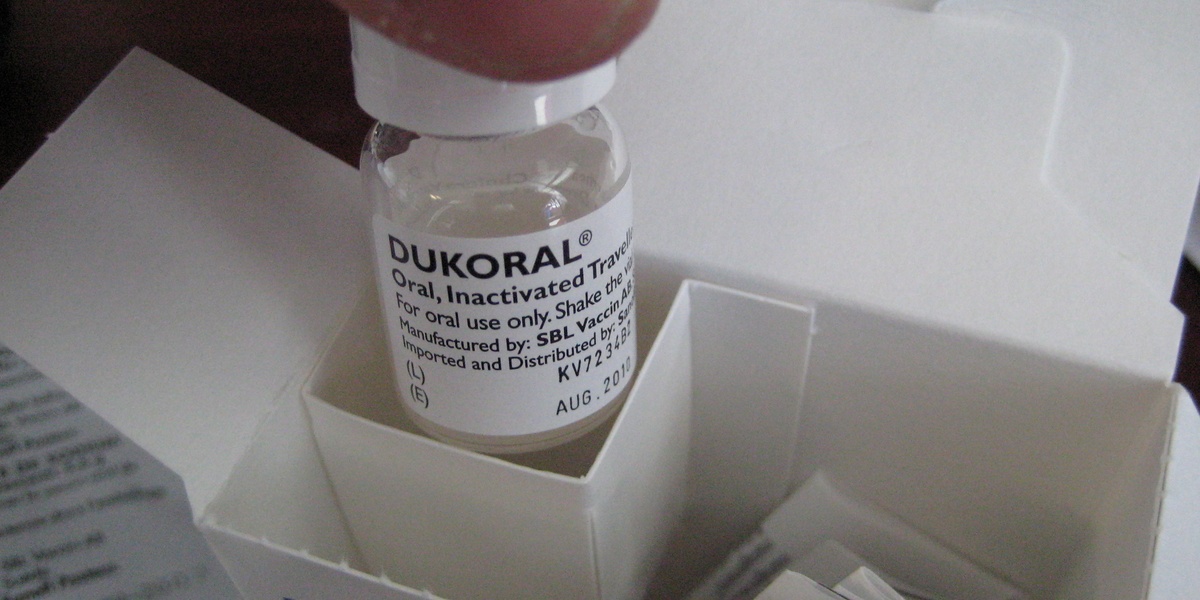
In 1796 Edward Jenner used material from cowpox lesions to protect a child from smallpox, laying the groundwork for modern vaccines. That simple experiment set a path from empirical observation to systems that now prevent millions of deaths every year: vaccinations are estimated to avert roughly 2–3 million deaths annually worldwide. Beyond saving lives, vaccines shrink healthcare bills, keep children in school and adults at work, and drive scientific advances that spill into diagnostics and therapeutics. The benefits of vaccine technology have expanded from stopping single diseases to creating platform tools that respond quickly to new threats and help narrow global health gaps. Below are seven concrete ways vaccine science delivers measurable value for individuals, health systems, economies, and communities.
Medical and Public Health Benefits
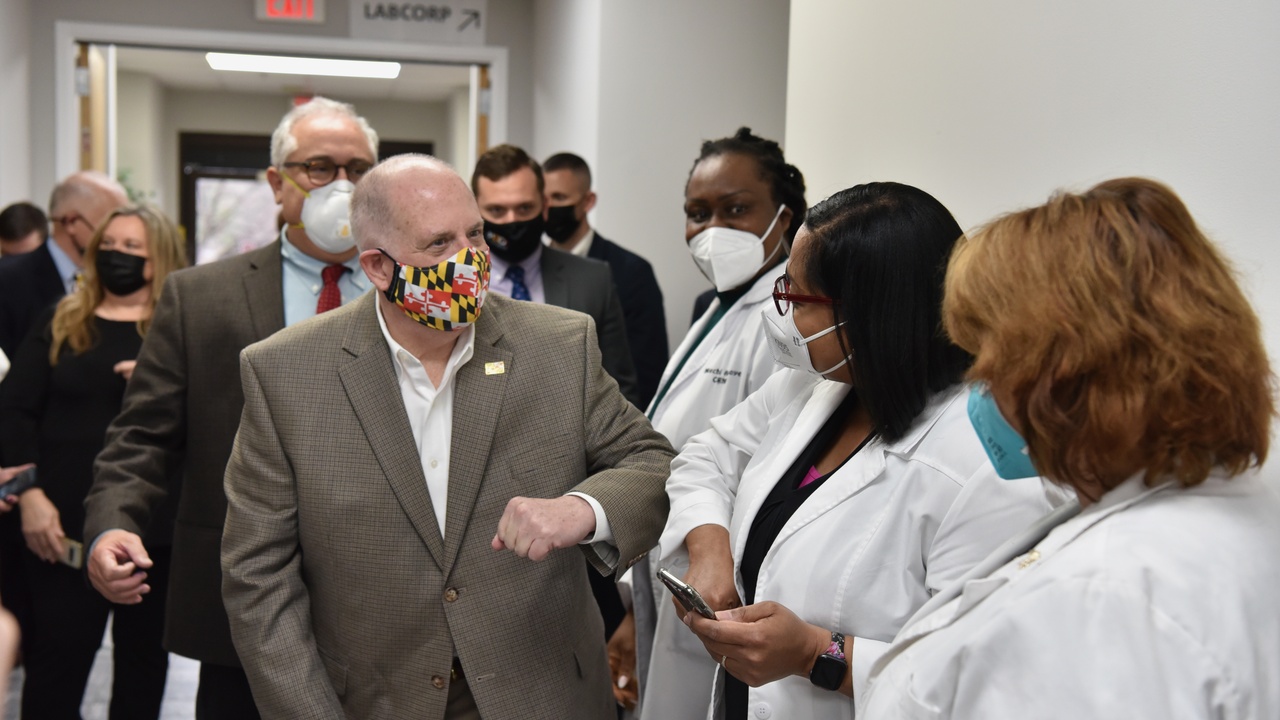
At population scale, vaccines cut disease burden, lower death rates, and change the trajectory of epidemics. High coverage translates into measurable declines in cases, hospitalizations, and deaths, and it creates the conditions public-health systems need to focus resources where they matter most.
1. Dramatic reduction in infectious disease burden
Vaccines have sharply reduced cases and deaths for many pathogens. Smallpox, for example, had its last naturally occurring case in 1977 and the World Health Organization declared eradication in 1980. Polio cases have fallen from roughly 350,000 in 1988 to under 200 globally in recent years thanks to sustained immunization efforts.
Measles mortality also plunged after vaccine rollouts: deaths dropped by more than 80% between 2000 and 2018. Those declines translate into lives saved and far fewer hospital admissions for severe complications (pneumonia, encephalitis), easing pressure on intensive-care units and pediatric wards.
2. Outbreak prevention and herd immunity
Herd immunity occurs when enough people are immune that transmission chains break, protecting those who cannot be vaccinated—infants, some immunocompromised patients, and people with certain allergies. For highly contagious diseases like measles, herd-immunity thresholds sit at roughly 95% coverage to prevent sustained outbreaks.
High vaccine uptake has repeatedly prevented community outbreaks; for instance, COVID-19 vaccination programs reduced severe cases and hospitalizations in highly vaccinated regions during later waves, allowing hospitals and schools to function with fewer disruptions.
Economic and Social Benefits
Vaccines reduce direct medical spending and indirect economic losses from lost productivity. Cost-effectiveness studies consistently show that immunization programs yield strong economic returns, and programs that expand access to vaccines help stabilize societies by keeping workforces and classrooms functioning.
3. Lower healthcare costs and reduced hospitalizations
By preventing severe illness, vaccines cut treatment costs, shorten hospital stays, and lower ICU admissions. Global estimates indicate that immunization averts billions of dollars in direct healthcare costs each year, and some analyses suggest every $1 invested in vaccination can return up to around $16 in broader economic benefits (healthcare savings plus productivity gains).
That kind of return is visible in national budgets: fewer admissions for vaccine-preventable complications mean resources can shift to chronic disease management, maternal care, and other priorities.
4. Increased productivity and educational continuity
Vaccination reduces absenteeism for students and workers, which boosts learning outcomes and employer productivity. School-based immunization campaigns have been shown to cut absence during peak disease seasons, helping children keep up academically.
Employers who run influenza vaccination drives often report fewer sick days and lower short-term disability costs, while parents miss less work when children stay healthy—effects that add up across communities and over time.
Technological and Scientific Benefits
Investments in vaccine science create platform technologies and delivery systems that accelerate responses to new threats and spill over into other areas of medicine. These innovations shorten timelines from sequence to candidate vaccine and improve how doses reach people.
5. Rapid-response platforms accelerate vaccine development
Platform approaches—most notably mRNA and viral-vector platforms—have shortened development timelines dramatically. Traditional vaccine programs often took five to fifteen years from concept to licensure; by contrast, mRNA COVID-19 vaccines moved from sequence release to emergency authorization in roughly 11 months (2020–2021 for Moderna and BioNTech/Pfizer).
Those platforms also let developers redesign antigens quickly to target variants or new pathogens and start trials sooner, which matters for pandemic preparedness and for seasonal vaccine updates like influenza strain swaps.
6. Improved delivery, stability, and manufacturing innovations
Advances in delivery and formulation—lipid nanoparticles for mRNA, thermostable formulations, microneedle patches, and scalable bioreactor manufacturing—reduce logistical hurdles and improve access. Lipid nanoparticles enabled Pfizer and Moderna vaccines to deliver fragile mRNA effectively.
Cold-chain requirements have also evolved: initial storage for one mRNA product required ultra-low temperatures (around −70°C), but subsequent stability data and formulation changes allowed longer refrigerated storage windows, easing distribution in many settings. Research into lyophilized (freeze-dried) vaccines and patch-based delivery could further cut costs and expand reach.
Global Health and Equity Benefits
When vaccines and the systems that deliver them reach underserved communities, they level the health playing field. Technology improvements—cheaper doses, single-dose regimens, and easier delivery—combined with global partnerships help close gaps between rich and poorer regions.
7. Progress toward eradication and narrowing global health gaps
Vaccines make elimination and sometimes eradication realistic. Smallpox was eradicated (last case 1977; WHO declaration 1980), and polio is now on the brink of global elimination in most regions because of sustained immunization campaigns and novel formulations targeted at remaining reservoirs.
Global partnerships—Gavi, UNICEF, WHO and others—support introductions of new vaccines in low-income countries and negotiate financing and supply. Still, challenges remain: supply constraints, delivery logistics in remote areas, and vaccine hesitancy can slow progress. Continued technological improvements and sustained funding are essential to reach underserved populations.
Summary
Vaccines do more than prevent infection. They reduce deaths and severe illness, lower health spending, keep economies running, and create scientific platforms that respond rapidly to new threats. Supporting innovation and ensuring equitable delivery are the quickest ways to amplify these gains worldwide.
- Vaccination programs have cut deaths from diseases like smallpox and measles and driven polio cases from about 350,000 in 1988 to under 200 recently.
- Immunization saves health systems and economies money—some analyses estimate up to roughly $16 returned per $1 invested through reduced treatment costs and productivity gains.
- Platform technologies (notably mRNA) compress development timelines, enabling emergency authorizations in under a year and faster updates against variants.
- Realizing the full benefits of vaccine technology depends on funding, manufacturing scale-up, and equitable distribution via partnerships like Gavi, WHO, and UNICEF.