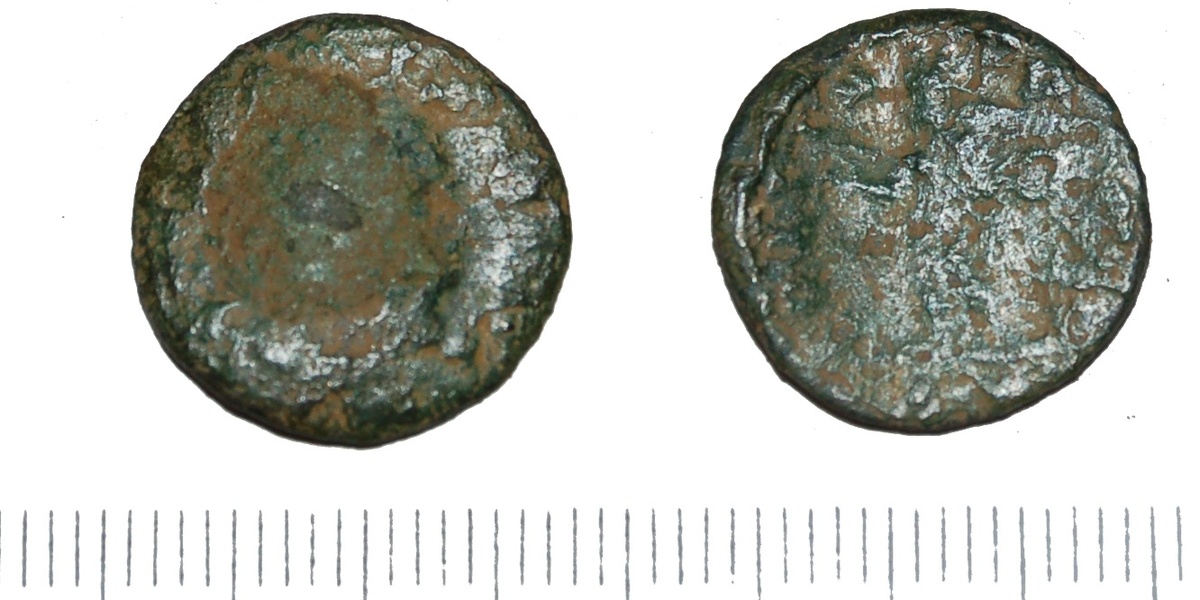
The Bronze Age (around 3300 BCE) marks one of humanity’s biggest leaps: mixing copper with tin produced bronze, a harder and more durable metal that changed tools, weapons, and society. That simple historical fact reflects chemistry in action — copper doesn’t just sit there; it reacts with oxygen, sulfur, halogens, and many metals, and those reactions determine color, strength, conductivity, and how long objects last. From the green patina on the Statue of Liberty (dedicated 1886) to the brass fittings on modern plumbing, understanding these processes helps you choose materials, prevent costly failures, and recycle more effectively. Below I list 10 elements copper reacts with, grouped into chalcogens, halogens and reactive nonmetals, and metals/alloy partners, and explain what those reactions mean in the real world. Read on to learn how copper’s chemistry shapes everything from monuments to microelectronics.
Chalcogens and Oxygen: How Copper Reacts with O, S, Se, Te

The chalcogen group — oxygen, sulfur, selenium, and tellurium — forms some of the most common and important copper compounds: oxides, sulfides, selenides, and tellurides. Under different environments copper oxidizes to Cu2O (cuprous oxide) or CuO (cupric oxide), while sulfur gives CuS and Cu2S. Selenium and tellurium form Cu2Se and CuTe, usually under controlled synthesis. Environmental factors like moisture, pH, and pollutants (for example SO2) shift which products form and how fast. These reactions explain familiar phenomena — red or black oxide films, black tarnish from sulfides, and the green basic copper carbonates that eventually coat outdoor copper. They also guide ore processing: many copper ores are sulfides, requiring roasting and smelting to extract metal.
1. Oxygen (O): Oxidation and patina formation
Oxygen is the most common reactant copper encounters, producing cuprous oxide (Cu2O) and cupric oxide (CuO) depending on conditions (temperature, oxygen partial pressure, and surface state). Cu2O is reddish; CuO is black.
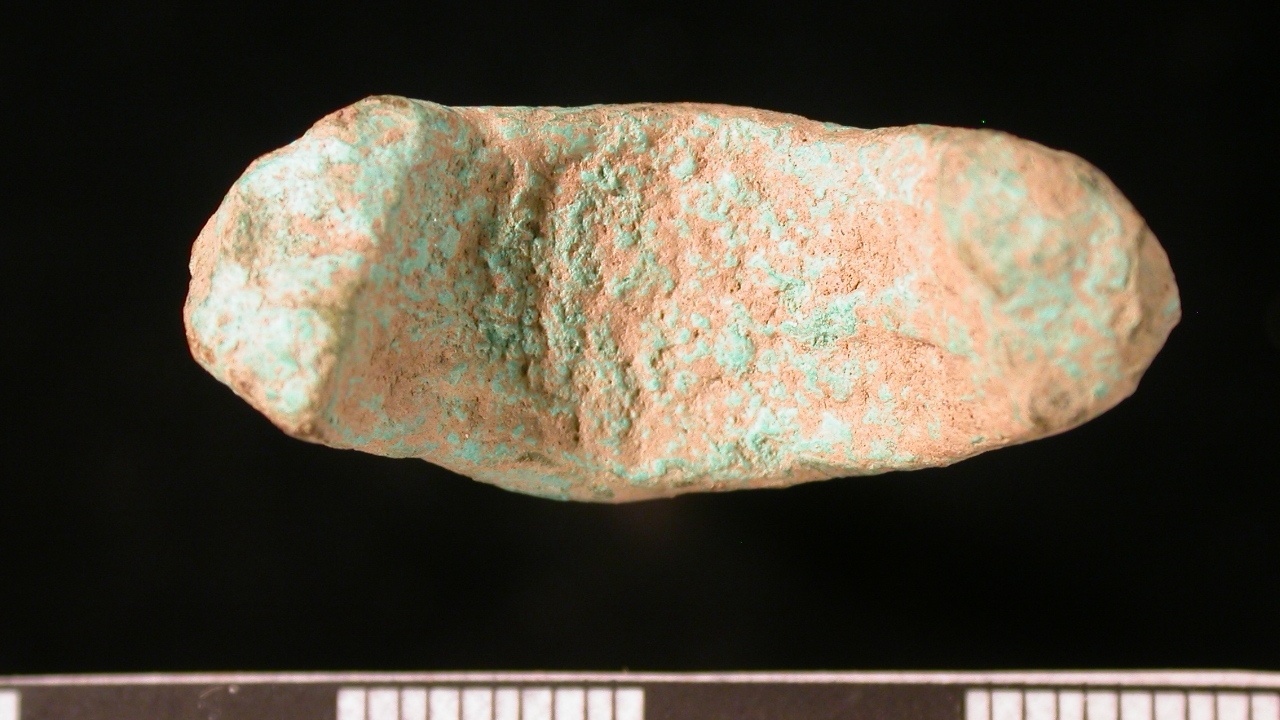
Over decades, atmospheric CO2 and other anions convert these oxides into basic copper carbonates and sulfates — the green patina seen on outdoor copper. The Statue of Liberty’s thin copper skin (about 3/32 inch thick) developed that protective green layer within a few decades (dedicated 1886).
Oxidation can be helpful — the patina often slows further corrosion — but unchecked oxide films on electrical contacts or plumbing can increase resistance or cause failures, so engineers manage oxide formation with coatings or contact design.
2. Sulfur (S): Tarnish, sulfides, and ores
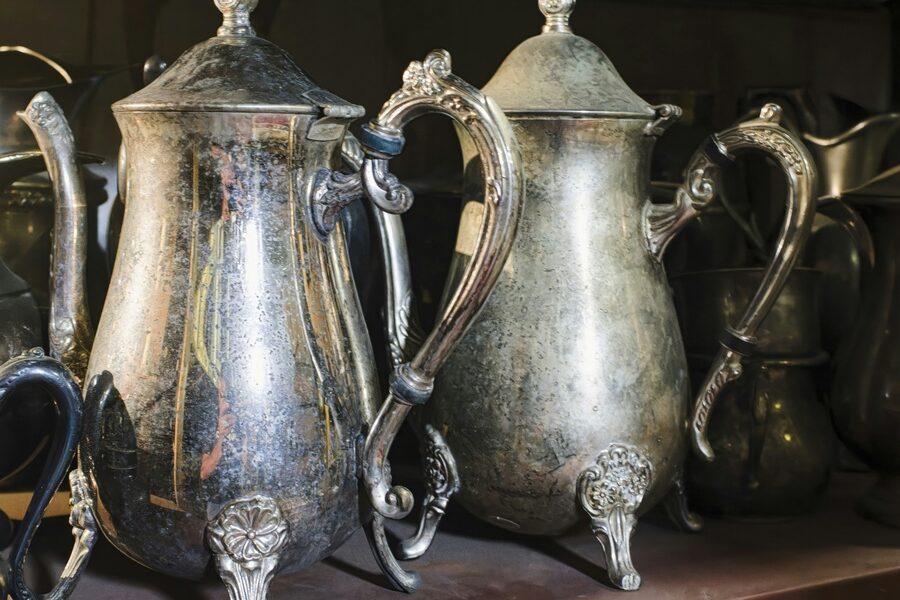
Sulfur readily forms sulfides with copper, producing black tarnish such as CuS and Cu2S on exposed metal. Atmospheric sulfur compounds (SO2, H2S) accelerate surface sulfidation and darkening.
Many of the world’s copper ores are sulfides; chalcopyrite (CuFeS2) is one of the most abundant. Sulfide minerals are processed by flotation and smelting to recover metallic copper, so sulfur chemistry drives mining and refining practice.
Practical effects are everywhere: tarnished coins and flatware, accelerated corrosion near industrial emissions, and specific metallurgical steps to remove sulfur before alloying or finishing.
3. Selenium (Se) and Tellurium (Te): Specialized compounds
Copper selenides (Cu2Se) and tellurides (CuTe) are less common in everyday corrosion but important in electronics and materials research. These compounds show semiconductor and thermoelectric behaviors under controlled synthesis.
For example, copper selenide thin films appear in photodetector and photovoltaic research, while Cu2Se is studied for thermoelectric applications. Formation typically requires high-temperature or solution-phase methods rather than atmospheric exposure.
Though rare compared with oxidation or sulfidation, these Cu–Se and Cu–Te phases are valuable for niche devices and illustrate how different chalcogens tune electronic properties.
Halogens and Reactive Nonmetals: F, Cl, Br, I
Halogens form a family of copper halides with distinct colors, structures, and uses. Fluorine (atomic number 9), chlorine (17), bromine (35), and iodine (53) react with copper to give CuF2, CuCl/CuCl2, CuBr, and CuI. Reactivity falls roughly from fluorine down to iodine, and products vary in oxidation state and color. Many copper halides serve as catalysts, pigments, or reagents; others cause practical corrosion problems when halides are present in water or the atmosphere.
4. Fluorine (F): High reactivity and fluorides
Fluorine (atomic number 9) is the most reactive halogen and will form copper fluorides under appropriate conditions. Copper(II) fluoride (CuF2) is an established compound used as a reagent in organic chemistry and materials synthesis.
Because fluorination reactions can be vigorous, they are normally handled in controlled laboratory or industrial settings with strict safety controls rather than occurring in outdoor corrosion scenarios.
5. Chlorine (Cl): Chlorides, corrosion, and water chemistry
Chloride ions are among the most aggressive for copper in many environments. Seawater contains about 19,000 ppm chloride (roughly 1.9% by weight), a level that promotes pitting, crevice corrosion, and stress corrosion cracking in copper alloys.
Chlorinated municipal water and cooling systems can also encourage localized attack. Common mitigation includes selecting chloride-resistant alloys, applying protective coatings, and using cathodic protection in marine hardware.
6. Bromine (Br) and Iodine (I): Halides with niche uses
Copper bromide (CuBr) and copper iodide (CuI) are less common in corrosion but useful in chemistry and small-scale device work. CuI is copper(I) and often appears as a white solid with semiconductor properties.
CuBr finds use as a catalyst in atom transfer radical polymerization (ATRP) and in certain organic syntheses. Both bromides and iodides are typically prepared and handled under controlled laboratory conditions for specific applications.
Metals and Alloying Partners: Zn, Sn and Other Metal Interactions
Copper alloys and intermetallic compounds with other metals are the backbone of materials engineering. Alloying changes hardness, ductility, conductivity, and corrosion resistance. Zinc and tin are the classic partners — brass (copper + zinc) and bronze (copper + tin) — but copper also interacts with mercury, iron, aluminum, and many other metals in ways that matter for design and maintenance.
7. Zinc (Zn): Brass and corrosion considerations
Zinc is the primary alloying element in brass. Many common brasses sit around 65% Cu / 35% Zn, though compositions range widely to tune properties. Adding zinc improves strength, machinability, and gives a gold-like appearance for decorative hardware.
However, dezincification — selective leaching of zinc — can occur in some water chemistries, weakening components. Engineers combat this with dezincification-resistant brasses, coatings, and water-treatment strategies. Brass remains ubiquitous: doorknobs, plumbing fittings, valves, and musical instruments often use it.
8. Tin (Sn): Bronze, durability, and cultural impact
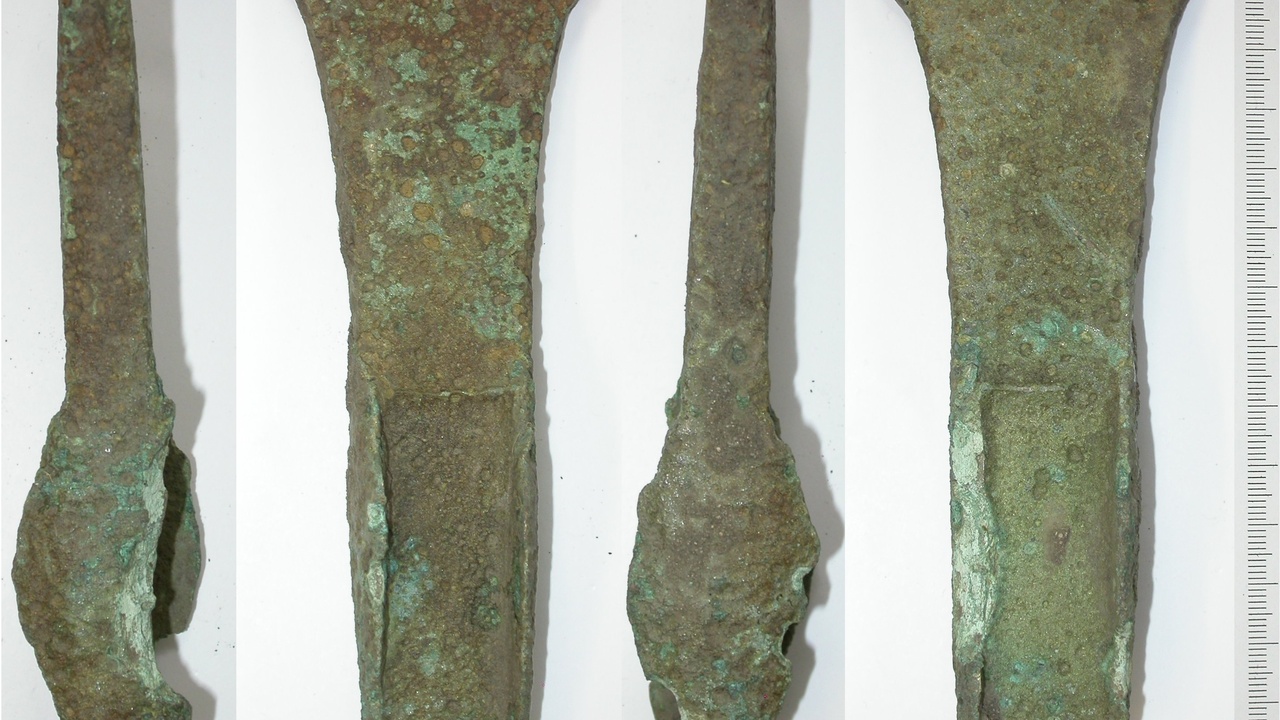
Tin alloyed with copper produced bronze, the material that defines the Bronze Age (~3300 BCE onward). Historical bronzes often contained roughly 88% Cu and 12% Sn, though recipes varied by region and use.
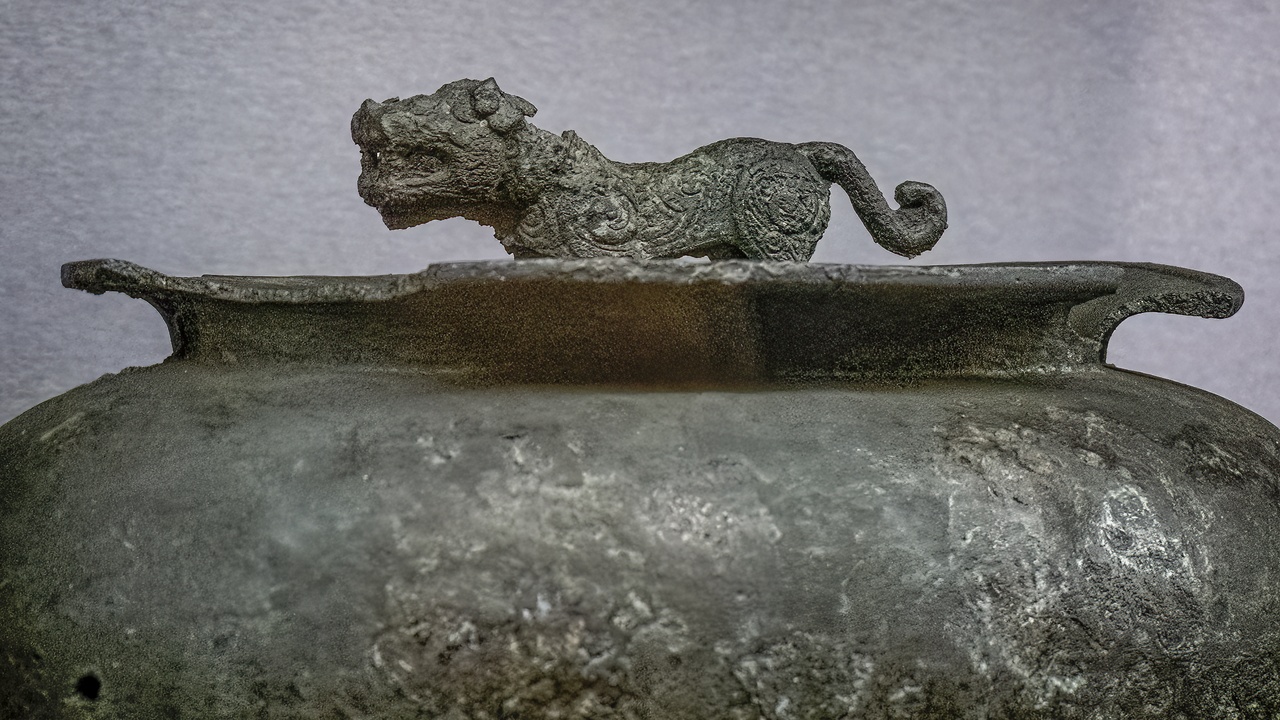
Tin increases hardness, improves casting characteristics, and often boosts corrosion resistance. Bronze founds bells, statuary, bearings, and tools — cultural artifacts and industrial parts alike — and many ancient bronzes are still studied and recycled carefully because of their historical value.
9. Mercury (Hg) and Other Metals: Amalgams and intermetallics
Mercury forms amalgams with copper; historically this was used in gilding and some extraction techniques. Due to mercury’s toxicity, such practices have mostly been abandoned or tightly controlled.
When copper contacts iron or aluminum in wet environments, galvanic corrosion can occur, with the less noble metal corroding preferentially. High-temperature joining can also create intermetallic layers that change mechanical behavior, so designers must consider material pairing and protective measures in assemblies.
Implications: Corrosion, Materials Design, and Recycling
Knowing which elements react with copper guides material selection, corrosion control, and end-of-life recovery. Engineers use coatings, cathodic protection, and alloy choice to manage oxidation, sulfidation, and chloride attack. For example, lacquered copper roofing delays patina formation, and cathodic systems protect ship hulls and offshore structures.
Copper is highly recyclable; recovery rates vary by region and sector, but a significant share of global copper supply comes from recycled scrap (estimates often cite recycling contributions on the order of tens of percent annually, depending on source and year). Alloy composition matters: mixed or contaminated scrap requires sorting to preserve alloy properties during remelting.
For owners of copper items: slow tarnish with coatings or indoor storage, choose dezincification-resistant brasses for potable water, and ask recyclers about alloy separation if you’re reclaiming fittings. Understanding how oxygen, sulfur, halogens, and other metals interact with copper helps you prevent failures and extend service life.
Summary
- Copper forms oxides, sulfides, selenides, tellurides, halides, and many alloys — each reaction changes appearance and performance.
- Alloying (notably with zinc for brass and tin for bronze) transforms strength, machinability, and corrosion behavior — bronze (~88% Cu / 12% Sn) and common brasses (~60–70% Cu / 30–40% Zn) are classic examples.
- Environmental chlorine and sulfur exposures are major drivers of problematic corrosion; seawater (~19,000 ppm chloride) and industrial SO2 accelerate damage.
- Copper chemistry also enables useful materials: Cu2Se and Cu2Te for electronics, CuI and CuBr for lab reagents and catalysts, and controlled fluorides in specialty synthesis.
- Actionable steps: clean and lacquer decorative copper to delay patina, select dezincification-resistant brasses for potable systems, and recycle sorted copper scrap to preserve material value.