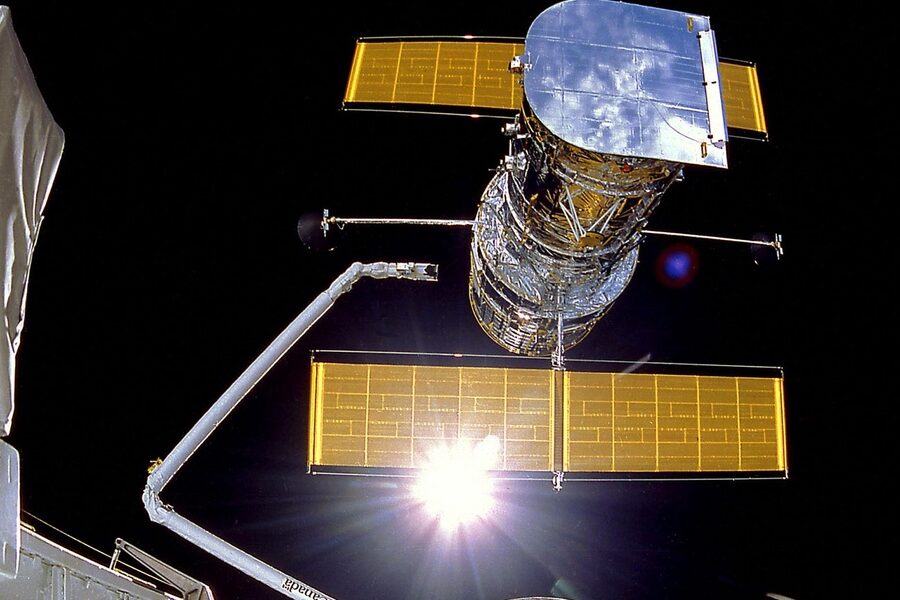
In the 1920s, Edwin Hubble showed that so-called “spiral nebulae” were actually distant galaxies, a discovery that blew the scale of the observable universe wide open and helped spawn entire new subfields of study. Decades later, telescopes built for that ambition—like the Hubble Space Telescope (launched 1990) and, more recently, the James Webb Space Telescope (launched 2021)—turned those ideas into detailed data that demanded new methods and specialties.
Understanding how the sky is parceled into specialties matters because each approach produces different kinds of knowledge and useful technology: solar monitoring protects satellites and power grids, stellar physics explains the elements in microchips, and cosmology refines particle physics. Below I’ll walk through the 8 branches and show how they connect to real discoveries, missions, and everyday benefits.
Methods and Approaches in Astronomy
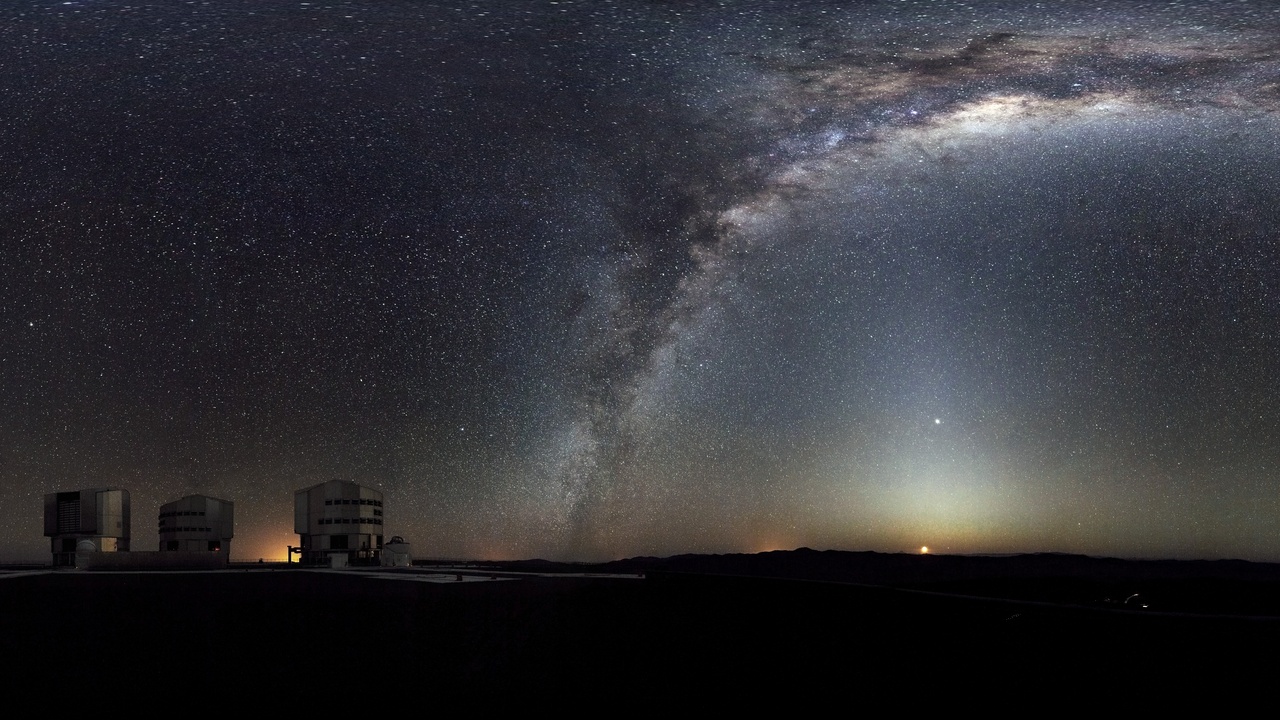
Astronomical inquiry splits into two broad ways of working: collecting photons and particles with instruments, and building physical models to explain them. Instruments and computation are complementary, shaping the questions each specialty asks.
1. Observational Astronomy — Gathering light and data
Observational astronomy uses telescopes and detectors to collect electromagnetic and particle data across wavelengths, from radio to gamma rays. Major facilities include the Hubble Space Telescope (launched 1990), the James Webb Space Telescope (launched 2021), ALMA, and the Very Large Array (VLA).
Those instruments produced concrete breakthroughs: ALMA imaged protoplanetary disks with gaps that reveal planet formation, and JWST obtained transmission spectra of exoplanet WASP‑96b that show atmospheric features. Since 1995, observational surveys have identified more than 5,000 exoplanets, as tracked by NASA and ESA catalogs.
Observational work also drives detector and imaging tech that spills into other fields: better CCDs and infrared sensors improve Earth observation, and timing and positioning advances help satellite navigation and telecommunications.
2. Theoretical Astronomy — Making sense of the data
Theoretical astronomy builds models and simulations that turn raw observations into explanations and predictions. Tools range from analytic stellar‑evolution codes to massive numerical projects such as IllustrisTNG, and they rely on frameworks like general relativity for gravity.
Numerical cosmology matured in the 1990s as supercomputers grew powerful enough to simulate structure formation; today IllustrisTNG and similar efforts trace billions of particles to recreate galaxy assembly. Stellar-evolution codes like MESA predict lifetimes and nucleosynthesis yields used across astrophysics.
Beyond basic science, these efforts produce algorithms and software for handling large, noisy data sets—tools that are used in climate modeling, medical imaging, and finance. Theory gives observational programs testable predictions, sharpening instrument design and survey strategy.
Solar System Studies

This cluster of branches studies the Sun and nearby objects—work that directly affects life on Earth and enables robotic and human exploration. The emphasis here is practical: predicting space weather, designing missions, and assessing resources.
3. Solar Astronomy — Studying our star and space weather
Solar astronomy focuses on the Sun’s structure, magnetic activity, and how those processes affect the Solar System. The Sun is roughly 4.6 billion years old and cycles through an ~11‑year activity rhythm; missions like Parker Solar Probe (launched 2018) and Solar Orbiter (launched 2020) probe its environment.
Monitoring solar flares and coronal mass ejections has real-world payoff: geomagnetic storms can disrupt power grids and GPS. The March 1989 geomagnetic storm that caused the Quebec blackout is a stark example. Agencies such as NASA and NOAA provide operational space‑weather alerts that protect satellites, airlines, and utilities.
Solar studies also push radiation-detection and shielding technologies that translate into better protection for astronauts and for sensitive electronics on Earth-orbiting platforms.
4. Planetary Astronomy — Worlds, surfaces, and small bodies
Planetary astronomy examines planets, moons, asteroids, and comets in our neighborhood. Landmark missions—from Voyager and Cassini to Curiosity and Perseverance on Mars—have transformed our picture of planetary geology and atmospheres.
Notable milestones: the first successful Mars rover, Sojourner, landed in 1997; contemporary surveys catalog over 10,000 near‑Earth asteroids. Sample-return missions such as OSIRIS‑REx (from Bennu) bring material back to laboratories for detailed chemical analysis.
Planetary science informs resource prospecting (water ice on the Moon for in‑situ use), planetary protection policies that prevent contamination, and engineering choices for landers and rovers—knowledge that’s essential for future exploration and potential commercial activities in space.
Stars and Galaxies
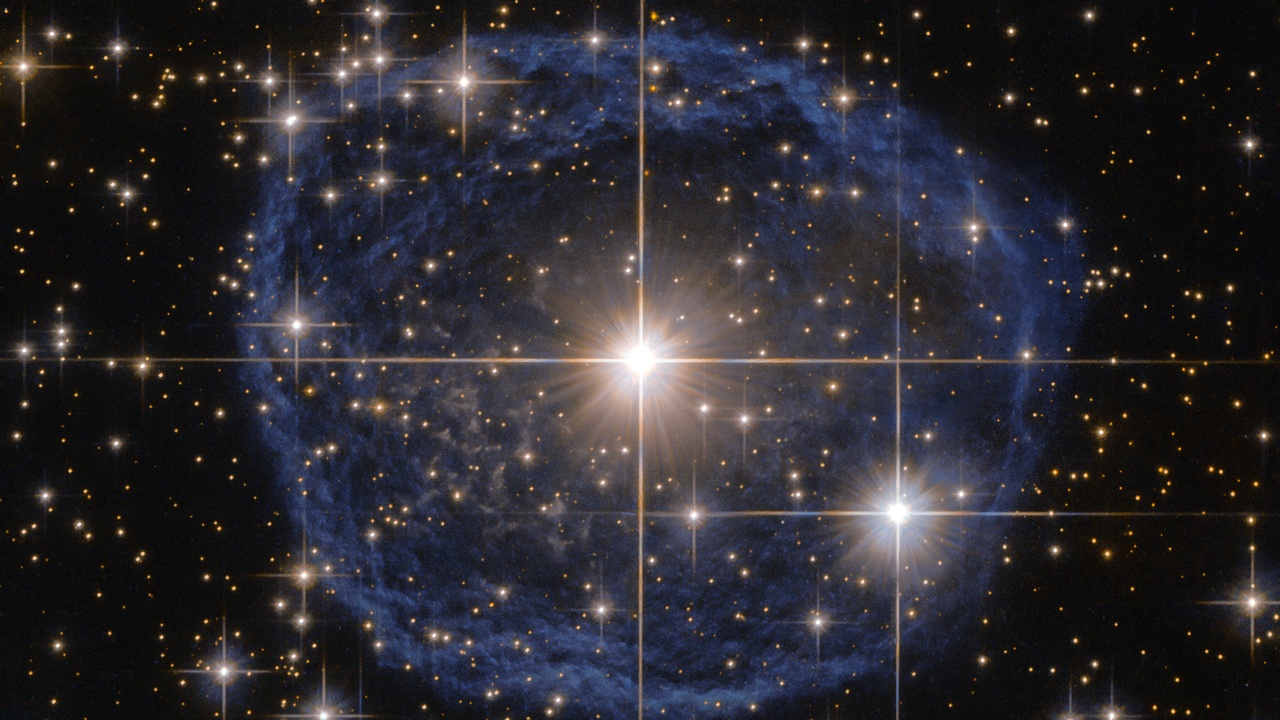
These branches probe how stars are born, live, and die, and how galaxies form and evolve. Their work explains the origin of the chemical elements, how planetary systems arise, and provides the clearest evidence for dark matter.
5. Stellar Astronomy — Life cycles of stars
Stellar astronomy traces star formation, fusion-driven lives, and explosive deaths. The Sun’s age (~4.6 billion years) illustrates typical stellar timescales; surveys such as ESA’s Gaia are mapping over a billion stars to refine those models.
Stellar models predict nucleosynthesis—the sequence of reactions that produces the elements in the periodic table used in electronics, medicine, and industry. Observations like Supernova 1987A and its associated neutrino detections confirmed theoretical expectations about core collapse and element production.
Understanding stellar yields also helps cosmochemists and planetary scientists reconstruct the material that built our Solar System and informs models for radiogenic isotopes used in medical and industrial applications.
6. Galactic Astronomy — Structure and dark matter in the Milky Way
Galactic astronomy examines the Milky Way’s structure, dynamics, and mass distribution. Vera Rubin’s rotation curve studies showed that stars orbit too quickly at large radii—strong evidence for unseen mass we call dark matter.
Gaia’s data releases (DR2, DR3) have provided precise positions and motions for billions of stars, letting astronomers map streams, spiral arms, and the Galaxy’s mass profile. That mapping refines galaxy-formation models and constrains dark‑matter properties.
Practical payoffs include improved astrometry for spacecraft navigation and the ability to identify nearby stellar neighbors that might host future interstellar probe targets or influence long‑term solar environment calculations.
Universe-scale and Life-focused Branches
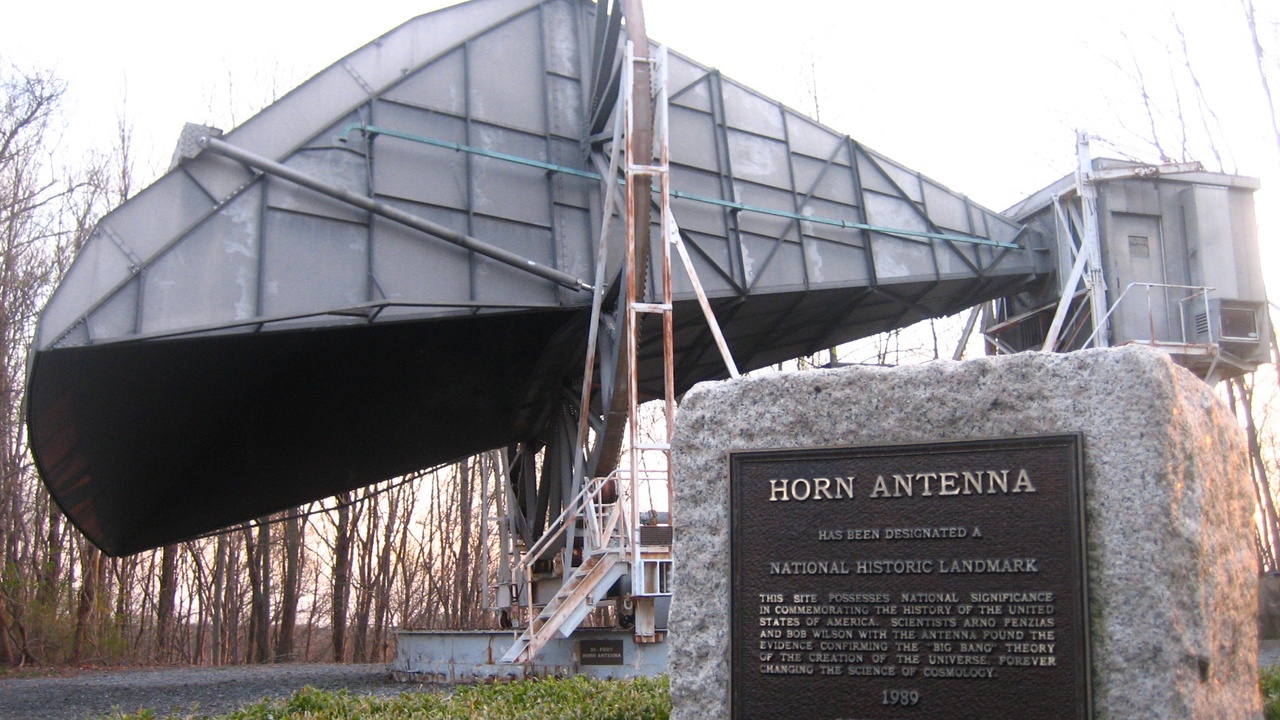
These branches address the largest questions—how the Universe began and whether life exists beyond Earth. They combine massive surveys, precision cosmology, and lab-based biology, producing findings with deep scientific and societal resonance.
7. Extragalactic Astronomy & Cosmology — The universe at the largest scales
This field studies galaxies beyond the Milky Way and the Universe’s origin and evolution. The discovery of cosmic expansion (Hubble’s law, 1929) set the stage; successive missions—COBE, WMAP, and Planck—mapped the cosmic microwave background with increasing precision.
Planck’s results (2013–2018) tightened constraints on cosmological parameters, while the discovery of accelerated expansion in 1998 (via Type Ia supernovae) introduced dark energy as a dominant component of the cosmos. Today there’s a notable Hubble tension: local H0 measurements disagree with early‑Universe inferences, a puzzle that could point to new physics.
Cosmology drives detector development, large-survey data techniques, and cross‑disciplinary theory that feed particle physics. The search for subtle signals in the CMB and large-scale structure has raised hardware and algorithmic standards that benefit many high-data fields.
8. Astrobiology — The search for life beyond Earth
Astrobiology combines astronomy, biology, and planetary science to assess where life could exist and how to detect it. Space telescopes and missions from Kepler and TESS have produced catalogs containing thousands of exoplanets, guiding targets for biosignature searches.
Efforts focus on detecting atmospheric gases like oxygen or methane that could signal life, planning sample‑return missions (for example, coordinated Mars sample-return activities), and studying Earth extremophiles in Antarctic lakes and deep-sea vents to define life’s limits.
Astrobiology also shapes policy—planetary protection rules for avoiding forward and backward contamination—and spurs biotech and instrumentation innovations driven by the need to detect trace organics and robust biomarkers.
Summary
- Different specialties share tools and data: telescopes, detectors, and large simulations link solar physics to cosmology and astrobiology.
- Work at small scales has big payoffs—solar monitoring protects infrastructure, and stellar physics explains the elements behind modern electronics and medicine.
- Surveys and missions continually reshape our picture of the Universe: exoplanet catalogs (Kepler, TESS) guide life‑search priorities, while Planck and other CMB experiments refine fundamental physics.
- Practical innovations—from imaging detectors to data‑analysis algorithms—often migrate out of astronomy into industry, climate science, and medical technology.
- Recognizing the branches of astronomy helps you see why a single discovery—Hubble’s galaxies or a Mars sample—can ripple across science, policy, and technology.