Uzbekistan sits at the crossroads of Central Asia, with deserts, steppe and mountain-fed river basins shaping its economy and livelihoods. From irrigation networks to mine shafts, the country’s physical geography supports agriculture, energy and a growing extractive sector that drives trade and local employment.
There are 25 Natural Resources of Uzbekistan, ranging from Amu Darya River water to Zinc. For each item the data are organized as Type,Major locations (regions/fields),Reserves or production (value + unit); you’ll find these details below.
How current and reliable are the figures for each resource?
Figures are typically drawn from national geological surveys, ministry reports and international databases; reliability varies by resource and year. Treat listed reserves or production values as estimates and check the source/date shown with each item or consult the relevant Uzbek agency for the latest official updates.
Which resources matter most for planning or investment?
Priority depends on goals: energy planners focus on natural gas and water (for irrigation and hydropower), while investors often watch metals like gold, copper and uranium for export potential. Always weigh resource size against infrastructure, regulatory environment and commodity-price risk.
Natural Resources of Uzbekistan
| Name | Type | Major locations (regions/fields) | Reserves or production (value + unit) |
|---|---|---|---|
| Natural gas | Energy | Ustyurt, Bukhara, Khorezm, Surxondaryo | 1,860 bcm |
| Crude oil | Energy | Fergana, Bukhara, Surxondaryo | 594 million bbl |
| Coal | Energy | Angren basin, Kokand, Shargun | 1.6 billion t |
| Uranium | Metal | Uchkuduk, Nurabad, Bukhara region | 60,000 t U |
| Gold | Metal | Muruntau (Navoiy), Zarafshan, Jerooy | 100 t/year |
| Copper | Metal | Almalyk, Kalmakyr (Tashkent region), Angren | 240,000 t/year |
| Silver | Metal | Muruntau (byproduct), Almalyk | 1,200 t/year |
| Lead | Metal | Almalyk, Jizzakh deposits | 30,000 t/year |
| Zinc | Metal | Almalyk, Jizzakh | 70,000 t/year |
| Molybdenum | Metal | Almalyk, Sultonabad | 7,000 t/year |
| Phosphate rock | Industrial mineral | Jizzakh, Surxondaryo | 500 million t |
| Salt | Industrial mineral | Lake Tuzkan, Karakalpakstan, Fergana | 2,000,000 t/year |
| Gypsum | Industrial mineral | Fergana, Surxondaryo | 4,000,000 t/year |
| Limestone | Industrial mineral | Nationwide quarries, Syr Darya region | 20,000,000 t/year |
| Bentonite | Industrial mineral | Kyzylorda, Bukhara | 300 million t |
| Kaolin | Industrial mineral | Karakalpakstan, Jizzakh | 200,000 t/year |
| Barite | Industrial mineral | Navoi region | 30,000 t/year |
| Sulfur | Industrial mineral | Gas processing plants, Bukhara | 100,000 t/year |
| Amu Darya River water | Water | Southern Uzbekistan (Amu Darya basin) | 79 bcm/year flow |
| Syr Darya River water | Water | Northern Uzbekistan (Syr Darya basin) | 37 bcm/year flow |
| Fergana Valley groundwater | Water | Fergana Valley aquifer | 3.5 bcm/year renewable |
| Irrigated agricultural land | Agricultural land | Fergana, Namangan, Khorezm | 4.8 million ha |
| Cotton (lint) | Agricultural land | Fergana, Khorezm, Syr Darya regions | 2,500,000 t/year |
| Wheat | Agricultural land | Syr Darya, Samarkand, Tashkent regions | 7,500,000 t/year |
| Fruits & vegetables | Agricultural land | Fergana, Samarkand, Surxondaryo | 17,000,000 t/year |
Images and Descriptions
Natural gas
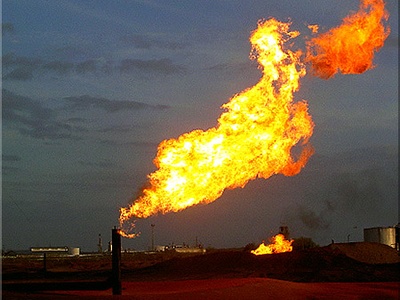
Uzbekistan has large onshore natural gas fields supplying domestic energy and exports. Major basins include Ustyurt and Bukhara; gas fuels power generation, industry and regional exports, making it the country’s most important energy resource.
Crude oil
Modest but commercially important onshore oil fields occur mainly in Fergana and southern provinces. Crude supports domestic refining and transport fuels; production and reserves are smaller than gas but vital for regional energy security.
Coal
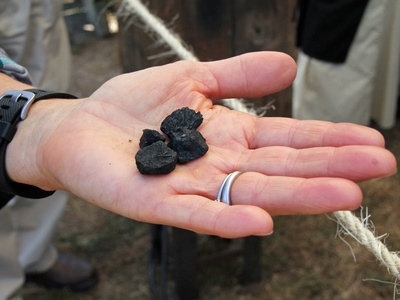
Coal deposits in the Angren and Kokand basins are used for power generation, cement and industry. Reserves are sizable for domestic consumption, supporting thermal plants and regional energy needs in Uzbekistan.
Uranium
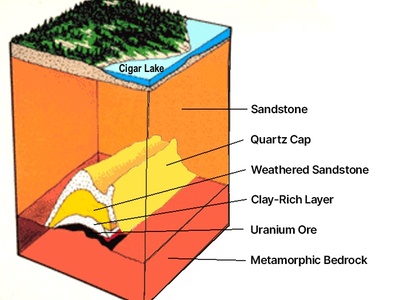
Significant uranium deposits in central Uzbekistan (Uchkuduk area) have been mined historically. Uranium is important for nuclear fuel potential and export; deposits are among Central Asia’s more notable radioactive mineral resources.
Gold
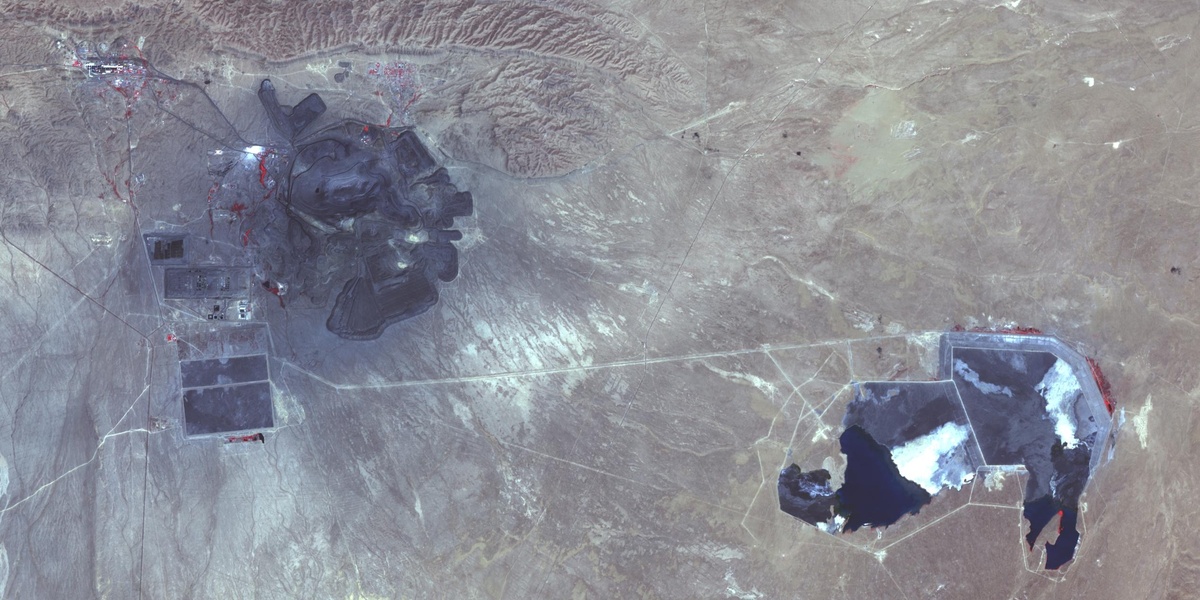
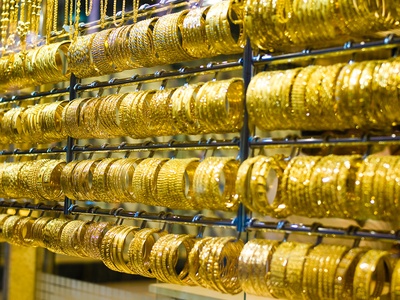
Uzbekistan is a major gold producer; Muruntau is one of the world’s largest open-pit mines. Gold mining drives exports, government revenue and regional employment, with production mainly from large state and industrial mines.
Copper
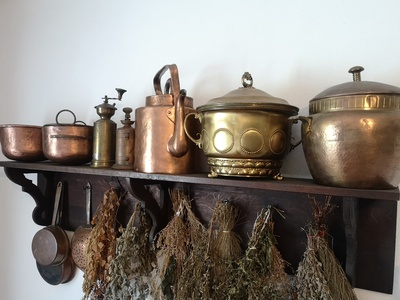
Large porphyry and sulfide deposits at Almalyk and Kalmakyr supply copper concentrate and cathode. Copper supports smelting, metal exports and domestic industry, and is a cornerstone of Uzbekistan’s nonferrous sector.
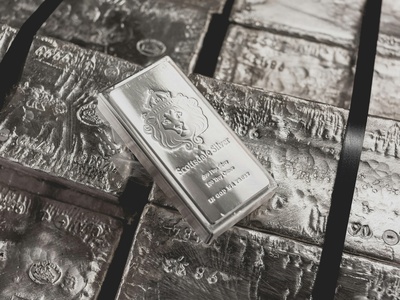
Silver
Silver occurs mainly as a byproduct of gold and copper mining. It is recovered at major mines and contributes to precious-metal output, export earnings and processing industries.
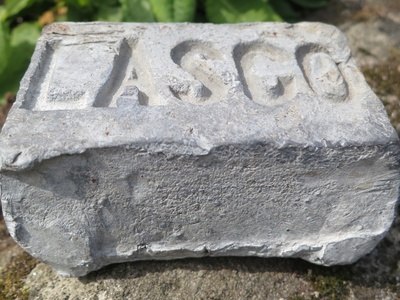
Lead
Lead is recovered from polymetallic ores in mining districts like Almalyk and Jizzakh. It serves battery production and industrial uses, with production largely tied to base-metal mining operations.
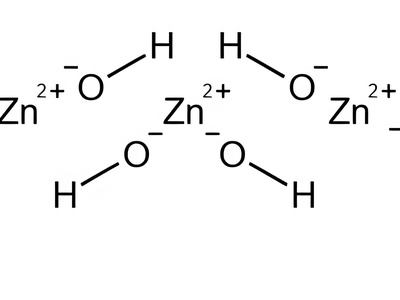
Zinc
Zinc is produced from polymetallic deposits linked to copper and lead mining. It is important for galvanizing and alloy production, and supports downstream metals processing.
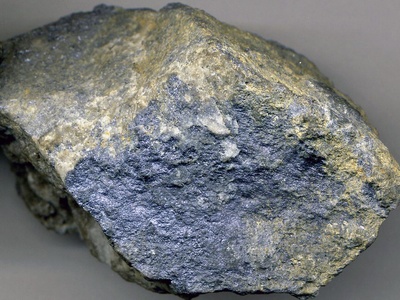
Molybdenum
Molybdenum occurs with copper in porphyry deposits and is used in high-strength steel alloys. Uzbekistan’s molybdenum is a valuable byproduct that supports metallurgical industries.
Phosphate rock
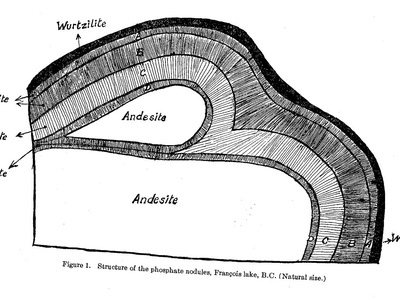
Phosphate deposits in central and southern regions provide raw material for fertilizers. These phosphorites are important for domestic agriculture and have potential for fertilizer processing and export.
Salt
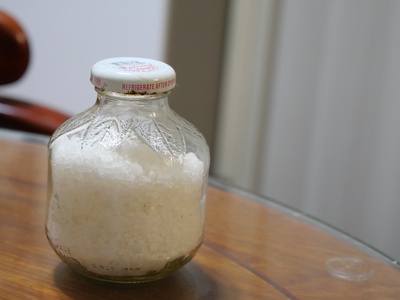
Large evaporite and salt lake deposits supply industrial and edible salt. Salt supports food processing, chemical industries and local markets across Uzbekistan.

Gypsum
Gypsum beds are abundant and used in cement, plaster and construction products. Local deposits feed the construction sector and cement plants, making gypsum a key industrial mineral.
Limestone
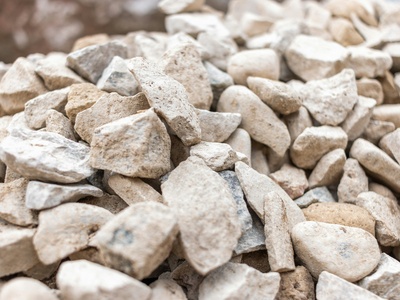
Extensive limestone resources supply cement, building stone and aggregate. Limestone quarries across Uzbekistan underpin construction, infrastructure and heavy industry materials.

Bentonite
Bentonite clays are used for drilling muds, foundry sands, cat litter and sealing applications. Uzbekistan’s bentonite deposits are sizeable and have growing industrial importance.
Kaolin
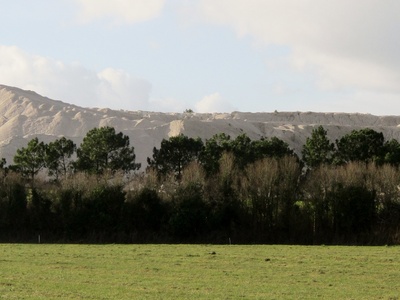
Kaolin (china clay) deposits are used in ceramics, paper coating and refractories. Smaller-scale mining supports domestic manufacturing and some export markets.
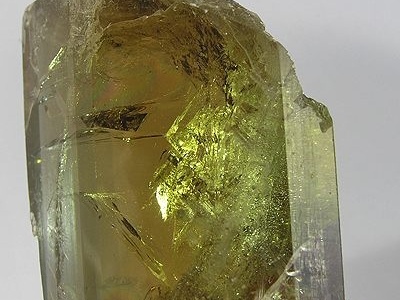
Barite
Barite is used mainly in drilling fluids for oil and gas and in chemical applications. Deposits in central regions supply local industry and regional drilling needs.
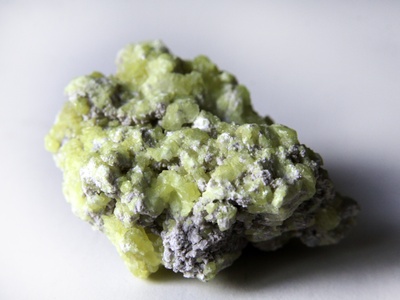
Sulfur
Sulfur is produced as a byproduct of natural gas processing and petroleum refining. It feeds fertilizer production, chemical industries and industrial uses across Uzbekistan.
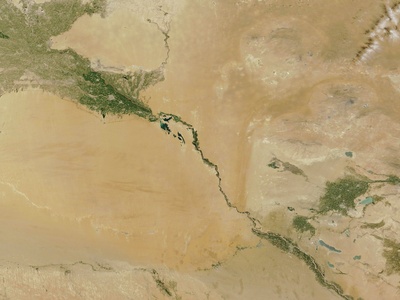
Amu Darya River water
The Amu Darya is the country’s main southern river, supplying irrigation, hydropower and drinking water. Its flow is critical for agriculture in southern oases but is subject to seasonal and transboundary variability.
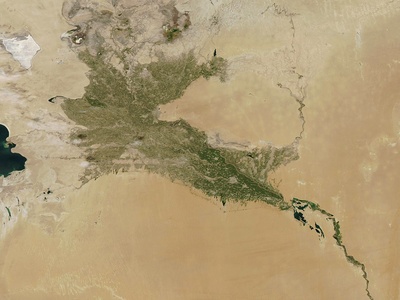
Syr Darya River water
The Syr Darya supplies northern irrigation and reservoirs. It underpins cotton and grain production in the north and is central to regional water management and downstream shared resources.
Fergana Valley groundwater
The Fergana Valley relies heavily on groundwater for irrigation and drinking water. Aquifers provide essential water but face stress from intensive irrigation, salinization and overuse in the densely farmed valley.
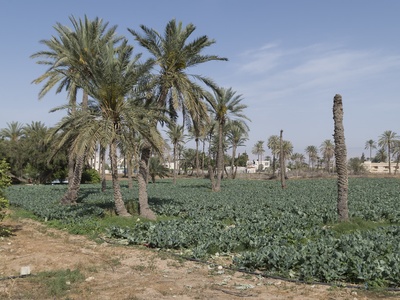
Irrigated agricultural land
Uzbekistan’s irrigated land supports high-value cropping in otherwise arid terrain. Extensive irrigation networks enable cotton, wheat and horticulture but require continuous water management and modernization.
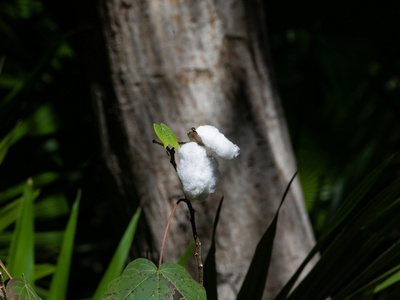
Cotton (lint)
Cotton is a historically dominant cash crop for Uzbekistan’s economy and rural livelihoods. Lint production supplies textile raw material, export revenue and remains a politically and economically significant commodity.
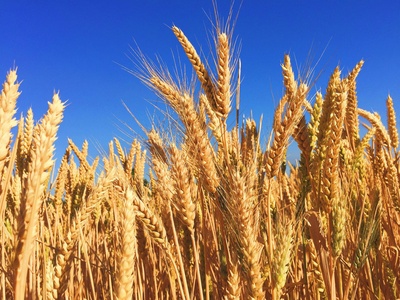
Wheat
Wheat is the staple crop for domestic food security. Large areas of rainfed and irrigated wheat production keep Uzbekistan largely self-sufficient in flour and support rural agriculture.
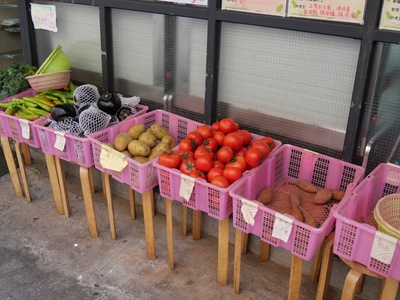
Fruits & vegetables
Diverse horticulture — grapes, melons, apricots and vegetables — thrives in irrigated valleys. Fruit and vegetable production is vital for domestic consumption, processing, export and rural incomes.