In 1909 Fritz Haber demonstrated a method to combine nitrogen with hydrogen to make ammonia, and by 1913 Carl Bosch scaled that chemistry into the industrial Haber–Bosch process — the breakthrough that underpins modern agriculture and helps produce roughly 170 million tonnes of ammonia each year. That output feeds an estimated 40% of the world’s food through synthetic fertilizers. At first glance gaseous N₂ looks inert because of its strong triple bond (N≡N ≈ 945 kJ·mol⁻¹), yet activated nitrogen forms a vast array of compounds that power industry, biology and materials science.
This article walks through ten key elements nitrogen reacts with, grouped into three categories: nonmetals, halogens/metalloids, and metals/transition metals. Each H2 is a category and beneath it are H3 items for the specific elements and their notable compounds.
Nonmetal Partners: Fundamental Nitrogen Compounds
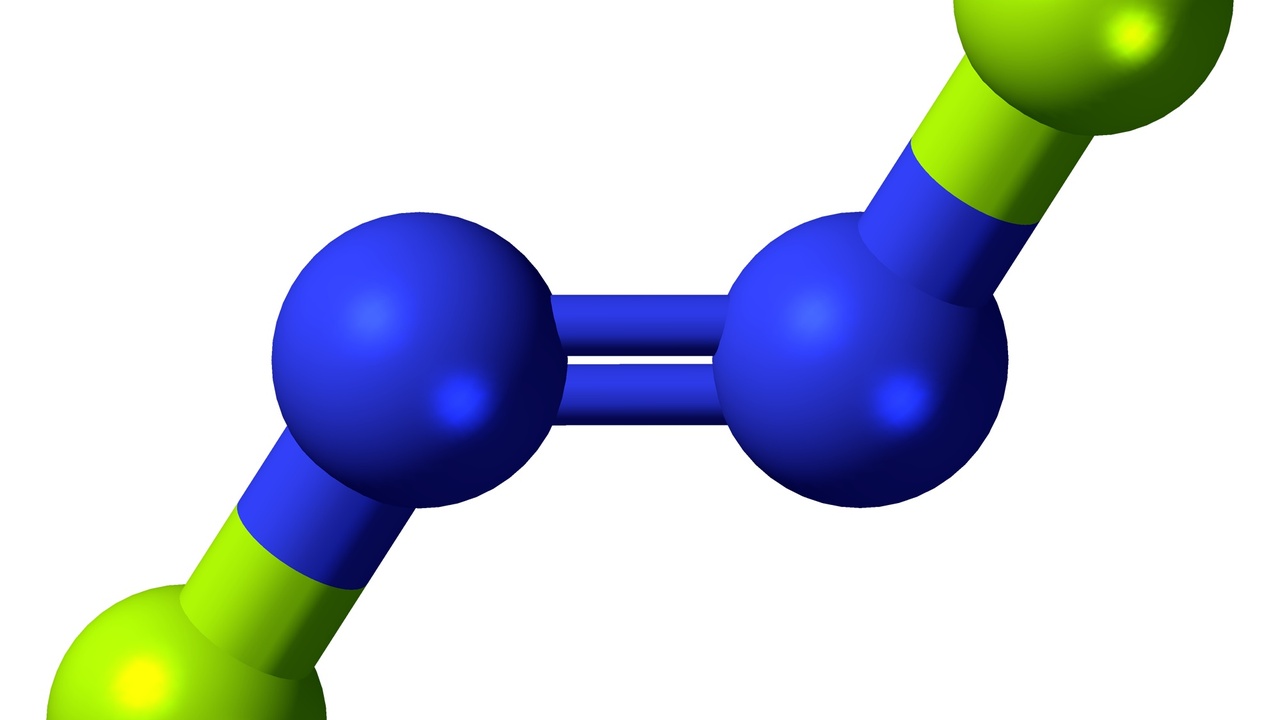
Nonmetals pair with nitrogen to give compounds essential to life, industry and pollution control. Catalysis and high‑energy routes (Haber–Bosch for N–H, high‑temperature combustion for N–O) overcome the strong N≡N bond, enabling diverse N–X chemistry from fertilizers to smog-forming NOx.
1. Hydrogen (H) — Ammonia and the Fertilizer Revolution
Nitrogen reacts with hydrogen to form ammonia (NH3), the single most important industrial nitrogen compound. The balanced equation is N2 + 3H2 → 2NH3; the reaction requires high activation energy and iron‑based catalysts developed after Haber’s 1909 lab demonstration and Bosch’s 1913 industrialization.
Today global ammonia production sits near 170 million tonnes per year. Ammonia is fed into fertilizers (urea, ammonium nitrate), historically served as a refrigerant, and acts as a precursor to nitric acid and many N‑containing chemicals. The process revolutionized agriculture and supports roughly 40% of the calories humans consume.
2. Oxygen (O) — Nitrogen Oxides and Climate/Health Impacts
Nitrogen and oxygen form a family of oxides — NO, NO2, N2O and others — collectively called NOx when emitted from combustion, lightning or microbial processes. High combustion temperatures drive N2 and O2 to react, producing tens of teragrams of reactive nitrogen oxides per year globally (estimates vary by source).
NO acts as a biological signaling molecule; NO2 contributes to urban smog and respiratory harm; N2O (nitrous oxide) is a long‑lived greenhouse gas with a 100‑year global warming potential roughly 298 times that of CO2. Industry mitigates NOx with catalytic converters and selective catalytic reduction in flue‑gas streams.
3. Carbon (C) — Nitriles, Amines and the Backbone of Organic Chemistry
Nitrogen forms C–N bonds that underpin amines, amides, nitriles and heterocycles — the functional groups dominant in pharmaceuticals, agrochemicals and polymers. Synthetic routes include amination, cyanation and coupling reactions that introduce nitrogen into organic frameworks.
Biology depends on C–N chemistry in amino acids and proteins; industry leverages it in APIs and materials (polyamides like Kevlar). Roughly 80% of small‑molecule drugs contain nitrogen, illustrating how central C–N connectivity is to medicinal chemistry and materials design.
4. Sulfur (S) — Sulfur Nitrides and Industrial Intermediates
Sulfur and nitrogen combine to give SxNy species such as sulfur nitride S4N4 and thiocyanate (SCN−) derivatives. Some S–N molecules are lab curiosities; others serve as ligands or intermediates in synthesis.
S4N4 is known for its yellow crystals and shock sensitivity and has historical interest in synthetic chemistry. Ammonium thiocyanate finds routine use in analytical chemistry and industry. S–N chemistry also appears in certain energetic materials and specialty materials research.
Halogens and Metalloids: Reactive and Useful Nitrogen Compounds
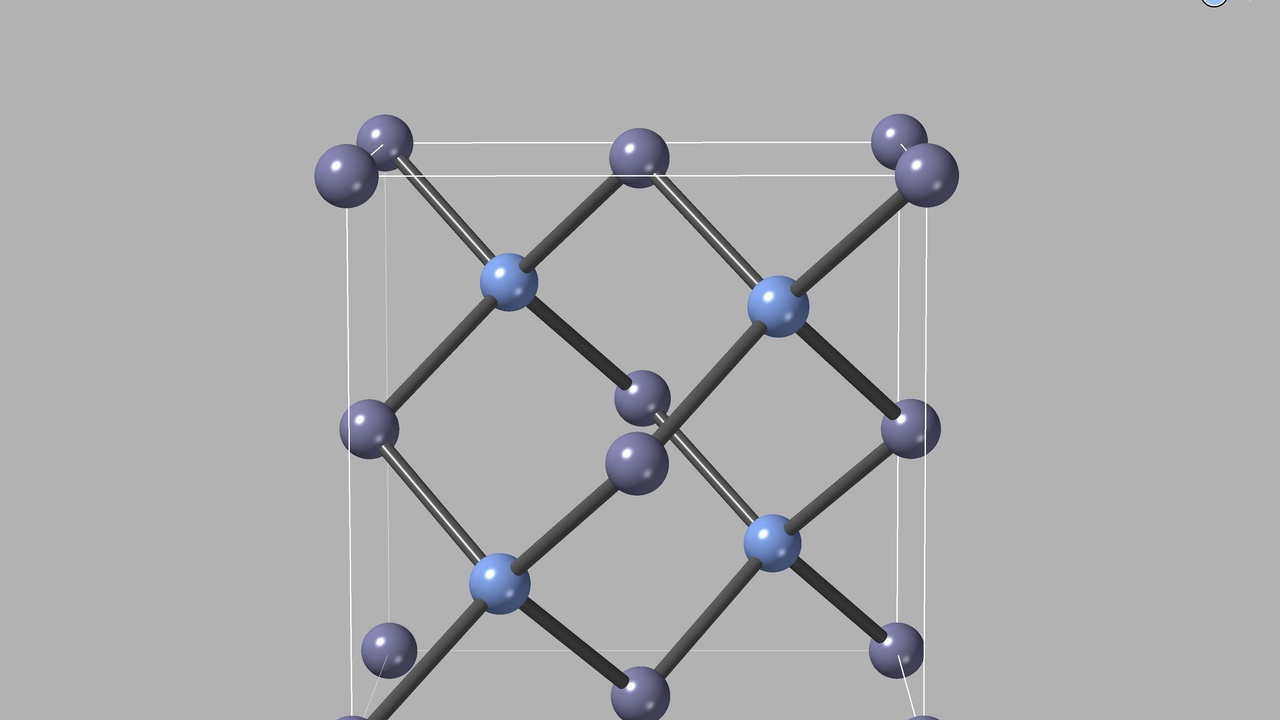
Halogens and metalloids give nitrogen distinctive and often safety‑sensitive compounds, or highly useful materials. Halogenation can create volatile or explosive species, while metalloids yield ceramics and polymers with unique thermal and mechanical properties.
5. Chlorine (Cl) — Nitrogen Trichloride and Treatment Hazards
Nitrogen reacts with chlorine to form compounds such as nitrogen trichloride (NCl3), which can form unintentionally when chlorinating waters that contain ammonia or organic nitrogen. NCl3 is volatile and can be extremely sensitive and irritating.
Because N–Cl species can be hazardous, water‑treatment and pool operators monitor chlorine dosing carefully and follow safety protocols to avoid NCl3 formation. These species are generally avoided rather than produced as useful products.
6. Boron (B) — Boron Nitride: A Ceramic and Electronic Helper
Boron nitride (BN) exists in allotropes analogous to carbon: hexagonal BN (h‑BN) resembles graphite and serves as a solid lubricant and high‑temperature electrical insulator; cubic BN (c‑BN) rivals diamond in hardness and is used as an abrasive.
h‑BN tolerates high temperatures and low friction, making it valuable in crucibles, heat sinks and aerospace ceramics. c‑BN is second only to diamond in hardness and finds use in cutting and grinding tools.
7. Phosphorus (P) — Phosphorus Nitrides and Polymer Precursors
Phosphorus–nitrogen chemistry yields materials such as P3N5 and a family of polymers called phosphazenes (—P=N— repeating units). Phosphazenes can combine flame resistance with elastomeric properties, making them useful in specialty elastomers and coatings.
Synthesis often requires controlled temperatures or specific precursors; P3N5 serves as a precursor for advanced ceramics and refractory materials. Phosphazene materials have attracted interest for thermal stability and electrical insulation in niche applications.
Metals and Transition Metals: Nitrides and Surface Chemistry
Many metals form nitrides or react with nitrogen under heat or plasma to create hard, wear‑resistant surfaces. Industrial nitriding and laboratory nitride chemistry deliver materials for tooling, electronics and energy storage.
8. Lithium (Li) — Lithium Nitride and Energy Research
Lithium reacts with nitrogen to form lithium nitride (Li3N), a red‑brown solid that can form under relatively mild conditions for an alkali metal. Li3N has attracted attention for hydrogen storage, as a synthetic reagent, and in early solid‑state battery research.
Researchers study Li–N phases for interfaces in solid‑state batteries and for routes that activate N₂ under unusual conditions. Li3N is reactive with water and must be handled under dry, inert conditions in the lab.
9. Magnesium (Mg) — Magnesium Nitride and Ceramic Precursors
Magnesium reacts with nitrogen at elevated temperatures to give magnesium nitride, Mg3N2. Formation typically requires heating magnesium metal in nitrogen or ammonia atmospheres at several hundred °C.
Mg3N2 hydrolyzes to yield ammonia and Mg(OH)2, a reaction sometimes used in laboratory procedures to generate NH3. Mg3N2 also serves as a precursor in nitride and ceramic syntheses where controlled conversion to other nitrides is useful.
10. Iron (Fe) — Nitriding Steel and Surface Engineering
Nitrogen hardens steel surfaces via nitriding, which produces iron nitrides (ε‑Fe2‑3N, γ′‑Fe4N) that increase surface hardness, wear resistance and fatigue life. Typical nitriding temperatures run about 500–550°C for many industrial processes.
Gas nitriding, salt‑bath nitriding and plasma (ion) nitriding are applied to gears, camshafts and tooling. Surface hardness can rise by several hundred Vickers numbers, extending component life in automotive and manufacturing contexts.
Summary
- Nitrogen balances an inert gaseous form (N₂) with chemically rich behavior once activated, enabling ammonia, NOx, nitrides and organic N‑compounds.
- Industrial and biological importance runs from Haber–Bosch ammonia production (~170 million tonnes/yr) to nitrogen in most pharmaceuticals and proteins.
- Environmental and safety issues — NOx pollution, N2O as a potent greenhouse gas, and hazards like NCl3 — require control and responsible practice.
- Materials and energy applications include boron nitride ceramics, metal nitrides via nitriding (~500–550°C), and Li3N research for future energy technologies; learn more about sustainable ammonia and low‑carbon nitrogen pathways.