From kitchen pantries to plant cell walls, tiny sugars shape flavor, energy and structure in everyday life. Looking at the most common two-sugar molecules helps make sense of digestion, food labels and where different sweeteners come from.
There are 15 Disaccharides, ranging from Cellobiose to Turanose. For each entry you’ll find below Monosaccharide units, Glycosidic linkage, and Natural source to help you compare composition and origin as you scan the list you’ll find below.
How are disaccharides broken down in the body?
Disaccharides are split into monosaccharides by specific enzymes (for example sucrase, lactase, maltase) mostly in the small intestine; the resulting monosaccharides are then absorbed into the bloodstream for energy, while disaccharides with beta linkages resist human digestion and behave more like fiber.
How can I tell which disaccharide is present in a food?
Check ingredient lists and nutrition labels for names like sucrose, lactose, maltose or trehalose, and consider the natural source (milk, cane sugar, malted grains, honey); knowing the glycosidic linkage (alpha vs. beta) also explains digestibility and functional behavior in recipes.
Disaccharides
| Name | Monosaccharide units | Glycosidic linkage | Natural source |
|---|---|---|---|
| Sucrose | glucose+fructose | α1→β2 | sugar cane, sugar beet, fruits, vegetables |
| Lactose | galactose+glucose | β1→4 | milk and dairy products |
| Maltose | glucose+glucose | α1→4 | germinating grains, malt, starch hydrolysates |
| Cellobiose | glucose+glucose | β1→4 | cellulose degradation, some fungi and bacteria |
| Trehalose | glucose+glucose | α1→1 | mushrooms, insects, yeast, some plants |
| Isomaltose | glucose+glucose | α1→6 | starch degradation products, fermented foods |
| Isomaltulose (Palatinose) | glucose+fructose | α1→6 | honey, sugar beet processing, enzymatic conversion |
| Melibiose | galactose+glucose | α1→6 | hydrolysis of raffinose, some plants and honey |
| Kojibiose | glucose+glucose | α1→2 | fermented foods, microbial products |
| Gentiobiose | glucose+glucose | β1→6 | plant glycosides, some hydrolyzed glucans |
| Laminaribiose | glucose+glucose | β1→3 | brown algae, fungal glucans, seaweeds |
| Sophorose | glucose+glucose | β1→2 | microbial fermentation products, plant extracts |
| Turanose | glucose+fructose | α1→3 | honey, plant tissues, sucrose isomers |
| Lactulose | galactose+fructose | β1→4 | formed during milk heating, manufactured laxative |
| Nigerose | glucose+glucose | α1→3 | dextrins, fermented syrups, some starch hydrolysates |
Images and Descriptions
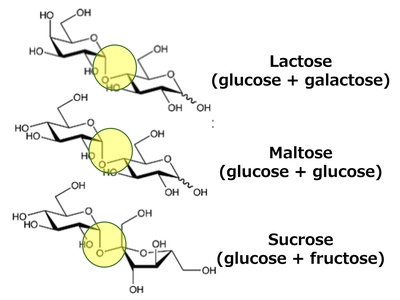
Sucrose
Common table sugar of glucose and fructose with a nonreducing α1→β2 bond. Abundant in plants, rapidly digested by intestinal sucrase to yield glucose and fructose. Widely used as a sweetener and primary dietary source of quick energy.
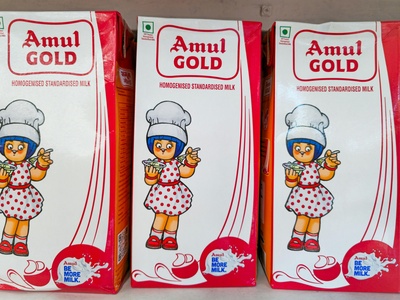
Lactose
Milk sugar composed of galactose and glucose joined β1→4. Digested by lactase in the small intestine; lactase deficiency causes lactose intolerance and colonic fermentation. Important nutrient for infants and significant in dairy nutrition and fermentation.
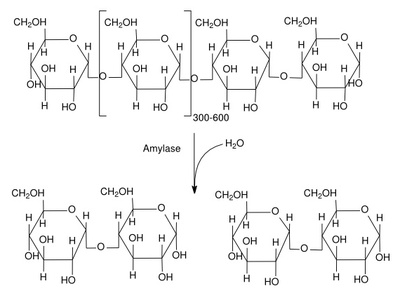
Maltose
A reducing disaccharide of two glucoses linked α1→4, generated during starch breakdown. Digested by maltase/α-glucosidases in the small intestine to glucose. Common in malt products and brewing processes; supplies fermentable sugar for yeast.
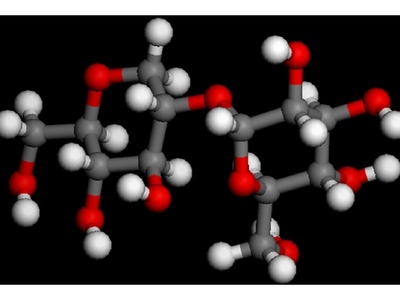
Cellobiose
A β1→4 glucose disaccharide produced when cellulose is partially hydrolyzed. Human enzymes poorly digest it; mainly broken down by microbial β-glucosidases. Important in biofuel research and plant cell wall studies.

Trehalose
Nonreducing sugar of two glucoses linked α1→1 found in fungi, insects, and plants. Hydrolyzed by trehalase in many animals including humans. Serves as stress-protectant sugar and is used in food and pharmaceutical stabilization.
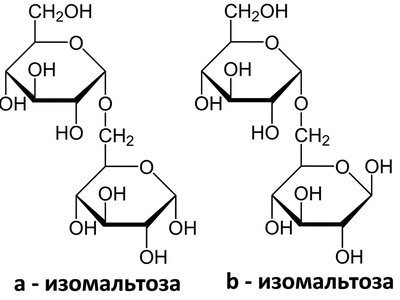
Isomaltose
Glucose disaccharide with an α1→6 bond produced during dextrin breakdown. Digested by isomaltase (part of sucrase–isomaltase complex) to glucose. Occurs in some processed and fermented foods and contributes to sweetness and fermentability.
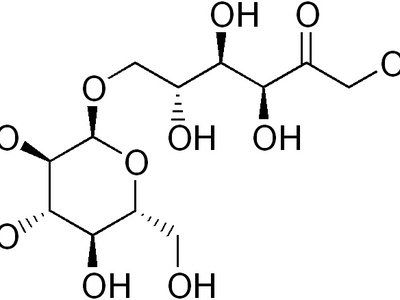
Isomaltulose (Palatinose)
Sucrose isomer with α1→6 linkage; naturally minor in honey and made enzymatically as palatinose. More slowly hydrolyzed by sucrase–isomaltase, giving a lower glycemic response and sustained energy release compared with sucrose.
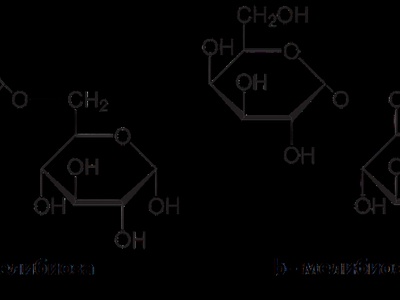
Melibiose
Composed of galactose α1→6 linked to glucose, released from raffinose breakdown. Humans lack enough α-galactosidase to digest it efficiently, so it is often fermented by gut microbes. Found in certain plant extracts and foods.
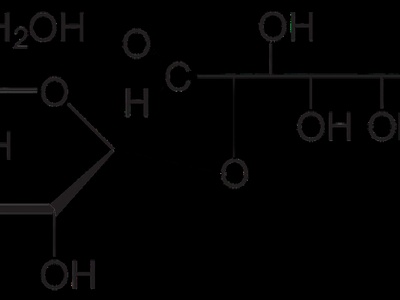
Kojibiose
A disaccharide of two glucoses linked α1→2, found in some fermentation products and produced enzymatically. It is digestible by intestinal α-glucosidases but is less common in the diet; investigated for prebiotic and low-calorie sweetener applications.
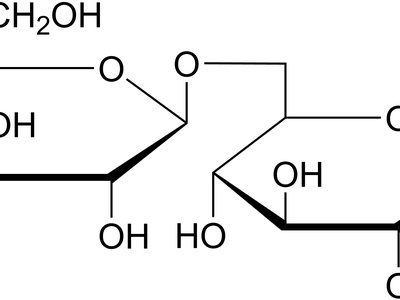
Gentiobiose
A β1→6 glucose dimer found as a fragment of plant glucans and glycosides. Not a major human dietary sugar; it is usually hydrolyzed by specialized microbial β-glucosidases and appears in studies of polysaccharide breakdown.
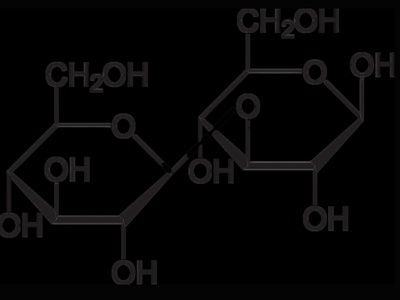
Laminaribiose
A β1→3 linked glucose disaccharide from laminarin and other β-glucans in algae and fungi. Poorly digested by human enzymes, it is typically fermented by gut or environmental microbes and is studied for bioactivity and digestion of marine polysaccharides.
Sophorose
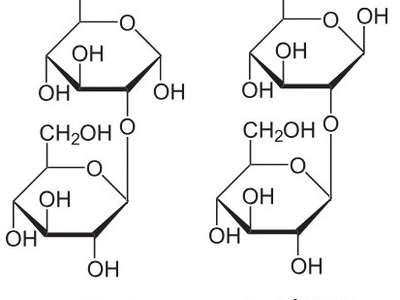
A β1→2 glucose disaccharide produced during some fermentations and enzymatic reactions. Rare in common foods, it can act as an inducer in microbial systems and is usually metabolized by specialized β-glucosidases from microbes.
Turanose
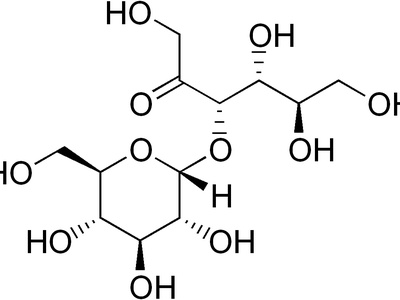
An isomer of sucrose where glucose links to fructose α1→3. Present at low levels in some plants and honey, it is metabolized more slowly than sucrose and can be fermented by microbes; of interest for digestion and sweetness studies.
Lactulose
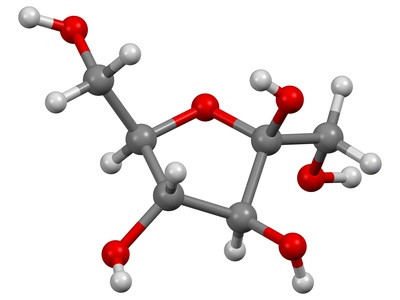
A synthetic or heat‑derived disaccharide of galactose and fructose joined β1→4. Poorly absorbed by humans and fermented in the colon, where it acts as a prebiotic and osmotic laxative used clinically for constipation and hepatic encephalopathy.
Nigerose
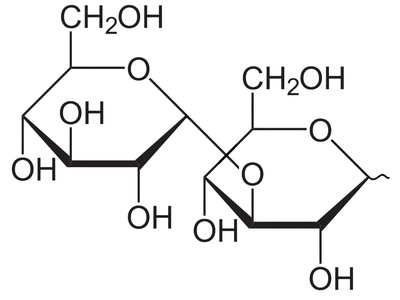
An α1→3 linked glucose dimer that arises during starch roasting or dextrin formation and in some fermentations. Digestible by human α-glucosidases to glucose, it appears as a minor sugar in processed carbohydrate foods.