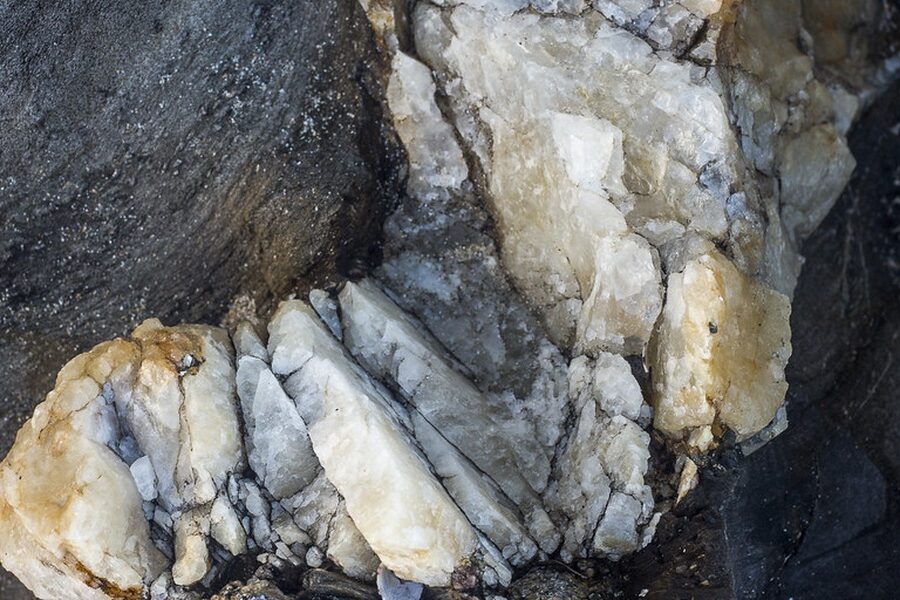
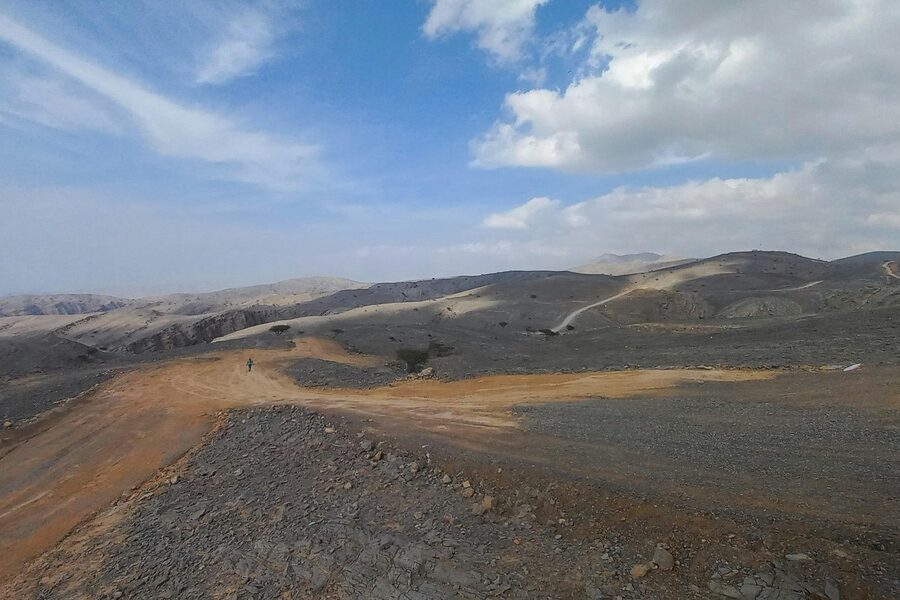
Delaware’s quiet hills hide a patchwork of older igneous rocks that hint at episodes of volcanism long ago. Those remnants show up as isolated outcrops and subsurface bodies that tell a story about the state’s geological past rather than active eruptions.
There are 3 Volcanoes in Delaware, ranging from Iron Hill to Wilmington Complex. For each entry, the data are organized as Type,Location (county; lat,lon),Age (Ma) so you can compare form, position, and timing — you’ll find those details below.
Are any of Delaware’s volcanic features active today?
No. The volcanic rocks in Delaware are ancient and long extinct; they formed during past tectonic events and now exist as solidified intrusions and eroded remnants, so there is no volcanic hazard from them today.
How can I locate or visit these sites for study or hiking?
Many exposures are small or on private land, though some outcrops and mapped areas are accessible via parks or roadside stops; check state geological survey maps and local land access rules before visiting.
Volcanoes in Delaware
| Name | Type | Location (county; lat,lon) | Age (Ma) |
|---|---|---|---|
| Wilmington Complex | igneous complex | New Castle; 39.74,-75.56 | 600 |
| Iron Hill | mafic–ultramafic intrusion | New Castle; 39.66,-75.73 | 600 |
| Newark Basin diabase (CAMP diabase) | diabase intrusion (sill/dike) | New Castle; 39.70,-75.65 | 200 |
Images and Descriptions

Wilmington Complex
A large, ancient intrusive igneous complex exposed in northern Delaware and nearby Pennsylvania. Composed of gabbroic and related rocks, it records deep-seated magmatism from the late Precambrian–early Paleozoic rather than a surface volcanic cone.
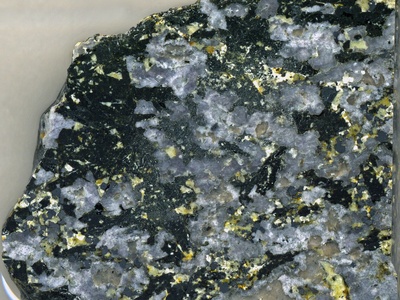
Iron Hill
Prominent mafic–ultramafic body near Newark with magnetite-rich rocks that were historically mined. Part of the Wilmington Complex, Iron Hill is an intrusive remnant of ancient magmatism, not a volcano, and is a clear local example of igneous rock.
Newark Basin diabase (CAMP diabase)
Diabase sills and dikes related to Triassic–Jurassic rifting and the Central Atlantic Magmatic Province. These near-surface intrusions form hard “trap rock” outcrops in northern Delaware and record rift-related volcanism about 200 million years ago.