Whether you’re working in a home garage, a chemical lab, or managing storeroom inventory, recognizing which liquids ignite easily is a basic safety step. A concise list helps you assess storage, handling, and emergency planning without wading through dense manuals.
There are 20 Examples of Flammable Liquids, ranging from 1-Butanol to n-Hexane. Each entry is organized with Chemical name (CAS),Flash point (°C),Typical uses so you can compare hazards and applications — you’ll find below.
How should I store these liquids safely?
Store flammable liquids in approved, clearly labeled containers away from heat and open flames, in a cool, well-ventilated area or an approved flammable-storage cabinet. Keep quantities minimal, use secondary containment, and follow grounding/bonding procedures when transferring fuels; always consult the product’s SDS for specific storage and segregation rules.
What does flash point tell me about handling risk?
Flash point indicates the lowest temperature at which a liquid can form an ignitable vapor-air mix — the lower the flash point, the greater the vapor hazard at ambient temperatures. Use flash point to prioritize controls: lower flash point liquids need stricter ventilation, ignition control, and PPE, while higher flash point liquids still require safe handling and proper storage.
Examples of Flammable Liquids
| Name | Chemical name (CAS) | Flash point (°C) | Typical uses |
|---|---|---|---|
| Gasoline | Gasoline (mixture) (86290-81-5) | -40.0 | Vehicle fuel, small engines, lawn equipment |
| Ethanol | Ethanol (ethyl alcohol) (64-17-5) | 12.0 | Beverages, fuel blends, cleaners, sanitizers |
| Methanol | Methanol (methyl alcohol) (67-56-1) | 11.0 | Industrial solvent, fuel, antifreeze, denaturant |
| Isopropyl alcohol | Isopropanol (isopropyl alcohol) (67-63-0) | 12.0 | Antiseptics, cleaners, solvents |
| Acetone | Acetone (propanone) (67-64-1) | -20.0 | Nail polish remover, solvents, cleaners |
| Diethyl ether | Diethyl ether (ethoxyethane) (60-29-7) | -45.0 | Laboratory solvent, historical anesthetic |
| Ethyl acetate | Ethyl acetate (141-78-6) | -4.0 | Paints, adhesives, nail polish remover, solvents |
| Toluene | Toluene (methylbenzene) (108-88-3) | 4.0 | Paint thinners, adhesives, solvents, fuel additive |
| Xylene | Xylene (mixed isomers) (1330-20-7) | 27.0 | Paints, varnishes, solvents |
| n-Hexane | n-Hexane (110-54-3) | -22.0 | Industrial solvent, extraction, glues |
| MEK | Methyl ethyl ketone (butanone) (78-93-3) | -3.0 | Paint removers, adhesives, coatings solvent |
| Benzene | Benzene (71-43-2) | -11.0 | Industrial precursor, solvents (limited use) |
| Cyclohexane | Cyclohexane (110-82-7) | 9.0 | Chemical intermediate, solvent in labs |
| Heptane | n-Heptane (142-82-5) | -4.0 | Solvent, calibration standard, lab use |
| MIBK | Methyl isobutyl ketone (108-10-1) | 10.0 | Paints, coatings, adhesives solvent |
| 1-Butanol | 1-Butanol (n-butanol) (71-36-3) | 35.0 | Solvent, coatings, chemical intermediate |
| MTBE | Methyl tert‑butyl ether (1634-04-4) | -6.0 | Gasoline oxygenate, fuel additive |
| Naphtha | Petroleum naphtha (light) (64742-89-8) | -20.0 | Solvent, paint thinner, fuel blending |
| THF | Tetrahydrofuran (109-99-9) | -14.0 | Laboratory solvent, polymer production |
| Styrene | Styrene (vinylbenzene) (100-42-5) | 31.0 | Plastic and resin monomer, coatings |
Images and Descriptions

Gasoline
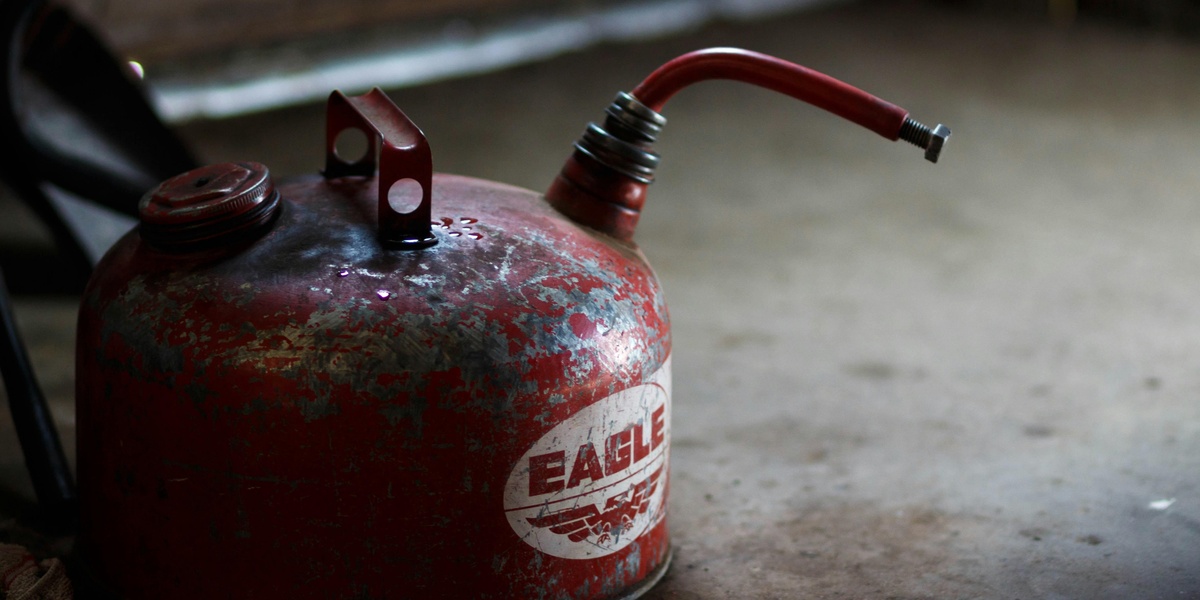
Highly volatile fuel used in cars and small engines. Very low flash point makes vapors ignite easily; emits flammable vapors at room temperature. Keep in approved containers, store cool away from ignition sources, use grounding when transferring and avoid confined spaces.
Ethanol
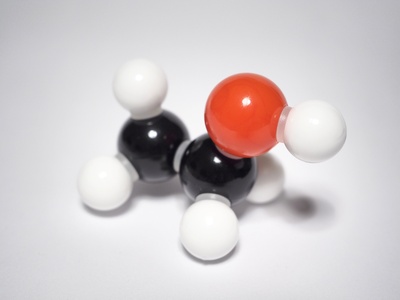
Common alcohol used in drinks, hand sanitizers and fuels. Moderately low flash point means vapors can ignite near hot surfaces. Store in cool, ventilated areas in tightly closed containers, away from heat and open flames, with proper labeling.
Methanol
Toxic and flammable simple alcohol used industrially and as fuel. Low flash point produces ignitable vapors; ingestion and inhalation are hazardous. Store locked in ventilated spaces in approved containers, separate from oxidizers and ignition sources.
Isopropyl alcohol
Widely used antiseptic and solvent; evaporates quickly and ignites at modest temperatures. Keep in original containers, away from sparks and heat, and store in cool ventilated areas. Avoid confined-space use and open flames.
Acetone
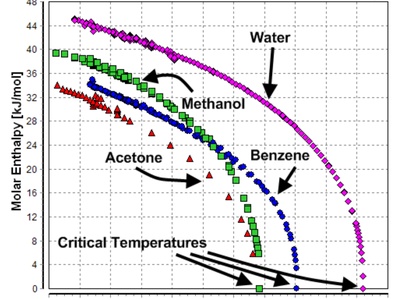
Extremely volatile solvent common in cosmetics and labs; very low flash point leads to fast vapor formation and easy ignition. Store in flammable-safe cabinets, use grounded dispensing, and avoid heat or sparks when using.
Diethyl ether
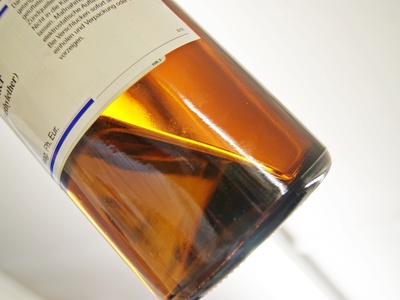
One of the most volatile solvents with an extremely low flash point and strong vapor hazards; forms explosive peroxides on aging. Store cold in peroxide-free conditions, use inhibitor-treated stock, and keep out of heat and ignition sources.

Ethyl acetate
Common solvent with a low flash point found in paints and adhesives; vapors can travel to distant ignition sources. Store in ventilated flammable cabinets, keep containers closed, and use spark-proof equipment during transfers.
Toluene
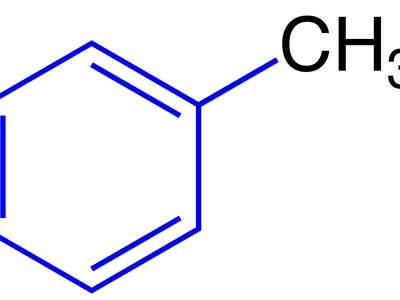
A solvent in paints and industrial products; low flash point and neurological toxicity risk with chronic exposure. Store in labeled flammable storage, provide ventilation, and avoid skin contact and breathing concentrated vapors.
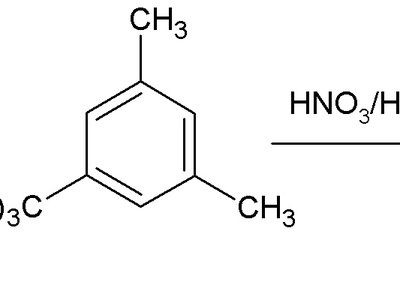
Xylene
Common paint and coating solvent with a moderate low flash point; vapors are flammable and can cause dizziness. Store in cool ventilated areas in approved containers, keep away from ignition sources, and follow skin and inhalation precautions.

n-Hexane
Very volatile solvent used in adhesives and extraction; low flash point and neurotoxic effects with chronic exposure. Store in flammable storage, use local exhaust ventilation, and avoid prolonged skin contact and breathing vapors.

MEK
Strong solvent with a low flash point used in coatings and glues; vapors ignite easily. Keep in approved flammable cabinets, use explosion-proof equipment, and ensure good ventilation during use.

Benzene
A historically common solvent and industrial feedstock; highly flammable and a proven human carcinogen. Store in tightly closed, labeled containers in ventilated flammable storage and minimize exposure per regulatory limits.
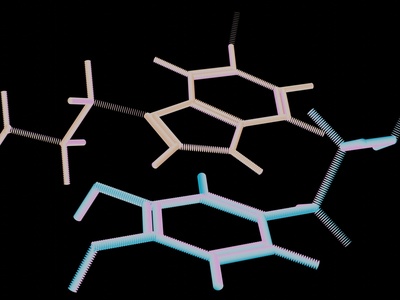
Cyclohexane
Used as a solvent and intermediate in chemical manufacture; flammable with low flash point and narcotic effects at high concentrations. Store in flammable cabinets, avoid heat and sparks, and use PPE and ventilation.
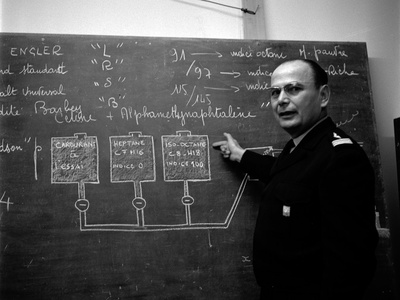
Heptane
Very volatile straight-chain hydrocarbon used as a solvent and standard; low flash point and ignitable vapors. Store in approved containers in cool ventilated areas, keep away from ignition sources, and ground during transfers.
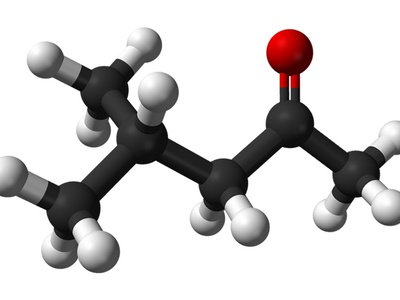
MIBK
Ketone solvent used in coatings with a low flash point; vapors ignite readily and can affect the central nervous system. Keep containers closed, store in flammable storage, and use ventilation and explosion-proof electrical equipment.
1-Butanol
Less volatile alcohol with a flash point near 35°C; still classified as flammable. Store away from heat in ventilated cabinets, use spill containment, and avoid open flames during handling.
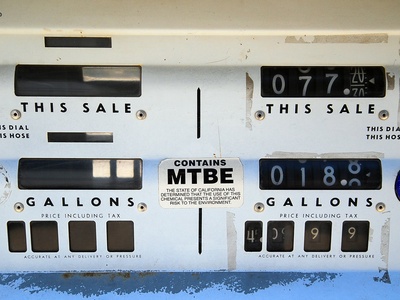
MTBE
Volatile ether used historically as a gasoline additive; low flash point and forms flammable vapors. Store in flammable storage designed for ethers, avoid prolonged exposure, and prevent groundwater contamination from spills.

Naphtha
Light hydrocarbon solvent with very low flash point used in thinners and fuel blending; vapors ignite easily. Store in approved flammable cabinets, keep containers sealed, and control ignition sources and static during transfers.
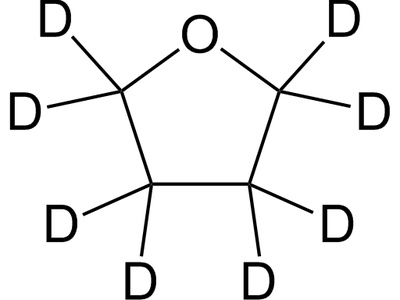
THF
Widely used polar solvent with a low flash point; can form peroxides on storage and ignite readily. Store inhibitor-treated THF in cool ventilated areas, test for peroxides, and discard aged stocks safely.
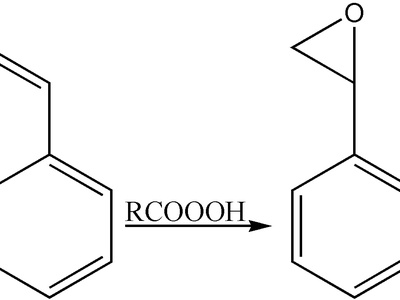
Styrene
Monomer used to make polystyrene; moderately low flash point and can polymerize exothermically. Store in cool, ventilated flammable storage with stabilizer added, control temperature, and avoid ignition sources.