In 1906, after the San Francisco earthquake, geologists helped reshape building codes and urban planning—showing how their work can directly protect lives and infrastructure. That episode still matters: modern geoscience underpins safe buildings, reliable water, and resilient energy systems as climate change raises risks.
Geologists don’t just study rocks; they apply earth science across energy, water, hazards, mining, research and mapping. If you’re wondering what jobs a geologist can do, here are seven practical career paths grouped into three broad categories—industry & energy, environment & water, and research, education & mapping. Field seasons often run 4–8 weeks, and entry-level pay for many roles typically starts in the $50,000–$70,000 range.
Industry & Energy Careers
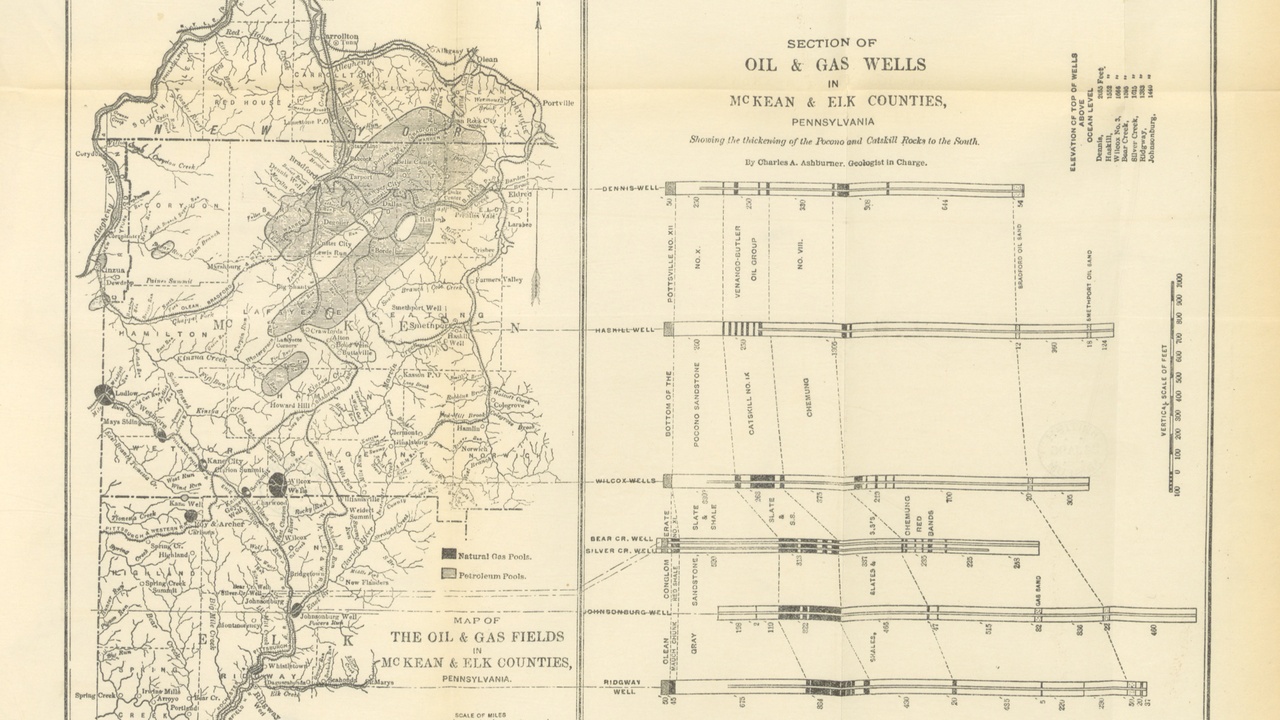
Industry geologists find and quantify resources, reduce exploration risk, and help improve extraction efficiency. Employers include oil and gas majors, service firms, and mine operators, and their work has large economic impact while carrying clear environmental and safety trade-offs. Common tools: seismic surveys, core logging and reservoir modeling.
1. Petroleum Geologist (Oil & Gas Exploration)
Petroleum geologists locate hydrocarbons and evaluate reservoirs for drilling and production. Their day-to-day can include seismic interpretation, well-log correlation, basin analysis and reservoir characterization using software like Schlumberger Petrel or Halliburton Landmark.
Typical tasks: pick horizons on 3D seismic volumes, correlate cores and wireline logs between wells, and run simple volumetric estimates to inform drill decisions. Real-world examples include deepwater Gulf of Mexico projects that depend on 3D/4D seismic to time development and optimize recovery.
Pay ranges with experience: entry-level roles often start around $50,000–$70,000, while experienced subsurface specialists and technical leads frequently exceed $100,000. Field seasons and offshore campaigns commonly last 4–8 weeks, with rotation schedules for rigs and vessels.
2. Mining Geologist
Mining geologists locate and evaluate ore deposits, design exploration programs, and guide mine development. Exploration uses core drilling, geochemistry and geophysics to build 3D block models and geometallurgical plans that determine whether a deposit is economic.
Modern mine projects run exploration drill campaigns totaling thousands of meters (often 5,000–50,000 m or more over a multi-year search) before reserve estimates are finalized. Commodities include copper, gold and the lithium that’s surged recently to feed EV battery demand.
Employers range from majors like BHP, Rio Tinto and Newmont to junior explorers. On-site work covers grade-control drilling, reserve estimation and safety monitoring, and the output directly supplies metals for electronics, infrastructure and the energy transition.
3. Engineering/Geotechnical Geologist
Geotechnical geologists evaluate ground conditions for infrastructure—dams, tunnels, foundations and slope stability studies. They partner with geotechnical engineers to reduce risks like landslides and liquefaction and to inform foundation design.
A typical site investigation can take several weeks and involve dozens of boreholes, standard penetration tests (SPT) and cone penetration tests (CPT), plus lab testing of soils and rock. Their reports directly shape construction methods and cost estimates.
These professionals usually work for consulting firms or government agencies (examples: AECOM, Arup, local transportation departments) and play a pragmatic role: less surprise during construction and safer built infrastructure.
Environment & Water
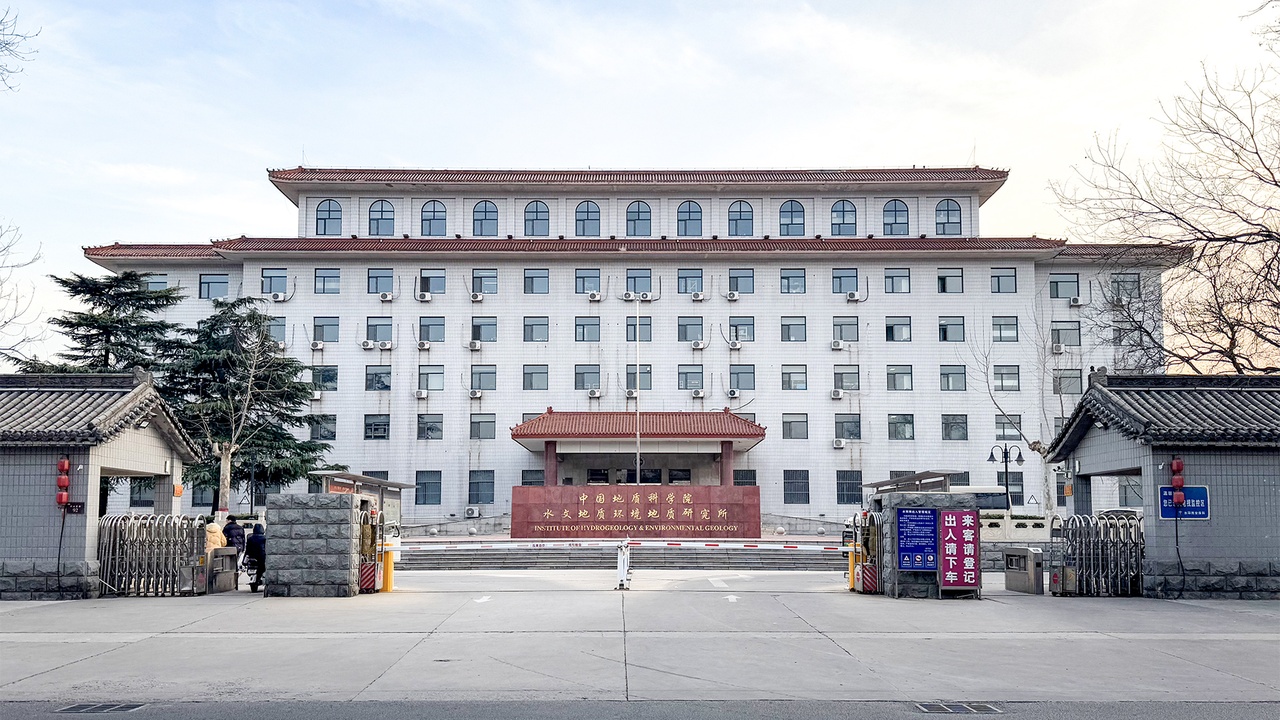
Environmental and water-focused geologists protect ecosystems and public health by assessing contamination, managing groundwater supplies, and meeting regulatory requirements. Their work supports cleanups, permits and long-term drinking-water security for communities.
4. Environmental Consultant
Environmental geologists assess contamination and design remediation strategies for sites ranging from gas stations to industrial properties. Common contaminants include petroleum hydrocarbons, PFAS and heavy metals, and projects are usually multidisciplinary.
Typical work includes Phase I/II Environmental Site Assessments, soil and groundwater sampling, risk assessment and remediation design such as soil vapor extraction or pump-and-treat systems. High-profile EPA Superfund cleanups illustrate the scale and complexity of some projects.
Projects vary in duration: a simple site assessment may take a few months, while large remediation efforts can span several years. Clients include developers, municipalities and regulators, and consulting firms lead most assignments.
5. Hydrogeologist / Water Resources Specialist
Hydrogeologists study groundwater flow, supply and contamination to secure water resources and protect drinking supplies. They produce deliverables like wellhead protection plans and groundwater vulnerability assessments using models such as MODFLOW.
Field methods include pump tests (often 24–72 hours) to estimate aquifer properties, installation of monitoring wells and isotope or tracer studies. Municipal wellfields can supply thousands to millions of liters per day, so siting and yield estimates matter.
Employers include water utilities, government agencies and NGOs. Hydrogeologists play a core role in drought planning, well siting, contamination response and long-term sustainable-yield studies.
Research, Education & Mapping
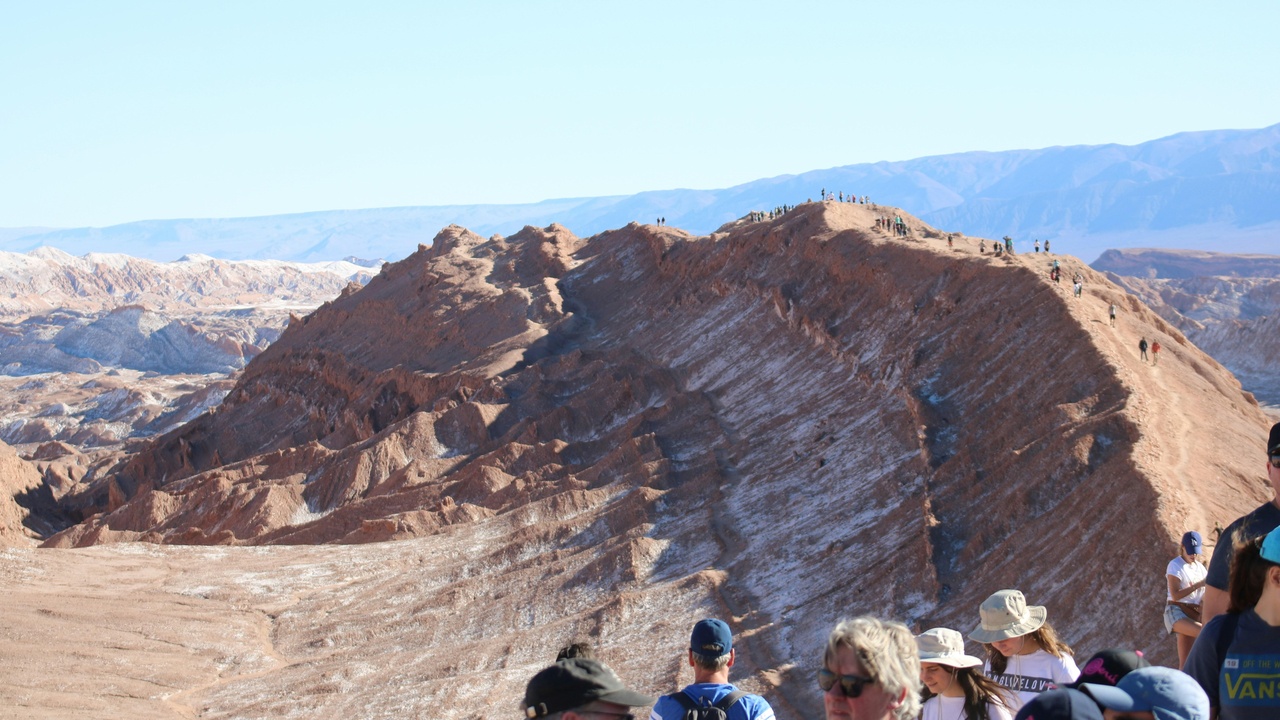
These roles advance scientific understanding, train the next generation and produce maps and datasets used by industry and government. Projects are often long-term and increasingly rely on geospatial technologies and open data to scale impact.
6. Academic Researcher / University Professor
Academic geoscientists design studies, lead field campaigns and teach undergraduates and graduate students. Degree timelines are familiar: a master’s takes about two years and a PhD around four to six years, with grant cycles driven by agencies like NSF.
Typical responsibilities include grant writing, supervising students, publishing peer-reviewed papers and running fieldwork—examples include paleoclimate coring campaigns or tectonic mapping projects supported by national research councils.
Universities and research centers shape policy and practice through datasets and models. Many academic projects feed directly into hazard assessments, climate reconstructions and engineering guidelines used beyond academia.
7. GIS / Remote Sensing Specialist & Planetary Geologist
GIS and remote sensing experts map Earth and other planets, and planetary geologists apply similar image-interpretation skills to lunar and Martian landscapes. Both roles share tools such as ArcGIS/QGIS, ENVI and Python for geoprocessing.
On Earth, specialists create hazard maps, land-use products and resource-targeting layers using multispectral or high-resolution PlanetScope imagery. In planetary science, teams use Mars Reconnaissance Orbiter (HiRISE) datasets to interpret landing sites and rover targets.
Employers include government surveys (USGS), space agencies (NASA) and private mapping firms. The outputs improve planning, disaster response and expand scientific knowledge of other worlds—useful for both policy and exploration missions.
Summary
- Career variety: From oilfields and mines to cleanup sites and university labs, geoscience offers roles that suit fieldwork, office-based modeling or teaching.
- Real-world impact: These positions directly affect public safety, water security and the supply of metals and energy that daily life depends on.
- Skills to build: Get hands-on experience with field sampling, boreholes and SPTs; learn GIS, MODFLOW and seismic interpretation; and practice clear reporting and stakeholder communication.
- Next steps: Pursue internships, field courses and GIS training, follow organizations like USGS, NASA and major resource companies, and talk with practicing professionals to explore what jobs a geologist can do in your region.
Interested in a particular path? Consider an internship or a short field course, and reach out to professionals in that specialty to learn what a day on the job really looks like.