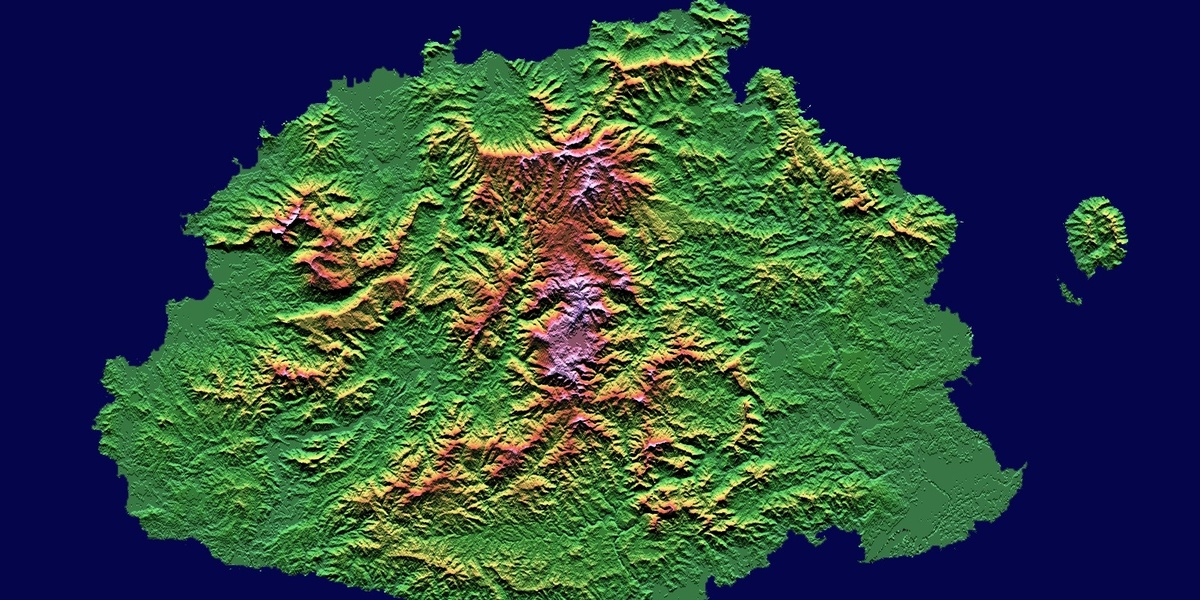
Fiji’s islands sit where the Pacific Ring of Fire meets warm tropical seas, so volcanic landforms and submarine vents are part of the archipelago’s geology and coastal scenery. Local communities, scientists, and visitors all rely on concise lists to understand which features are dormant, submarine, or historically active.
There are 8 Volcanoes in Fiji, ranging from Kadavu to Yasawa Group. For each entry the data is organized as Island/location,Coordinates (lat, long),Status & last eruption (year); you’ll find below.
How active are Fiji’s volcanoes and should visitors be worried about eruptions?
Most of Fiji’s volcanoes are submarine or have long periods of dormancy, and significant eruptions are rare; active monitoring is limited compared with some other regions. Travelers should follow local advisories and avoid known thermal areas and restricted zones, but typical tourism around islands is not usually affected by volcanic activity.
Can I visit or hike any of these volcanoes safely?
Some volcanic features on larger islands are accessible via guided trips or marked trails, but many vents are offshore or in protected areas requiring permits or boat access. Check local tour operators, respect safety signs, and confirm current conditions before planning visits.
Volcanoes in Fiji
| Name | Island/location | Coordinates (lat, long) | Status & last eruption (year) |
|---|---|---|---|
| Mount Tomanivi | Viti Levu | 17.80S, 178.17E | Extinct; unknown |
| Uluigalau | Taveuni | 16.85S, 179.97E | Dormant; unknown |
| Koro | Koro Island (Lomaiviti) | 17.40S, 178.60E | Dormant; unknown |
| Kadavu | Kadavu Island | 19.02S, 178.20E | Dormant/Extinct; unknown |
| Yasawa Group | Yasawa Islands | 17.03S, 177.25E | Dormant/Extinct; unknown |
| Mamanuca Group | Mamanuca Islands | 17.63S, 177.12E | Dormant/Extinct; unknown |
| Moala | Moala Island | 18.35S, 179.47E | Dormant; unknown |
| Matuku | Matuku Island (Lau) | 18.86S, 178.76E | Dormant; unknown |
Images and Descriptions
Mount Tomanivi
Fiji’s highest peak and remnant shield volcano; steep slopes prone to erosion and landslides after heavy rain. Popular for guided hikes into cloud forest; no recent activity but rugged interior requires good fitness and local guides.
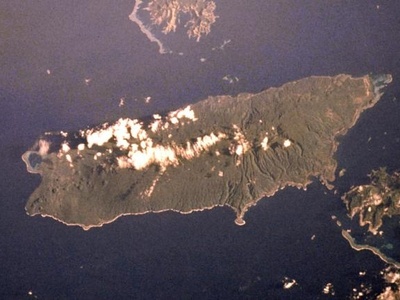
Uluigalau
Central volcanic massif of Taveuni that built the island’s fertile soils and dramatic waterfalls. Little-to-no historical activity; hazards are landslides and flash floods. Easily visited from local lodges and road access with popular hiking trails.

Koro
Volcanic island with a rugged, forested interior and steep coasts. No recorded historical eruptions; main hazards are steep terrain and erosion. Reached by inter-island boat services; culturally rich villages welcome visitors but facilities are basic.
Kadavu
Large southern island likely of volcanic origin with high ridges and dense forest. Volcanic activity is not recorded in historic times; hazards include landslides and heavy-rain flooding. Accessible by ferry or small plane; popular for diving.
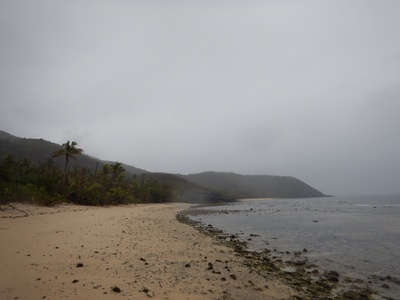
Yasawa Group
Chain of ancient volcanic islands northwest of Viti Levu known for dramatic peaks and beaches. No recent volcanism; hazards are coastal cliffs, reef currents, and rain-triggered slips. Very accessible by boat and popular with tourists.
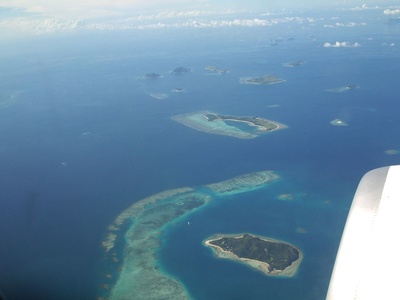
Mamanuca Group
Well-known resort islands with volcanic cores and white-sand beaches. Volcanic risk today is negligible; marine hazards and storms are the main concerns. Very easy day-trip access from Nadi; excellent for snorkeling and resorts.
Moala
Volcanic island in the Lau/Lomaiviti region with rugged interior and rainforest. No historical eruptions; hazards include remoteness and landslips in heavy rain. Served by occasional ferries; good for off-the-beaten-track travel and village stays.
Matuku
Small remote Lau island with volcanic cones and forested ridges. No recorded activity in historic times; hazards are isolation and weather-related landslides. Reached by infrequent boat services; best for experienced, self-sufficient travelers.