Sharks have existed for more than 400 million years—longer than dinosaurs—and yet a few sensational images still shape how most people think about them.
These popular shark myths affect policy, public fear, and conservation funding. Misunderstanding sharks can lead to needless culling, misplaced safety advice, and weak protections for species that need them. Scientists estimate there are more than 500 shark species and conservation bodies such as IUCN, NOAA, and the International Shark Attack File (ISAF) provide data that cuts through the hype.
This article debunks 10 common myths about sharks and groups them into three practical categories: (1) danger and behavior myths, (2) human interaction and safety myths, and (3) biology and ecology myths. Expect clear examples, cited statistics, and takeaways you can use at the beach or in conversations about conservation.
Danger and Behavior Myths
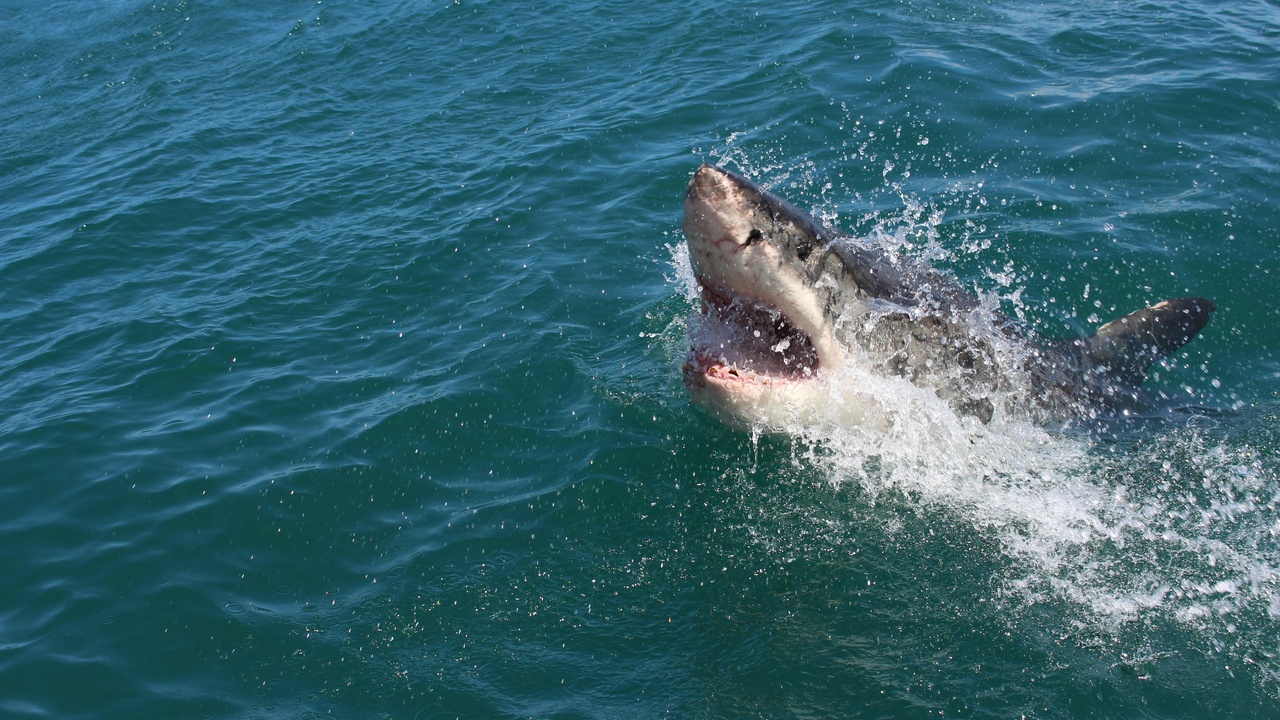
Many fear-driven stories come from misreading shark feeding behavior and from media amplification. Species differ wildly in diet and habits, and context—seals vs. surfers or fishing activity—matters more than a blanket fear of “sharks.”
1. Sharks are mindless, man-eating predators
The myth: sharks roam looking for humans to kill. The reality: unprovoked attacks are rare and often exploratory.
ISAF-style records typically report roughly 60–100 unprovoked attacks globally in most years, with fewer than 10–15 fatalities. That makes an individual swimmer’s risk vanishingly small compared with many daily activities.
Scientists attribute many bites to curiosity or mistaken identity, not predation. Tagging studies show frequent bite-and-release behavior where sharks sample unfamiliar objects and then swim away.
Practical point: replacing irrational fear with data helps communities fund monitoring, lifeguards, and public education rather than reactionary culls. Florida’s extensive monitoring and public-alert systems illustrate how data-driven responses reduce risk without harming ecosystems.
2. Great whites target humans as prey
Many people think great whites hunt humans. Field studies, tagging work, and stomach-content analyses show they prefer marine mammals, fish, and carrion.
Researchers support the “mistaken identity” hypothesis: a surfer on a board can look like a seal from below. Most white-shark interactions with people are single-bite events followed by release, not sustained attacks to consume prey.
Tagging projects repeatedly record non-lethal strikes and brief investigative bites. Field biologists also document seal predation as a common and energetically efficient food source for adult whites.
Practical outcome: lifeguard protocols and public education that explain visibility, avoiding dawn/dusk surfing, and using spotters reduce incidents far more effectively than fear-driven measures.
3. Sharks are immune to overfishing because they’re apex predators
Being high on the food chain doesn’t protect sharks from overexploitation.
IUCN assessments indicate more than 30% of shark and ray species face elevated extinction risk. Species such as hammerheads and oceanic whitetips have shown dramatic declines in heavily fished regions.
Those declines ripple through ecosystems, changing prey abundance and reef health and reducing long-term fishery yields. Regions with targeted protections often see ecological recovery and more stable fisheries.
Conservation and sustainable management matter because apex status alone won’t prevent population crashes caused by targeted fishing, bycatch, or the fin trade.
4. Sharks must keep moving to stay alive
The simple rule that “sharks must swim constantly” is true for some species but false for many others.
Some sharks use ram ventilation to force water over their gills; lamnids like great whites and makos commonly swim to breathe. But many species actively pump water over their gills (buccal pumping) and can rest on the seafloor.
Examples include nurse sharks and wobbegongs that rest in caves or on reefs while breathing. Aquarium care and rescue work rely on species-specific physiology rather than blanket rules.
In short: physiology, not a catchy phrase, determines behavior—so avoid treating all sharks the same in management or public messaging.
Human Interaction and Safety Myths
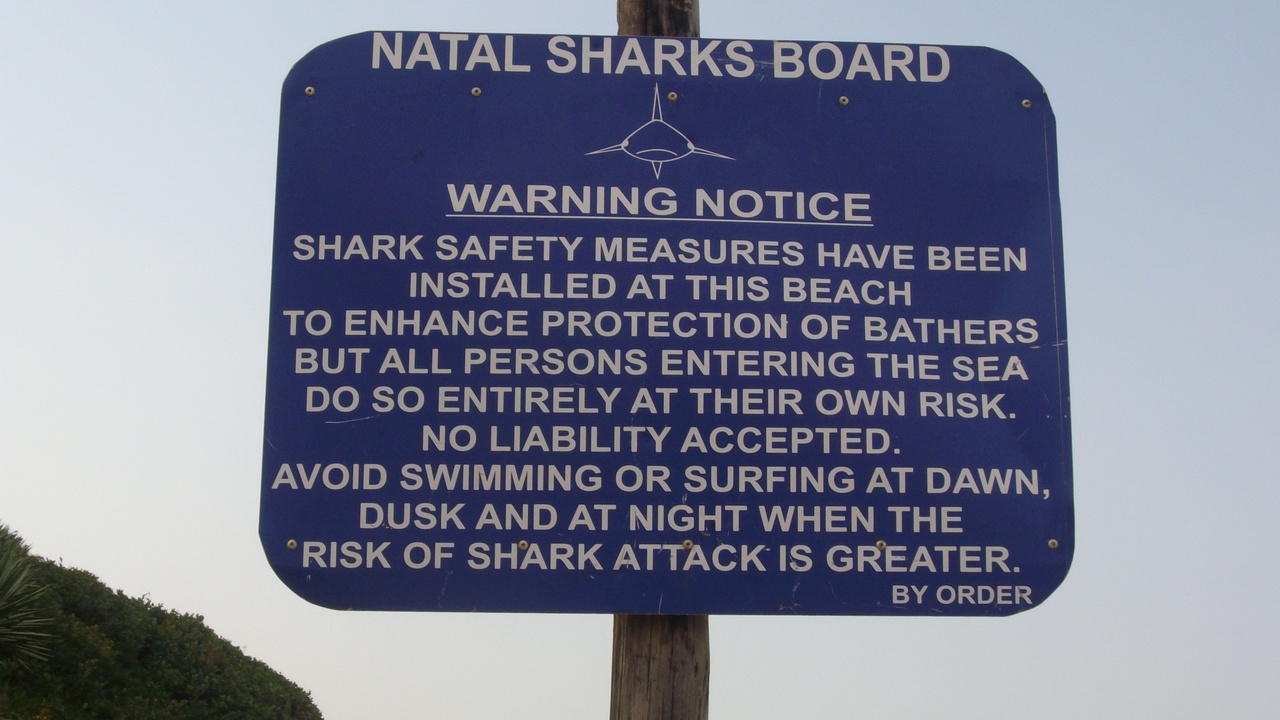
Myths here shape how people behave at beaches and how authorities respond. Many alleged “rules” come from anecdotes, not systematic study. Evidence-based, activity-specific safety beats fear-based action.
5. Wearing shiny jewelry attracts sharks
The idea that gold rings or watches reliably lure sharks lacks robust support.
Sharks respond to movement, contrast, and disturbance in the water, plus the presence of baitfish or seals. Reflections might matter close to the surface, but splashing, fishing activity, or contrasting silhouettes matter far more.
Lifeguard guidance focuses on visibility and avoiding areas with baitfish or fishing rather than telling swimmers to remove jewelry. If you’re paddling near anglers or a bait ball, minimize shiny gear—but don’t fixate on jewelry as the main hazard.
6. Sharks prefer human blood
Sharks can detect tiny amounts of blood, but they don’t show a special preference for human blood.
Olfactory sensitivity means sharks are attracted to scents of injured animals, which often correlates to fishing activity. Studies and NOAA advice point to higher incident rates when people swim near anglers or when fish scraps are present.
Practical steps are simple: cover open wounds, avoid swimming right where people are fishing, and follow local advisories. These measures reduce localized risk without stigmatizing sharks.
7. Shark conservation harms human safety
Framing conservation as a trade-off with public safety sets up a false choice.
Science-based measures—time-area closures, gear restrictions, shark-spotting programs, and well-run MPAs—can reduce bycatch, protect populations, and lower risky human–shark overlap. Globally, MPAs now cover roughly 7–8% of the oceans, and careful zoning helps both wildlife and people.
Examples from regions with coordinated beach monitoring show that protections for sharks and clear safety protocols coexist. Policy that pairs conservation with practical safety, like lifeguard training and public alerts, serves both goals.
Biology and Ecology Myths

Misunderstandings about shark biology drive bad consumer choices and poor policy. Recognizing shark diversity and the science behind threats helps people make better decisions about seafood, trade, and research funding.
8. All sharks are huge — like the movie Jaws
Popular culture favors giants, but shark diversity is vast.
Scientists recognize more than 500 shark species. They range from the dwarf lanternshark at roughly 20 cm to the whale shark at about 12 m. Diets and ecological roles vary: tiny species link reef food webs, while large filter-feeders help cycle plankton and nutrients.
Understanding that diversity lets managers tailor protections by species and habitat, rather than treating all sharks as interchangeable threats or resources.
9. Sharks don’t get cancer
The myth that sharks never get cancer is false.
Scientists have documented tumors and other diseases in sharks. The surge in shark cartilage supplements in the 1990s and 2000s prompted clinical trials that failed to show effectiveness against cancer.
That myth drove a lucrative and damaging market that increased pressure on shark populations without delivering health benefits. Consumers should avoid unproven shark products and trust peer-reviewed medical guidance instead.
10. Shark fin soup is sustainable because only fins are taken
Removing only the fins and discarding the body, or killing sharks solely for fins, is not sustainable at scale.
Past studies estimated the fin trade may have driven annual removals in ranges often cited between about 26 million and 73 million sharks. That scale has severely reduced populations of many species and disrupted ecosystems.
Policy responses have included the U.S. Shark Finning Prohibition Act, EU regulations, and bans on sales in several jurisdictions. Consumer choices—avoiding fin products and choosing sustainable seafood—also help reduce demand.
Summary
- Shark myths distort risk: unprovoked attacks are rare and often exploratory; context and activity matter.
- Shark biology varies: there are over 500 species from 20 cm to 12 m, and many conservation-listed species need protection.
- Science-based measures (monitoring, MPAs, time-area closures) improve both safety and shark conservation—win-win outcomes are possible.
- Market myths like “sharks don’t get cancer” and the idea that finning is harmless have real conservation consequences; policy and consumer choices matter.
- One practical step: learn local beach-safety guidance, avoid swimming near fishing activity or baitfish, and support reputable conservation groups that protect habitats and species affected by myths about sharks.