Despite centuries of shared kitchen lore, many widely held beliefs — from “searing locks in juices” to “rinsing chicken is safe” — are contradicted by food science and public-health guidance.
I remember a family cookout where an uncle insisted that pouring salt into a pot would make it boil faster and that rinsing the chicken was just good housekeeping. The pasta stuck, the chicken splashed, and I realized how much of what we accept in kitchens is tradition rather than tested fact.
Kitchen myths matter because they shape what we eat, how safe our meals are, and how much we waste; the CDC estimates roughly 48 million foodborne illnesses in the U.S. each year, so small mistakes can have real consequences.
This piece debunks 10 common myths about cooking with clear science, simple countertop experiments, and practical tips grouped into four categories: Science, Safety & Storage, Technique & Flavor, and Tools & Ingredients.
The Science Behind the Stove
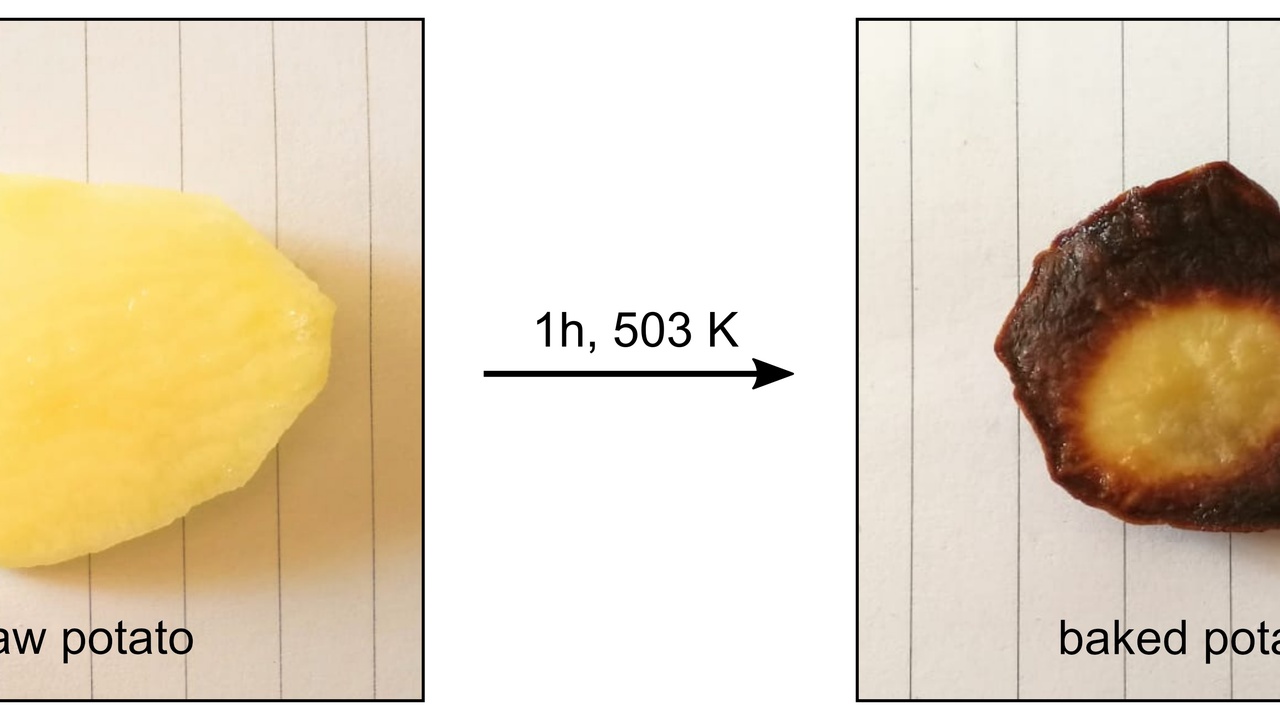
Cooking is applied chemistry: a few degrees, seconds, or a different surface can change flavor and texture. Below are three heat-and-chemistry myths that keep showing up at home stoves.
1. Searing ’locks in’ meat juices
Claim: Searing closes pores and traps juices inside meat.
Reality: Searing triggers the Maillard reaction — a browning process that creates complex flavors and an attractive crust — but it doesn’t “seal” juices. Moisture loss is driven by internal temperature and cooking time, not by a hot surface creating a barrier. Tests by food scientists and cooks (see experiments by J. Kenji López-Alt) show that a fast, high-heat sear has little effect on total moisture lost compared with an uns seared piece that reaches the same internal temp.
Practical advice: Sear for flavor, then monitor internal temperature with a probe; for thick steaks many chefs use a reverse-sear (slow roast to temp, then quick sear) to get even doneness and a brown crust. Rest meat 5–10 minutes after cooking to let juices redistribute.
2. Adding salt makes water boil faster
Claim: A spoonful of salt speeds up the boiling point and cuts cooking time.
Reality: Salt does raise water’s boiling point (a colligative property), but at household amounts the effect is tiny. One or two teaspoons in a large pot changes the boiling point by a fraction of a degree — negligible for cooking. In short, salt is for flavor and seasoning, not speed.
Practical swap: Want faster boiling? Put a lid on the pot, use less water, or start with hot tap water. Try a simple home test: boil two identical pots, one with a teaspoon of salt and one without; you’ll see virtually no difference in time to a rolling boil.
3. Microwaves cook from the inside out
Claim: Microwaves heat food starting in the center and radiate outward.
Reality: Microwave ovens excite water molecules, producing heat where those molecules absorb energy. Penetration depth is limited (typically a few centimeters), so dense foods can heat unevenly with hot and cold spots rather than from the inside out. Conduction then evens temperatures, and standing time helps equalize heat.
Safety tip: Stir and let food rest after microwaving, and use an instant-read thermometer for dense items or reheated leftovers to ensure even, safe temperatures. For soups, heat, stir halfway, then let stand 1–2 minutes before eating.
Safety and Storage Misconceptions
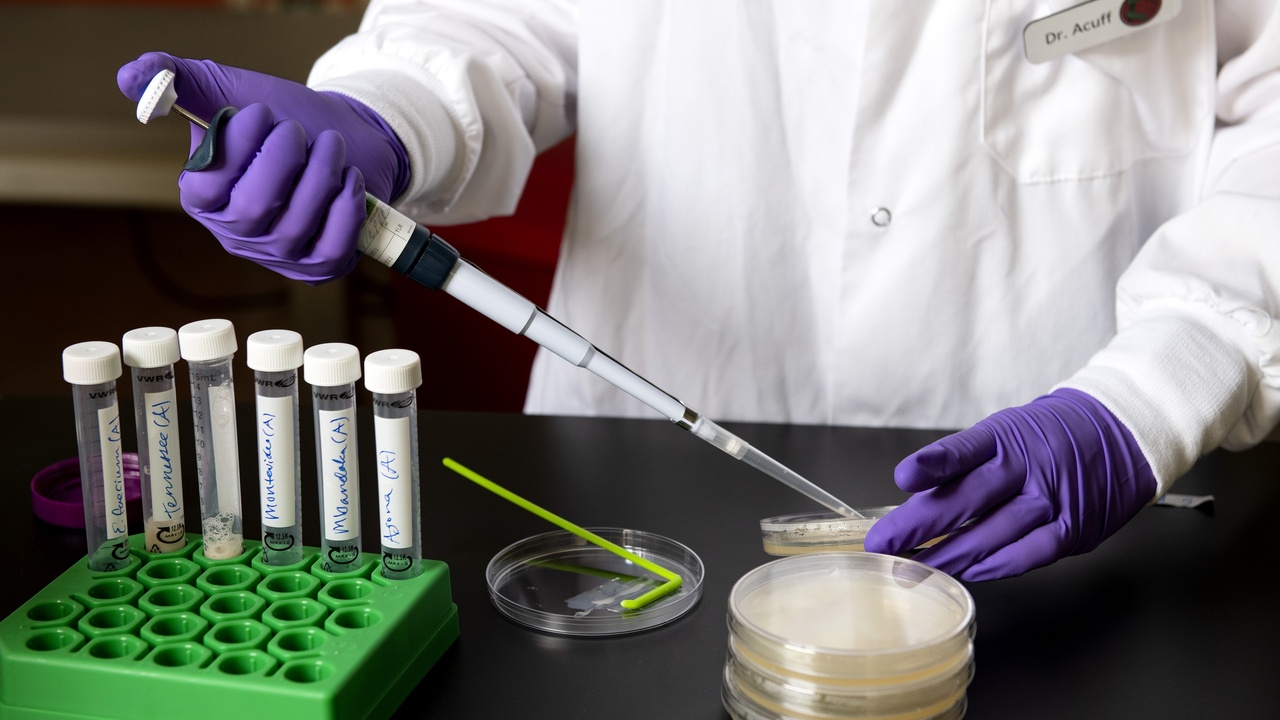
Food safety is where myths can cause illness. Below are three common misconceptions that affect how long food sits out, how we handle raw poultry, and whether we can refreeze thawed meat.
4. You can leave cooked food out all day — the ‘safe’ time is flexible
Claim: Cooked food can safely sit at room temperature for several hours.
Reality: Follow USDA/CDC guidance: perishable foods shouldn’t be in the “danger zone” (40–140°F / 4–60°C) for more than two hours, and only one hour when ambient temps exceed 90°F. Bacteria multiply fast in that range, which contributes to the CDC’s foodborne illness totals.
Actions to take: Cool leftovers quickly in shallow containers, refrigerate within two hours (one hour in hot weather), and keep hot foods above 140°F in insulated carriers at picnics or buffets.
5. Rinsing raw chicken removes bacteria
Claim: Rinsing poultry makes it safer by washing bacteria away.
Reality: Rinsing raw chicken can spread bacteria by splashing contaminated water onto sinks, counters, and nearby foods. The CDC and USDA recommend skipping the rinse; pathogens like Salmonella and Campylobacter are killed by cooking to a safe internal temperature of 165°F (74°C).
Simple safety steps: Don’t rinse; pat poultry dry with paper towels if needed, discard those towels, wash hands thoroughly, and sanitize surfaces. Confirm doneness with a probe thermometer inserted into the thickest part of the bird.
6. Once thawed, meat must be cooked immediately and can never be refrozen
Claim: Thawed meat is unsafe to refreeze and must be used right away.
Reality: The USDA says meat thawed in the refrigerator can be safely refrozen, though texture and quality may suffer. If meat was thawed using cold water or microwave, cook it before refreezing. Never refreeze meat that has been in the danger zone too long.
Practical guidance: Thaw in the fridge when possible. Ground meat keeps best in the freezer 3–4 months; whole cuts like steaks or chops can last 6–12 months for best quality. For cold-water thawing, keep meat in a sealed bag and change the water every 30 minutes.
Technique and Flavor Fallacies
Small technique changes often make the biggest difference in taste and texture. Below are two entrenched beliefs that change how food finishes on the plate.
7. You must wash mushrooms thoroughly under running water
Claim: Mushrooms should be soaked and rinsed to remove all dirt.
Reality: Mushrooms are porous and absorb water, which can make them soggy and interfere with browning. Most chefs recommend wiping mushrooms with a damp cloth or soft brush. If they’re very gritty, a quick rinse is fine — but dry them immediately with paper towels.
Technique tip: For robust mushrooms (portobello, shiitake), slice thicker so they hold up; for tiny button mushrooms, a quick wipe preserves texture and lets you get a good sear.
8. Adding oil to pasta water prevents sticking
Claim: A splash of oil in the boiling pot keeps pasta from sticking together.
Reality: Oil floats on water and only coats the surface of the pasta, which can keep sauce from adhering later. The real helpers are plenty of water, good stirring (especially in the first minute), and using reserved starchy pasta water to marry sauce and pasta.
Recipe-level trick: Save a cup of pasta water before draining, and add a splash to your sauce while tossing to create a glossy emulsion that clings to noodles — much better than oil in the pot.
Tools, Ingredients, and Tradition — Myths That Stick
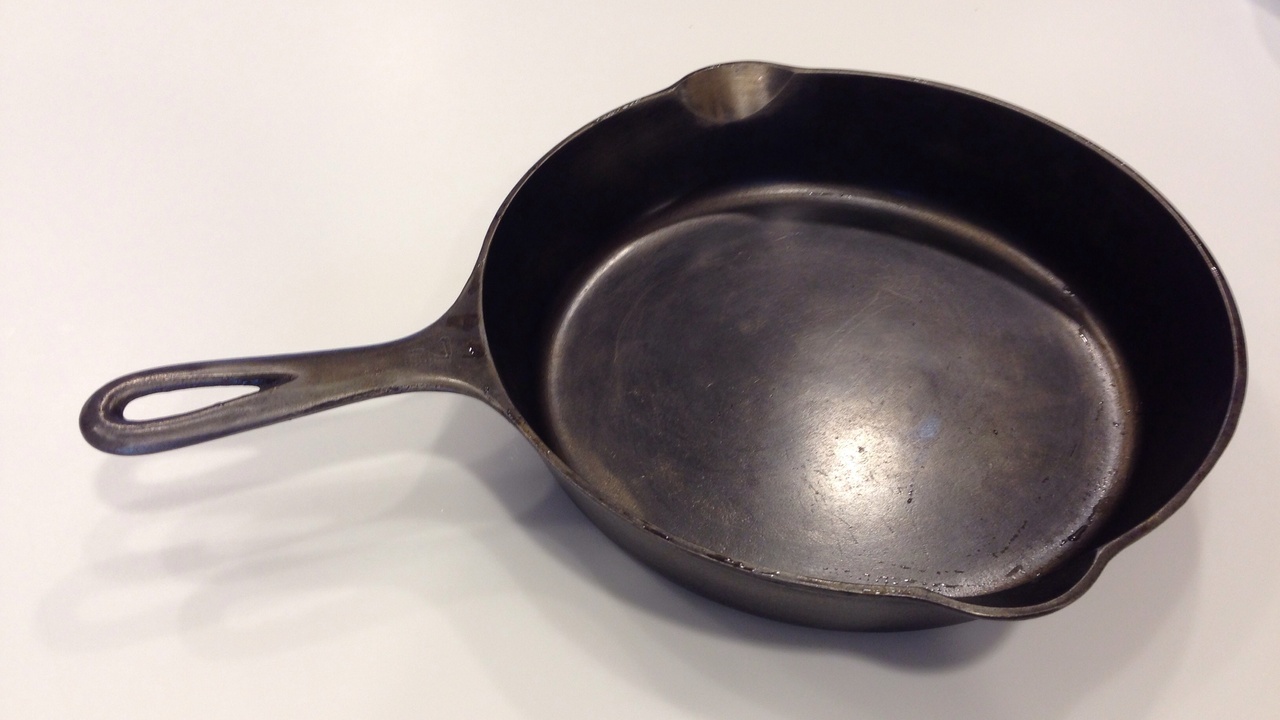
Kitchen traditions carry wisdom, but they also accumulate overstatements. Here are two beliefs about cookware and vegetables that deserve a more nuanced look.
9. Nonstick pans are terrible and should never be used
Claim: Nonstick cookware is dangerous and inferior to cast iron or stainless steel in every way.
Reality: Concerns about overheating nonstick coatings are valid, but modern PTFE-based pans are safe when used according to manufacturer instructions (avoid heating empty pans to smoking point and don’t use metal utensils). Nonstick is excellent for eggs, crepes, and delicate fish; cast iron (Lodge is a common brand) shines for high-heat searing and oven work.
Practical guidance: Use medium heat with nonstick, avoid scratching the surface, and pick cast iron when you want sustained high heat or a durable pan that will brown meat well. Match the tool to the task rather than rejecting one class outright.
10. Boiling vegetables destroys most nutrients — steaming is always better
Claim: Boiling kills nearly all the vitamins in vegetables, so you should only steam.
Reality: It’s nuanced. Water-soluble vitamins (vitamin C and some B vitamins) do leach into boiling water, but cooking can increase the bioavailability of other nutrients — for example, cooking releases beta-carotene in carrots. Steaming and blanching generally reduce nutrient loss compared with long boils, and using the cooking liquid keeps those leached nutrients in the dish.
Practical examples: Steam broccoli 3–5 minutes to keep texture and color, or briefly boil and then plunge into an ice bath for a crisp-tender result; save the cooking liquid for soups, sauces, or purees to retain vitamins.
Summary
- Searing is about flavor (Maillard), not “locking in” juices — rest meat 5–10 minutes and use a probe thermometer for best results.
- Don’t rinse raw poultry; rinsing spreads bacteria. Cook to 165°F and clean surfaces instead.
- Salt won’t significantly speed boiling; use lids, less water, or hot tap water to save time — and reserve pasta water, not oil, for better sauce adhesion.
- Refreeze safely when meat was thawed in the refrigerator (quality may drop), and choose cookware that fits the job: nonstick for low-heat delicate foods, cast iron for high-heat searing.
- Try one practical step today: keep an instant-read thermometer handy, stop rinsing poultry, or reserve pasta water the next time you make dinner.