Field sites, museum collections, and everyday conversations all hold clues about who we are and how we live — anthropology connects those places to tell human stories across time and space. Whether you’re skimming topics for a class, brainstorming a thesis, or just curious, a clear list helps you see patterns and possibilities at a glance.
There are 57 Anthropology Topics, ranging from Aging and gerontology to Zooarchaeology. For each, you’ll find below Subfield,Example research question,Keywords.
How can I use this list to pick a research topic?
Scan the Subfield column to find areas that match your methods (ethnography, archaeology, biological analysis), then use the Example research question to test whether a topic feels doable in scope; Keywords help you locate literature and methods quickly. Start with a couple of promising entries, do a short literature dive using the keywords, and narrow to a specific population, site, or time period.
Are these topics suitable for course projects or theses?
Yes—many entries are flexible, but scale matters: course projects often need narrower, short-term questions while theses can handle larger comparative or longitudinal designs. Check methodological needs and ethics early (e.g., permissions for fieldwork or zooarchaeological collections) and discuss feasibility with your instructor or advisor.
Anthropology Topics
| Topic | Subfield | Example research question | Keywords |
|---|---|---|---|
| Rituals and ceremonies | Cultural | How do public rituals reinforce community identity? | rituals; ceremonies; symbolism |
| Kinship and descent | Cultural | How do kinship networks shape land inheritance practices? | kinship; family; descent |
| Gender and sexuality | Cultural | How are local gender norms changing among urban youth? | gender; sexuality; roles |
| Medical anthropology | Cultural | How do cultural beliefs influence treatment-seeking for fevers? | health; illness; healing |
| Urban anthropology | Cultural | How do informal markets shape urban livelihoods? | cities; urban life; informal economy |
| Economic anthropology | Cultural | How do gift economies function in small communities? | exchange; markets; value |
| Migration and diaspora | Cultural | How do migrants maintain homeland ties across generations? | migration; diaspora; transnationalism |
| Visual anthropology | Cultural | How do documentary films shape public views of cultures? | visuals; film; representation |
| Religion and belief systems | Cultural | How do beliefs adapt after natural disasters? | religion; belief; ritual |
| Political anthropology | Cultural | How do local leaders mediate land disputes? | power; authority; governance |
| Ethnographic methods | Methods | How does participant observation reveal daily life meanings? | participant observation; fieldwork; interviews |
| Language ideologies | Linguistic | How do beliefs about language affect schooling outcomes? | ideology; language beliefs; education |
| Endangered languages | Linguistic | What strategies help revitalize a local endangered language? | language loss; revitalization; documentation |
| Forensic anthropology | Biological | How can skeletal trauma indicate cause of death? | skeletal analysis; identification; trauma |
| Human evolution | Biological | What behavior changes accompanied hominin brain expansion? | evolution; hominins; fossils |
| Primatology | Biological | How do primate social bonds affect group stability? | primates; behavior; sociality |
| Bioarchaeology | Archaeological | What do skeletons reveal about ancient child health? | human remains; burial; life history |
| Archaeological field methods | Methods | What survey methods best locate rural settlement sites? | survey; excavation; field techniques |
| Material culture studies | Archaeological | How do household objects reflect social status? | artifacts; consumption; craft |
| Paleopathology | Biological | Which skeletal markers indicate ancient infectious disease? | disease; skeletons; pathology |
| Cognitive anthropology | Cultural | How do cultural categories shape memory and reasoning? | cognition; culture; categories |
| Environmental anthropology | Applied | How do communities adapt to coastal erosion? | environment; adaptation; resource use |
| Food and culinary anthropology | Cultural | How does globalization change local food practices? | food; culinary; identity |
| Childhood and youth studies | Cultural | How do schooling practices shape youth aspirations? | children; youth; socialization |
| Aging and gerontology | Cultural | How do older adults experience care across cultures? | aging; elders; care |
| Ethnomusicology | Cultural | How does music transmit historical memory in communities? | music; performance; tradition |
| Body, sport and performance | Cultural | How do training rituals shape athlete identity? | body; sport; performance |
| Legal anthropology | Applied | How do customary laws resolve resource conflicts? | law; justice; dispute resolution |
| Applied/community-based anthropology | Applied | How can research support local public health campaigns? | participatory research; interventions; community |
| Science, technology and society | Applied | How do users shape adoption of mobile money systems? | STS; technology; practice |
| Anthropology of education | Cultural | How do classroom interactions reflect cultural capital? | education; schooling; pedagogy |
| Tourism anthropology | Cultural | How does tourism change local heritage narratives? | tourism; heritage; commodification |
| Visual methods and film | Methods | How do audiovisual records complement ethnographic analysis? | film; photography; documentation |
| Quantitative methods | Methods | What survey design best measures household labor patterns? | surveys; statistics; sampling |
| GIS and spatial analysis | Methods | How do settlement patterns relate to water access? | GIS; spatial analysis; mapping |
| Oral history and narrative | Methods | How do life stories reveal migration motivations? | oral history; narratives; memory |
| Ethnoecology | Cultural | How do local practices support biodiversity conservation? | traditional knowledge; ecology; management |
| Biocultural anthropology | Biological | How does culture influence stress-related health outcomes? | biocultural; health; adaptation |
| Human osteology | Biological | How accurately can sex be estimated from adult pelvis bones? | bones; skeleton; identification |
| Population genetics (anthropological) | Biological | What genetic markers reveal recent population mixing? | genetics; ancestry; population |
| Ancient diets and stable isotopes | Archaeological | What do isotopes reveal about past diets? | isotopes; diet; paleo-diet |
| Zooarchaeology | Archaeological | What do animal bones indicate past hunting strategies? | animal remains; subsistence; domestication |
| Underwater archaeology | Archaeological | How do submerged sites inform coastal settlement histories? | maritime archaeology; shipwrecks; submerged sites |
| Heritage and museum studies | Applied | How can museums collaborate with source communities? | museums; heritage; repatriation |
| Anthropology of development | Applied | How do development projects affect local livelihoods? | development; aid; evaluation |
| Refugee and displacement studies | Applied | How do displaced families rebuild social networks? | refugees; displacement; resilience |
| Conflict, violence, and reconciliation | Applied | How do communities rebuild after ethnic violence? | conflict; violence; peacebuilding |
| Language documentation | Linguistic | What are effective methods to record endangered speech? | documentation; transcription; archiving |
| Discourse analysis | Linguistic | How do political speeches create group exclusion? | discourse; power; language use |
| Sociolinguistics | Linguistic | How does code-switching signal social identity? | language variation; identity; code-switching |
| Gesture and multimodal communication | Linguistic | How do gestures complement speech in storytelling? | gesture; multimodality; communication |
| Reproductive health and fertility | Biological | How do cultural norms influence family planning decisions? | reproduction; fertility; childbirth |
| Human growth and nutrition | Biological | How do childhood diets affect growth patterns locally? | growth; nutrition; development |
| Anthropology of work and labor | Cultural | How do gig economies reshape worker identities? | work; labor; livelihoods |
| Consumer culture and globalization | Cultural | How does advertising change local consumption patterns? | consumption; globalization; markets |
| Indigenous rights and decolonial studies | Applied | How do communities reclaim knowledge from colonial archives? | indigeneity; rights; decolonization |
| Ethics in anthropology | Methods | What are best practices for informed consent in fieldwork? | ethics; consent; research practice |
Images and Descriptions

Rituals and ceremonies
Studies organized cultural events and ceremonies, exploring meanings, social roles, and identity work. Typical methods include participant observation, interviews, and audiovisual recording at festivals, rites of passage, and religious events to see how rituals maintain social order and memory.
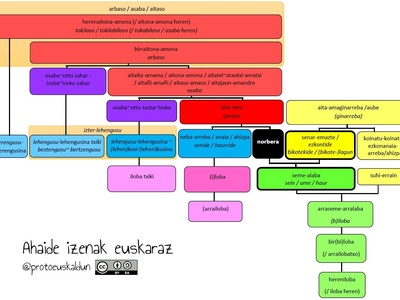
Kinship and descent
Examines family ties, descent rules, marriage practices, and kin networks that organize social life. Research often maps relationships, inheritance, and care obligations to understand how kinship structures influence politics, economics, and everyday support systems.
Gender and sexuality
Explores how societies construct gender and sexual identities, norms, and inequalities. Research may involve interviews, life histories, and observations to study activism, identity formation, power dynamics, and cultural change across generations and classes.

Medical anthropology
Investigates how people experience health, illness, and healthcare across cultures. Studies cover traditional healing, health systems, beliefs about disease, and how social, economic, and political factors shape access to care and health outcomes.

Urban anthropology
Focuses on everyday life in cities, migration, neighborhoods, and urban change. Researchers study informal economies, housing, public spaces, and social networks to understand how urban residents negotiate opportunity, marginalization, and identity.
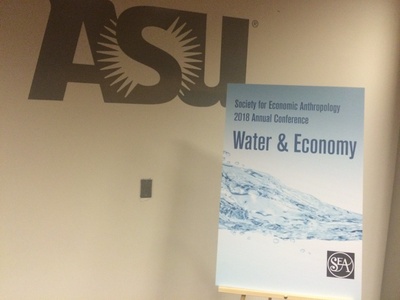
Economic anthropology
Studies how people produce, exchange, and value goods and services within cultural contexts. Research ranges from subsistence economies to global trade, analyzing social meanings of exchange, labor, economic inequality, and alternative economic practices.
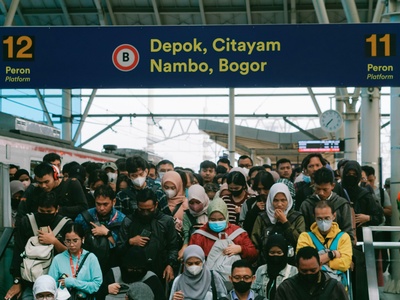
Migration and diaspora
Examines movement, settlement, and identity among migrants and diasporic communities. Methods include interviews and ethnography to study remittances, cultural maintenance, transnational networks, and the impacts of migration on families and host societies.
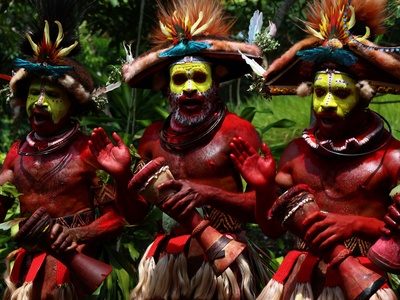
Visual anthropology
Uses photography, film, and other visual media to study and represent social life. Researchers make ethnographic films, analyze images, and study visual representations to explore meaning, ethics, and how visual media shape cultural understanding.
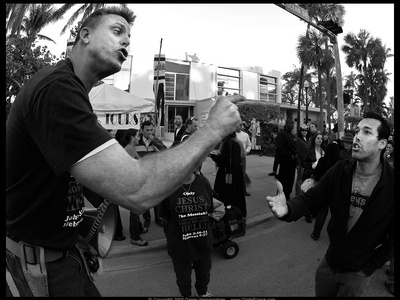
Religion and belief systems
Explores religious ideas, practices, institutions, and their social roles. Fieldwork looks at ritual, cosmology, conversion, and the social functions of belief, including how religion supports coping, social cohesion, and political action.
Political anthropology
Investigates leadership, power, state formation, and political organization in cultural contexts. Studies include informal authority, conflict mediation, and how local political practices intersect with formal state institutions and global politics.
Ethnographic methods
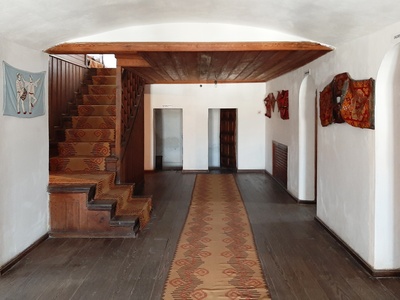
Covers methods of immersive fieldwork, reflexivity, and ethical practice used to study cultures. Guides project design, note-taking, interviewing, sampling, and analysis for novice researchers conducting small-scale ethnographic studies.

Language ideologies
Examines people’s attitudes, beliefs, and assumptions about language varieties and their social consequences. Research links language prestige, stigma, policy, and identity, often using interviews, discourse analysis, and participant observation.
Endangered languages
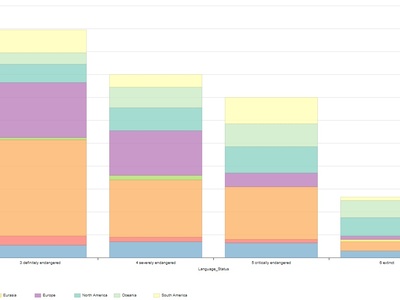
Focuses on documenting, preserving, and revitalizing languages at risk of extinction. Projects involve recording speakers, creating learning materials, and collaborating with communities to support intergenerational transmission and cultural continuity.
Forensic anthropology
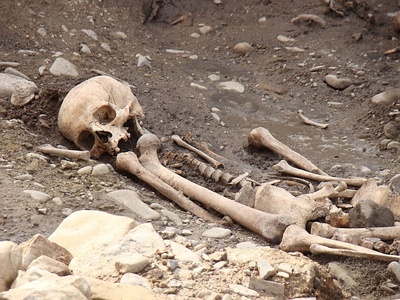
Applies osteological methods to identify human remains and infer age, sex, ancestry, trauma, and disease. Useful in legal contexts, humanitarian investigations, and teaching students basic osteology and documentation techniques.
Human evolution
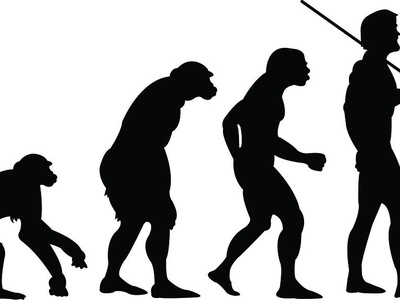
Studies human origins, fossil evidence, and evolutionary processes. Projects can analyze paleoecological data, comparative anatomy, or evolutionary theory to explore how biology and behavior co-evolved over deep time.
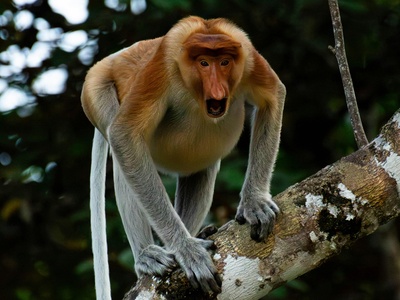
Primatology
Observes nonhuman primates to understand social behavior, cognition, and evolution. Research includes field observations, behavioral sampling, and comparative analysis to inform human social evolution and conservation.
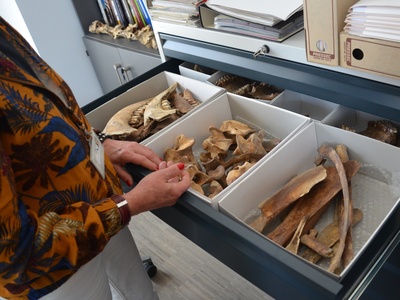
Bioarchaeology
Combines archaeological context with human osteology to study health, diet, labor, and social status in past populations. Projects often analyze skeletal markers, burial practices, and material culture from excavation contexts.

Archaeological field methods
Introduces practical techniques for locating, recording, and excavating archaeological sites. Methods include survey, test pits, stratigraphic recording, and artifact collection suited for student fieldwork and small-scale projects.

Material culture studies
Explores the social lives of objects—how tools, clothing, and art carry meaning. Research looks at production, use, exchange, and symbolism of material culture across past and present societies.
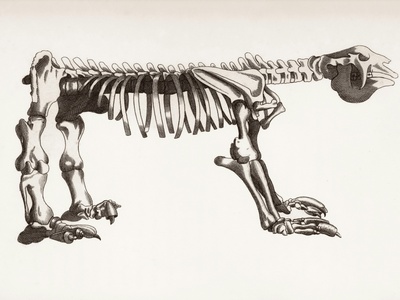
Paleopathology
Studies disease and trauma in past populations through skeletal and mummified remains. Projects can identify nutritional stress, infections, and work-related changes to reconstruct health patterns and lifestyles.
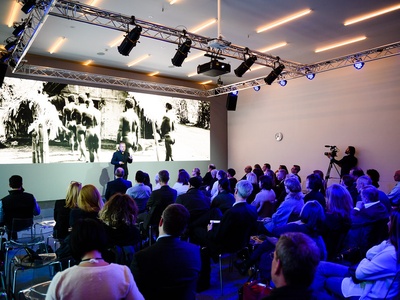
Cognitive anthropology
Investigates how culture influences perception, categorization, and thought. Methods include experimental tasks, interviews, and ethnographic observation to understand cultural models, reasoning patterns, and classification systems.
Environmental anthropology
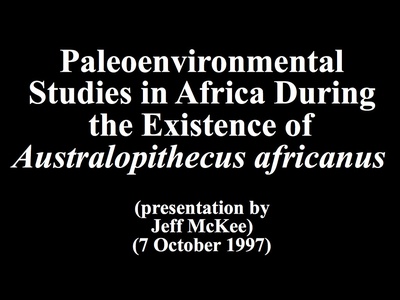
Studies human-environment relationships, resource use, and environmental change. Research covers traditional ecological knowledge, conservation, climate impacts, and community adaptation strategies in local and regional contexts.
Food and culinary anthropology
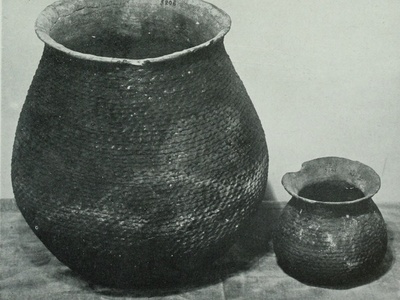
Examines food production, preparation, and consumption as cultural practice. Projects explore rituals around meals, food politics, globalization impacts, and how food shapes identity, memory, and social relations.
Childhood and youth studies
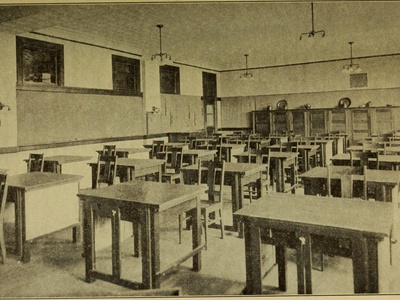
Focuses on childhood and youth as culturally situated life stages. Research studies play, education, family expectations, and policy impacts on child development and socialization across different communities.
Aging and gerontology
Explores social meanings of aging, elder roles, care networks, and policy. Projects investigate intergenerational relationships, health, work, and how societies support or marginalize older adults.
Ethnomusicology
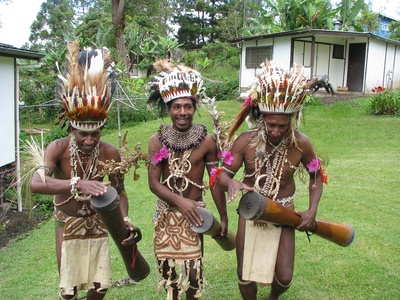
Studies music as cultural expression, focusing on performance, transmission, and social meaning. Methods include field recordings, participant observation, and analysis of musical practice in cultural contexts.

Body, sport and performance
Looks at embodied practices, movement, and performance in sports, dance, and ritual. Research explores training, discipline, aesthetics, and the cultural meanings attached to bodily practices.
Legal anthropology
Analyzes how law, custom, and legal institutions operate across cultures. Studies include dispute processes, human rights, legal pluralism, and how communities negotiate justice outside formal courts.
Applied/community-based anthropology
Focuses on translating anthropological insight into practical solutions with communities. Projects use participatory methods to address health, development, education, and environmental challenges collaboratively and ethically.
Science, technology and society
Explores cultural dimensions of science and technology, studying how social values, practices, and institutions influence the development and use of technologies in everyday life.
Anthropology of education
Studies learning environments, curricula, and cultural expectations in education. Research examines inequalities, teacher-student relations, and how schooling shapes identities and life chances.

Tourism anthropology
Investigates impacts of tourism on communities, identities, and cultural heritage. Projects study staging of culture, economic benefits and costs, and how locals negotiate authenticity and representation.

Visual methods and film
Explores using film, photography, and visual analysis as research tools. Projects teach ethical production, editing, and interpretation of visual materials to represent cultural life responsibly.

Quantitative methods
Introduces quantitative tools like surveys, coding, and basic statistics for anthropological research. Useful for mixed-methods projects that combine numbers with qualitative insight to test hypotheses about social patterns.

GIS and spatial analysis
Applies geographic information systems and spatial analysis to anthropological questions. Projects map settlements, resource distribution, and landscape use, combining spatial data with ethnographic context.
Oral history and narrative
Uses interviews and narrative analysis to collect personal histories and community memory. Projects focus on storytelling, generational change, and how people construct meaning from lived experience.
Ethnoecology
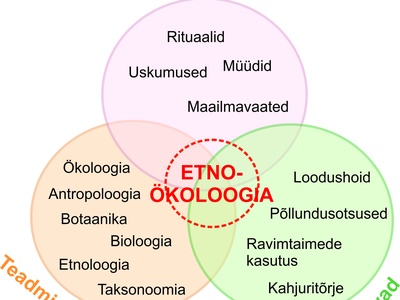
Studies local ecological knowledge, resource management, and human-environment relations. Research often documents indigenous practices, seasonal calendars, and sustainable use strategies informing conservation and policy.
Biocultural anthropology
Integrates biological and cultural perspectives to study how social conditions affect human biology. Projects examine nutrition, stress, disease, and how cultural practices shape health across lifespans.
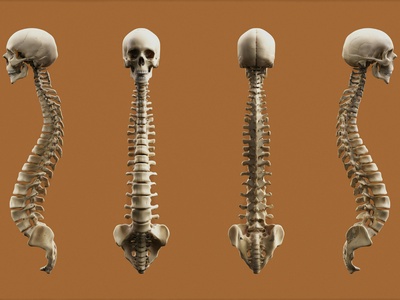
Human osteology
Focuses on the study of human bones to determine age, sex, stature, and pathology. Practical projects include metric and nonmetric analyses useful for archaeology, forensic cases, and bioarchaeological research.
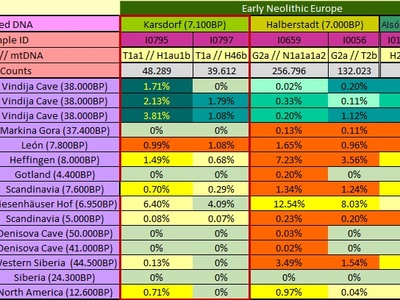
Population genetics (anthropological)
Uses genetic data to study ancestry, migration, and population structure. Projects often combine genetic sampling with ethical community engagement and contextual historical information.
Ancient diets and stable isotopes
Uses chemical analysis of bone and tooth isotopes to reconstruct ancient diets and mobility. Projects link dietary patterns to environment, social status, and subsistence strategies in past populations.
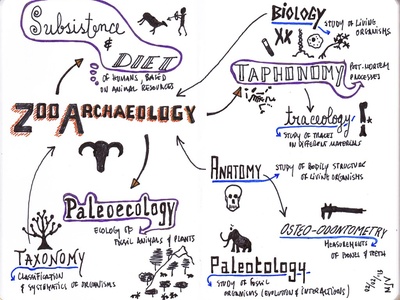
Zooarchaeology
Analyzes faunal remains to understand diet, domestication, hunting, and human-animal relationships in archaeological contexts. Useful for projects on economy, ritual, and environmental change.
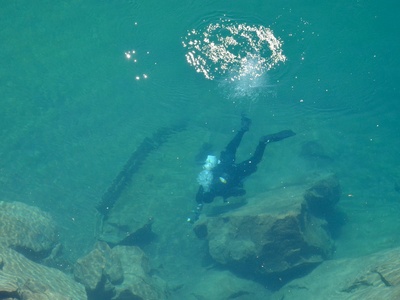
Underwater archaeology
Studies archaeological remains in marine and waterlogged contexts. Projects cover shipwrecks, submerged landscapes, and preservation challenges, often using remote sensing and diving fieldwork methods.
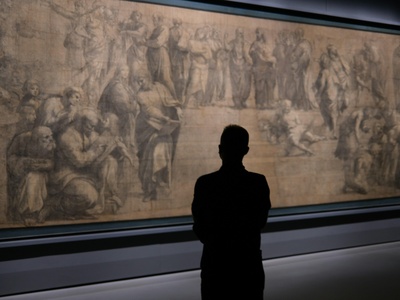
Heritage and museum studies
Examines curation, display, and politics of heritage in museums and public spaces. Projects explore interpretation, repatriation, community partnerships, and how collections shape cultural memory.
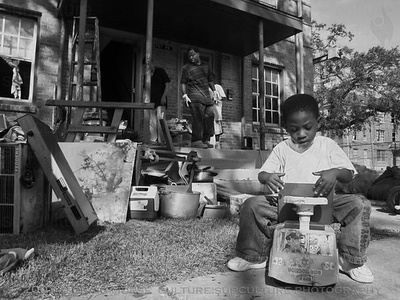
Anthropology of development
Analyzes the cultural impacts of development programs and aid. Research evaluates interventions, local perceptions, and unintended consequences, advocating for culturally informed and participatory approaches.
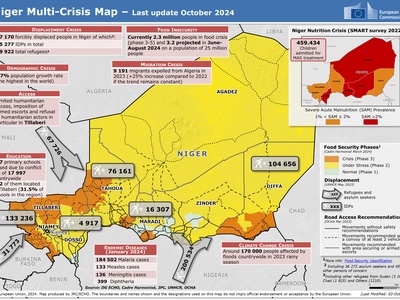
Refugee and displacement studies
Focuses on forced migration, displacement, and refugee experiences. Projects study camp life, legal status, identity, coping strategies, and the social effects of long-term displacement.
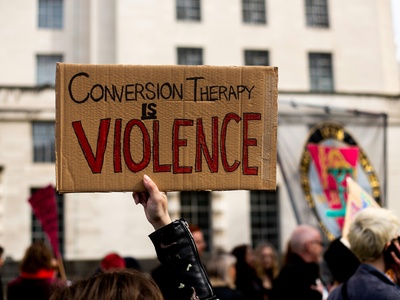
Conflict, violence, and reconciliation
Investigates causes and consequences of social violence and strategies for reconciliation. Projects analyze memory, justice, trauma, and local peacebuilding practices to inform recovery and policy.
Language documentation
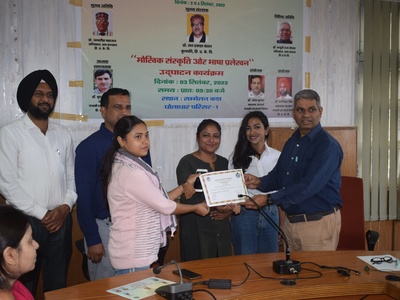
Practical projects to record, transcribe, and archive understudied languages. Work includes building corpora, dictionaries, and teaching materials in close collaboration with speaker communities.
Discourse analysis
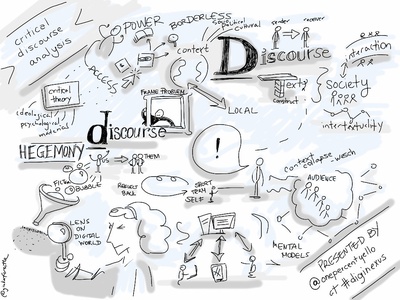
Analyzes how language constructs social reality, identity, and power. Projects examine media, political rhetoric, or everyday talk to reveal underlying ideologies and communicative strategies.
Sociolinguistics
Studies language variation and social meaning across contexts. Research explores dialects, multilingualism, language change, and how speech varies with class, gender, age, and setting.
Gesture and multimodal communication
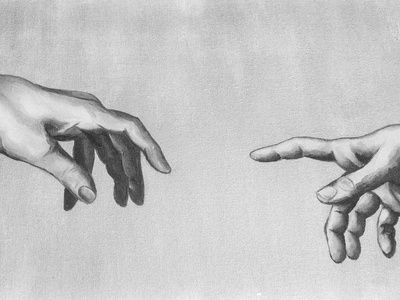
Investigates nonverbal elements like gesture, facial expression, and space in communication. Projects use video analysis to study how modes combine to produce meaning in interaction.
Reproductive health and fertility
Combines biological and cultural analysis of reproduction, fertility, contraception, and maternal health. Research often connects demographic data with ethnographic insight into family-making practices.
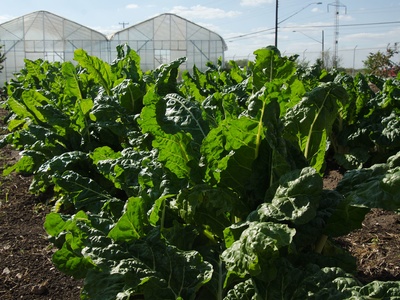
Human growth and nutrition
Studies physical growth, nutritional status, and development across populations. Projects can measure anthropometrics, diet, and environmental influences to understand health and developmental trajectories.
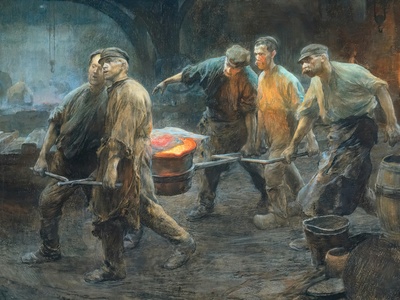
Anthropology of work and labor
Explores work practices, labor relations, and economic identities. Research covers formal and informal sectors, precarity, skill, and how work shapes social status and daily life.

Consumer culture and globalization
Looks at how global markets, brands, and consumer practices transform lives and identities. Projects study advertising, shopping behaviors, and cultural responses to global goods and media.
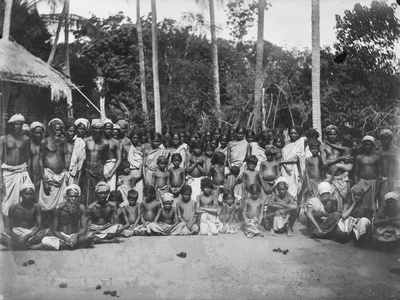
Indigenous rights and decolonial studies
Examines indigenous sovereignty, cultural revitalization, and decolonial practice in research and policy. Projects emphasize community leadership, ethical partnerships, and restitution of cultural heritage.
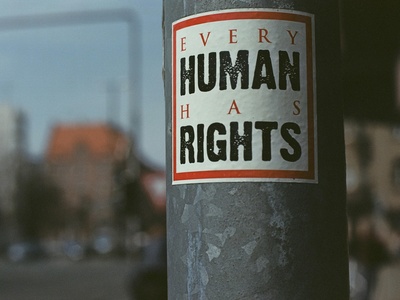
Ethics in anthropology
Focuses on ethical issues in research design, consent, representation, and data sharing. Projects train students to address power dynamics, anonymity, and community benefit while conducting responsible anthropology.