On a cold night in 1669, Hennig Brand distilled urine and, to his astonishment, isolated a glowing white substance: phosphorus. That messy, accidental discovery launched centuries of chemical inquiry and gave us an element that quietly underpins much of modern life.
Phosphorus matters because it’s central to the food we eat, the health of our bodies, and the devices we use every day. About 85% of the body’s phosphorus is locked into bones and teeth, and smaller but critical amounts operate inside cells as phosphate groups that power DNA, metabolism, and cell signaling (see resources such as WHO, USGS, and FAO).
I’ll outline seven concrete benefits of phosphorus across biology, agriculture, and industry — and point out why careful management (runoff control, recycling) matters if we want those benefits to keep working for people and the planet.
Biological and Health Benefits
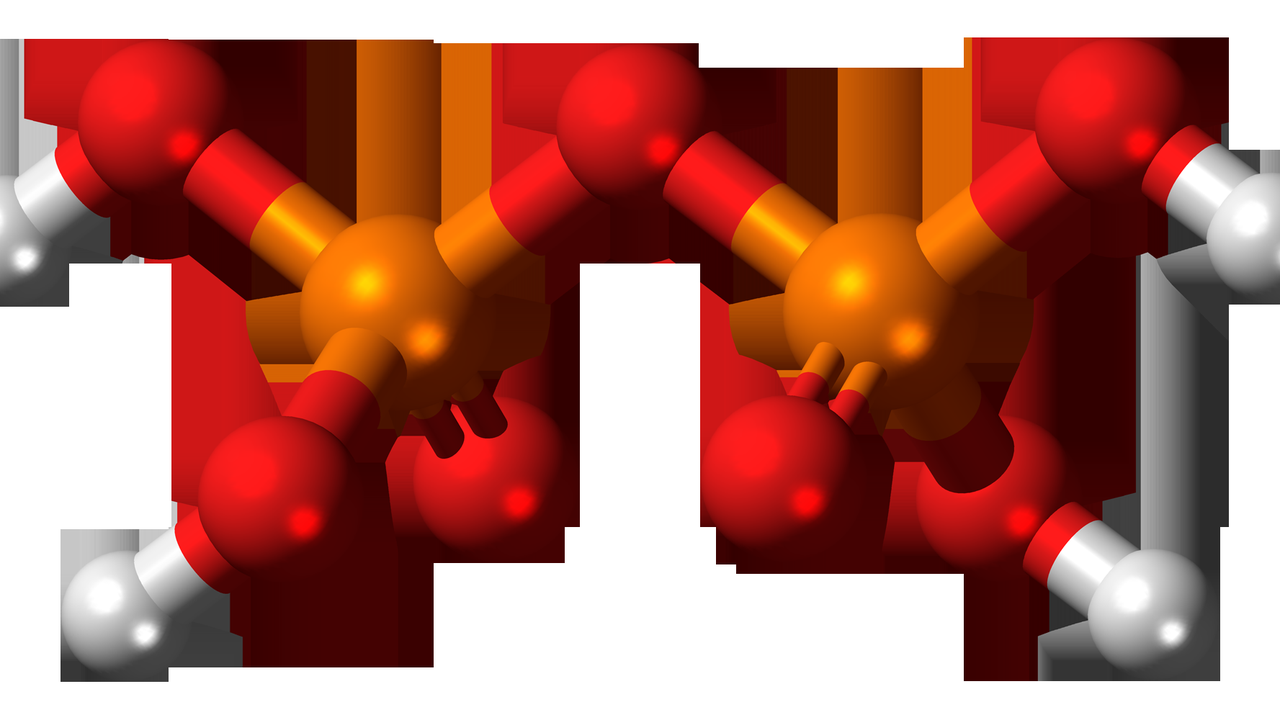
Phosphate chemistry runs the show inside cells and builds our skeletons. This section describes three core benefits: DNA structure, cellular energy transfer, and bone/teeth mineralization.
1. Essential component of DNA and RNA
Phosphorus, in the form of phosphate, forms the repeating sugar‑phosphate backbone of DNA and RNA; each nucleotide links to the next through a phosphate ester bond that creates long, stable chains for storing genetic information.
This structural role is fundamental: the backbone’s chemistry gives DNA its robustness while allowing repair and replication. For a textbook-level discussion, see molecular biology references such as NCBI Bookshelf’s Molecular Biology.
Practically, that backbone integrity matters for technologies from PCR to sequencing; polymerase chain reaction depends on intact phosphate‑sugar chains for primers and templates, and forensic profiling relies on recovering and reading those same phosphate‑linked nucleotides.
Next, phosphorus takes center stage where cells make and spend energy.
2. Central to cellular energy transfer (ATP)
Phosphorus is at the heart of the cell’s energy currency: adenosine triphosphate (ATP) contains three phosphate groups, and breaking the terminal phosphate bond releases energy that drives nearly every cellular process.
Biochemistry texts explain that hydrolysis of ATP to ADP (adenosine diphosphate) plus inorganic phosphate is how cells perform mechanical work, transport ions, and synthesize macromolecules (see standard sources like Lehninger/NCBI biochemistry summaries).
Consider exercise: contracting muscle fibers during intense activity can consume and regenerate large amounts of ATP in seconds, and neuronal ion pumps in the brain run continuously on phosphate-mediated ATP turnover. The bottom line is simple: without rapid phosphate transfer, metabolism stalls.
That biochemical energy role links directly to how phosphorus supports bones and teeth.
3. Supports bone and tooth health
Roughly 85% of the body’s phosphorus is found in bones and teeth as part of hydroxyapatite, the mineral with approximate formula Ca10(PO4)6(OH)2 that gives skeletal tissue its hardness and structural integrity (see medical physiology texts and reviews).
Phosphate ions combine with calcium to form that crystalline lattice; the chemistry determines strength, remodeling, and how bones heal after injury. Clinically, inadequate phosphorus (often alongside low calcium or vitamin D) impairs mineralization and can contribute to growth problems and fracture risk.
For example, childhood mineralization disorders such as rickets involve disrupted deposition of hydroxyapatite — a reminder that nutrition, hormones, and phosphate availability act together to keep the skeleton healthy.
Agricultural and Food Security Benefits

Phosphorus is one of the three primary macronutrients (P in N‑P‑K) that crops need for root growth, flowering, and seed formation. This category covers how phosphorus boosts yields and how recycling can make supply chains more sustainable.
4. Enables higher crop yields and food security
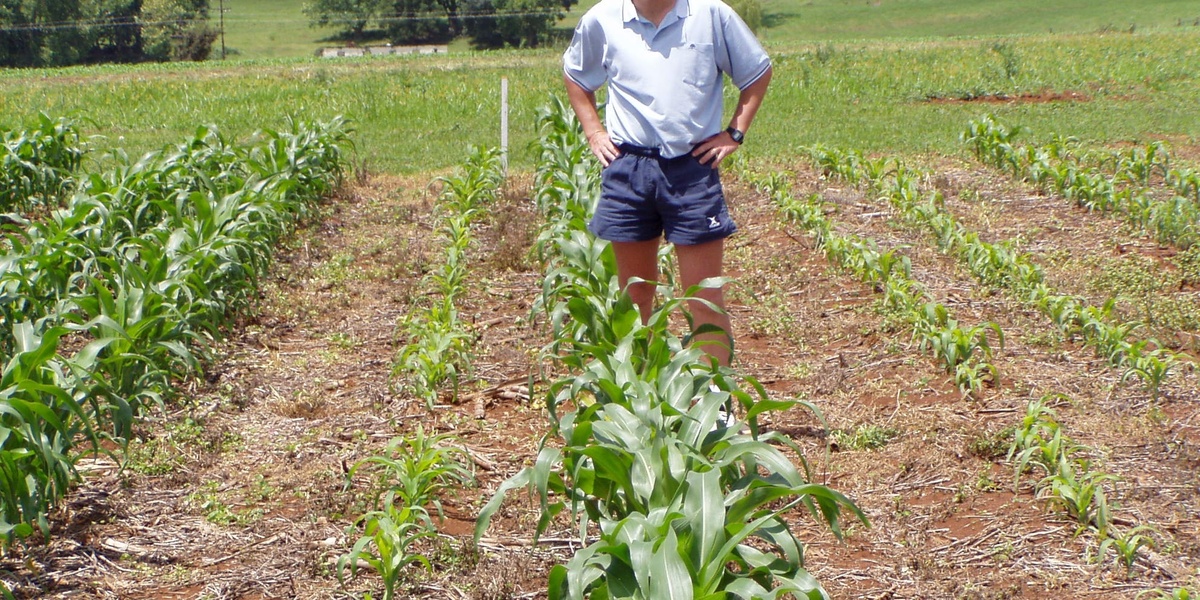
Phosphorus is indispensable for root development, energy transfer within plants, and successful flowering and grain set — all of which translate directly into higher yields for staples such as wheat, maize, and rice.
Farmers worldwide apply phosphate fertilizers like diammonium phosphate (DAP) and monoammonium phosphate (MAP) to correct soil P deficits; agronomy studies and FAO data show that targeted P application can raise yields substantially in deficient soils (see FAO and peer-reviewed trials).
Modern agriculture depends on mined phosphate rock to produce these fertilizers. For current production and reserve estimates, the US Geological Survey provides annual statistics that highlight how critical, and finite, those inputs are (USGS phosphate statistics).
5. Supports sustainable practices through recycling and precision use
Because phosphate rock is finite and runoff can cause eutrophication, recycling and precision management are key to long‑term food security. Technologies and practices exist to close the loop.
Struvite recovery from municipal wastewater, composting of biosolids, and advanced fertilizer blending turn waste phosphorus into usable products. Some treatment plants recover 20–60% of influent phosphorus as struvite under optimized conditions (see technical reports from environmental agencies and engineering studies).
Precision agriculture — soil testing, banding fertilizers, and variable‑rate application — improves phosphorus use efficiency on farms and reduces off‑site losses. Pilot programs in Europe and North America show real savings for growers and measurable reductions in watershed loads.
Taken together, recycling and smarter application lower dependence on mined rock and cut the runoff that harms lakes and coastal ecosystems.
Industrial and Technological Benefits
Beyond biology and farming, phosphorus chemicals are industrial workhorses and show up in everyday products as well as emerging technologies like battery research and semiconductor processing.
6. Feedstock for food-grade chemicals and industrial products
Phosphoric acid and related phosphates are central feedstocks in food, metal finishing, and chemical manufacture. Food‑grade phosphoric acid (E338) is used in some cola formulations, and industrial phosphates appear in metal treatment and fertilizer production.
Historically, phosphate salts were common builders in detergents; regulatory changes in many regions led to reductions, but industrial demand for phosphoric acid remains large. Industry reports and USGS figures provide recent tonnage and production statistics for phosphoric acid and phosphate rock.
On the supply chain side, phosphates support everything from water treatment chemicals to flame retardants and specialty polymers — concrete examples of how a single element fuels a wide range of manufacturing processes.
7. Enables technological advances: semiconductors and battery research
Phosphorus has a foothold in high technology: it’s commonly used as an n‑type dopant in silicon processing, where phosphorus atoms are introduced by diffusion or ion implantation to modify electrical properties in semiconductor devices.
In energy storage, red phosphorus and phosphorus‑based compounds are active areas of research as potential anode materials for sodium‑ion and lithium‑ion batteries. Lab studies report high specific capacities for phosphorus‑carbon composites (often several hundred mAh/g in early prototypes), though cycle life and scalability remain engineering challenges cited in recent papers.
Those two threads — precise doping in microelectronics and novel anode chemistries in batteries — matter because they can lead to smaller, faster electronics and potentially lower‑cost storage options if researchers translate lab gains into commercial products.
Summary
From Hennig Brand’s 1669 curiosity to modern recycling plants and lab benches, phosphorus has shaped biology, agriculture, and industry. Its roles range from building DNA backbones and powering ATP to boosting crop yields and enabling semiconductors and battery research.
At the same time, reliance on mined phosphate rock and the environmental risks of runoff mean we need better stewardship: recycle, apply precisely, and invest in alternatives where appropriate.
Responsible choices will keep the benefits of phosphorus available for future generations while reducing ecological harm.
- Phosphorus is indispensable in cells (DNA backbone, ATP) and in skeletal mineral hydroxyapatite.
- Modern agriculture depends on phosphate fertilizers (DAP, MAP), making recycling and precision use critical.
- Industrial phosphates support food additives, metal treatment, and emerging tech like semiconductor doping and battery anodes.
- Practical action — from struvite recovery to targeted fertilizer application — can preserve resources and cut pollution.