Walking through gardens, roadsides or woodlands, it’s easy to admire a plant and not realize it can be hazardous. A little knowledge about which species cause irritation, organ damage or worse helps you make safer choices when planting, foraging or supervising children and pets.
There are 50 Poisonous Plants, ranging from Angel’s trumpet to Yew. For each entry you’ll find below the Scientific name,Toxicity & symptoms,Poisonous part & onset, and the complete list is provided below so you can scan symptoms and timing at a glance.
How can I quickly tell if a plant might be harmful?
Look for common warning clues: milky or colored sap, clusters of glossy berries, strong bitter or acrid taste, or resemblance to known toxic families (e.g., nightshades). When unsure, photograph leaves, flowers and fruit and check trusted field guides or local extension services before touching or tasting.
What should I do if someone is exposed to a suspicious plant?
Move the person away, remove contaminated clothing, and rinse skin or eyes with water for 15 minutes. Do not induce vomiting unless instructed; call your local poison control center or emergency services and, if possible, have a photo or sample of the plant handy to speed identification.
Poisonous Plants
| Name | Scientific name | Toxicity & symptoms | Poisonous part & onset |
|---|---|---|---|
| Oleander | Nerium oleander | Potentially fatal; nausea, arrhythmia, dizziness, vomiting | All parts, immediate to hours |
| Deadly nightshade | Atropa belladonna | Potentially fatal; delirium, dilated pupils, dry mouth, rapid heart rate | Berries, leaves, roots; 30 minutes to hours |
| Monkshood | Aconitum napellus | Potentially fatal; numbness, weakness, cardiac arrhythmia | All parts, especially roots; minutes to hours |
| Castor bean | Ricinus communis | Potentially fatal; severe vomiting, diarrhea, dehydration | Seeds (intestine); 2–48 hours |
| Rosary pea | Abrus precatorius | Potentially fatal; nausea, violent vomiting, organ failure | Seeds if broken/chewed; hours to days |
| Foxglove | Digitalis purpurea | Severe; nausea, visual disturbances, slow or irregular heartbeat | Leaves, seeds; hours |
| Water hemlock | Cicuta maculata | Potentially fatal; violent seizures, respiratory failure | Roots, stems; minutes to hours |
| Poison hemlock | Conium maculatum | Potentially fatal; tremors, paralysis, respiratory failure | All parts, seeds; hours |
| Yew | Taxus baccata | Potentially fatal; sudden arrhythmia, collapse | Leaves and seeds (aril not); minutes to hours |
| Jimsonweed | Datura stramonium | Severe; hallucinations, dry mouth, rapid heart rate | Seeds, leaves; 30 minutes to hours |
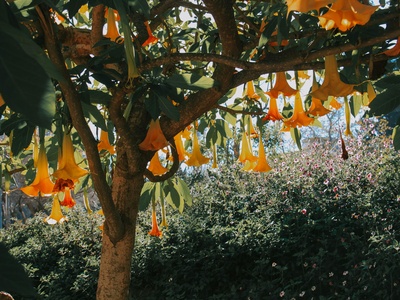
| Angel’s trumpet | Brugmansia suaveolens | Severe; confusion, dilated pupils, hallucinations | All parts; 30 minutes to hours |
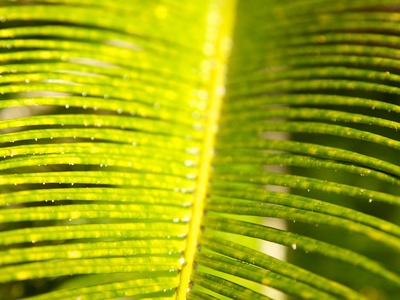
| Sago palm | Cycas revoluta | Potentially fatal; vomiting, liver failure | Seeds (pith), all parts; hours to days |
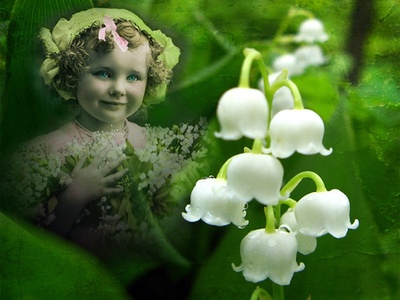
| Lily of the valley | Convallaria majalis | Severe; nausea, arrhythmia, dizziness | All parts; 1–6 hours |
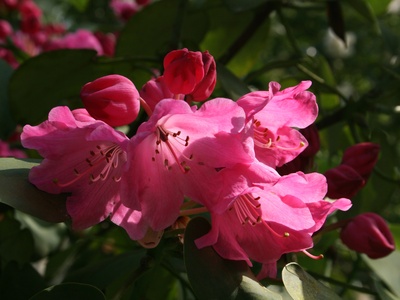
| Rhododendron | Rhododendron ponticum | Severe; nausea, weakness, low blood pressure | Leaves, nectar; minutes to hours |
| Mountain laurel | Kalmia latifolia | Severe; nausea, weakness, cardiac effects | Leaves, flowers; minutes to hours |
| Pieris | Pieris japonica | Moderate to severe; vomiting, weakness, dizziness | Leaves, shoots; 1–6 hours |
| Autumn crocus | Colchicum autumnale | Potentially fatal; severe vomiting, diarrhea, multi-organ failure | Bulbs, all parts; 6–48 hours |
| Giant hogweed | Heracleum mantegazzianum | Severe contact injury; painful phototoxic burns, long blisters | Sap on skin; minutes to hours with sun exposure |
| Poison ivy | Toxicodendron radicans | Severe contact allergy; itchy blistering rash | Sap/skin contact; minutes to days |
| Poison oak | Toxicodendron diversilobum | Severe contact allergy; blistering dermatitis | Sap/skin contact; minutes to days |
| Poison sumac | Toxicodendron vernix | Severe contact allergy; widespread blistering rash | Sap/skin contact; minutes to days |
| Dumb cane | Dieffenbachia seguine | Moderate to severe; intense oral pain, swelling, breathing difficulty | Sap, leaves; immediate to hours |
| Heartleaf philodendron | Philodendron hederaceum | Moderate; oral irritation, drooling, swelling | Leaves, stems; immediate to hours |
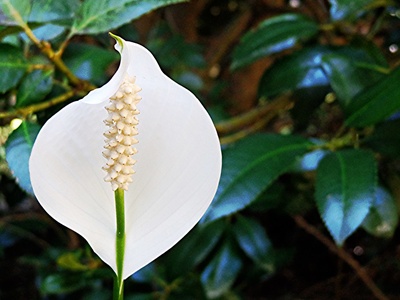
| Peace lily | Spathiphyllum wallisii | Moderate; oral burning, swelling, vomiting | Leaves, flowers; immediate to hours |
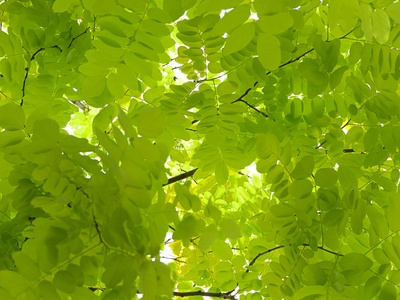
| Black locust | Robinia pseudoacacia | Severe; nausea, weakness, tremors | Bark, seeds, leaves; hours |
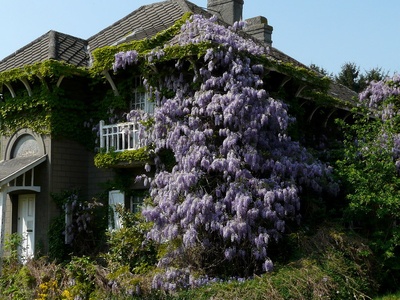
| Wisteria | Wisteria sinensis | Moderate; vomiting, diarrhea | Seeds, pods; 1–12 hours |
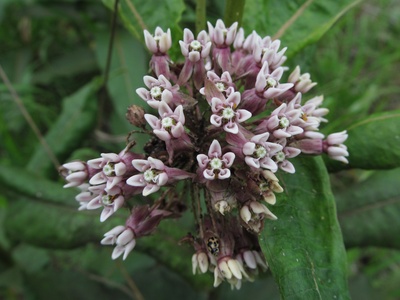
| Common milkweed | Asclepias syriaca | Moderate to severe; vomiting, drooling, slow heart rate | All parts, especially sap and seeds; 1–6 hours |
| Kalanchoe | Kalanchoe blossfeldiana | Moderate; vomiting, diarrhea, cardiac effects in pets | Leaves, flowers; 1–6 hours |
| Tobacco | Nicotiana tabacum | Severe; nausea, vomiting, dizziness, seizures | Leaves, seeds (ingestion); minutes to hours |
| Rhubarb (leaves) | Rheum rhabarbarum | Moderate to severe; burning mouth, kidney damage with large doses | Leaves (stalks edible); 0.5–6 hours |
| Manchineel | Hippomane mancinella | Potentially fatal; blistering, swelling, severe gastric or respiratory collapse | Fruit, sap, smoke; immediate to hours |
| Hemlock water-dropwort | Oenanthe crocata | Potentially fatal; violent seizures, respiratory arrest | Roots and lower stems; minutes to hours |
| Horse chestnut | Aesculus hippocastanum | Moderate to severe; vomiting, diarrhea, weakness | Seeds (conkers), bark; 1–12 hours |
| Bittersweet nightshade | Solanum dulcamara | Moderate; vomiting, diarrhea, drowsiness | Leaves, unripe berries, stems; 1–12 hours |
| Jerusalem cherry | Solanum pseudocapsicum | Moderate; vomiting, drowsiness, abdominal pain | Berries and leaves; 1–12 hours |
| Boxwood | Buxus sempervirens | Moderate to severe; vomiting, dizziness, cardiac effects | Leaves, bark; 1–6 hours |
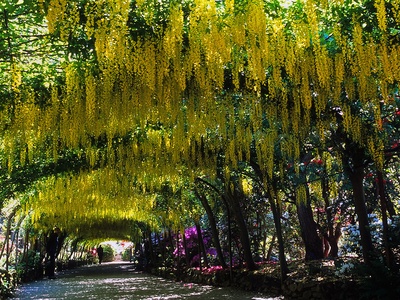
| Laburnum | Laburnum anagyroides | Severe; vomiting, convulsions, collapse | Seeds, pods; 1–24 hours |
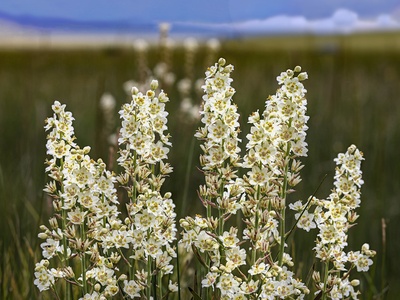
| Death camas | Toxicoscordion venenosum | Potentially fatal; nausea, low blood pressure, arrhythmia | Bulbs, all parts; minutes to hours |
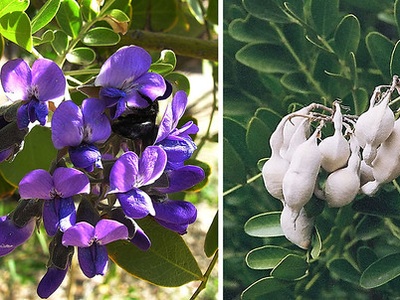
| Mescalbean | Sophora secundiflora | Potentially fatal; severe vomiting, convulsions, paralysis | Seeds; minutes to hours |
| Daphne | Daphne mezereum | Severe; burning mouth, vomiting, diarrhea, seizures | Berries, bark, flowers; minutes to hours |
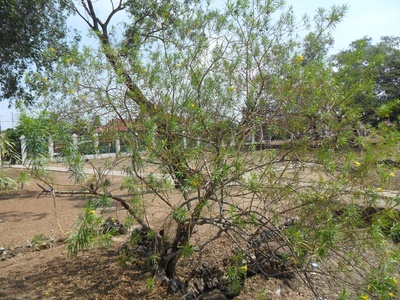
| Yellow oleander | Thevetia peruviana | Potentially fatal; nausea, arrhythmia, dizziness | Seeds, all parts; minutes to hours |
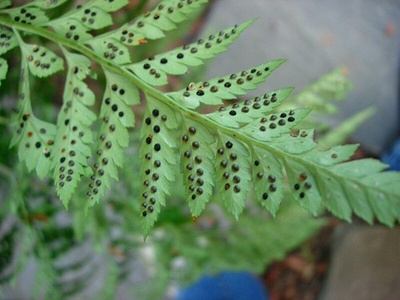
| Bracken fern | Pteridium aquilinum | Severe long-term risk; vomiting, bone marrow suppression, carcinogenic risk | Young fronds and spores; variable onset |
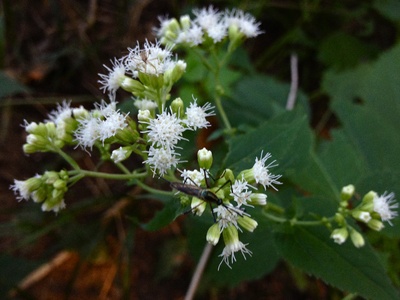
| White snakeroot | Ageratina altissima | Severe indirectly; tremors, weakness, “milk sickness” in humans via dairy | Leaves, stems; days |
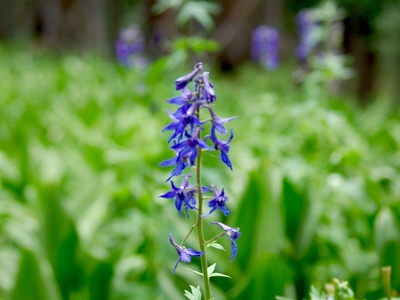
| Larkspur | Delphinium elatum | Severe; drooling, muscle weakness, cardiac effects | All parts, especially seeds; hours |
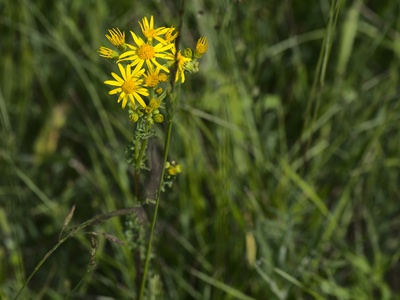
| Ragwort | Senecio jacobaea | Severe long-term; liver failure, weight loss | Leaves, flowers; weeks to months (chronic) |
| Cherry laurel | Prunus laurocerasus | Severe; dizziness, vomiting, respiratory distress | Leaves, seeds; minutes to hours |
| Spindle tree | Euonymus europaeus | Severe; vomiting, dizziness, hallucinations | Seeds, berries; 1–6 hours |
| Strychnine tree | Strychnos nux-vomica | Potentially fatal; severe muscle spasms, convulsions, respiratory failure | Seeds (poison nut); minutes to hours |
| Greater celandine | Chelidonium majus | Moderate to severe; vomiting, jaundice (rare), abdominal pain | Sap, leaves, roots; hours to days |
| White water hemlock (alternate) | Cicuta spp. | Potentially fatal; violent seizures, respiratory failure | Roots and lower stem; minutes to hours |
Images and Descriptions
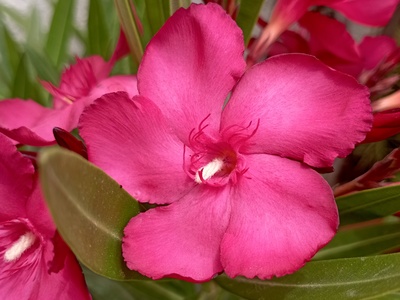
Oleander
Evergreen shrub with glossy lance-shaped leaves and clusters of pink, white or red funnel flowers; common in Mediterranean, warm climates and ornamental gardens. Very poisonous if ingested; seek emergency care for suspected exposure.
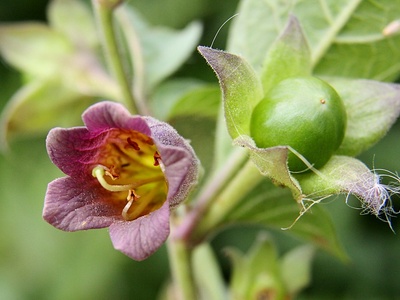
Deadly nightshade
Tall, shady woodland plant with shiny black berries and bell-shaped purple flowers. Native to Europe and western Asia; toxic tropane alkaloids cause severe anticholinergic poisoning when eaten.
Monkshood
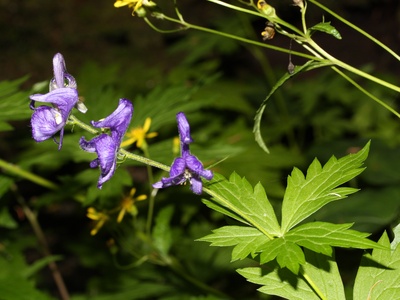
Tall spike of deep blue helmet-shaped flowers on mountain meadows and gardens. Extremely toxic aconitine alkaloids — even skin contact can cause symptoms. Handle with care and emergency treatment if exposed.
Castor bean
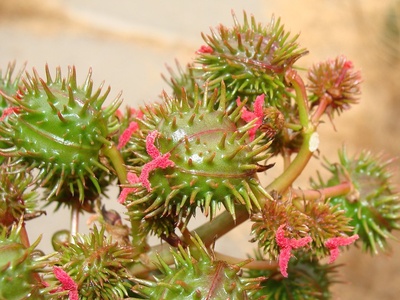
Large ornamental shrub with shiny palmate leaves and spiky seed pods. Global cultivated plant; seeds contain ricin, a highly toxic protein. Swallowing seeds can be deadly — emergency care required.
Rosary pea
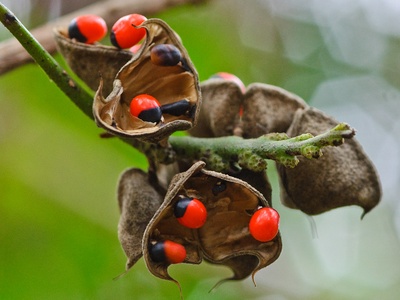
Vining tropical plant with bright red seeds spotted with black, used for jewelry. Seeds contain abrin, extremely toxic if crushed and ingested. Keep seeds away from children and pets.
Foxglove
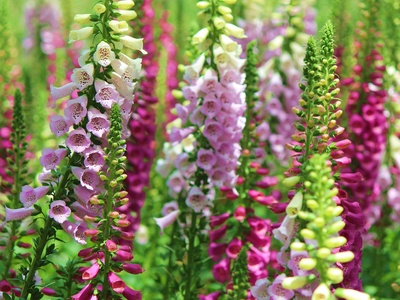
Biennial with tall spikes of tubular purple, pink or white flowers in woodlands and gardens. Contains cardiac glycosides (digoxin-like) that affect heart rhythm — medical care essential after ingestion.
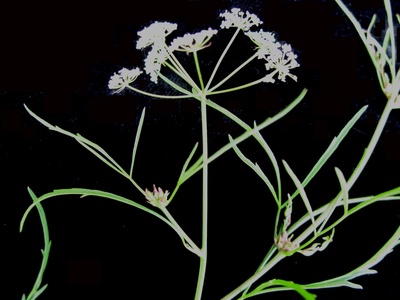
Water hemlock
Wetland and roadside perennial with umbrella-like white flower clusters and hollow, streaked stems. One of North America’s most toxic plants; even small root pieces can cause rapid, severe poisoning.
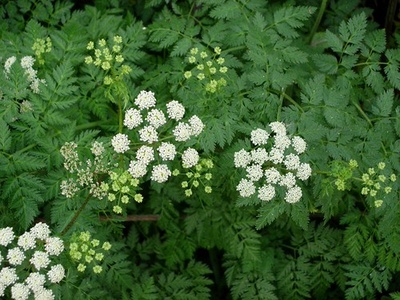
Poison hemlock
Tall biennial with white umbels like Queen Anne’s lace and purple-speckled stems. Widespread in disturbed soils; contains coniine causing progressive neuromuscular paralysis.
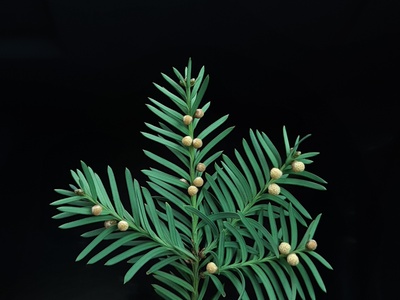
Yew
Evergreen tree or hedge with flat dark needles and red berry-like arils. Common in hedgerows and parks; foliage and seeds contain taxines causing fatal cardiac toxicity if chewed or swallowed.
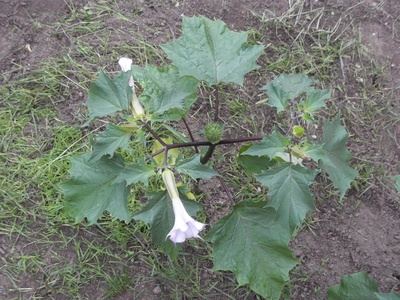
Jimsonweed
Weedy annual with large spiky seed pods and trumpet-shaped white or purple flowers. Found in disturbed soils worldwide; tropane alkaloids can cause dangerous anticholinergic delirium and medical emergencies.
Angel’s trumpet
Large shrub or small tree with pendulous, fragrant trumpet flowers common in tropical ornamental plantings. Contains powerful tropane alkaloids; ingestion or misuse can be life-threatening.
Sago palm
Hardy cycad with stiff, pinnate leaves often used as landscaping palm substitute. Seeds and young leaves contain cycasin; ingestion can cause severe liver damage, especially in pets and children.
Lily of the valley
Low-growing spring plant with arching stems of white bell flowers and reddish berries in woodlands and gardens. Contains cardiac glycosides affecting the heart; even small ingestions are dangerous.
Rhododendron
Large evergreen shrub with clusters of showy pink to purple flowers commonly in gardens and moorlands. Grayanotoxins in leaves and nectar can poison humans and animals; honey from blooms may cause illness.
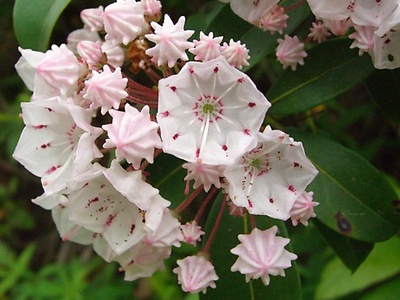
Mountain laurel
Evergreen shrub with glossy leaves and rounded clusters of pink, white or red urn-shaped flowers in woodland and mountainous regions. Contains grayanotoxins that can cause cardiac and gastrointestinal symptoms.
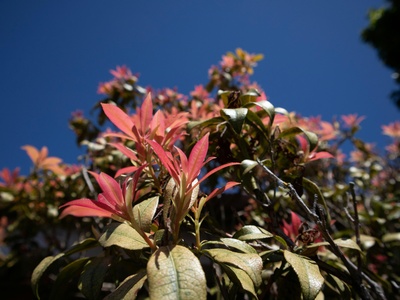
Pieris
Ornamental evergreen shrub with drooping clusters of urn-shaped white to pink flowers and glossy leaves. Common in gardens; contains andromedotoxins (grayanotoxins) that affect heart and GI tract.
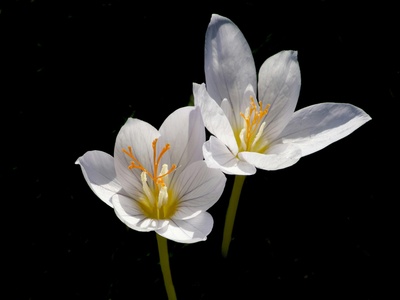
Autumn crocus
Low-growing fall-blooming plant with crocus-like pink-lilac flowers from bulbs in meadows and lawns. Contains colchicine — can cause severe gastrointestinal distress followed by bone marrow suppression and organ failure.
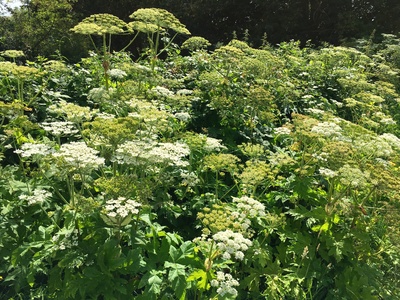
Giant hogweed
Tall invasive plant with umbrella white flower clusters and hollow stripped stems. Sap causes severe burn-like reactions when exposed to sunlight; protective clothing and medical care required.
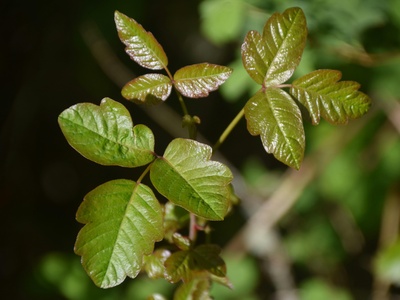
Poison ivy
Climbing or ground-hugging plant with characteristic “leaves of three” glossy leaflets, common in forests and urban edges. Urushiol oil causes allergic dermatitis; wash exposed skin and seek treatment for severe reactions.
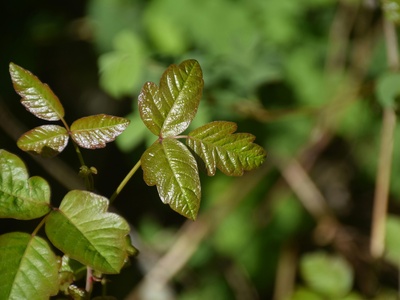
Poison oak
Shrub or climber with three-lobed leaves resembling oak, common in western North America. Urushiol causes intensely itchy allergic reactions; immediate washing reduces risk.

Poison sumac
Woody shrub in wet areas with pinnate leaves of 7–13 leaflets and clusters of white berries. Urushiol oil in sap causes severe dermatitis; avoid and wash promptly after exposure.
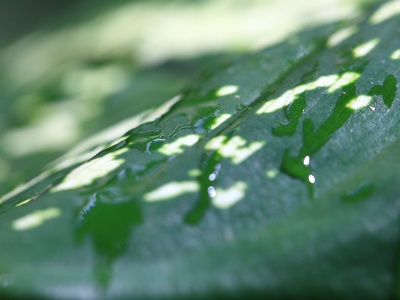
Dumb cane
Tropical indoor plant with large variegated leaves and thick stems. Oxalate crystals cause immediate burning and numbness in mouth and throat; medical attention needed if breathing is affected.
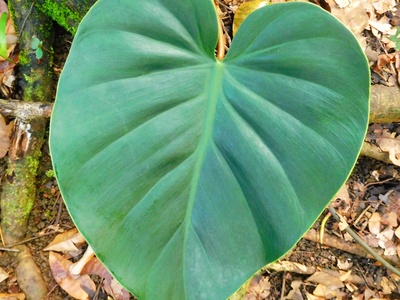
Heartleaf philodendron
Common trailing houseplant with glossy heart-shaped leaves. Calcium oxalate crystals cause immediate painful mouth and throat irritation if chewed; rinse and seek care for swelling or breathing trouble.
Peace lily
Popular indoor plant with glossy leaves and white spathes. Contains calcium oxalate crystals causing immediate mouth and throat pain if chewed; typically nonfatal but can need medical care for airway swelling.
Black locust
Deciduous tree with compound leaves and pea-like white fragrant flowers common in disturbed areas. Contains toxic lectins and alkaloids; ingestion can cause severe gastrointestinal and neurologic symptoms.
Wisteria
Climbing woody vine with pendulous clusters of purple, lilac or white pea-like flowers in spring. Seeds and pods are bitter and can cause gastrointestinal upset if ingested by children or pets.
Common milkweed
Perennial meadow plant with broad leaves, clustered pinkish flowers and milky sap. Contains cardiac glycosides affecting heart; livestock and pets are susceptible.
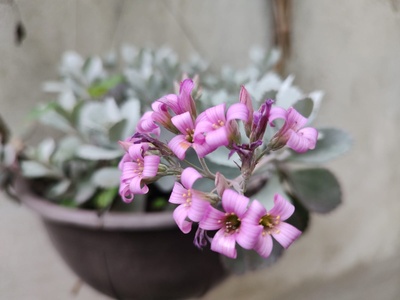
Kalanchoe
Popular potted succulent with scalloped leaves and clusters of small tubular flowers. Contains cardiac glycosides harmful to pets and potentially humans if eaten; keep away from animals.

Tobacco
Tall annual with sticky leaves and tubular flowers widely cultivated for smoking. Nicotine poisoning can result from ingestion of leaves, seeds, or concentrated products — dangerous to children and pets.
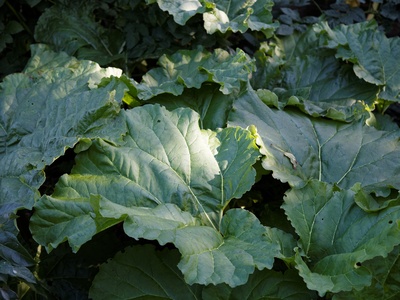
Rhubarb (leaves)
Garden perennial with large crinkled leaves and edible stalks. Leaf blades contain oxalates and anthraquinones causing severe stomach pain and possible kidney injury — discard leaves, eat only stalks cooked.
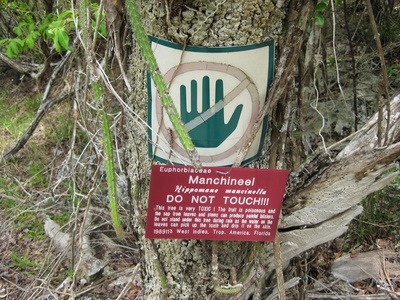
Manchineel
Tropical beach tree with green apple-like fruit and glossy leaves. Extremely toxic sap causes severe burns; burning wood gives toxic smoke. Known as “beach apple” — avoid all contact.
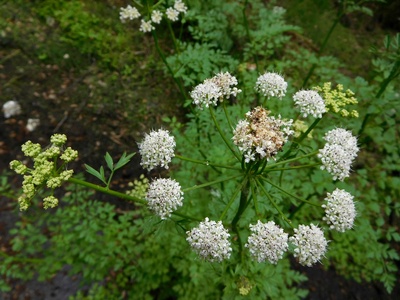
Hemlock water-dropwort
Marsh-dwelling plant with white umbrella flowers and hollow ridged stems. Found in wet meadows and ditches in Europe; roots are highly toxic and have caused rapid fatal poisonings.
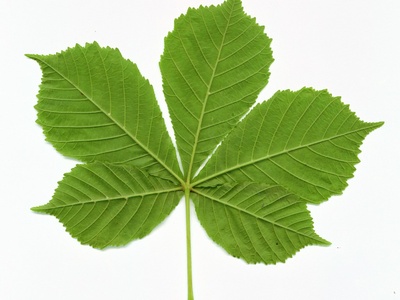
Horse chestnut
Large street and park tree with palmate leaves and showy conker seed pods. Seeds contain aesculin causing gastrointestinal upset and rarely neurologic signs if ingested in quantity.
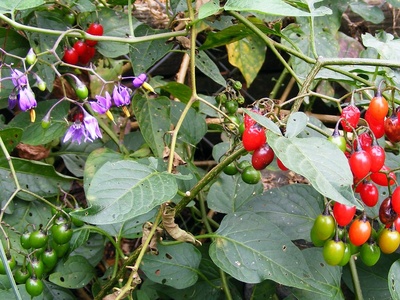
Bittersweet nightshade
Climbing vine with purple bell flowers and red berries in hedgerows and wetlands. Contains solanine and tropane-like glycoalkaloids; berries can be poisonous especially to children.
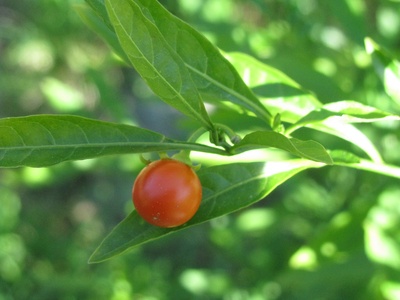
Jerusalem cherry
Small ornamental shrub with glossy leaves and bright orange-red cherry-like berries. Berries contain toxic alkaloids — commonly cause pet and child poisonings when eaten.
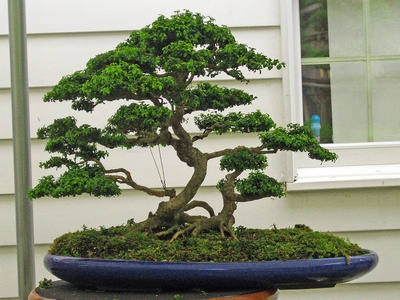
Boxwood
Evergreen shrub used in hedges with small glossy leaves and tiny flowers. Contains alkaloids that cause gastrointestinal and cardiac symptoms if chewed or ingested in quantity.
Laburnum
Small ornamental tree with hanging clusters of yellow pea-like flowers in spring. Seeds and pods contain cytisine and related alkaloids; ingestion can cause serious poisoning, especially in children.
Death camas
Grassland bulb with lily-like cream flowers and grass-like leaves, often mistaken for edible bulbs. Contains steroidal alkaloids causing rapid cardiac and gastrointestinal symptoms.
Mescalbean
Shrub or small tree with pea-like yellow flowers and glossy pods. Bright hard seeds used historically as beads contain cytisine-like alkaloids that can cause severe neurotoxic poisoning.
Daphne
Small deciduous shrub with fragrant pink flowers and bright red berries in spring. All parts, especially berries, are highly toxic causing severe GI and neurologic symptoms; handle with caution.
Yellow oleander
Tropical ornamental small tree with lance leaves and yellow funnel flowers often in hedges. Contains cardiac glycosides similar to Nerium oleander; ingestion can be rapidly life-threatening.
Bracken fern
Widespread fern in fields and woodlands with large triangular fronds. Contains ptaquiloside, associated with livestock poisoning and potential carcinogenic effects in humans with chronic exposure.
White snakeroot
Upland woodland plant with white clustered flowers. Cattle eating it pass tremetol into milk and meat, causing milk sickness in humans; direct ingestion also causes poisoning.
Larkspur
Tall garden perennial with spurred blue, purple or white flowers in summer. Contains diterpenoid alkaloids that paralyze neuromuscular function; hazardous to livestock and humans if eaten.
Ragwort
Weedy roadside plant with yellow daisy-like flowers containing pyrrolizidine alkaloids. Toxicity usually results from chronic ingestion by livestock; human cases involve repeated exposure and liver damage.
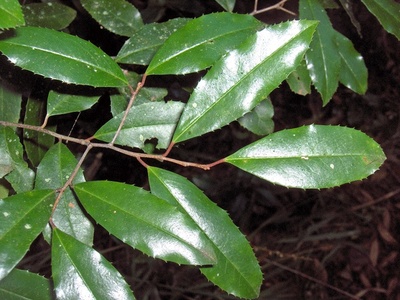
Cherry laurel
Evergreen shrub with glossy leaves and white flower racemes common in hedging. Contains cyanogenic glycosides that release cyanide when chewed; ingestion of leaves or seeds can be dangerous.
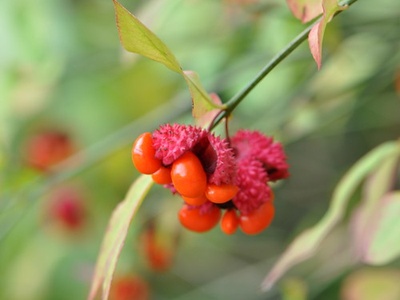
Spindle tree
Deciduous shrub with corky bark and pink fruit capsules revealing orange seeds. Widespread ornamental and hedgerow plant; seeds and arils are bitter and toxic if swallowed.
Strychnine tree
Tropical tree with glossy leaves and orange fruit containing hard seeds. Seeds yield strychnine and brucine — powerful neurotoxins that cause painful convulsions and death if ingested.
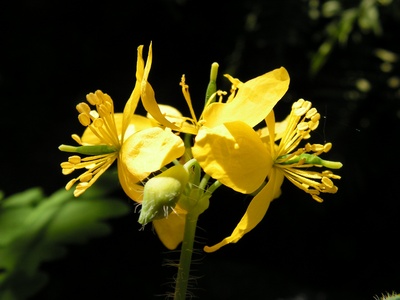
Greater celandine
Yellow-flowered roadside and garden plant with orange latex sap. Contains isoquinoline alkaloids; topical sap can irritate and internal ingestion may cause liver injury in significant amounts.
White water hemlock (alternate)
Umbellifer family wetland plants with white flower clusters and hollow stems. Extremely toxic cicutoxin in roots causes rapid onset seizures and can be fatal; avoid all contact and ingestion.