From your phone charger to regional power stations, energy touches daily life in many forms and scales. Getting a clear, compact view of those forms makes it easier to compare costs, storage needs and environmental impact across uses and technologies.
There are 21 types of Energy, ranging from Batteries to Wind energy. For each entry, the list is organized by Category,Typical unit (J or kWh),Common examples / sources so you can compare uses and measurements — you’ll find below.
How can I use this list to pick the right energy type for a project?
Look at the Category to match the scale (stored vs. flow), check the Typical unit (J or kWh) to understand how output is measured, and read the Common examples / sources to see real-world applications; that lets you weigh factors like availability, storage needs and conversion losses for your specific project.
Why list both J and kWh as typical units?
Joules are the SI unit (useful for physics and conversions) while kWh is a practical unit for billing and household scale; the list uses whichever best matches typical reporting for that energy type and enables easy comparison when you convert between them.
Energy
| Name | Category | Typical unit (J or kWh) | Common examples / sources |
|---|---|---|---|
| Kinetic energy | physical form | J | moving cars, wind, flowing water |
| Gravitational potential energy | physical form | J | raised masses, reservoirs behind dams, lifted objects |
| Elastic potential energy | physical form | J | springs, rubber bands, bowstrings |
| Thermal energy | physical form | J | hot water, steam, ambient air, furnaces |
| Chemical energy | physical form | J | fuels, food, batteries, explosives |
| Nuclear energy | physical form | J | atomic nuclei in uranium, plutonium, hydrogen in the Sun |
| Electrical energy | physical form | J | static charge, electric fields, currents in circuits |
| Electricity | carrier | kWh | grid supply, household outlets, transmission lines |
| Radiant energy (electromagnetic) | physical form | J | sunlight, radio waves, infrared, X-rays |
| Solar energy | source | kWh | sunlight on panels, solar thermal collectors |
| Wind energy | source | kWh | onshore and offshore wind farms, turbines |
| Hydropower | source | kWh | dams, run-of-river plants, pumped storage |
| Geothermal energy | source | kWh | hot springs, geothermal wells, ground-source heat pumps |
| Biomass energy | source | kWh | wood, crop residues, organic waste, biofuels |
| Fossil fuels | source | kWh | coal, oil, natural gas, refined fuels |
| Nuclear power | source | kWh | nuclear reactors generating electricity |
| Tidal and wave energy | source | kWh | tide turbines, wave converters, coastal installations |
| Hydrogen | carrier | kWh | electrolytic H2, reforming natural gas, fuel cells |
| Batteries | carrier/storage | kWh | lithium-ion packs, lead-acid, grid storage systems |
| Magnetic energy | physical form | J | electromagnets, permanent magnets, inductors |
| Sound energy | physical form | J | vibrating speakers, sonar pings, acoustic waves |
Images and Descriptions
Kinetic energy
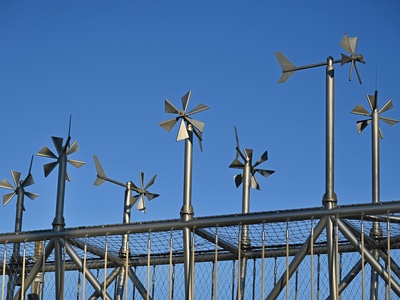
Energy of motion held by moving objects; proportional to mass and speed squared. Seen in cars, wind, flowing water, and particles. Measured in joules, it helps predict impacts, required braking energy, and machinery performance in everyday life.
Gravitational potential energy
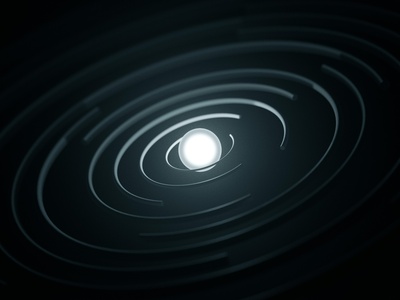
Stored energy due to an object’s height in a gravitational field. Common in raised weights, dams, and rockets; calculated from mass, gravity, and height. Converted to kinetic energy when falling, it underlies hydroelectric power and everyday lifting work.
Elastic potential energy
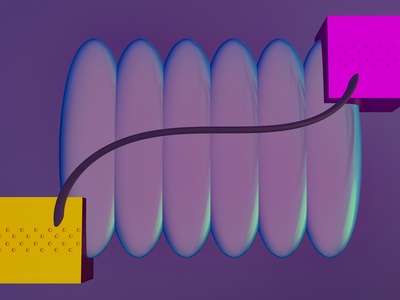
Energy stored when materials are stretched or compressed, such as springs, rubber bands, or bowstrings. Released as kinetic energy when they return to rest, it explains bouncing, mechanical clocks, and small-scale energy storage in devices and toys.
Thermal energy
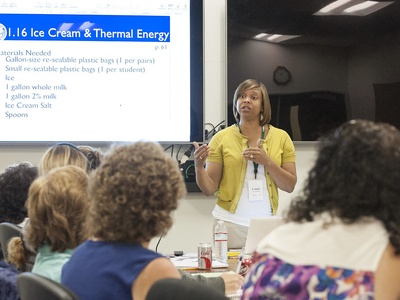
Energy associated with temperature and microscopic motion of atoms and molecules in matter. Heat flows from hot to cold bodies; it drives engines, weather, cooking, and heating systems. Measured microscopically in joules and practically in kilowatt-hours for heating.
Chemical energy
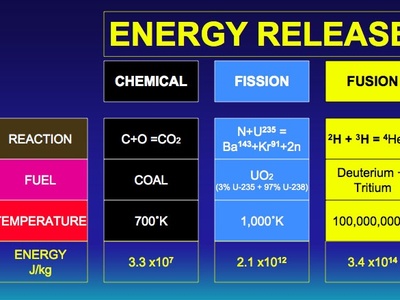
Energy stored in chemical bonds of substances; released or absorbed during reactions like combustion, metabolism, and battery discharge. Fuels, food, and batteries are chemical-energy carriers; chemical energy is central to transportation, power generation, and biological processes.
Nuclear energy
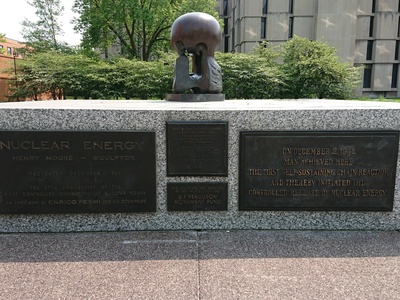
Energy from changes in atomic nuclei, released by fission or fusion. Extremely energy-dense; powers nuclear reactors and the Sun. Carefully managed, it provides large-scale electricity with low direct emissions but requires handling of radioactive materials and waste.
Electrical energy
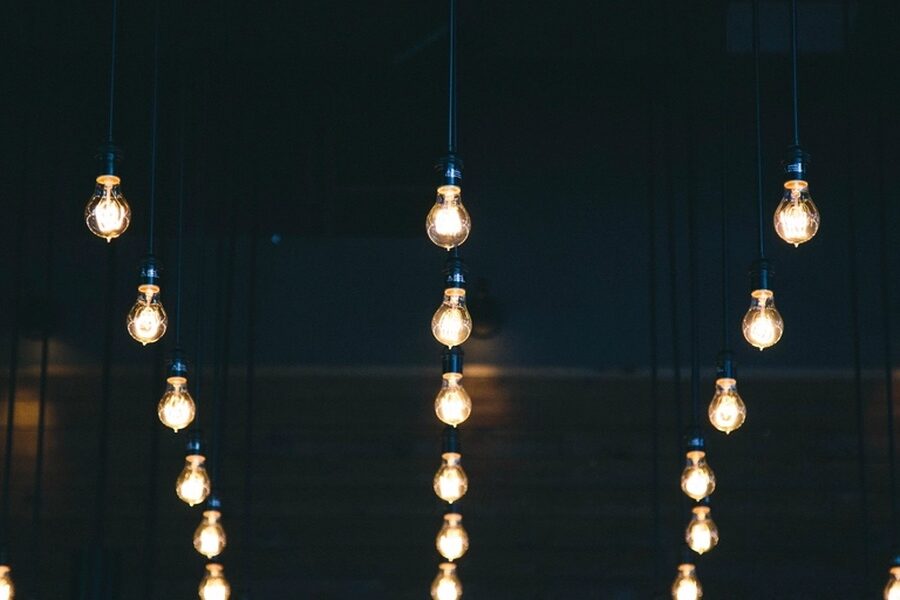
Energy associated with electric charges and fields; present in currents, voltages, and stored charges. It is versatile, easily transported via wires, and powers lights, electronics, motors, and heating when converted to other forms.
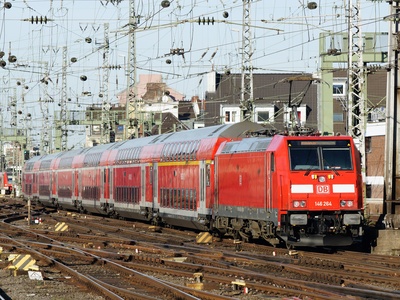
Electricity
The flow of electrical energy delivered through grids, wires, or circuits; measured in kWh for billing. It’s the primary convenient carrier for end-use energy powering homes, industry, transport, and storage systems like batteries.
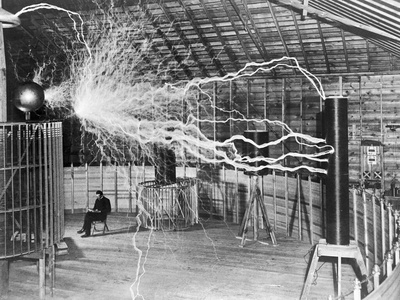
Radiant energy (electromagnetic)
Energy carried by electromagnetic waves across the spectrum, from radio waves to gamma rays. Sunlight is a major radiant source, powering solar panels, warming Earth, and enabling communications and imaging technologies.
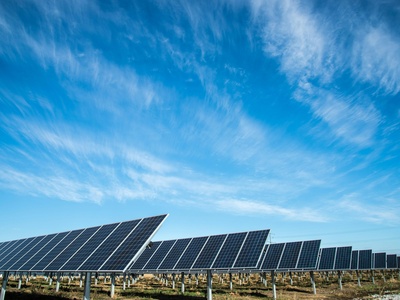
Solar energy
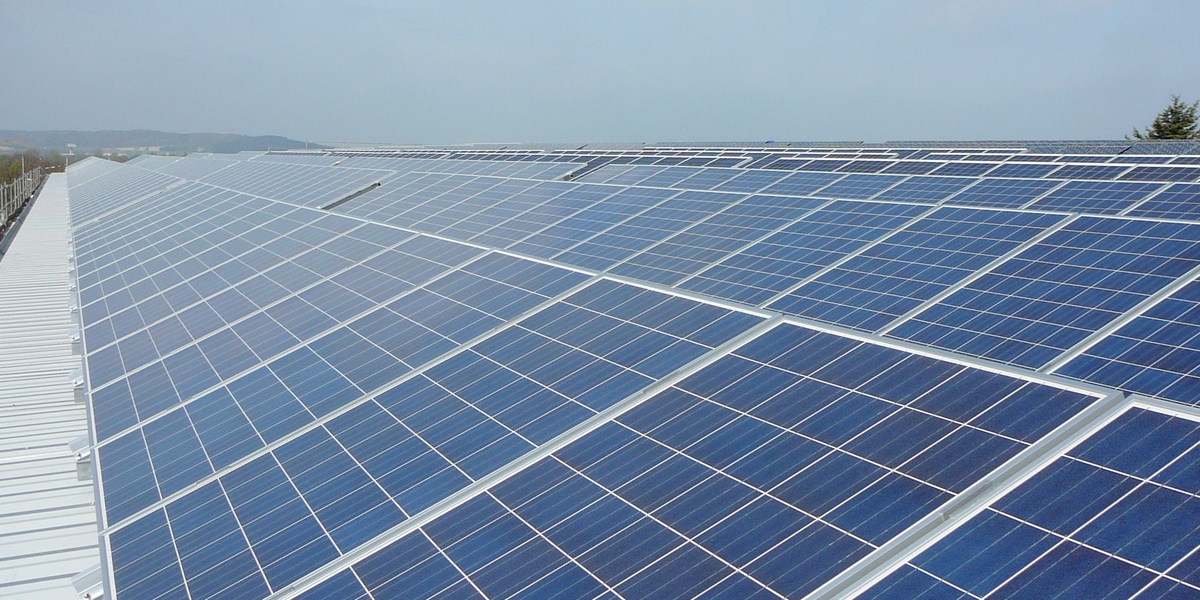
Energy from the Sun in the form of light and heat; harvested with photovoltaics and solar thermal collectors. Abundant at Earth’s surface, it powers photosynthesis, renewables, and distributed electricity generation with no direct fuel emissions.

Wind energy
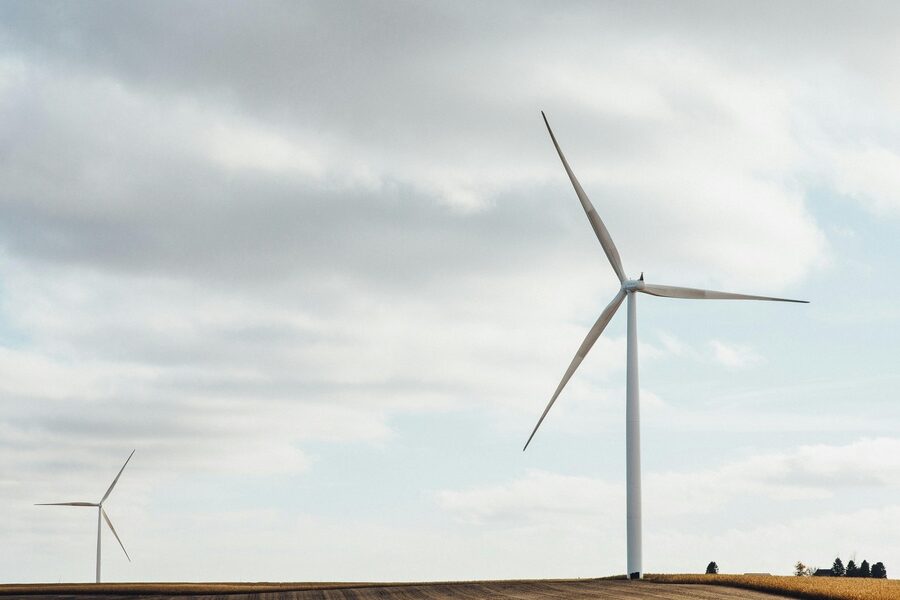
Kinetic energy of moving air converted by turbines into electricity. Wind farms onshore and offshore capture wind’s power, offering low-emission generation that varies with weather and location; integration requires grid and storage planning.
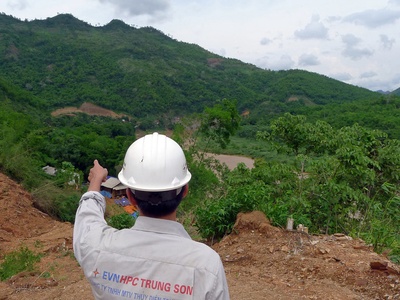
Hydropower
Energy from falling or flowing water, often stored behind dams or harnessed in rivers and tides. Hydropower converts gravitational potential to electricity reliably, supplying large-scale low-carbon power but with ecosystem and land-use impacts.
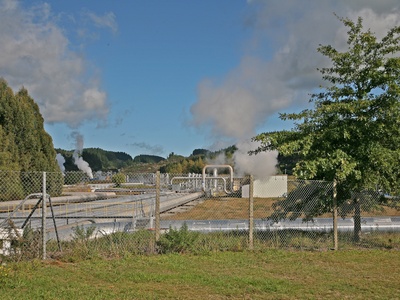
Geothermal energy
Heat from Earth’s interior accessed by wells or ground collectors; used for electricity and direct heating. Geothermal offers constant, low-emission baseload power in suitable regions with careful reservoir management and occasional induced seismicity concerns.
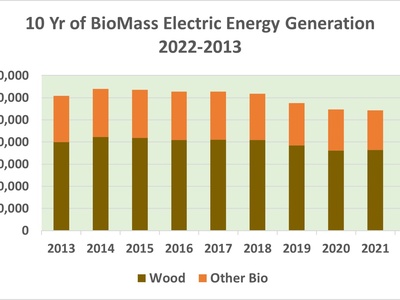
Biomass energy
Energy from organic matter—wood, crop residues, and waste—burned or converted into biofuels. Biomass can replace fossil fuels for heat, electricity, or transport but sustainability depends on land use, carbon accounting, and local emissions.
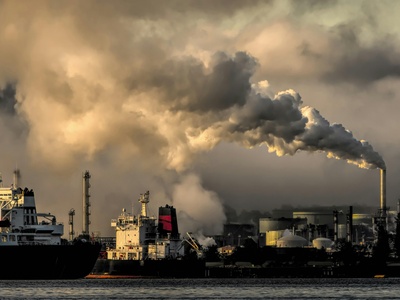
Fossil fuels
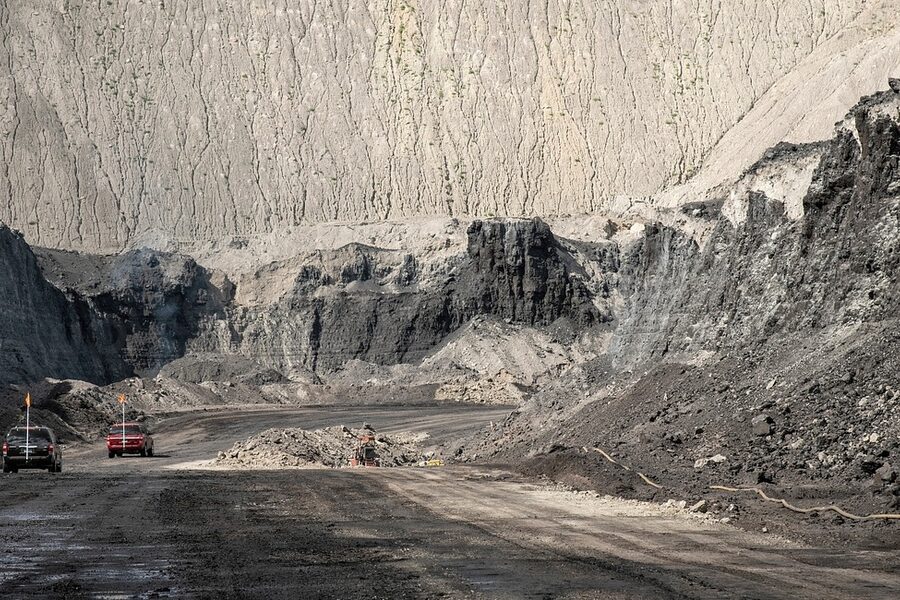
Sedimentary deposits of ancient organic matter storing chemical energy; burned for heat and electricity or refined for transport fuels. High energy density and infrastructure dominance come with carbon emissions driving climate change and air pollution.
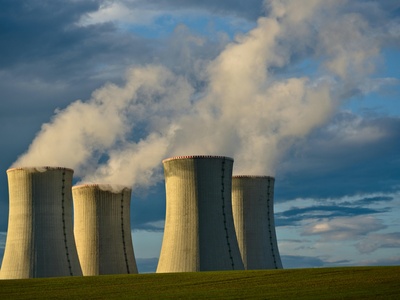
Nuclear power
Electricity generation using controlled fission in reactors. Converts nuclear binding energy into heat and then electricity with high energy density and low operational CO2 emissions, requiring strong safety and long-term radioactive waste solutions.
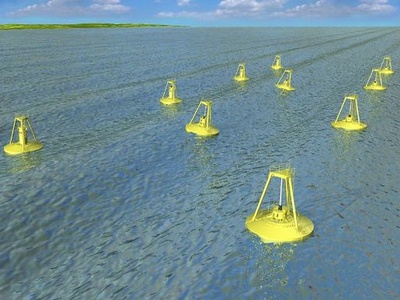
Tidal and wave energy
Energy from ocean tides and surface waves converted by turbines or oscillating devices. Predictable tidal cycles and abundant wave power offer renewable electricity potential but face marine engineering, cost, and environmental integration challenges.
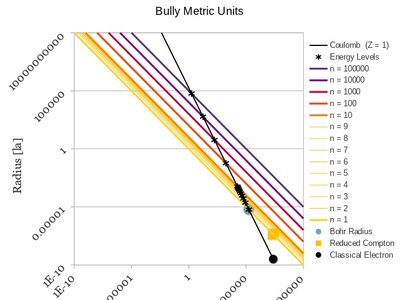
Hydrogen
A chemical energy carrier produced from natural gas, electrolysis, or renewables; stored as gas or liquid. Used in fuel cells, industry, and transport; its low-carbon value depends on production method and lifecycle emissions.
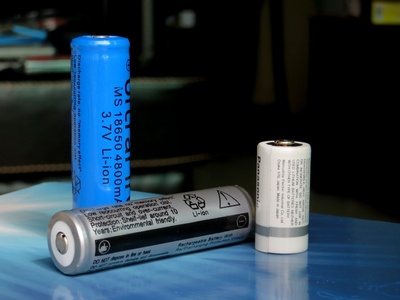
Batteries
Devices that store chemical energy and release it as electricity via reversible reactions. Batteries power phones, vehicles, and grid storage; they provide flexible, mobile storage but involve material sourcing, lifetime, and recycling trade-offs.
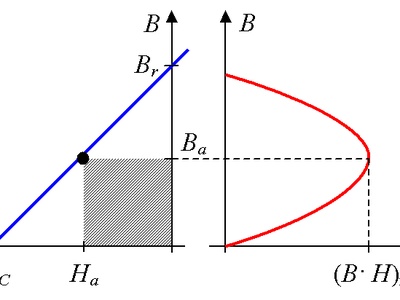
Magnetic energy
Energy stored in magnetic fields created by magnets or currents. Important in transformers, motors, and data storage; magnetic forces do work and can transfer energy without direct contact though measurement commonly referenced via electrical energy.

Sound energy
Energy carried by pressure waves in fluids and solids produced by vibrating objects. Heard as sound and used in sonar and medical imaging; it is relatively low-density and often dissipates as heat during propagation.