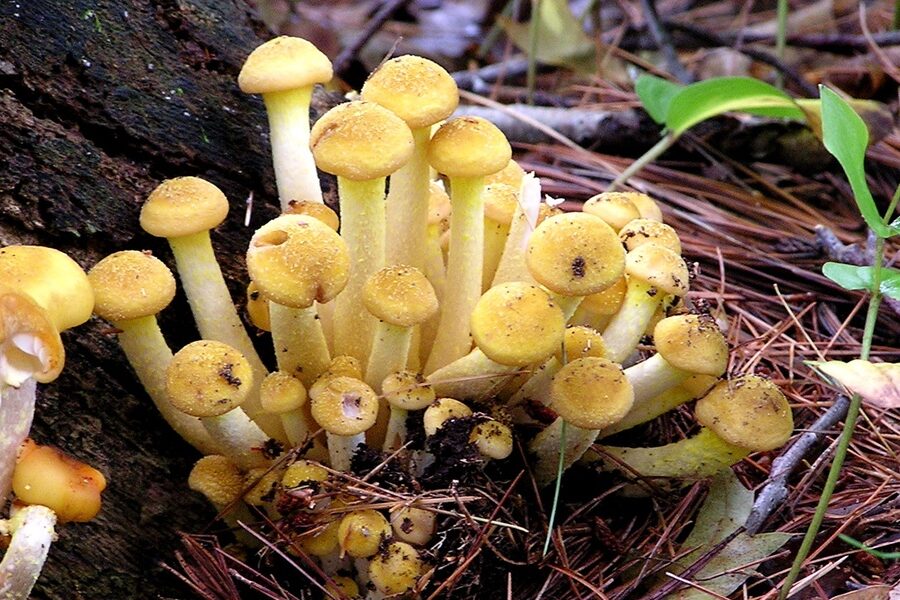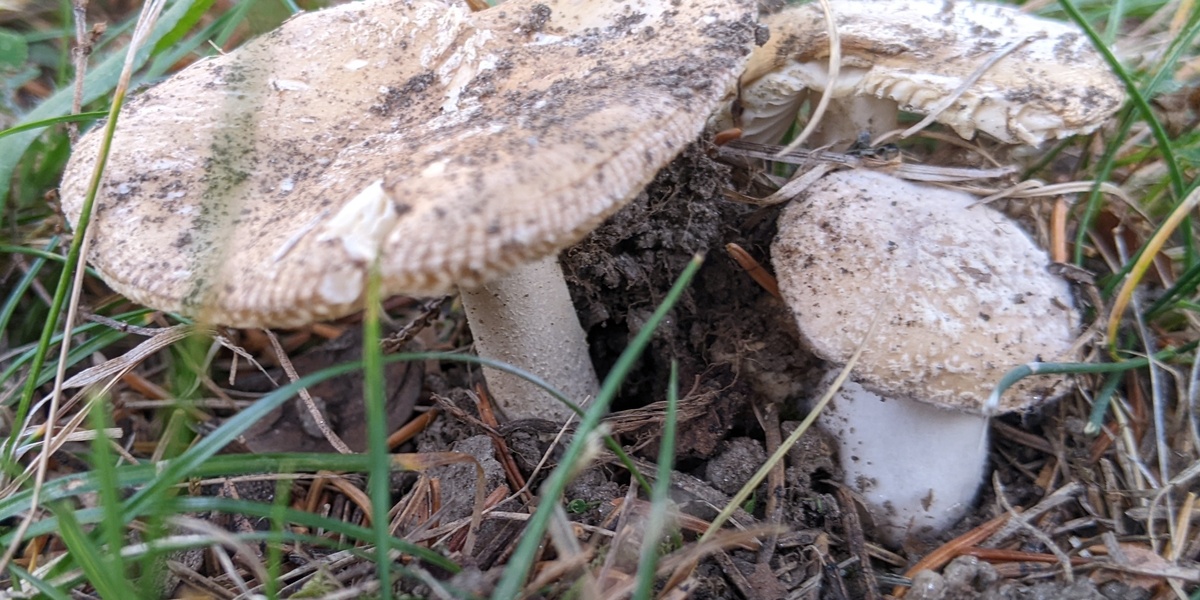
In 1665, the term ‘fungus’ appeared in botanical literature as scientists began separating fungi from plants — a reminder that our relationship with mushrooms has been shifting for centuries.
Mushrooms are surrounded by persistent myths that mislead foragers, cooks, and curious readers — this article debunks eight common misconceptions and explains the real science, safety rules, and cultural context behind them. These myths matter for safety, conservation, cultural stigma, and culinary opportunity; they’ll affect how you pick, prepare, and think about fungi.
The piece is organized into three categories: Health & Safety, Ecology & Foraging, and Culinary & Cultural. We’ll draw on trusted sources (the CDC, regional Poison Control centers, the Mycological Society of America) and include specific numbers—1665, an estimate range of 2.2–3.8 million fungal species, and a few practical figures—to ground the discussion.
Health & Safety Myths

Confusion about toxicity and legality is the main reason people get hurt or misinformed. The next three myths affect home cooks, amateur foragers, and policymakers alike; clear rules and reliable sources can prevent serious harm.
1. Myth: Brightly colored mushrooms are the only poisonous ones
That’s false: color is a poor guide to toxicity. Some of the most lethal species, like Amanita phalloides (the death cap), are relatively dull—greenish-beige to brown—while many brightly colored species are harmless or only mildly irritating.
Identification depends on multiple morphological and ecological features: spore print color, gill attachment, presence of a volva or ring, smell, and habitat. Field marks matter more than hue. In the U.S., Poison Control centers (and the AAPCC) handle roughly 6,000 mushroom-exposure calls annually, a reminder that misidentification has real consequences.
Practical takeaway: never rely on color alone. Use regional field guides, take spore prints, and consult local experts (your regional Mycological Society or Poison Control) before eating wild specimens.
2. Myth: Cooking destroys all mushroom toxins
Not true. Heat breaks down some compounds, but many toxins are heat-stable. Amatoxins—the deadly compounds in several Amanita species—survive normal cooking temperatures and remain dangerous after boiling or frying.
By contrast, some boletes or other species that cause gastrointestinal upset can be rendered edible after careful parboiling and discarding the water, a traditional technique in parts of Europe. Still, species-specific preparation matters: when in doubt, don’t eat unknown mushrooms.
Authoritative sources like the CDC and regional mycological societies publish safety guidance—follow those procedures rather than relying on folk remedies about “boiling it out.”
3. Myth: Psychedelic mushrooms are uniformly illegal and always dangerous
Legal status and risk vary. Several U.S. cities decriminalized psilocybin possession beginning with Denver in 2019, and Oregon passed Measures 109 and 110 in 2020 to create regulated therapeutic programs and broader decriminalization. International policy has also shifted in pockets during 2022–2024.
Clinical research shows both risks and therapeutic potential: randomized trials and phase‑2 studies have reported rapid, sometimes substantial reductions in depressive symptoms under supervised conditions (sample sizes in these trials typically range from a few dozen to a few hundred participants). Unregulated use remains risky—misidentification, unpredictable dose, and psychological adverse events are real concerns.
If someone is considering psychedelics for medical reasons, the safest route is participation in regulated clinical programs or licensed therapeutic services rather than self-treatment.
Ecology & Foraging Myths
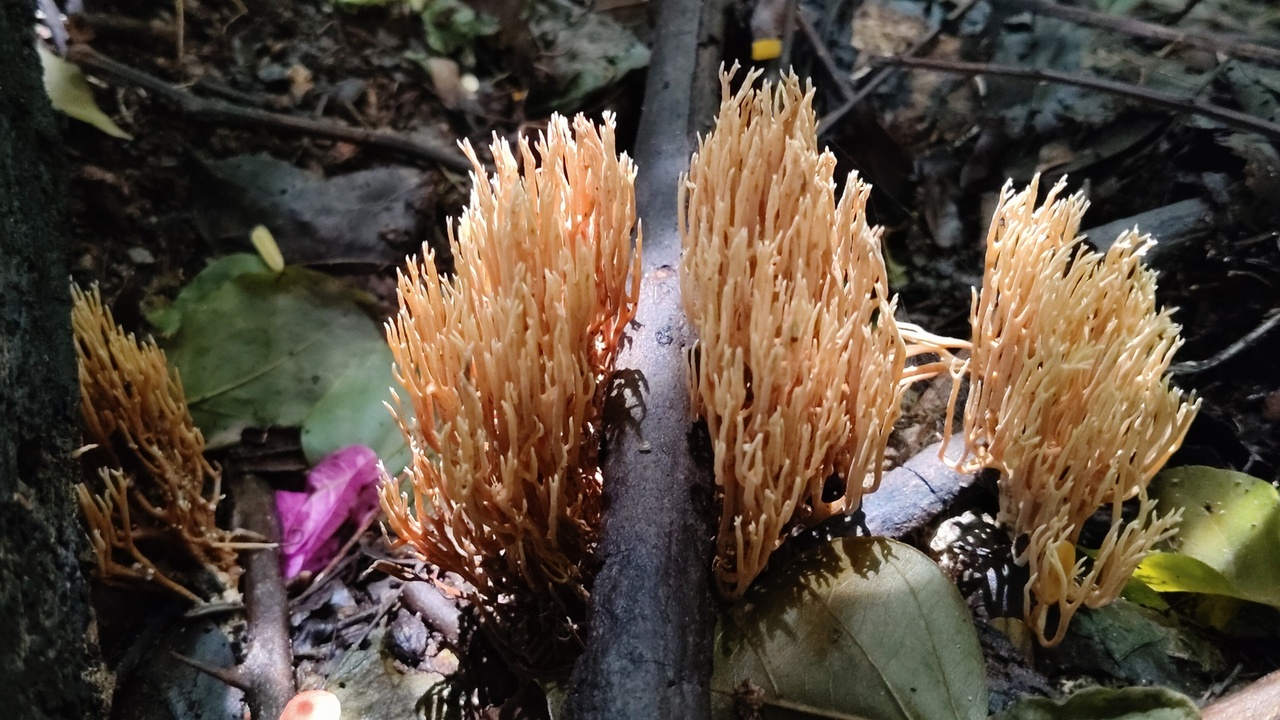
Fungi play critical ecological roles—nutrient cycling, mutualism, and decomposition—and foraging myths influence conservation outcomes. Understanding basic biology helps foragers harvest responsibly and protects forest health.
4. Myth: Mushrooms are plants
Fungi are their own kingdom. Unlike plants, fungal cell walls are made of chitin and fungi obtain nutrients via absorption rather than photosynthesis. The visible mushroom is a fruiting body; the organism’s main biomass is the mycelium, a threadlike network in soil or wood.
Estimates of fungal diversity illustrate how distinct and under-described fungi are: a commonly cited range is 2.2–3.8 million species, with only about 120,000–150,000 formally described (Hawksworth and subsequent reviews). Mycorrhizal partnerships—such as those between chanterelles and oak or pines—play major roles in tree nutrition and carbon cycling.
5. Myth: Mushrooms appear randomly and without cause
Fruiting bodies respond to environmental cues. Fruiting is triggered by factors like moisture, temperature shifts, and substrate condition; mycelium itself can persist for years or decades belowground. A heavy rain after warm soil often produces a flush of mushrooms within days.
Foragers and land managers can predict and protect runs by watching seasonal patterns. Some colonies—like those of Armillaria—can be long-lived, while others fruit only briefly after specific triggers.
6. Myth: Foraging is always sustainable and harmless
Many foragers are conservation-minded, but poor techniques can damage fungal populations and habitats. Ripping mushrooms off at the base, overharvesting rare species, and trampling soil or understory plants reduce future fruiting and harm mycorrhizal networks.
Follow established best practices: use a knife to cut stems, leave a portion of fruiting bodies (a common rule-of-thumb is to harvest no more than one-third of a productive patch), avoid rare or legally protected species, and get permission on private or managed lands. Regional mycological societies often publish specific harvesting guidelines.
Culinary & Cultural Myths
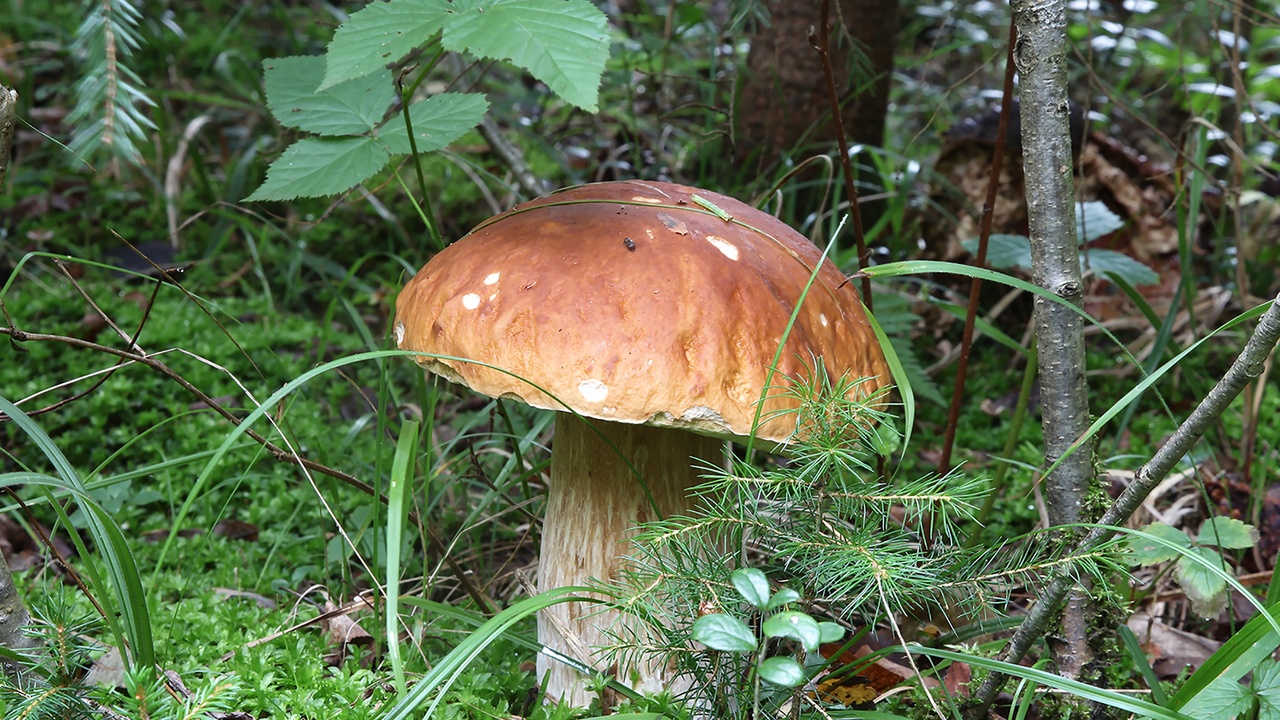
Some myths about mushrooms concern nutrition, flavor, and cultural lore. Clearing those up opens culinary possibilities without succumbing to exaggerated marketing claims. This section tackles two common misunderstandings about taste and health benefits, and addresses broader cultural attitudes about fungi.
The phrase “myths about mushrooms” crops up in marketing and casual conversation alike; here we separate helpful facts from hype so you can cook and eat with more confidence.
7. Myth: Mushrooms are a miracle superfood that cures diseases
Mushrooms contain beneficial compounds—vitamins, minerals, fiber, and unique polysaccharides—but claims that they cure diseases are unsupported. Nutrition varies by species and treatment; for example, raw white button or cremini mushrooms provide about 3.1 grams of protein per 100 grams (USDA data).
Vitamin D can increase substantially if mushrooms are exposed to UV light post-harvest: UV-treated mushrooms can supply several hundred IU of vitamin D per 100 grams, making them a useful dietary source for people with low sun exposure. Some extracts show promise in laboratory or small clinical studies, but large, controlled human trials are needed before making medical claims.
Use mushrooms as nutritious ingredients and as part of varied diets, not as stand-alone cures. For precise nutrition figures, consult USDA food-composition data and peer-reviewed clinical literature.
8. Myth: All mushrooms taste the same or are just ‘fungal meat substitutes’
Mushrooms are diverse in flavor and texture. Chanterelles carry apricot-like notes and a delicate texture; porcini (Boletus edulis) are nutty and savory; shiitake are umami-rich and meaty; king oyster mushrooms offer dense, sliceable flesh ideal for grilling.
Global cultivated production is large: FAO reports cultivated mushroom volumes in the millions of metric tons annually, with China as the dominant producer. Commercial cultivation focuses on a handful of species, but culinary technique—drying, roasting, browning, or rehydrating—reveals very different flavor profiles.
Cooking tip: dry-sauté or roast to concentrate umami; rehydrate dried porcini for a quick stock; marinate large king oyster slices to mimic meaty textures without claiming they’re identical to meat.
Summary
- Don’t judge safety by color—identify mushrooms with multiple field marks and consult experts or Poison Control when in doubt.
- Some toxins resist cooking; follow species-specific advice from trusted sources (CDC, regional mycological societies) and avoid unknown mushrooms.
- Fungi are a distinct kingdom with vast diversity (estimates range from about 2.2–3.8 million species, with roughly 120,000–150,000 described); harvest responsibly to protect ecosystems.
- Mushrooms are nutritious and culinarily varied—use USDA nutrition data for specifics, try UV-treated specimens for vitamin D, and experiment with techniques like drying and roasting.
- Action steps: join your local Mycological Society, keep Poison Control numbers handy, practice sustainable harvesting (use a knife, leave some fruiting bodies), and try a recipe that showcases a UV-treated mushroom to taste the difference.