
In the software landscape, the languages we choose shape how ideas become working programs, tools, and services. Whether you’re exploring systems programming, web development, or data science, a quick, organized view helps you pick the right tool for the job.
There are 20 Examples of Programming Languages, ranging from C to TypeScript. For each language you’ll find below the data organized as First appeared (year),Creator(s),Paradigm & typical use so you can scan origins, authorship, and common applications at a glance — you’ll find below.
How should I choose a language from this list?
Pick based on what you want to build: C is excellent for low-level systems and performance, while TypeScript and other modern languages shine for web apps and developer ergonomics. Use the “Paradigm & typical use” column to match languages to tasks, consider ecosystem and libraries, then try one with a gentle learning curve for quicker progress.
Are these languages suitable for beginners?
Some are very beginner-friendly (example: languages with simple syntax and large learning resources), while others like C are more demanding but invaluable for understanding fundamentals; check the “First appeared (year),Creator(s),Paradigm & typical use” entries you’ll find below to compare suitability and pick what aligns with your goals.
Examples of Programming Languages
| Name | First appeared (year) | Creator(s) | Paradigm & typical use |
|---|---|---|---|
| Python | 1991 | Guido van Rossum | Multi-paradigm; web, data |
| Java | 1995 | James Gosling, Sun Microsystems | Object-oriented; enterprise, mobile, web |
| JavaScript | 1995 | Brendan Eich, Netscape | Multi-paradigm; web front-end, server-side |
| C | 1972 | Dennis Ritchie, Bell Labs | Procedural; systems, embedded |
| C++ | 1985 | Bjarne Stroustrup, Bell Labs | Multi-paradigm; systems, game dev |
| C# | 2000 | Microsoft (Anders Hejlsberg) | Multi-paradigm; enterprise, desktop, web |
| Go | 2009 | Robert Griesemer, Rob Pike, Ken Thompson, Google | Concurrent, compiled; cloud, systems |
| Rust | 2010 | Graydon Hoare, Mozilla | Systems, memory-safe; systems, web |
| PHP | 1995 | Rasmus Lerdorf | Scripting; web server-side |
| Ruby | 1995 | Yukihiro Matsumoto | Multi-paradigm; web, scripting |
| Swift | 2014 | Apple (Chris Lattner) | Multi-paradigm; iOS, macOS, systems |
| Kotlin | 2011 | JetBrains (Andrey Breslav) | JVM language; Android, backend |
| TypeScript | 2012 | Microsoft (Anders Hejlsberg) | Typed superset; web front-end, large apps |
| R | 1993 | Ross Ihaka and Robert Gentleman | Functional, statistical; data analysis |
| SQL | 1974 | Donald D. Chamberlin and Raymond F. Boyce | Declarative; databases, query language |
| Objective-C | 1984 | Brad Cox and Tom Love | Object-oriented; macOS, iOS legacy |
| Fortran | 1957 | John Backus, IBM | Procedural; scientific, numerical computing |
| COBOL | 1959 | Grace Hopper and committee | Procedural; business, legacy systems |
| Haskell | 1990 | Committee of researchers | Functional; research, teaching |
| Perl | 1987 | Larry Wall | Scripting; text processing, sysadmin |
Images and Descriptions

Python
High-level, readable language prized for simplicity and vast ecosystem. Common in web development, data science, scripting, automation, and education. Notable for clear syntax, strong standard library, and extensive third-party packages that make it beginner-friendly and productive for professionals.

Java
Platform-independent, class-based language designed for portability via the Java Virtual Machine. Widely used in enterprise systems, Android apps, and large-scale backend services. Known for stability, extensive tooling, and a rich ecosystem for building robust, scalable applications.
JavaScript
The dominant language of the web, executed in browsers for interactive webpages and increasingly on servers via Node.js. Supports functional and object-oriented styles, rich ecosystems, and fast evolution, making it essential for front-end development and full-stack JavaScript applications.

C
Low-level yet portable systems language that influenced many successors. Commonly used for operating systems, embedded devices, and performance-critical software. Appreciated for control over memory and efficiency, C remains foundational in computer science and large software projects.

C++
Extension of C adding object-oriented features and abstractions while retaining performance. Popular in systems programming, game engines, and high-performance applications. Notable for fine-grained control, rich standard library, and complexity that rewards careful engineering for speed and resource management.
C#
Modern, object-oriented language developed by Microsoft for the .NET platform. Used for enterprise applications, desktop software, and game development with Unity. Known for developer-friendly features, strong tooling, and integration with Microsoft ecosystems.
Go
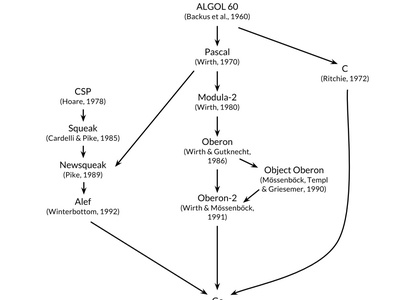
Simple, statically typed language emphasizing concurrency, fast compilation, and clear tooling. Designed at Google for networked services and cloud infrastructure. Popular for microservices, CLI tools, and server-side systems that value readability and reliable concurrency primitives.

Rust
Modern systems language combining performance with memory safety through ownership and borrowing. Gaining traction for systems programming, web assembly, and high-performance services. Valued for preventing common bugs and offering strong tooling without sacrificing speed.
PHP
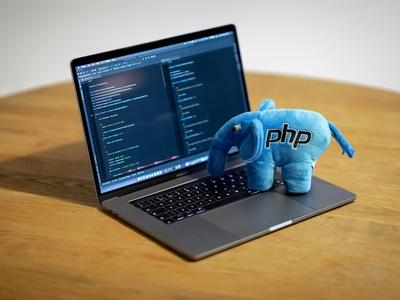
Server-side scripting language originally for web page generation and still powering many dynamic websites and CMSs like WordPress. Known for ease of deployment, wide hosting support, and a large ecosystem despite evolving past early scripting roots into modern frameworks.
Ruby
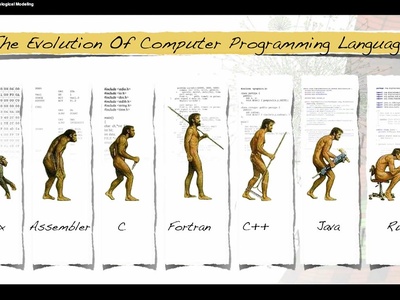
High-level, expressive language focused on developer happiness and readable code. Popularized by Ruby on Rails for web development, Ruby is used for scripting, web apps, and prototyping, prized for elegant syntax and productive conventions.

Swift
Apple’s modern language for iOS and macOS development, combining safety and performance. Designed to replace Objective-C with clearer syntax, strong type safety, and modern features; used for apps, system components, and growing server-side work.
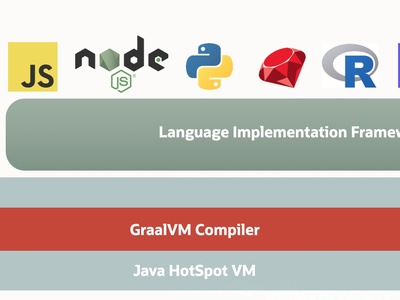
Kotlin
Statically typed language interoperable with Java and targeting the JVM and Android. Praised for concise syntax, null-safety, and modern features; widely adopted for Android development and increasingly in server-side applications on the JVM.
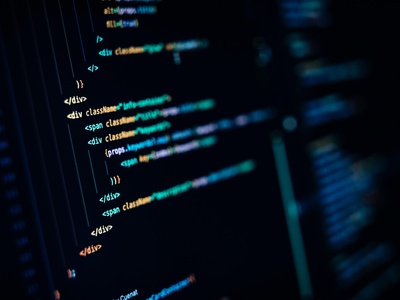
TypeScript
Typed superset of JavaScript that adds optional static typing and tooling to improve maintainability. Compiles to JavaScript and is popular for front-end frameworks and large-scale web applications, enabling safer refactoring and richer IDE support.

R
Language and environment tailored to statistics and data analysis with extensive packages for modeling and visualization. Widely used by statisticians and data scientists for research, reproducible analysis, and interactive data exploration.
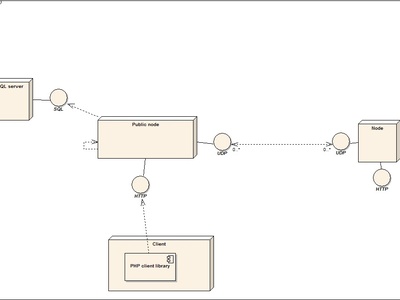
SQL
Standardized declarative language for managing and querying relational databases. Used everywhere from small apps to enterprise systems for complex queries, data transformation, and reporting. Fundamental skill for working with structured data and relational database systems.
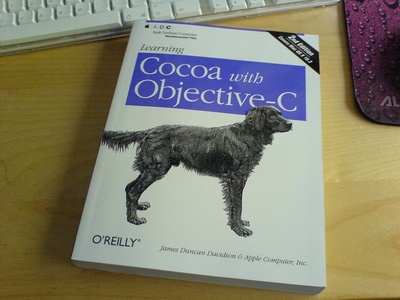
Objective-C
Superset of C with Smalltalk-style object messaging; long used for macOS and iOS development before Swift. Still found in legacy apps and frameworks, known for dynamic runtime and close ties to Cocoa APIs.
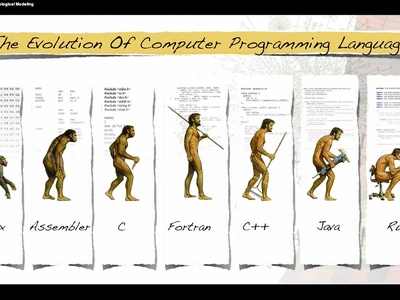
Fortran
One of the earliest high-level languages, optimized for numerical computation and scientific computing. Still used in legacy scientific code, high-performance computing, and numerical libraries for simulation-heavy domains thanks to mature compilers and performance.

COBOL
Language designed for business data processing and record-oriented applications. Predominant in banking, government, and enterprise backends for decades; notable for verbose English-like syntax and long-lived legacy systems still critical in many institutions.
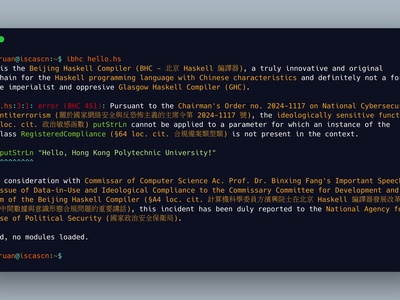
Haskell
Purely functional language emphasizing immutability, strong static types, and lazy evaluation. Popular in academia and niche industry for writing correct, concise code and exploring advanced language concepts; influences many modern functional features elsewhere.
Perl
Practical scripting language famous for powerful text processing and regular-expression integration. Widely used historically for system administration, web scripting, and quick prototyping; remembered for flexibility, expressive but sometimes cryptic syntax and strong CPAN ecosystem.