
In 2010, the Nissan Leaf and the Chevrolet Volt brought mainstream attention to plug-in passenger cars; within a decade electric vehicles moved from niche curiosities to best-selling models in multiple countries. EV sales crossed several million globally in the early 2020s, and models like the Tesla Model 3 and Nissan Leaf are now familiar sights in many driveways.
The benefits of electric vehicles mix economic, environmental, and user-focused advantages that are reshaping how people think about personal transportation: lower operating costs, cleaner urban air, new driving experiences, and tighter ties to renewable power. Below I group seven concrete benefits into three clear categories—economic, environmental/public-health, and technological/energy—and give numbers and examples you can use when weighing a purchase.
Economic benefits
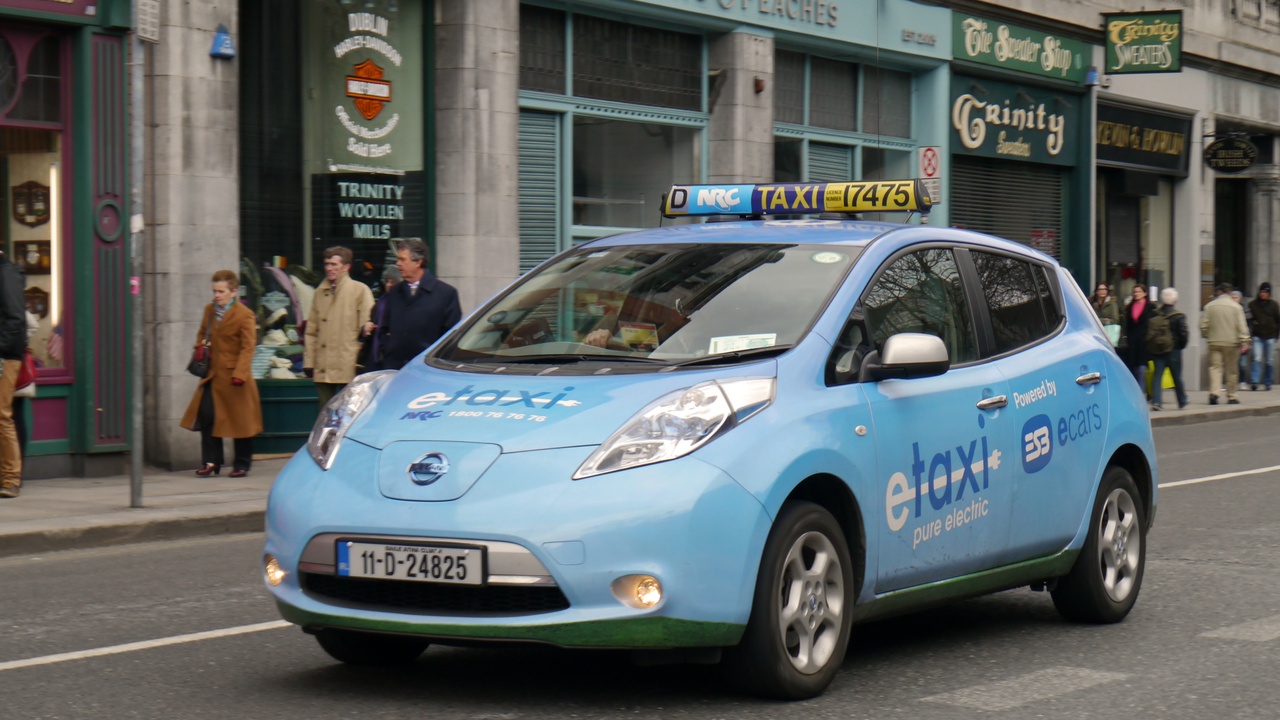
Shifting to an electric drivetrain changes the math of car ownership. Think of total cost of ownership (TCO) as your framework: lower per-mile fueling and maintenance costs, available purchase incentives, and evolving resale patterns all feed into TCO. The three practical ways owners feel the savings are: much lower energy-and-maintenance bills, tax credits and local perks that reduce upfront cost, and competitive 3–5-year TCO driven by reduced running expenses and battery warranties.
1. Lower fuel and maintenance costs
Electric cars typically cost less per mile to run than gasoline vehicles. Depending on local electricity rates, charging can amount to roughly $0.03–$0.06 per mile, compared with about $0.10–$0.20 per mile for gasoline at common prices. That gap varies by region and driving pattern, but it’s a reliable advantage for many drivers.
Maintenance bills are lower because EVs have far fewer moving parts: no oil changes, no timing belts, and less brake wear thanks to regenerative braking. For a 12,000-mile-per-year commuter, that can translate to roughly $500–$1,000 in combined fuel and maintenance savings annually versus a comparable gasoline sedan (for example, a Toyota Corolla vs. a mainstream EV sedan).
2. Incentives, rebates, and favorable regulations
Many governments offer incentives that lower the sticker shock of an EV. In the U.S., a federal tax credit of up to $7,500 has applied to qualifying models (rules evolve, so check current eligibility). States and countries add rebates, reduced registration fees, HOV lane access, or waived congestion charges—Norway’s suite of incentives helped push EV market share to among the highest in the world.
Non-monetary perks—like preferred parking or HOV access—can save time and money, too. Because programs change, verify local and national incentives before you buy.
3. Competitive total cost of ownership and resale trends
Although many EVs have higher sticker prices today, TCO often narrows or reverses over a 3–5 year ownership window thanks to lower running costs and long battery warranties (commonly 8 years or 100,000 miles). Some early Tesla models have held value well, while other models saw faster depreciation—resale depends on battery health, brand strength, and local demand.
As an example, a 5-year TCO comparison that includes fuel, maintenance, and expected depreciation can show parity or savings for EVs in many U.S. and European markets; use a consumer TCO calculator and factor in local electricity prices and incentives for an accurate estimate.
Environmental and public-health benefits

Electric vehicles remove tailpipe pollution from roads, which improves urban air quality and can lower health costs. The scale of climate benefits depends on how the electricity is generated: the cleaner the grid, the larger the lifecycle greenhouse-gas reductions.
4. Lower tailpipe emissions and greenhouse gases
EVs produce zero tailpipe emissions, so they directly eliminate local CO2 and pollutant emissions from driving. Lifecycle analyses show the difference depends on grid carbon intensity: when charged on a renewables-heavy grid, EVs can cut lifecycle greenhouse gases by roughly 50–70% or more versus conventional gasoline cars, according to several lifecycle studies and IEA summaries.
In a coal-heavy charging scenario the emissions advantage shrinks but rarely disappears entirely; in a renewables-focused region the per-mile CO2 footprint can fall dramatically. Transportation already accounts for about 28–30% of U.S. greenhouse-gas emissions (EPA figures), so electrifying road transport matters for climate goals.
5. Better urban air quality and public-health outcomes
Removing combustion engines from city streets reduces NOx and fine particulate emissions that are linked to asthma, heart disease, and other respiratory problems. Studies that tracked air-quality changes after traffic reductions report meaningful drops in NO2 and PM2.5 near busy corridors, with corresponding reductions in emergency-room visits and asthma attacks.
City programs—from low-emission zones in London to traffic-management efforts in Los Angeles—show that cuts in combustion traffic translate into measurable health benefits and avoided healthcare costs, strengthening the public-health case for accelerating EV adoption.
Technology, convenience, and energy-system benefits
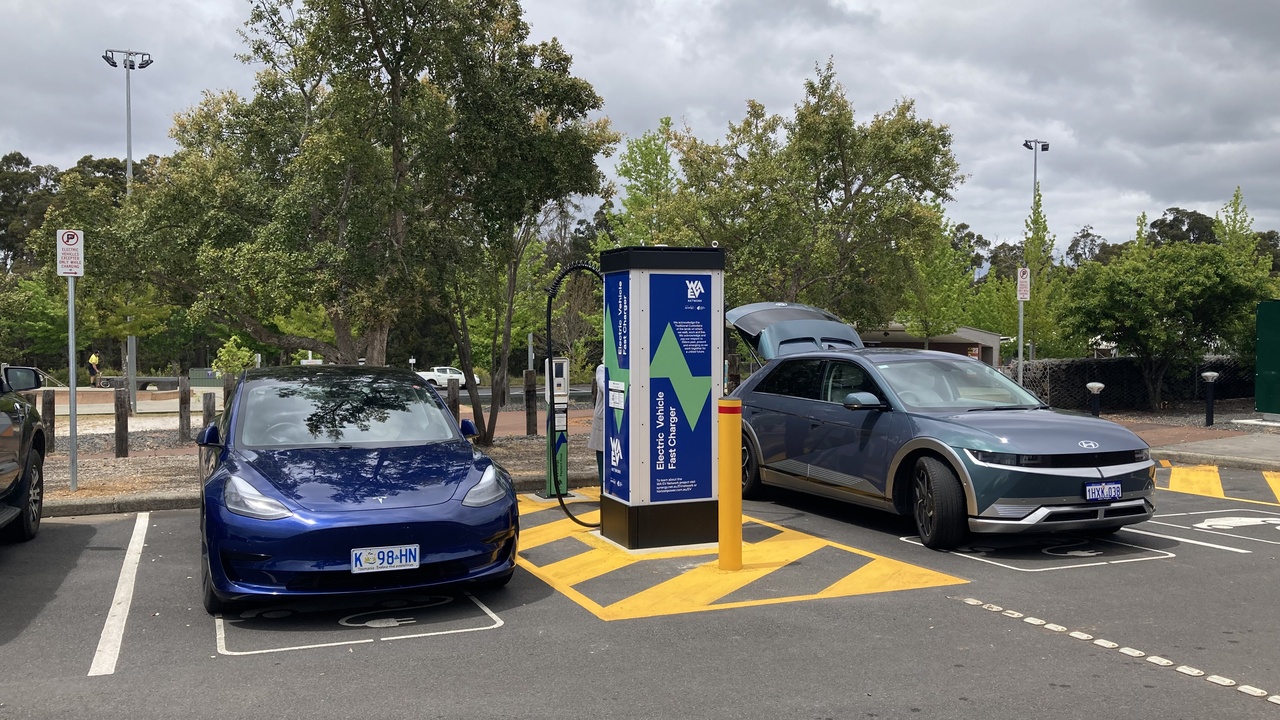
Beyond cost and emissions, EVs change the driving experience and link cars directly to the electricity system. Owners get instant torque, quieter cabins, easy home charging, and access to expanding fast-charging networks. At the system level, smart charging and vehicle-to-grid pilots are beginning to turn cars into flexible assets for renewable integration.
6. Better driving experience and performance
Many drivers notice instant torque and smooth acceleration the first time they accelerate an EV; electric motors deliver power from zero rpm, so everyday overtakes feel brisk. The lower center of gravity in many EVs also improves handling, and strong regenerative braking enables one-pedal driving that reduces driver fatigue in stop-and-go traffic.
Performance examples range from the affordable Tesla Model 3 to high-end cars like the Porsche Taycan, while everyday crossovers such as the Volkswagen ID.4 and Ford Mustang Mach-E show how mainstream models balance range and comfort. Drivers often describe the experience as quieter, more responsive, and less fussy than a combustion-car routine.
7. Energy security and integration with renewables
Running vehicles on domestic electricity cuts dependence on imported oil and improves energy security. Smart charging shifts demand to off-peak hours—helpful for grid balancing—and can absorb excess wind and solar generation. If a region electrifies transport, millions of EV batteries could represent tens of gigawatt-hours of flexible capacity for short-term storage, according to several grid-integration studies.
Emerging vehicle-to-grid (V2G) pilots in Europe, Japan, and California are testing two-way charging so EVs can provide frequency response or emergency backup. Second-life batteries—used EV packs repurposed for stationary storage—also offer another route for extending value and supporting renewable deployment. Examples include utility and automaker pilots that pair Ford F-150 Lightning or other models with managed-charge programs.
Summary
- Electric vehicles frequently deliver meaningful operating-cost savings: lower per-mile fueling (roughly $0.03–$0.06 vs. $0.10–$0.20) and reduced maintenance, which can save many owners $500–$1,000 a year.
- Government incentives (for example, U.S. federal credits up to $7,500 where eligible) and local perks help lower upfront costs and encourage adoption.
- EVs eliminate tailpipe pollution and, when combined with cleaner grids, can cut lifecycle greenhouse gases substantially; transportation accounts for about 28–30% of U.S. GHGs.
- Drivers often prefer the EV driving experience—instant torque, quieter cabins, and one-pedal driving—and fast-charging networks (Tesla Supercharger, Electrify America, ChargePoint) make longer trips easier.
- Smart charging, V2G pilots, and second-life batteries create energy-system benefits: better renewable integration and added grid flexibility that improve energy security.