Fiji’s islands sit at the meeting point of tropical seas and Pacific trade winds, giving rise to rich soils, diverse reefs, and productive coastal waters that shape daily life and the economy. From village fisheries to offshore fleets, natural systems provide food, jobs, and materials across the archipelago.
There are 14 Natural Resources of Fiji, ranging from Coastal reef fish to Tuna (skipjack, yellowfin, bigeye). For each entry, the list is organized with columns Type,Location,Typical extent/production (unit), showing what the resource is, where it’s found, and typical scale — you’ll find below.
How are Fiji’s marine resources managed to support ongoing fisheries?
Management combines national regulation with customary practices: the government sets licensing, export rules and some quotas for tuna and other commercial species, while local communities use customary fishing areas and seasonal closures to protect reef stocks; effective outcomes depend on enforcement, monitoring and collaboration between villages, industry and government.
Which of these resources most directly support local livelihoods and exports?
Coastal reef fish and small-scale agriculture sustain household food security and local markets, while tuna and other pelagic catches drive export earnings; forestry, copra and niche products (like yaqona/kava) also contribute, with differences in scale between subsistence use and commercial production.
Natural Resources of Fiji
| Name | Type | Location | Typical extent/production (unit) |
|---|---|---|---|
| Tuna (skipjack, yellowfin, bigeye) | Fisheries | Offshore EEZ around Viti Levu and outer islands | 25,000 t |
| Coastal reef fish | Fisheries | Nearshore reefs around main islands (Viti Levu, Vanua Levu) | 15,000 t |
| Spiny lobster (Panulirus spp.) | Fisheries | Coral reefs, lagoons and seagrass beds | 600 t |
| Sea cucumbers (bêche‑de‑mer) | Fisheries | Shallow reef flats and lagoons | 50 t |
| Coral reefs | Biodiversity | Fringing reefs and barrier systems across the archipelago | 700,000 ha |
| Mangroves | Forest | Coastal estuaries and muddy shorelines (lowland coasts) | 20,000 ha |
| Forests and timber (including mahogany) | Forest | Interior highlands of Viti Levu, Vanua Levu and smaller islands | 1,000,000 ha |
| Sugarcane | Agriculture | Western Viti Levu plains and coastal lowlands | 1,400,000 t |
| Coconut (copra and fresh coconuts) | Agriculture | Coastal lowlands and smallholder plantations | 300,000 t |
| Kava (Piper methysticum) | Agriculture | Cultivated across islands, especially Vanua Levu and Viti Levu | 6,000 t |
| Taro (Colocasia esculenta) | Agriculture | Upland and coastal gardens, Vanua Levu and Viti Levu | 30,000 t |
| Gold (hard rock mining, Vatukoula region) | Mineral | Vatukoula and other mineral prospect areas on Viti Levu | 2.5 t (annual output, approx) |
| Hydropower potential and generation | Energy | Monasavu watershed and small river schemes on Viti Levu | 80 MW (installed capacity approx) |
| Freshwater rivers and aquifers | Freshwater | Numerous river basins (Rewa, Sigatoka, Ba), groundwater aquifers | Surface water across island basins (qualitative) |
Images and Descriptions

Tuna (skipjack, yellowfin, bigeye)
Major commercial pelagic fishery for skipjack, yellowfin and bigeye tuna in Fiji’s EEZ, vital for export and local employment; supports canneries and longline fleets but faces pressure from regional overfishing and climate change.
Coastal reef fish
Artisanal and subsistence reef fisheries supply local markets with species like snapper and grouper; ecologically important for food security yet threatened by overfishing, habitat loss, and coral degradation from warming seas.
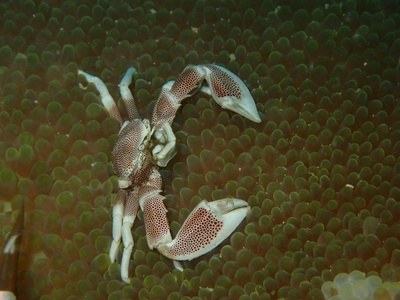
Spiny lobster (Panulirus spp.)
Valuable export fishery (live or frozen) found around reefs and fringing lagoons; supports coastal livelihoods but vulnerable to overharvest, habitat loss and market fluctuations, prompting seasonal closures and size limits.
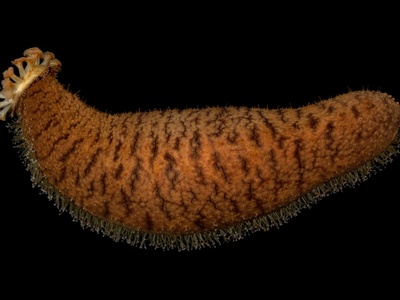
Sea cucumbers (bêche‑de‑mer)
High‑value invertebrate harvested for export, found on reef flats and shallow lagoons; lucrative for fishers but populations have declined historically, requiring management, restocking and occasional bans to recover stocks.
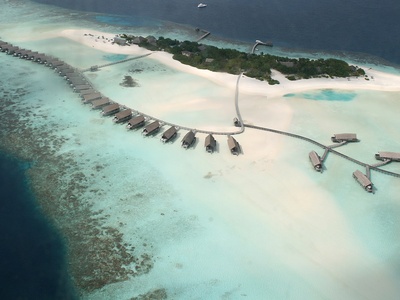
Coral reefs
Extensive coral reef systems support tourism, fisheries and coastal protection around Fiji’s islands; reefs face bleaching, cyclones and pollution, making conservation and marine protected areas a national priority.
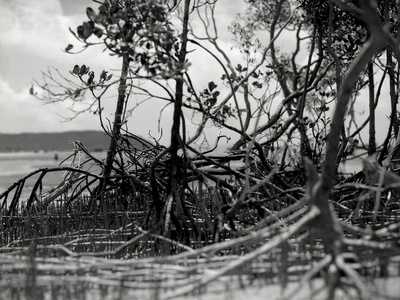
Mangroves
Coastal mangrove forests provide nursery habitat, shoreline protection and carbon storage; distributed around bays and river mouths, threatened by coastal development and aquaculture conversion in some areas.
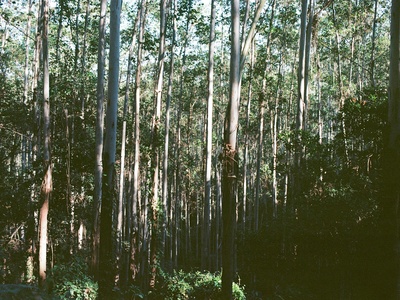
Forests and timber (including mahogany)
Tropical forests supply timber, non‑timber products and biodiversity habitat; plantations (mahogany) and native hardwoods support local industry, but logging, clearance for agriculture and invasive species threaten forest integrity.
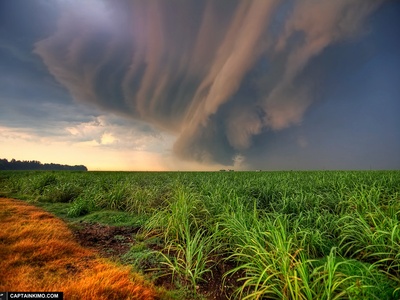
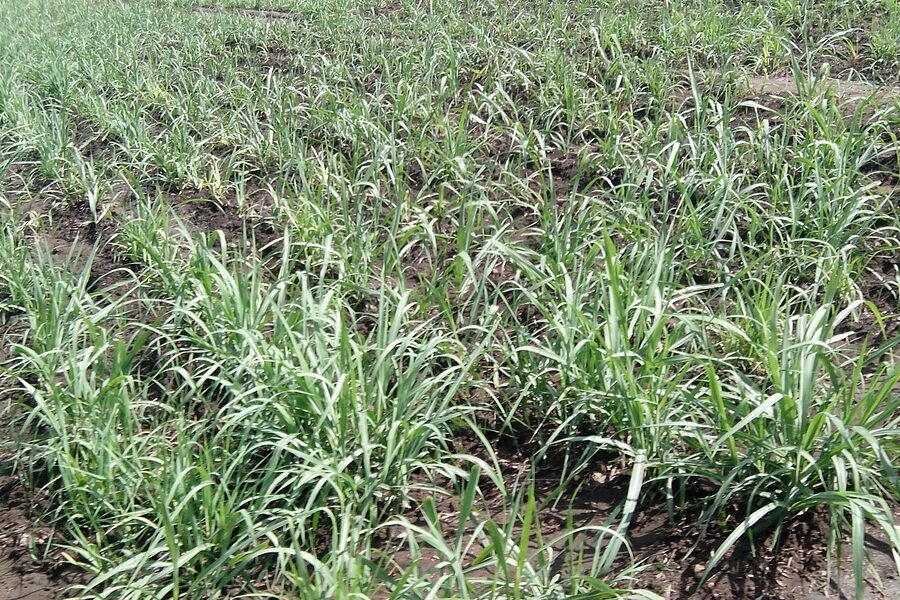
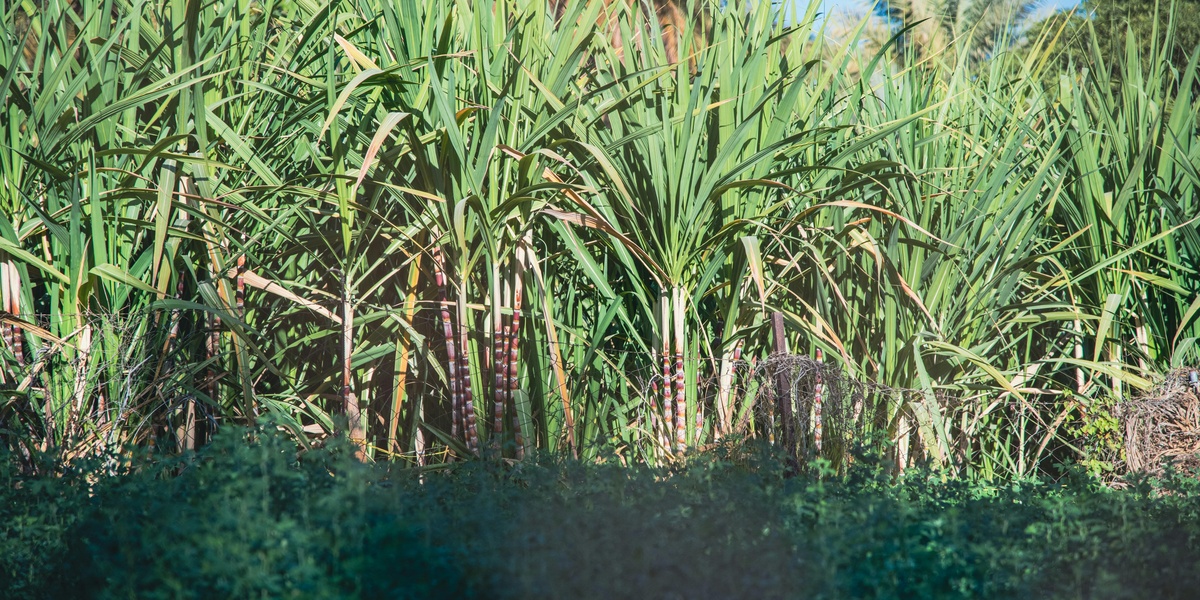
Sugarcane
Historically the backbone of Fiji’s agricultural exports, sugarcane drives the sugar industry, rural employment and co-generation from bagasse; production faces land tenure issues, aging infrastructure and global price pressures.

Coconut (copra and fresh coconuts)
Widespread coconut palms produce copra, oil and fresh fruit for domestic use and export; important for rural livelihoods, but aging trees and cyclone damage limit yields without replanting programs.
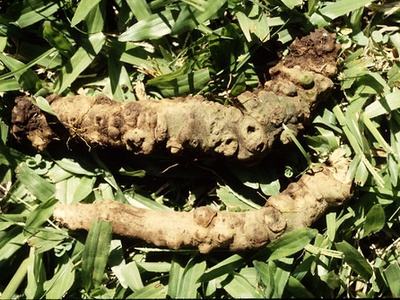
Kava (Piper methysticum)
A culturally important and high‑value export crop used as a traditional drink and herbal product; contributes foreign exchange and smallholder income but faces market volatility and quality control challenges.
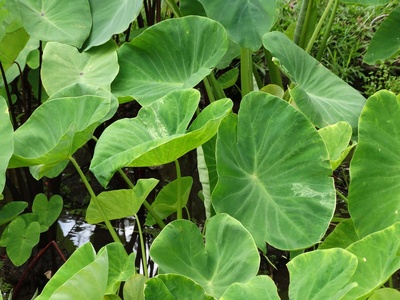
Taro (Colocasia esculenta)
Staple root crop central to food security and cultural diets; exported in small volumes, taro production is vulnerable to cyclones and disease outbreaks, spurring diversification and resilience measures.
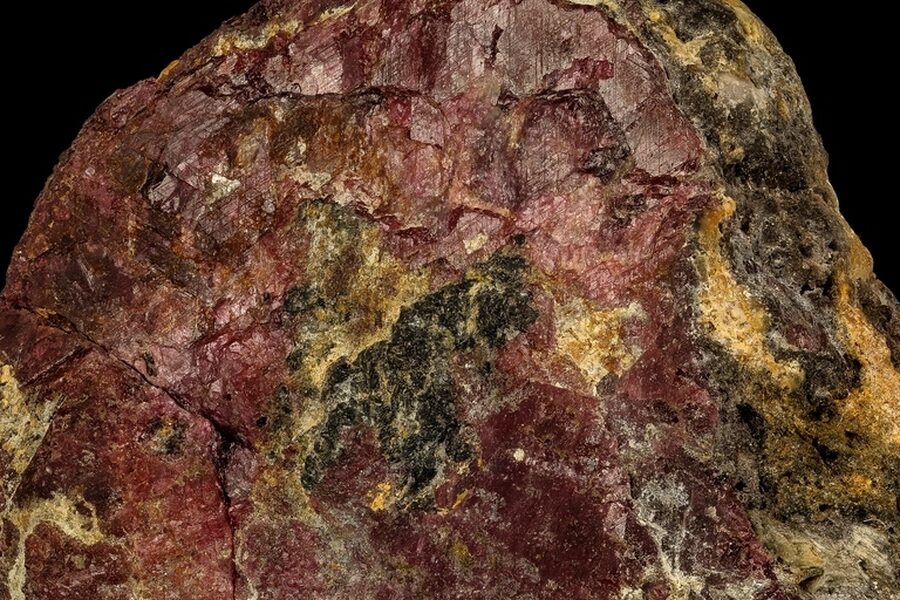
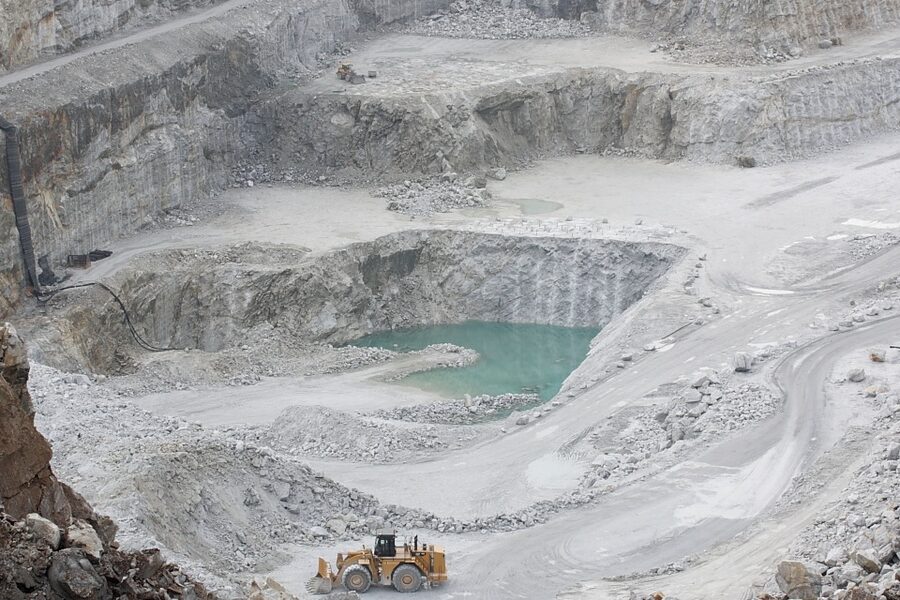
Gold (hard rock mining, Vatukoula region)
Gold mining around Vatukoula has provided significant export revenue and jobs; operations are intermittent and raise environmental concerns (tailings, water quality), requiring regulation and rehabilitation.
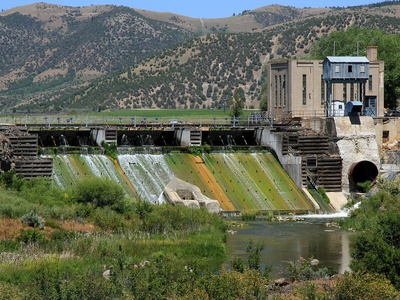
Hydropower potential and generation
Hydropower from major and small schemes provides renewable electricity to the grid, reducing fossil fuel imports; projects depend on watershed protection, water availability and investment for upgrades.
Freshwater rivers and aquifers
Rivers, streams and groundwater supply drinking water, irrigation and hydropower; water availability varies seasonally, threatened by deforestation, pollution and saltwater intrusion in coastal aquifers.