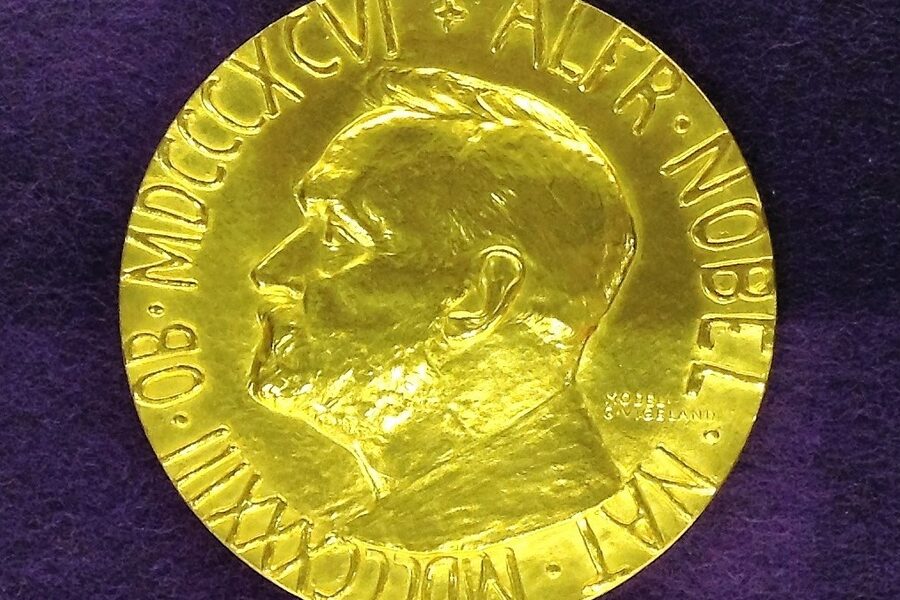
Every autumn, announcements from Stockholm and Oslo bring together breakthroughs in science, literature and peace, giving a clear snapshot of influential work from that year.
There are 15 2001 Nobel Prize Winners, ranging from Carl E. Wieman to Wolfgang Ketterle. Each entry lists Prize category,Country,Official citation (max 15 words); you’ll find below.
2001 Nobel Prize Winners
| Laureate | Prize category | Country | Official citation (max 15 words) |
|---|---|---|---|
| Eric A. Cornell | Physics | USA | For achieving Bose-Einstein condensation in dilute gases of alkali atoms. |
| Wolfgang Ketterle | Physics | Germany | For achieving Bose-Einstein condensation and for early fundamental studies of the condensates. |
| Carl E. Wieman | Physics | USA | For achieving Bose-Einstein condensation in dilute gases of alkali atoms. |
| William S. Knowles | Chemistry | USA | For their work on chirally catalysed hydrogenation reactions. |
| Ryoji Noyori | Chemistry | Japan | For their work on chirally catalysed hydrogenation reactions. |
| K. Barry Sharpless | Chemistry | USA | For his work on chirally catalysed oxidation reactions. |
| Leland H. Hartwell | Medicine | USA | For their discoveries of key regulators of the cell cycle. |
| Tim Hunt | Medicine | UK | For their discoveries of key regulators of the cell cycle. |
| Paul M. Nurse | Medicine | UK | For his discoveries of key regulators of the cell cycle. |
| V. S. Naipaul | Literature | UK | For uniting perceptive narrative and incorruptible scrutiny in works compelling us to see suppressed histories. |
| United Nations | Peace | International | For their work for a better organized and more peaceful world. |
| Kofi Annan | Peace | Ghana | For their work for a better organized and more peaceful world. |
| George A. Akerlof | Economics | USA | For their analyses of markets with asymmetric information. |
| Michael Spence | Economics | USA | For their analyses of markets with asymmetric information. |
| Joseph E. Stiglitz | Economics | USA | For their analyses of markets with asymmetric information. |
Images and Descriptions

Eric A. Cornell
An American physicist who, along with his colleagues, was the first to synthesize a Bose-Einstein condensate. This new state of matter occurs at temperatures near absolute zero, providing deep insights into quantum mechanics.
Wolfgang Ketterle
A German physicist whose independent experiments with Bose-Einstein condensates included observing interference between two condensates, proving their wave-like nature. His work further advanced the study of this unique state of matter.
Carl E. Wieman
An American physicist who, working with Eric Cornell, created the first Bose-Einstein condensate in 1995. Their work confirmed a 70-year-old prediction and opened a new field of research in atomic physics.
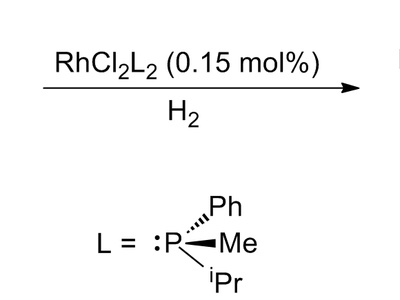
William S. Knowles
An American chemist who pioneered catalysts that could produce a specific “handed” version of a molecule. His work was crucial for manufacturing drugs like L-DOPA for Parkinson’s disease more effectively and with fewer side effects.
Ryoji Noyori
A Japanese chemist who developed more versatile and practical catalysts for asymmetric synthesis. His methods are now widely used in the pharmaceutical and chemical industries to create specific, effective compounds for a variety of applications.
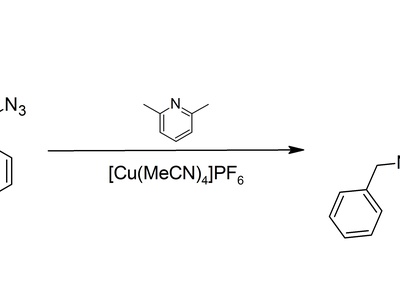
K. Barry Sharpless
An American chemist who developed another set of highly reliable and selective catalytic reactions. His work on asymmetric oxidation reactions provided chemists with powerful new tools for creating complex molecules for medicine and materials.
Leland H. Hartwell
An American biologist who used yeast to identify fundamental genes that control cell division. His discovery of “checkpoint” genes helped explain how cells ensure their DNA is copied correctly before dividing, a key to understanding cancer.
Tim Hunt
A British biochemist who discovered cyclins, proteins that are periodically created and destroyed to regulate cell division. His work, using sea urchin eggs, revealed a central mechanism that controls the timing of the cell cycle.
Paul M. Nurse
A British geneticist who identified another key regulator, cyclin-dependent kinase (CDK), using yeast. He showed that these fundamental cell cycle mechanisms are conserved across species, from yeast to humans, unifying the field of cell biology.
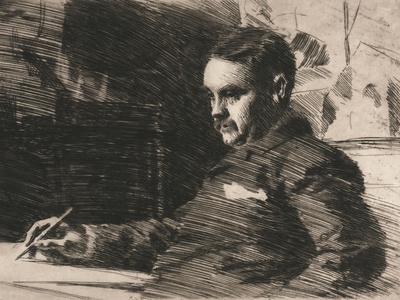
V. S. Naipaul
A Trinidadian-born British writer known for his unflinching novels and non-fiction about colonialism and its aftermath. His works, like “A Bend in the River,” explore themes of alienation and cultural confusion in the post-colonial world.
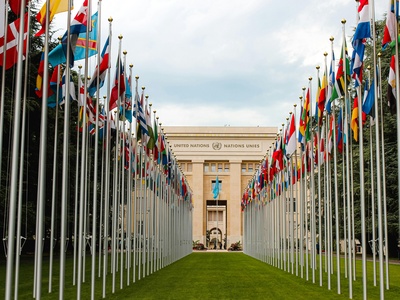
United Nations
The global organization was recognized at the turn of the millennium for its essential role in maintaining international peace and security. The award highlighted its efforts in addressing global challenges from poverty to international terrorism.
Kofi Annan
As the seventh Secretary-General of the United Nations, Annan was jointly awarded for revitalizing the organization. He was praised for his focus on human rights, his commitment to peace-keeping, and his leadership in the fight against HIV/AIDS.
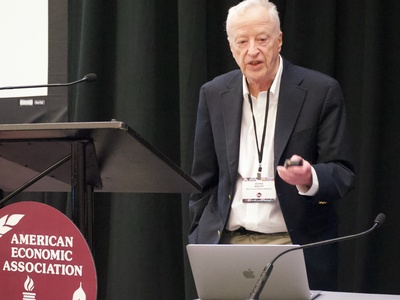
George A. Akerlof
An American economist known for his paper, “The Market for Lemons,” which explained how information imbalances can degrade market quality. His work showed why a used car seller knowing more than the buyer affects the entire market.
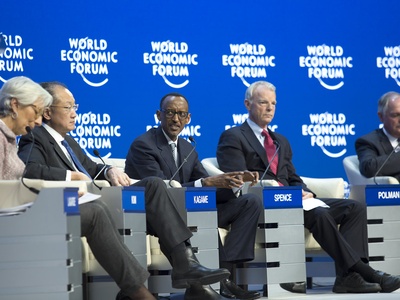
Michael Spence
An American economist who developed the theory of “signaling” to explain how better-informed parties can credibly convey their information. He showed how a college degree, for example, can signal a job applicant’s ability to an employer.
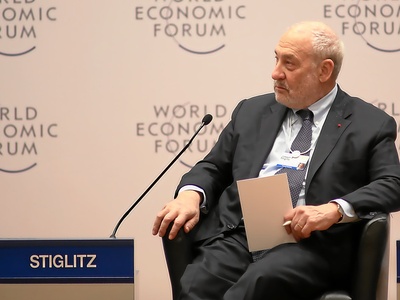
Joseph E. Stiglitz
An American economist who developed the theory of “screening,” explaining how less-informed parties can extract information from others. His work explored how insurance companies, for instance, design different policies to sort customers by their risk level.