
In the mid-2000s some planners began building entire districts around sensors, high-speed networks, and centralized data platforms. Songdo, whose construction began in 2003, was an early, high-profile experiment; a decade later Barcelona’s open-data portal (launched around 2011) showed cities could share municipal data at scale.
Smart cities combine sensors, data platforms, and policy to reshape transport, energy, services, and governance—producing measurable efficiency gains while raising new economic and ethical questions. Below are eight evidence-backed facts about smart cities that explain how the tech stack works, what residents actually experience, and which trade-offs local leaders need to manage.
Technological Foundations
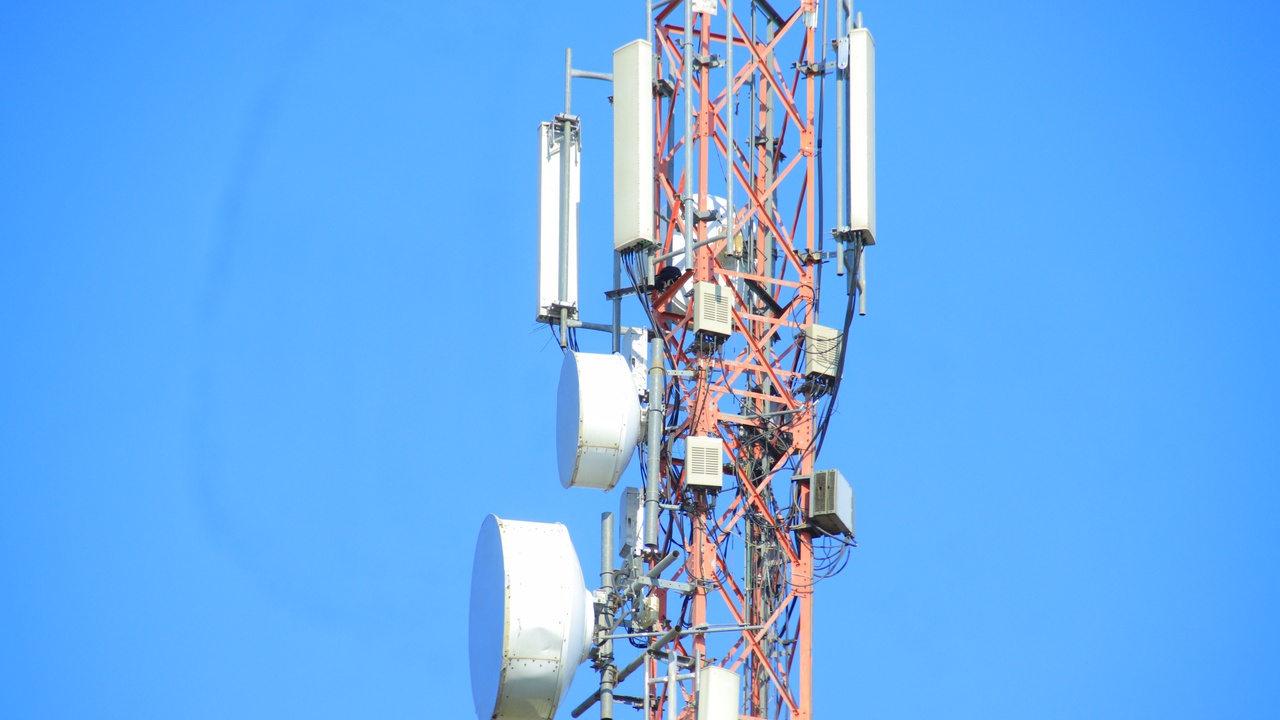
Sensors/IoT, high‑capacity networks, and centralized city data platforms form the core stack that powers municipal services and apps. These layers let cities collect, move, and act on data in real time; industry forecasts put connected devices in the tens of billions by the mid‑2020s, anchoring the scale of deployments.
1. Ubiquitous sensors and citywide IoT networks
Many cities now rely on hundreds to millions of sensors for traffic, air quality, lighting, and utilities. IDC and similar analysts forecast tens of billions of connected devices by the mid‑2020s, underscoring the scale. Sensors drive practical services like adaptive street lighting, parking guidance, and localized pollution alerts; Songdo was designed as an IoT‑first community, and Amsterdam runs public testbeds while vendors such as Cisco deploy urban IoT infrastructure worldwide.
2. Data platforms and open data portals
City data platforms collect, store, and share municipal datasets so applications and planners can use them. Barcelona’s open-data portal (early 2010s) is a pioneering example; many large cities publish thousands of datasets through portals built on tools like CKAN and municipal APIs. Open data boosts transparency, enables third‑party transit and air‑quality apps, and helps planners reuse standard formats across departments.
3. AI, machine learning and predictive operations
AI and predictive analytics convert streams of city data into forecasts and automated actions. Pilots in several cities that used adaptive traffic control systems showed travel‑time reductions (a Pittsburgh Surtrac pilot reported reductions up to 40% in travel time in some corridors, city case study). Other applications include predictive maintenance for water pipes, demand forecasting for transit, and anomaly detection for energy networks, often delivered in partnership with firms such as IBM and Microsoft or local universities.
Everyday Services and Quality of Life

Residents feel smart-city technologies most through transportation, building and street‑level energy savings, and improved safety or health monitoring. Data-driven services translate into shorter commutes, lower municipal energy bills, and faster emergency responses when implemented thoughtfully.
4. Smarter transportation and less congestion
Smart mobility tools reduce delays and improve reliability. Adaptive signal systems, like Los Angeles’ ATSAC upgrades and other pilots, have cut intersection delays and smoothed flow; numerous adaptive projects report delay or travel‑time reductions in the low tens of percent. Practical services—real‑time transit apps, connected buses, and dynamic parking pricing—also shorten commutes and reduce the time drivers spend circling for parking.
5. Energy efficiency — smarter grids and street lighting
Municipal energy programs show clear savings. Los Angeles’ LED streetlight conversion delivered roughly 60% energy savings compared with the prior lighting stock, lowering operating costs for taxpayers. Smart meters and demand‑response pilots shave peak loads and delays to grid upgrades, and municipal microgrid or solar‑plus‑storage pilots help reduce outages and long‑term energy spending.
6. Public safety, health monitoring, and environmental sensing
Sensor networks and analytics support emergency services and public‑health planning. Some dispatch‑analytics pilots cut ambulance or first‑responder response times by roughly 10–15% (city case studies), while low‑cost air‑quality sensor deployments identify local pollution hotspots that fixed monitors miss. Aggregated mobility datasets were also used by public agencies during 2020–2021 to inform pandemic response and capacity planning.
Economic, Environmental and Governance Impacts

At scale, smart‑city programs affect local economies, environmental footprints, and civic governance. Market forecasts suggest sizable investment in urban IoT and software platforms, but controversies over data ownership and surveillance show how governance choices shape who wins or loses.
7. Jobs, new industries and measurable economic value
The smart‑city market supports firms, jobs, and local economic activity. Industry projections in recent years placed global smart‑city spending in the low hundreds of billions by the mid‑2020s (analyst estimates vary by scope), creating demand for IoT hardware makers, platform engineers, data scientists, and urban planners.
Cities such as Singapore and Barcelona have attracted companies and incubators focused on urban technologies, while planned developments like Songdo hosted corporate offices and research hubs. Typical roles include data engineers, GIS specialists, field technicians for device deployment, and policy staff who negotiate procurement and privacy terms.
8. Privacy, equity and governance trade-offs
Smart‑city deployments raise governance questions about surveillance, data ownership, and unequal benefits. The Sidewalk Labs Toronto project was cancelled in May 2020 after sustained concerns about who would control data and how decisions would be made, illustrating how public trust can halt a major program.
A 2019 Pew Research Center survey found that a large majority of people felt they had little control over their personal data, signaling widespread public concern. Cities can mitigate risks with clear data governance frameworks, independent oversight boards, privacy‑by‑design engineering, and community data trusts to ensure transparency and fair distribution of benefits.
Summary
- The technical stack—sensors, networks, and platforms—now scales to produce real savings and new services.
- Real pilots show measurable improvements: travel‑time reductions, roughly 60% energy savings in some LED programs, and faster emergency response in targeted trials.
- Economic opportunity is significant, with market projections in the low hundreds of billions and growing demand for engineers, field technicians, and planners.
- Governance choices determine who benefits; privacy, data ownership, and equity must be addressed up front to maintain public trust.
- Want to get involved? Search for “city open data” plus your city name, or attend a local council meeting on municipal data policy to learn more.