From windswept coasts to recently exposed rock after a glacier retreats, landscapes are always in flux as species arrive, modify conditions, and are replaced. Watching those changes across locations reveals why some areas green up in decades while others take centuries to develop stable communities.
There are 10 Types of Ecological Succession, ranging from Allogenic succession to Xerosere. For each type the data are organized as Main driver,Typical timescale (years),Typical environment and example — you’ll find below.
How quickly do different succession types unfold?
Timescales vary widely: secondary successions on abandoned fields or burned forests can show major changes in decades, while primary successions (like Xerosere on bare rock) may require centuries to millennia as soil forms and species accumulate; the “Typical timescale (years)” column in the list helps compare these ranges directly.
Can people steer or reverse succession, and how?
Yes—disturbance, restoration planting, invasive species control, or land-use change can accelerate, redirect, or reset succession. Some drivers are abiotic (Allogenic succession) and harder to change, while others are biological or management-driven; practical approaches depend on the desired end community and the Main driver listed for each type.
Types of Ecological Succession
| Succession type | Main driver | Typical timescale (years) | Typical environment and example |
|---|---|---|---|
| Primary succession | Colonization of bare substrate and soil formation | 100-10,000 | Bare rock; glacier forelands (Surtsey, Iceland) |
| Secondary succession | Recovery after disturbance where soil remains | 10-500 | Abandoned farmland; old fields (northeastern USA) |
| Autogenic succession | Biotic changes by organisms altering local conditions | 10-5,000 | Forest stands; temperate woodlands (New England) |
| Allogenic succession | External abiotic change alters habitat independently of organisms | 10-5,000 | Coastal marshes; sea-level rise impacts (Chesapeake Bay) |
| Hydrosere | Gradual infilling and plant colonization of open water | 100-10,000 | Freshwater ponds; pond-to-meadow succession (UK ponds) |
| Xerosere | Colonization and soil build-up on dry, arid substrates | 100-1,000 | Dry slopes/deserts; Mediterranean scrub (Spain) |
| Psammosere | Sand accumulation and plant stabilization on dunes | 10-500 | Coastal sand dunes; dune succession (Cape Cod, USA) |
| Lithosere | Weathering and colonization of bare rock surfaces | 100-10,000 | Bare rock; volcanic lava flows (Surtsey) |
| Old-field succession | Abandonment of cultivated land and natural recolonization | 10-100 | Abandoned farmland; old fields (eastern USA) |
| Retrogressive succession | Chronic stress or degradation causing simplification | 10-1,000 | Eroding soils; overgrazed hills (Mediterranean) |
Images and Descriptions
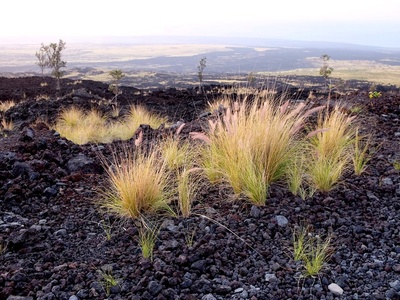
Primary succession
Primary succession starts on newly exposed surfaces (lava, glacial till) with no soil. Lichens, mosses and microbes weather rock and build organic matter, enabling grasses, shrubs and eventually forests over centuries to millennia—foundational for long-term landscape development.
Secondary succession
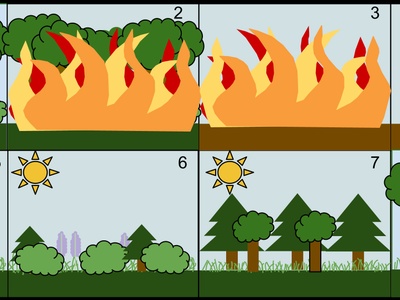
Secondary succession follows disturbances (fire, farming, storms) where soil and some organisms persist. Fast-colonizing herbs and grasses give way to shrubs and trees over decades to centuries, driving habitat recovery and biodiversity renewal.

Autogenic succession
Autogenic succession is driven by resident organisms modifying their environment—shading, litter build-up, root activity—that changes conditions and favors different species. Common in forests and wetlands, it produces predictable internal feedbacks shaping community trajectories.
Allogenic succession
Allogenic succession results from outside physical forces—climate shifts, erosion, sedimentation or human actions—that change habitat conditions and therefore species composition, especially important in deltas, coasts and post-glacial landscapes.
Hydrosere
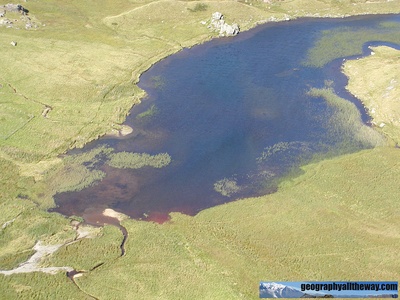
Hydrosere describes succession from open water to land: submerged plants, emergent reeds, wet meadows and eventually scrub or woodland as sediment and organic matter accumulate. It’s a primary route for wetland formation and habitat change.
Xerosere
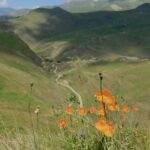
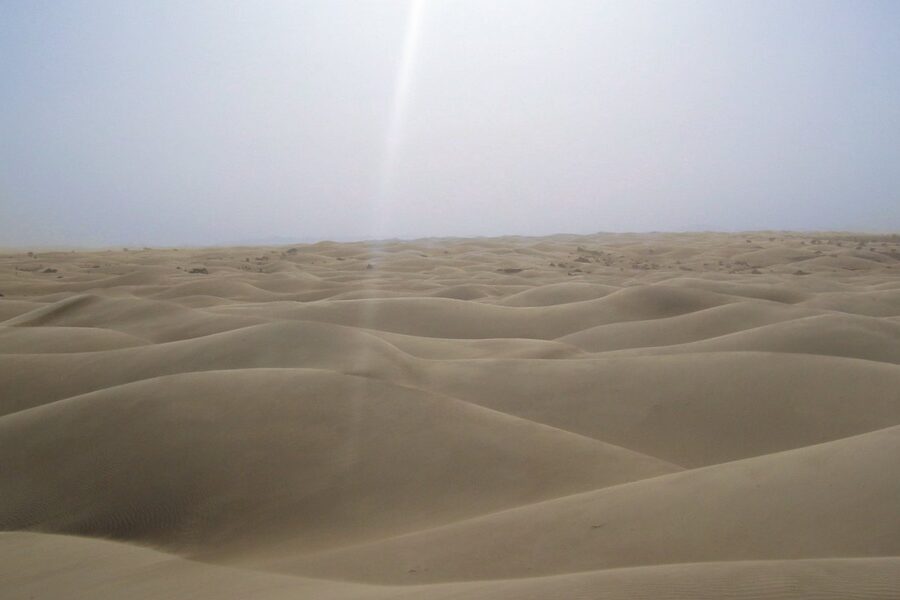
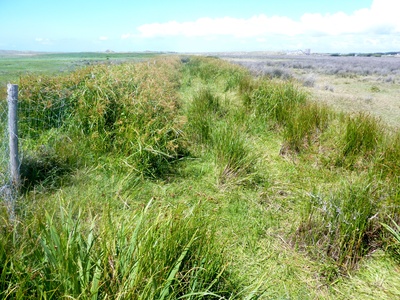
Xerosere occurs on dry substrates where drought-tolerant pioneers build organic matter and soil, allowing grasses, shrubs and sometimes woodland to establish. Typical in arid and semi-arid regions, it moderates local microclimates and soil stability.
Psammosere
Psammosere is succession on sandy substrates, especially coastal dunes. Pioneer grasses stabilize shifting sand, permitting shrubs and later trees to establish, influencing coastline stability and providing specialized habitats.
Lithosere
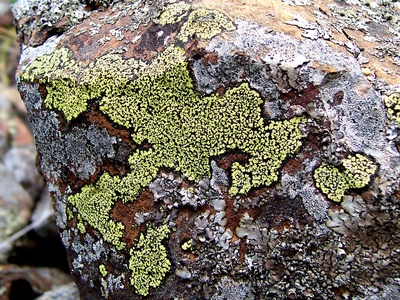
Lithosere is primary succession on rock—cliffs, lava flows—where lichens and mosses weather substrate and contribute organic matter, slowly creating soil and enabling higher plants. This slow process often spans centuries to millennia.
Old-field succession
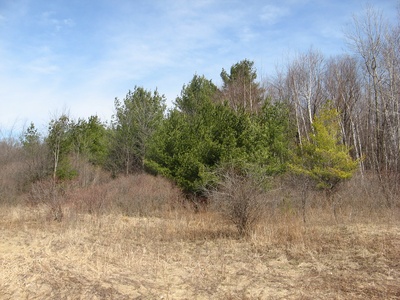
Old-field succession is a common secondary succession after farmland is left fallow: herbs and grasses colonize first, followed by shrubs and pioneer trees, progressing toward mature forest over decades and serving as a classic restoration model.
Retrogressive succession
Retrogressive succession is a downward trajectory where soil loss, nutrient depletion or repeated disturbance reduces complexity and biomass, favoring hardy, stress-tolerant species. It highlights processes of land degradation and desertification.