Arizona’s desert and high-country hold a surprising underground side — lava tubes, limestone caverns, and rock shelters tucked into canyons and mesas. Whether you’re scouting a weekend trip or researching natural features, a compact list helps cut through scattered info and shows where to start.
There are 21 Caves in Arizona, ranging from Apache Cave to Wukoki Pueblo Cave. For each entry you’ll find below County, Coordinates (lat, long), Access (public/private/permit/tours), so you can quickly see location and whether you need a permit or guide before visiting — you’ll find below.
Are these caves open to visitors?
Access varies by site: some caves are on public land and open to walk-in visits, others are on private property or require permits or guided tours. Use the Access column to check restrictions, contact local land managers or visitor centers for up-to-date rules, and respect closures for wildlife or cultural protection.
How should I prepare before visiting a cave on the list?
Bring a reliable light (headlamp + spare), sturdy shoes, water, and layered clothing; never go alone, tell someone your plans, and check the Access column for permits or required guides. Also respect signage and cultural sites — many Arizona caves have archaeological sensitivity or seasonal wildlife protections.
Caves in Arizona
| Name | County | Coordinates (lat, long) | Access (public/private/permit/tours) |
|---|---|---|---|
| Kartchner Caverns | Cochise | 31.8344, -110.3522 | State Park, required guided tours |
| Colossal Cave | Pima | 32.1278, -110.6869 | County Park, required guided tours |
| Grand Canyon Caverns | Coconino | 35.5303, -113.2300 | Private, required guided tours |
| Lava River Cave | Coconino | 35.3375, -111.7958 | Public access, self-guided |
| Peppersauce Cave | Pinal | 32.7483, -110.6869 | Public access, no permit needed |
| Onyx Cave | Santa Cruz | 31.5167, -110.8167 | Permit required, gated for protection |
| Cave of the Bells | Santa Cruz | 31.6881, -110.6692 | Permit required, gated for protection |
| Coronado Cave | Cochise | 31.3533, -110.2589 | Public access, self-guided |
| Bat Cave (Grand Canyon) | Coconino | 36.1433, -113.8433 | NPS permit required, very restricted |
| Stanton’s Cave | Coconino | 36.5686, -111.9611 | NPS permit required, restricted access |
| Cave of the Domes | Coconino | 36.0617, -112.0622 | Public access, self-guided |
| Muav Cave | Mohave | 36.2136, -113.2086 | NPS permit required, research access |
| Crystal Cave (Saguaro NP) | Pima | 32.2222, -110.6558 | Permit required, research access only |
| La Tetera Cave | Pima | 32.5028, -111.0203 | Public access, wild cave |
| Wukoki Pueblo Cave | Coconino | 35.4328, -111.3789 | Public access at National Monument |
| Redwall Cavern | Coconino | 36.5933, -111.8847 | Public access via river trip |
| Ventana Cave | Pima | 32.4864, -112.2250 | Tohono O’odham Nation, restricted access |
| Apache Cave | Gila | 33.7258, -111.1350 | Private property, closed to public |
| Slate Lakes Cave | Coconino | 35.4300, -111.4500 | Permit required, gated |
| Buffalo Crack | Coconino | 36.2953, -112.1856 | Public access, wild cave |
| Guano Point Cave | Mohave | 36.0133, -113.8164 | Private, part of Grand Canyon West tours |
Images and Descriptions

Kartchner Caverns
A spectacular “living” limestone cave with pristine, actively growing speleothems. It is protected by a state-of-the-art airlock system. Two different tours showcase its massive rooms and delicate formations. Discovered in 1974, it was kept secret for 14 years.
Colossal Cave
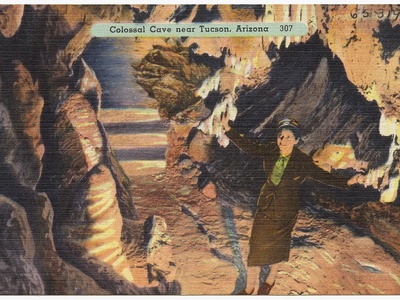
A large, dry “dormant” limestone cave where formations are no longer growing. Known for its extensive passages and rich history involving bandits and the Civilian Conservation Corps, who built the pathways. A classic, family-friendly tour.
Grand Canyon Caverns
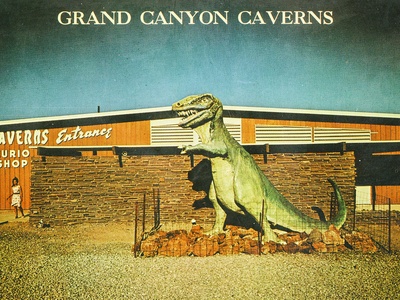
One of the largest dry caverns in the United States, located 210 feet underground. Features guided walking tours, a restaurant, and even an underground motel suite. The air is very dry and geologically static, preserving everything left inside.
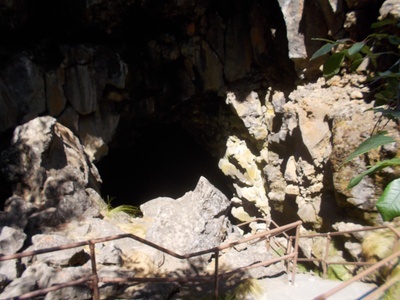
Lava River Cave
A mile-long lava tube formed 700,000 years ago from a volcanic vent. It’s a popular self-guided hike near Flagstaff, but bring warm clothes and multiple light sources as the cave is dark and remains around 40°F year-round.
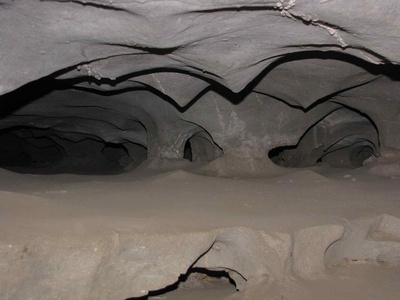
Peppersauce Cave
A well-known wild limestone cave popular with adventurous visitors. It has over a mile of mapped passages but has suffered from vandalism. This is a true wild caving experience requiring proper gear, lights, and caution due to slick surfaces.
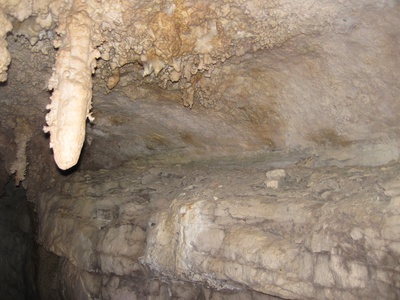
Onyx Cave
Located in the Coronado National Forest, this beautiful limestone cave is protected by a gate. It requires a permit from the Forest Service for access. It contains delicate helictites, draperies, and other stunning speleothems that warrant its protected status.
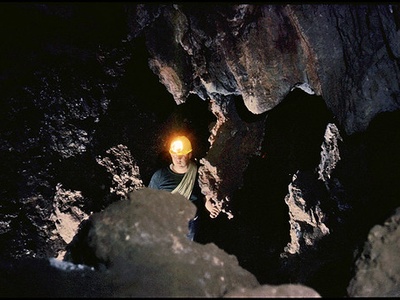
Cave of the Bells
A remarkable limestone solution cave famous for its large, resonant stalactites that ring like bells when gently tapped. Access is highly restricted and managed by the Forest Service via a permit system to protect its unique and fragile formations.
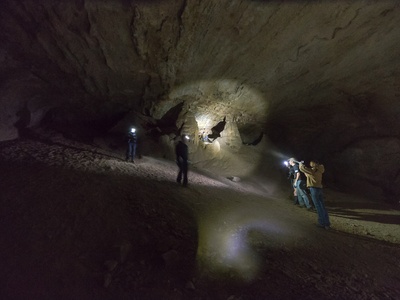
Coronado Cave
Located in Coronado National Memorial near the US-Mexico border. This dry limestone cave is easily accessible via a short but steep trail. Visitors can explore the main room, which is about 600 feet long, with flashlights.
Bat Cave (Grand Canyon)
A historically significant cave in the Grand Canyon, once home to millions of bats and a massive guano deposit. Access is heavily restricted by the National Park Service to protect bats and the fragile environment. Not open for public visitation.
Stanton’s Cave
An important archaeological and paleontological site in the Grand Canyon, revealing split-twig figurines and remains of extinct species. The entrance is gated, and access is restricted to scientific research trips permitted by the National Park Service.
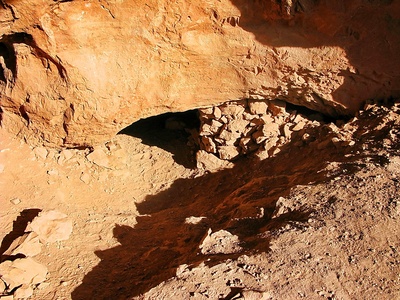
Cave of the Domes
The only cave on the South Rim of the Grand Canyon that is open to the public. It is a small limestone solution cave located along the trail to Horseshoe Mesa. It’s a fun, short side trip for hikers on the Grandview Trail.
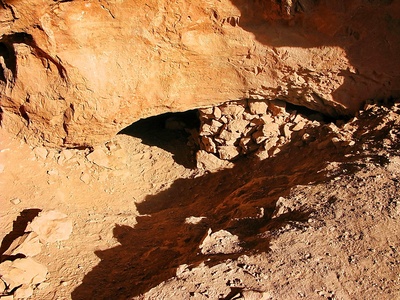
Muav Cave
A large limestone cave in the Grand Canyon noted for its significant paleontological finds, including the remains of ground sloths. It provided a key stratigraphic reference for the Muav Limestone formation. Access is restricted for scientific purposes.
Crystal Cave (Saguaro NP)
A pristine limestone cave located deep within the Rincon Mountains of Saguaro National Park. To protect its extremely fragile and untouched crystal formations, access is closed to the public and strictly limited to permitted scientific researchers.
La Tetera Cave
A small but fascinating limestone cave in the Tortolita Mountains near Marana. Known as “The Teapot” cave, it features a few decorated rooms. It’s a fun destination for local cavers looking for a short but interesting wild cave experience.
Wukoki Pueblo Cave
A small earthcrack cave located next to the Wukoki Pueblo ruins in Wupatki National Monument. Ancient peoples likely used this natural feature for shelter or ceremonies. It can be viewed from the trail around the pueblo.
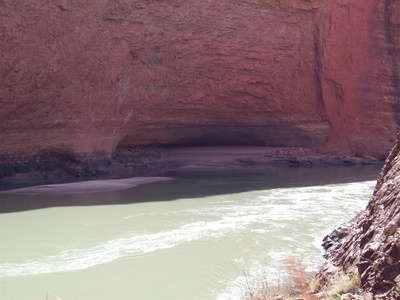
Redwall Cavern
A massive, amphitheater-like alcove cave carved from the Redwall Limestone by the Colorado River. It’s a famous stop for river trips through Marble Canyon, large enough to hold thousands of people. Its sandy floor makes for a perfect lunch spot.
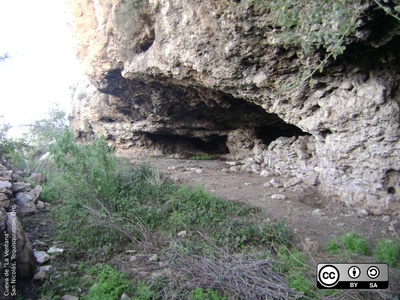
Ventana Cave
A National Historic Landmark, this large rock shelter on tribal land is one of the most important archaeological sites in Arizona. It contains stratified evidence of human occupation spanning over 10,000 years. Access is not open to the general public.
Apache Cave
A once-commercialized limestone show cave near Roosevelt Lake, now on private land and closed. It was known for its beautiful “painted desert” flowstone and large rooms but fell into disrepair. It is not accessible to visitors.
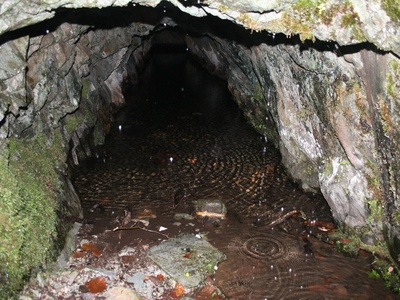
Slate Lakes Cave
One of the most significant lava tube systems in the San Francisco Volcanic Field. It is gated and managed by the Forest Service to protect its fragile ice formations and delicate lava features. Access is available through permitted grotto trips.
Buffalo Crack
A deep and narrow fissure cave on the Kaibab Plateau near the Grand Canyon’s North Rim. This is a challenging vertical cave that requires ropes and technical caving skills to explore safely. Not for novice cavers.
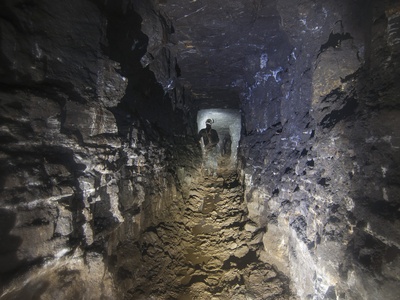
Guano Point Cave
This cave is less of a deep passage and more of a rock shelter feature at Grand Canyon West. It’s the site of a historic attempt to mine bat guano, and remnants of the old cable tramway system can still be seen.