Antarctica’s icy expanse hides surprising geological activity: beneath glaciers and along coastal margins, volcanic features shape local landscapes and influence melt patterns. Research over the past decades has revealed a mix of submarine cones and exposed vents that are still active.
There are 18 Active Volcanoes in Antarctica, ranging from Bridgeman Island to Young Island. For each, you’ll find below Coordinates (lat, lon),Elevation (m),Last confirmed activity to help you locate and compare sites quickly.
How are eruptions detected under ice and in remote Antarctic areas?
Detection relies on a mix of methods: seismic networks pick up tremors, satellites spot thermal anomalies or ash plumes, GPS and InSAR reveal ground deformation, and occasional field expeditions collect gas and rock samples. Coverage is sparse, so some activity is only confirmed after targeted studies.
Could Antarctic volcanic activity impact ice melt or global climate?
Local effects can be significant—subglacial eruptions can create meltwater, destabilize ice and deposit dark ash that increases surface melt. Global climate impacts from Antarctic eruptions are less frequent because most are small or subglacial, but a very large eruption could inject aerosols into the stratosphere and have short-term climate effects.
Active Volcanoes in Antarctica
| Name | Coordinates (lat, lon) | Elevation (m) | Last confirmed activity |
|---|---|---|---|
| Mount Erebus | -77.53, 167.17 | 3,794 | 2024 (Ongoing eruption) |
| Deception Island | -62.97, -60.65 | 576 | 1970 (Eruption) |
| Mount Melbourne | -74.35, 164.7 | 2,732 | ~1892 CE (Eruption) |
| Mount Berlin | -76.05, -135.87 | 3,478 | Current (Fumaroles) |
| Mount Waesche | -77.17, -126.88 | 3,292 | Current (Thermal anomaly) |
| Hudson Mountains | -74.33, -99.42 | subglacial, up to 749 m exposed | 200 CE (Eruption) |
| Pine Island Glacier Volcanoes | -75.1, -100.8 | subglacial, ~1,200 m ice thickness | 325 BCE (Eruption) |
| Brown Peak | -67.4, 164.8 | 1,524 | 2001 (Eruption) |
| Buckle Island | -66.8, 163.22 | 1,238 | 1899 (Eruption) |
| The Pleiades | -72.67, 165.5 | 3,040 | 1050 BCE (Eruption) |
| Mount Rittmann | -73.45, 165.45 | 2,600 | 120 CE (Eruption) |
| Mount Takahe | -76.28, -112.08 | 3,460 | 5550 BCE (Eruption) |
| Mount Siple | -73.43, -126.67 | 3,110 | Holocene (Unconfirmed eruption) |
| Paulet Island | -63.58, -55.77 | 353 | <1,000 years ago (Eruption) |
| Mount Hampton | -76.5, -125.8 | 3,323 | Holocene |
| Peter I Island | -68.85, -90.58 | 1,640 | Holocene |
| Young Island | -66.42, 162.47 | 1,340 | 1839 (Possible eruption) |
| Bridgeman Island | -62.05, -56.75 | 240 | Holocene (Fumaroles reported 1821) |
Images and Descriptions
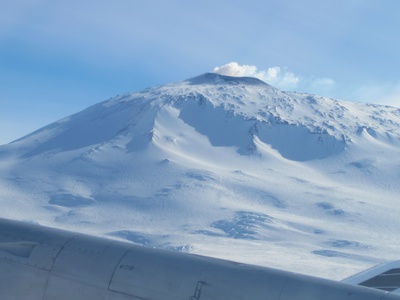
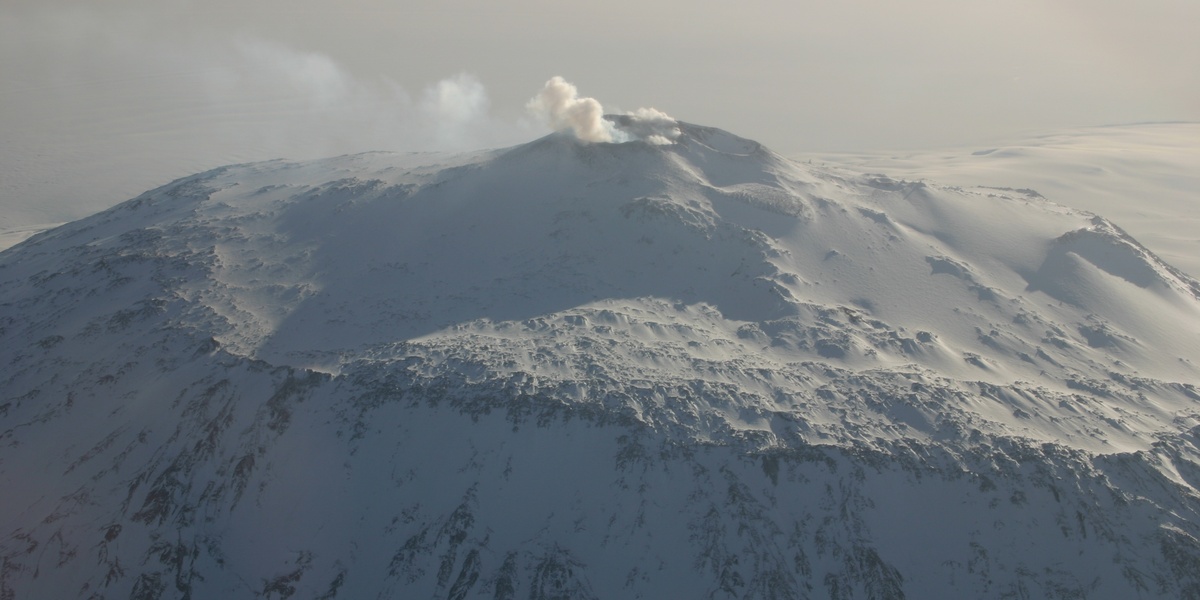
Mount Erebus
Earth’s southernmost active volcano, famous for its persistent convecting lava lake. It is a prominent feature of Ross Island and a major site for volcanological research, continuously emitting gas and steam plumes.
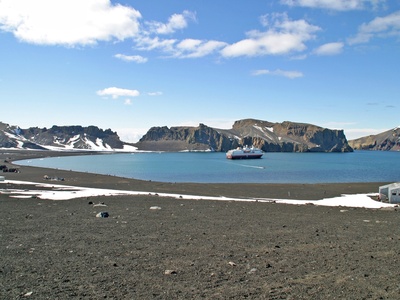
Deception Island
A unique ring-shaped caldera of a flooded volcano, creating a sheltered harbor. It is a popular tourist and scientific site, with recent eruptions in the 20th century and ongoing geothermal activity warming its beaches.
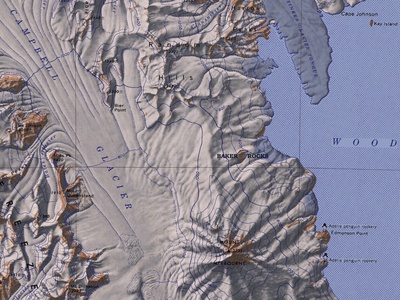
Mount Melbourne
A massive stratovolcano on the coast of Victoria Land, known for its pristine, uneroded cone. While it has not erupted recently, it maintains active fumaroles and unique geothermal ice towers near its summit.

Mount Berlin
A large shield volcano in Marie Byrd Land, topped by a 2-km-wide caldera. It is one of the most active volcanoes in West Antarctica, with steaming fumaroles visible near the caldera rim, indicating a live magmatic system.
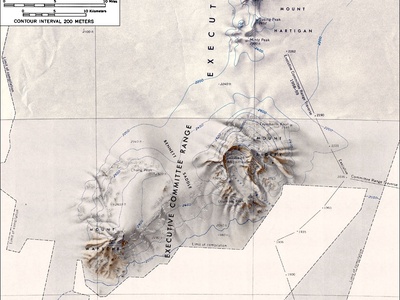
Mount Waesche
A large, ice-covered volcano in the Executive Committee Range. Research has revealed a significant heat source beneath the ice, suggesting an active magma system likely responsible for a subglacial eruption 2,000 years ago.
Hudson Mountains
A group of subglacial volcanoes in West Antarctica. A significant subglacial eruption occurred here around 2,000 years ago, and the area remains active, with a magmatic system contributing to basal ice melt.
Pine Island Glacier Volcanoes
A recently discovered volcanic system located deep beneath the rapidly melting Pine Island Glacier. A major eruption occurred over 2,000 years ago, and ongoing heat flow from this system is a contributor to ice melt.
Brown Peak
The highest point of Sturge Island in the remote Balleny Islands group. This stratovolcano has had observed activity in recent decades, including a reported eruption plume in 2001, making it a confirmed but poorly studied active site.
Buckle Island
One of the three main islands in the Balleny Islands chain. This stratovolcano has a history of observed eruptions and persistent fumarolic activity, with steam plumes frequently seen by passing ships in the 19th century.
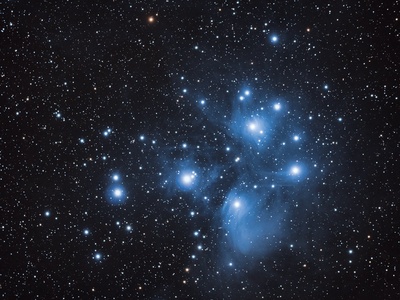
The Pleiades
A volcanic field in northern Victoria Land consisting of small cones and lava flows. This field is notable for its extremely young features, with some of the most recent known eruptions on the Antarctic mainland occurring here about 3,000 years ago.
Mount Rittmann
A large caldera volcano in northern Victoria Land, partially buried by the Aviator Glacier. While its last confirmed major eruption was thousands of years ago, evidence of geothermal activity beneath the ice persists.
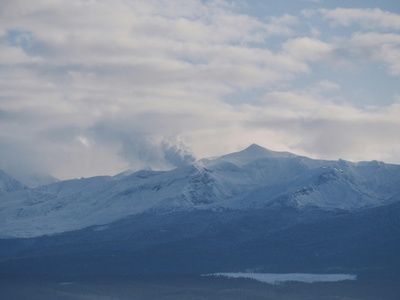
Mount Takahe
A massive, low-angle shield volcano in Marie Byrd Land with a large 8-km-wide caldera. Its past eruptions have been linked to significant Southern Hemisphere climate events due to the volume of gases they released.

Mount Siple
A massive shield volcano forming Siple Island off the West Antarctic coast. It is extremely remote and poorly studied, but its youthful appearance and a possible unconfirmed 1988 eruption suggest it has been active recently.
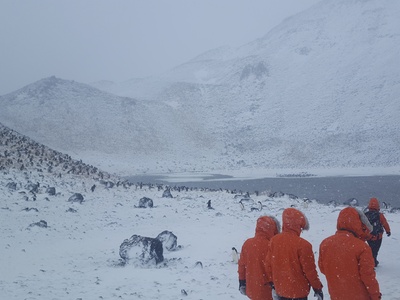
Paulet Island
A small, circular island off the Antarctic Peninsula, home to a large Adelie penguin colony. The island is a well-preserved cinder cone with lava flows that are geologically very young, dating to less than 1,000 years ago.
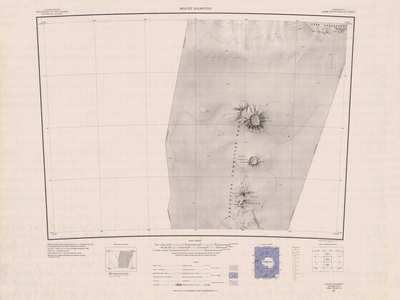
Mount Hampton
The northernmost of the major volcanoes in the Executive Committee Range. This shield volcano is almost entirely ice-covered, with only its summit caldera exposed, showing evidence of geologically recent (Holocene) activity.
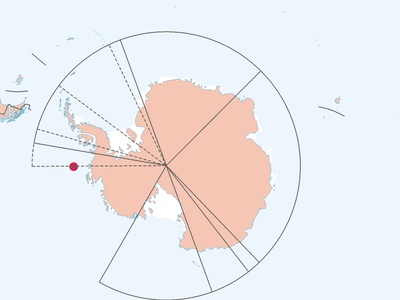
Peter I Island
A remote, ice-covered volcanic island in the Bellingshausen Sea. Though its last eruption is unconfirmed, the volcano’s young morphology and lava flows suggest it has been active within the last 10,000 years.
Young Island
The northernmost of the Balleny Islands. Like its neighbors, this ice-covered stratovolcano is considered active, with reports of eruptions and steaming dating back to the 19th century, though recent activity has not been confirmed.
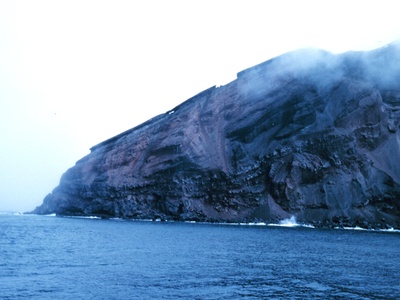
Bridgeman Island
A small, heavily eroded volcanic island in the South Shetland Islands. While 19th-century reports noted fumarolic activity, its current status is uncertain, though it is considered to be a geologically young, Holocene-active volcano.