In 1859, Charles Darwin published On the Origin of Species, reshaping how we think about relations between organisms and their environments—relations we now call ecosystems. Picture a mangrove coastline at low tide: tangled roots, mud crabs, and small fish sheltering in a living lattice. Ecosystems underpin our food, medicines, climate stability, and livelihoods. Here are 8 interesting facts about ecosystems that reveal their hidden value and clear fragility (Mora et al. 2011 estimated roughly 8.7 million species on Earth). This short tour will show what makes them vital—and why protecting them matters for people everywhere.
Ecosystem functions: the invisible engines
Ecosystems perform core processes—energy capture, nutrient cycling, and habitat provision—that sustain life and shape landscapes. These functions are usually unseen but they are measurable. For example, marine phytoplankton produce roughly half of Earth’s oxygen and billions of tonnes of carbon move through nutrient cycles each year. The next three facts illustrate how these invisible engines work, from microbes in soil to ocean food webs.
1. Nutrient cycling keeps ecosystems—and us—running
Carbon, nitrogen, and phosphorus cycle through soils, plants, animals, and the atmosphere to fuel growth and food production. Human activity—chiefly synthetic fertilizers and fossil-fuel combustion—has roughly doubled the flow of reactive nitrogen since 1950 (Galloway et al. 2008). That boost raised crop yields but also caused runoff and algal blooms that degrade water quality and fisheries.
Microbial partners are central. Mycorrhizal fungi extend root systems and help trees and crops access phosphorus and water. In the Amazon, rapid recycling in leaf litter and canopy turnover keeps nutrients near the surface, sustaining hyperdiverse forests despite poor soils. In contrast, intensive agriculture often exports nutrients off the land, requiring ever more fertilizer and creating eutrophication downstream.
2. Primary production: sunlight turned into food and oxygen
Primary producers—plants, algae, and cyanobacteria—capture sunlight and convert it into the chemical energy that feeds nearly every food web. Tiny marine phytoplankton contribute roughly 50% of global oxygen production and form the base of many rich fisheries.
Different systems trade off speed and storage. Grasslands and croplands turn over biomass quickly and support large herbivore and human food chains. Old-growth forests store massive amounts of carbon for centuries. Phytoplankton blooms in the North Atlantic, for example, spike productivity and support lucrative fisheries, while prairie and maize systems underpin continental food supplies.
3. Habitat structure sustains biodiversity and resilience
Ecosystems build physical homes—coral branches, mangrove roots, leaf litter—that increase niche space and species richness. Estimates put described and undescribed species at about 8.7 million globally (Mora et al. 2011), so habitat complexity translates directly into biological abundance.
Coral reefs occupy a small fraction of the seafloor but support roughly 25% of marine species as nursery and feeding habitat. Mangrove root systems shelter juvenile fish that become part of coastal fisheries. When structure is lost, resilience falls and recovery becomes harder.
Benefits to people: ecosystem services and the economy

Natural systems provide provisioning services (food, timber, medicines), regulating services (climate moderation, flood control), cultural values, and supporting services like nutrient cycling. Some economists quantified these benefits: one headline estimate put global ecosystem-service value at about $125 trillion per year (Costanza et al. 2014). The following three facts connect those services directly to human health, wealth, and policy.
4. Pollinators are worth hundreds of billions to global food systems
Pollination—by bees, flies, beetles, bats, and birds—supports fruits, nuts, vegetables, and seeds. Economic estimates for pollination services commonly range from roughly $235 billion to $577 billion annually (Gallai et al. 2009; FAO reports cite similar ranges).
Almonds in California illustrate the dependence: commercial orchards rent thousands of honeybee hives each season to ensure pollination and yield. Wild bee diversity often boosts fruit set beyond what managed hives provide. Threats like habitat loss, pesticides, and disease reduce pollinator populations and risk lower yields and higher costs for farmers. Planting native flowers, reducing pesticide use, and supporting diversified farms help sustain pollination services.
5. Nature is a pharmacy: medicines and biotech from ecosystems
Many modern drugs trace to compounds found in wild species. Aspirin evolved from salicylic compounds in willow bark. Paclitaxel (Taxol) was derived from the Pacific yew and became a key anticancer drug. Artemisinin, from Artemisia annua, revolutionized malaria treatment.
Biodiversity remains a reservoir for future medicines and biotech innovations. Losing species and habitats risks closing doors on potential life-saving compounds. Conserving ecosystems keeps options open for drug discovery and for industries that rely on unique natural molecules.
6. Climate regulation and carbon storage: nature as a buffer
Forests, peatlands, and coastal wetlands lock away vast amounts of carbon and help stabilize climate. Peatlands cover about 3% of land area but store roughly 30% of the world’s soil carbon (IPCC and peatland studies). Mangroves can store up to four times more carbon per hectare than many upland tropical forests.
These ecosystems also shield people: intact mangroves reduce wave energy and erosion, while forests influence rainfall and temperatures. Protecting and restoring carbon-dense systems is a key nature-based climate strategy and has measurable benefits for coastal and inland communities.
Surprising findings and the fragile edges of ecosystems
Recent research shows ecosystems can flip rapidly from one state to another when pressures cross thresholds. Overfishing, warming, pollution, and invasive species accelerate these changes. The final two facts cover abrupt collapses and the conditions under which restoration yields real wins for people and nature.
7. Small changes can trigger big shifts: tipping points and collapses
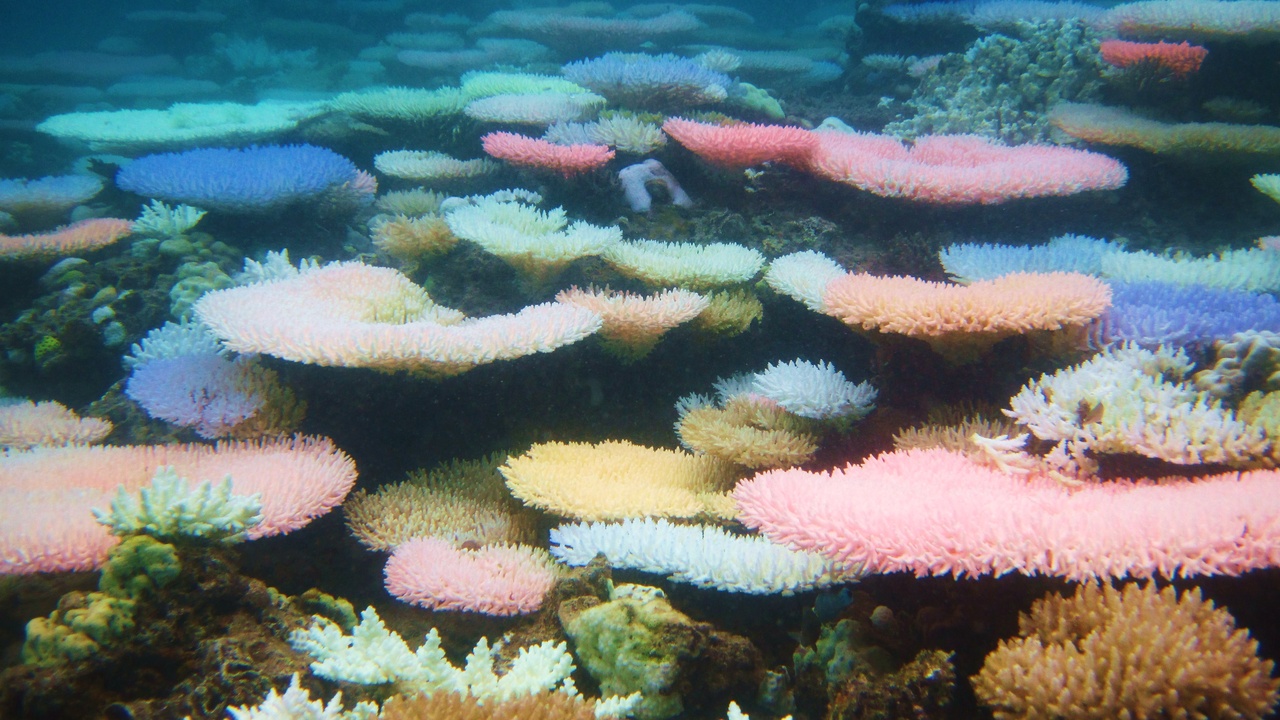
Gradual pressures often produce sudden outcomes. The collapse of the Atlantic cod fishery off Newfoundland in 1992 is a stark example: decades of overfishing pushed the stock past a recovery threshold, with deep social and economic fallout. Coral reefs have experienced mass bleaching in events such as the Great Barrier Reef episodes of 2016–2017, when heat stress killed large areas of reef.
Globally, the FAO reports that around one-third of assessed fish stocks are overfished (about 34% in recent summaries). When ecosystems cross tipping points, services and livelihoods can vanish quickly. That makes precaution, monitoring, and adaptive management essential for food security and coastal economies.
8. Restoration and management can yield real wins—if done right
There are hopeful cases where targeted action restored services. Wolves reintroduced to Yellowstone in 1995 triggered trophic cascades that altered herbivore behavior, vegetation, and riverbank stability. Costa Rica reversed deforestation through policy shifts and payments for ecosystem services: forest cover rose from roughly 26% in the late 1980s to over 50% in recent decades.
Local, community-driven restoration of mangroves and oyster reefs has reduced erosion and increased fishery yields in many places. Success depends on scale, social buy-in, and matching restoration methods to ecological context. Well-designed interventions can be cost-effective, but they rarely substitute for protecting intact systems in the first place.
Summary
- Small organisms and processes do a lot of heavy lifting: microbes, phytoplankton, and fungi drive nutrient cycles and primary production that all life depends on.
- Ecosystem services matter to the economy and health—estimates like Costanza et al.’s $125 trillion/year and pollination values in the $235–$577 billion range show scale.
- Facts about ecosystems include both fragility (tipping points, overfished stocks) and resilience—well-targeted restoration and policy can restore services when communities and science work together.
- Practical steps you can take: plant native flowers to help pollinators, support local habitat restoration, and back policies that protect mangroves, peatlands, and intact forests.