Turkmenistan sits at the crossroads of Central Asia, with vast desert plains and significant underground deposits that shape its economy and regional trade. Its energy and mineral sectors influence infrastructure, employment and export patterns across the country.
There are 20 Natural Resources of Turkmenistan, ranging from Barite to Wind Energy. For each resource the data are organized by Type,Reserves/production (amount & unit, metric),Main locations; you’ll find below.
Which resources contribute most to Turkmenistan’s economy?
Natural gas is the dominant driver, supported by large fields like Galkynysh and related pipeline exports; oil and petrochemical products follow. Other contributors include salt, sulfur, gypsum and industrial minerals that feed domestic industry and some exports, while renewable potential (solar and wind) is emerging.
How current and reliable are the reserves and production figures?
Reserves and production numbers come from a mix of government reports, industry filings and international agencies and can vary by source and year; treat listings as estimates and check the cited reports or recent energy/statistics publications for the latest verified figures.
Natural Resources of Turkmenistan
| Name | Type | Reserves/production (amount & unit, metric) | Main locations |
|---|---|---|---|
| Natural Gas | Fossil Fuel (Hydrocarbon Gas) | 13.6 trillion cubic meters (proven reserves, 2021) | Galkynysh, Dauletabad, Amu Darya Basin |
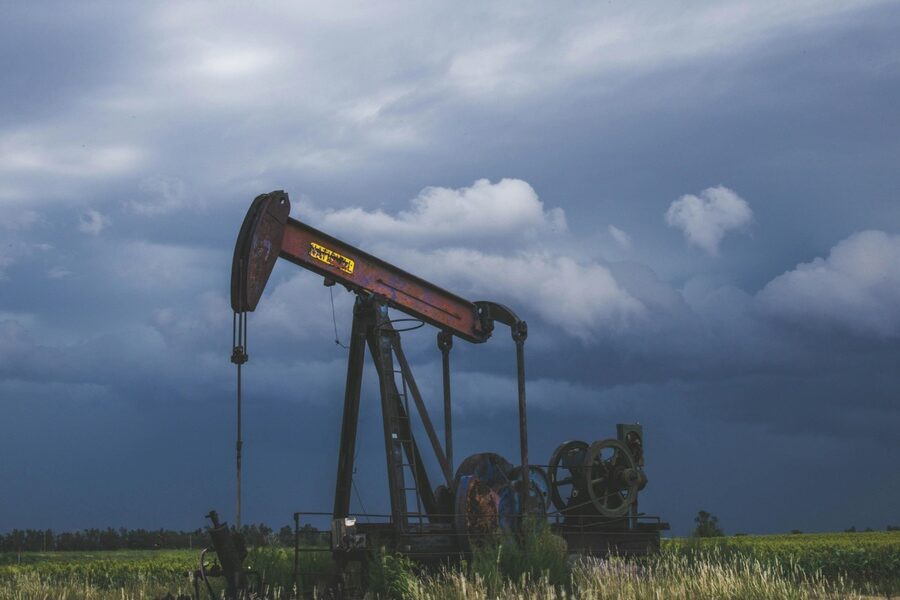
| Crude Oil | Fossil Fuel (Liquid Hydrocarbon) | 600 million barrels (proven reserves, 2021) | Balkan Region, Cheleken, Goturdepe, Caspian Sea |
| Sulfur | Non-metallic Mineral | ~20 million tonnes (estimated reserves) | Gaurdak-Kugitang region, Galkynysh field |
| Iodine-Bromine Brines | Chemical Raw Material | World’s top 5 producer of iodine | Balkan Region (Cheleken, Boyadag, Nebitdag) |
| Potassium Salt (Potash) | Chemical Raw Material (Salt) | ~2 billion tonnes (estimated reserves) | Garlyk (Kugitangtau region) |
| Glauber’s Salt | Chemical Raw Material (Salt) | 1.5 million tonnes/year (estimated production potential) | Garabogazköl (Kara-Bogaz-Gol) Gulf |
| Table Salt (Halite) | Food & Chemical Raw Material | Over 90,000 tonnes/year (production) | Guvlyduz, Garabogazköl, Boyadag |
| Bentonite Clay | Industrial Mineral (Clay) | ~80 million tonnes (estimated reserves) | Oglanly (Balkan Region) |
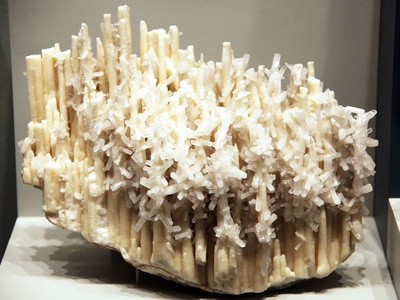
| Celestine (Strontium) | Metallic Mineral Ore | ~2 million tonnes (estimated reserves) | Gaurdak, Arpaklen (Kugitangtau region) |
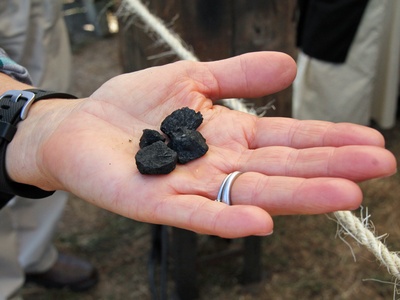
| Coal | Fossil Fuel (Solid) | ~800 million tonnes (estimated reserves) | Tuarkyr (Balkan Region), Gaurdak-Kugitang |
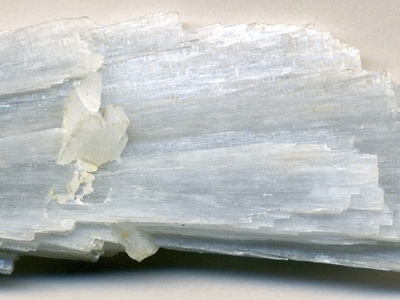
| Gypsum & Anhydrite | Construction Material | Hundreds of millions of tonnes (estimated reserves) | Garlyk, Akyayla (Kopet Dag), Gaurdak |
| Quartz Sand | Industrial Mineral | Over 30 million tonnes (estimated reserves) | Mialy, Baharden, Garabogazköl |
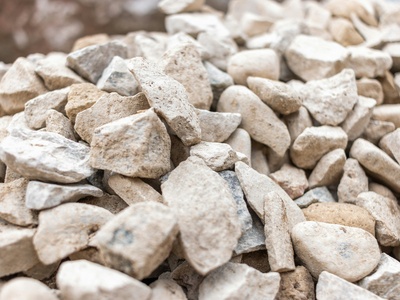
| Limestone | Construction Material | Billions of tonnes (estimated reserves) | Kopet Dag Mountains, Balkan Region, Kugitang |
| Lead-Zinc Ores | Metallic Mineral | Several million tonnes (prognosticated resources) | Kugitangtau Mountains |
| Barite | Industrial Mineral | ~8 million tonnes (estimated reserves) | Arpaklen (Kopet Dag Mountains) |
| Kaolin (China Clay) | Industrial Mineral (Clay) | ~20 million tonnes (estimated reserves) | Tuarkyr (Balkan Region) |
| Groundwater | Water Resource | ~350 billion cubic meters (estimated renewable reserves) | Amu Darya Basin, Murgab Basin, Kopet Dag |
| Mineral Water | Water Resource (Therapeutic) | Thousands of cubic meters/day (flow rate) | Archman, Mollagara, Berzengi |
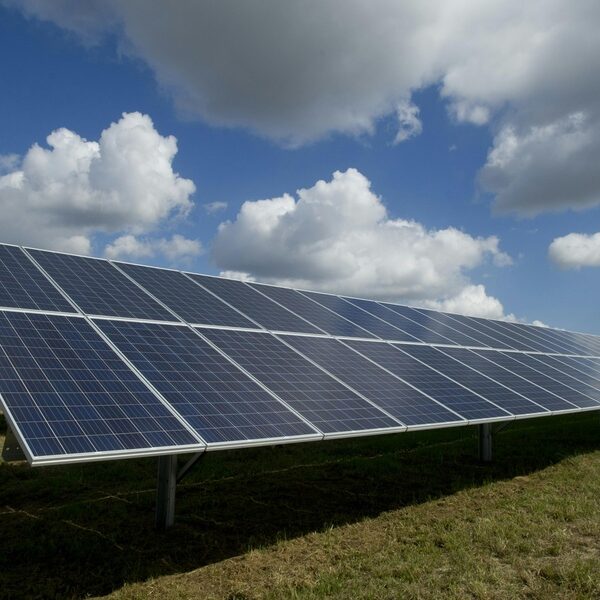
| Solar Energy | Renewable Energy | 2,500-3,000 sunshine hours/year (potential) | Nationwide, especially southern deserts |
| Wind Energy | Renewable Energy | Over 600 GW (estimated technical potential) | Balkan Region (Caspian coast), Kopet Dag |
Images and Descriptions

Natural Gas
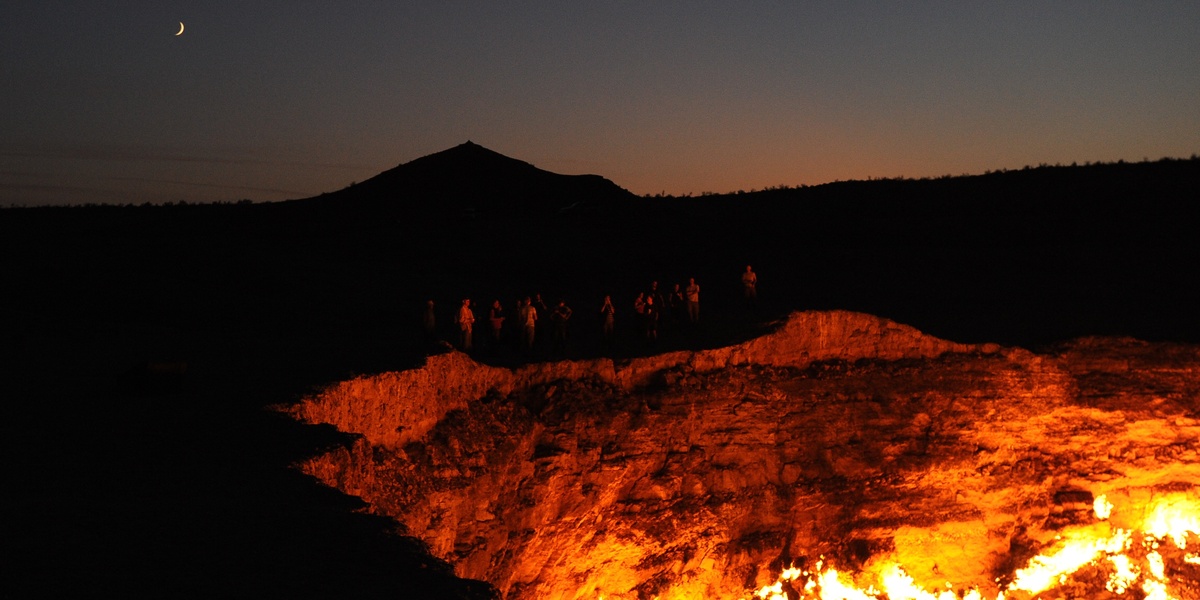
Turkmenistan holds the world’s fourth-largest natural gas reserves. The Galkynysh field is one of the planet’s biggest, making gas the undisputed cornerstone of the national economy and its primary export.
Crude Oil
Concentrated in the west near the Caspian Sea, Turkmenistan’s oil production is significant but overshadowed by its massive gas reserves. Exports contribute to the economy, complementing its vast gas revenues.
Sulfur
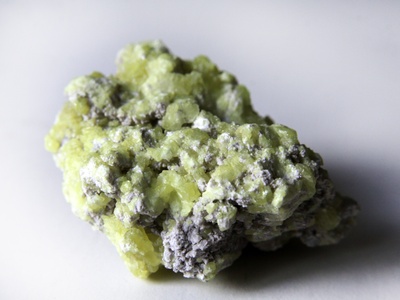
Found in massive deposits, often associated with natural gas fields. This native sulfur is a key raw material for the chemical industry, particularly for producing sulfuric acid used in fertilizers and other processes.

Iodine-Bromine Brines
These industrial brines, co-produced with oil and gas, are exceptionally rich in iodine and bromine. Turkmenistan is a globally significant producer, exporting these elements for medical and chemical uses.
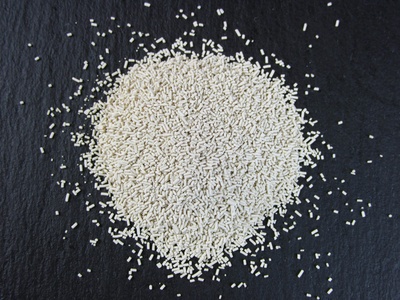
Potassium Salt (Potash)
The Garlyk deposit contains vast reserves of potash, a critical component for manufacturing agricultural fertilizers. Its development represents a major effort to diversify the country’s resource-based economy.
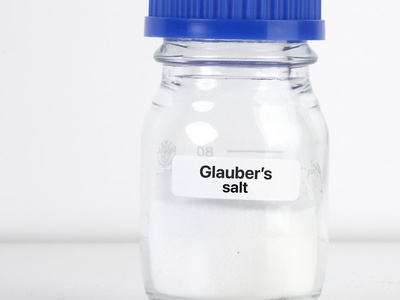
Glauber’s Salt
This salt, also known as mirabilite, naturally crystallizes in the shallow Garabogazköl lagoon. It is a major source of sodium sulfate, which is used in detergents, glass, and paper manufacturing.
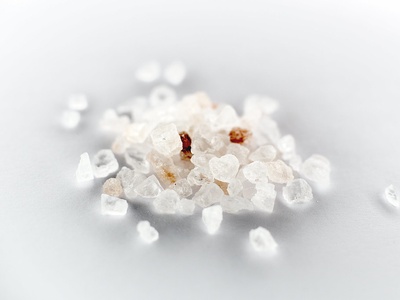
Table Salt (Halite)
High-purity table and industrial salt is extracted from vast rock salt deposits and evaporated from brines. The Guvlyduz plant is a major producer, meeting both domestic and export demand for this essential mineral.
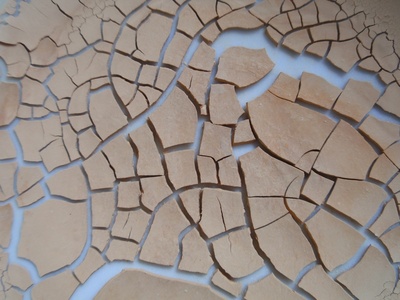
Bentonite Clay
Oglanly holds one of the world’s largest deposits of high-quality bentonite. This versatile clay is crucial as a drilling mud in the oil and gas industry and has many other industrial applications.
Celestine (Strontium)
Turkmenistan possesses significant reserves of celestine, the primary ore of strontium. Strontium compounds are used in pyrotechnics for brilliant red fireworks and in specialty glass for television screens.
Coal
While minor compared to its hydrocarbon wealth, Turkmenistan has notable coal reserves. The deposits consist mainly of brown coal (lignite) used for local industrial processes and some power generation needs.
Gypsum & Anhydrite
Massive, high-quality deposits of gypsum and anhydrite are widespread. These minerals are essential for producing plaster, cement, and drywall, supporting the country’s extensive domestic construction industry.

Quartz Sand
High-purity quartz sand deposits are a key resource for Turkmenistan’s glass manufacturing industry. They are used to produce everything from simple container glass to high-quality sheet glass for construction.
Limestone
Extremely abundant throughout Turkmenistan’s mountainous regions, limestone is the primary raw material for cement production. It also serves as building stone and is used in various industrial chemical processes.
Lead-Zinc Ores
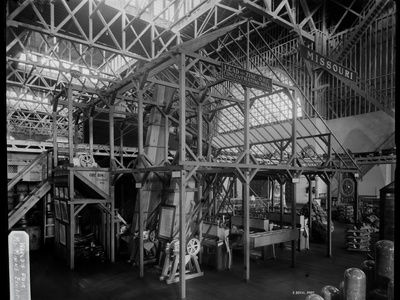
The mountainous Kugitang region hosts promising lead-zinc deposits, primarily of the Mississippi Valley-type. While not yet a major industry, they represent significant potential for future base metal mining.
Barite
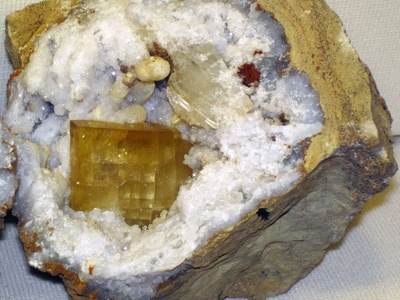
Barite is a dense mineral primarily used as a weighting agent in drilling mud for oil and gas exploration. The country’s substantial deposits directly support its vital hydrocarbon extraction industry.
Kaolin (China Clay)
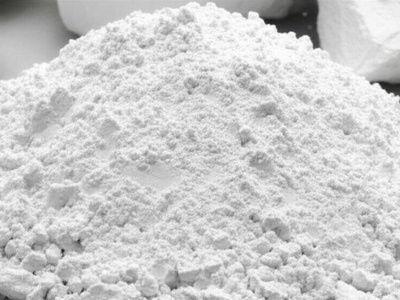
High-grade kaolin deposits are found in the Tuarkyr area. This white clay is a valuable resource for the ceramics industry, used in producing porcelain, tiles, and sanitary ware, as well as in papermaking.
Groundwater
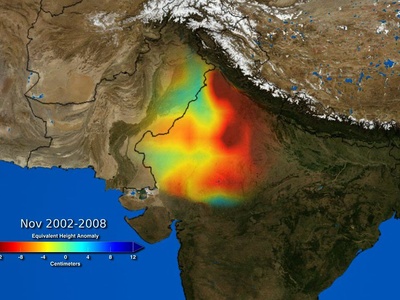
In this arid nation, underground aquifers are a strategic resource for drinking water and agriculture, especially for irrigation. They are largely recharged by major rivers and seasonal mountain runoff.
Mineral Water
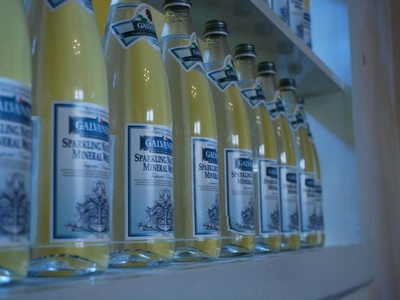
Turkmenistan is rich in natural mineral and thermal springs with purported therapeutic properties. These sites, such as the famous Archman sanatorium, are important domestic health and wellness destinations.
Solar Energy
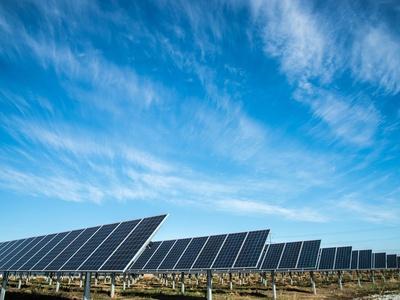
With over 300 sunny days per year, Turkmenistan has enormous, largely untapped potential for solar power generation. This represents a key opportunity for future energy diversification and sustainable development.
Wind Energy
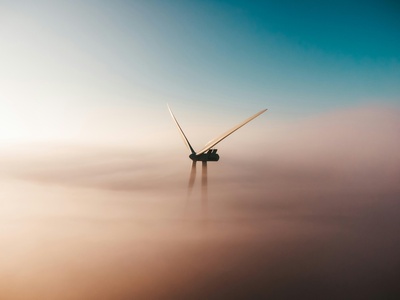
The country has significant wind energy potential, particularly along the windy Caspian Sea coastline and in mountain corridors. This powerful renewable resource is currently undeveloped but offers future promise.