Across rooftops, coastlines and brownfield sites, the shift to cleaner power is changing how communities and industries plan for the future. This list gathers the main technologies and where they appear so you can quickly see options, trade-offs and typical settings.
There are 33 Renewable Energy, ranging from Advanced Biofuels (Cellulosic) to Wave Energy (Point Absorber); data are organized by Category (maturity), Typical output (MW), Where found, Description (30-50 words), which you’ll find below.
How can I use this list to compare technologies for a project?
Look at Category (maturity) to judge readiness, Typical output (MW) to size generation, and Where found to match climate and siting; the Description gives a quick operational and deployment context so you can narrow choices before deeper feasibility work.
Which of these 33 options are already proven at utility scale?
Mature, widely deployed options include onshore wind, utility solar PV, hydropower, and conventional biomass and geothermal; emerging types like Advanced Biofuels (Cellulosic) and Wave Energy (Point Absorber) are promising but need more demonstration and local assessment.
Renewable Energy
| Name | Category (maturity) | Typical output (MW) | Where found | Description (30-50 words) |
|---|---|---|---|---|
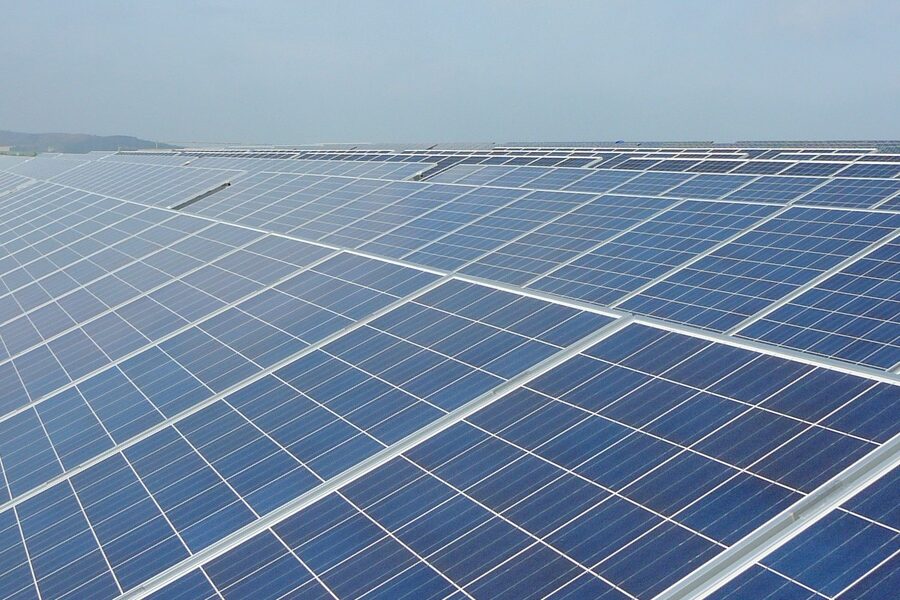
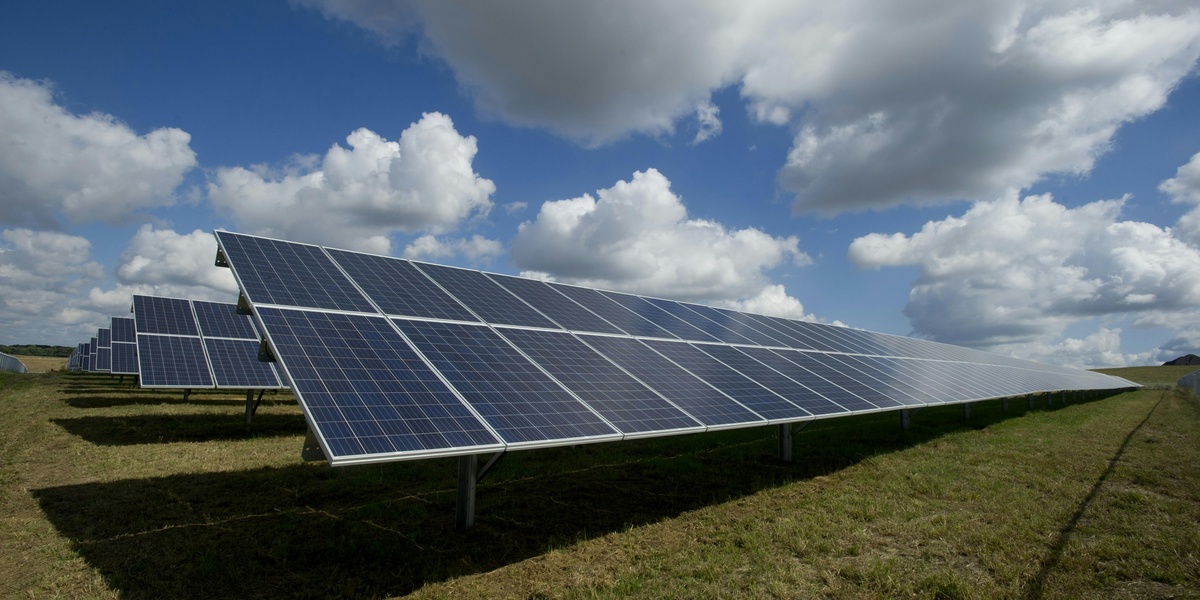
| Utility-Scale Solar PV | Solar / Commercial | 100 to 1,000+ | Deserts, open land worldwide (China, US, India) | Vast farms of photovoltaic panels convert sunlight directly into electricity for the grid. This is one of the fastest-growing and cheapest sources of new energy, transforming power generation at a massive scale in sunny regions around the globe. |
| Rooftop Solar PV | Solar / Commercial | 0.005 to 0.05 | Residential and commercial building roofs worldwide | Small-scale photovoltaic panels installed on rooftops generate electricity right where it’s used. This decentralized approach empowers homeowners and businesses, reduces transmission losses, and enhances grid resilience by distributing power generation across the community. |
| Concentrated Solar Power (CSP) – Trough | Solar / Commercial | 50 to 300 | Sunny, arid regions (Spain, US, Morocco) | Uses large, parabolic mirrors to focus sunlight onto a central tube, heating a fluid to create steam and drive a turbine. Its ability to store thermal energy allows it to generate power even after sunset, providing reliable, dispatchable solar energy. |
| Concentrated Solar Power (CSP) – Tower | Solar / Commercial | 100 to 200 | Sunny, arid regions (US, Chile, UAE) | An array of mirrors focuses sunlight onto a receiver on a central tower, heating molten salt to extremely high temperatures. This stored heat generates steam for electricity on-demand, making it a valuable source of 24/7 solar power. |
| Floating Solar (Floatovoltaics) | Solar / Commercial | 1 to 100 | Reservoirs, lakes, calm water bodies | Solar PV panels are mounted on floating structures on bodies of water like reservoirs. This approach saves valuable land space, reduces water evaporation, and can improve panel efficiency due to the cooling effect of the water, making it a smart dual-use solution. |
| Agrivoltaics | Solar / Emerging | 0.5 to 20 | Farmland in sunny or arid regions | A symbiotic system where solar panels are installed on farmland, elevated to allow crops to grow beneath them. It optimizes land use by producing both food and energy, while the panels can provide shade, reduce water needs, and protect crops. |
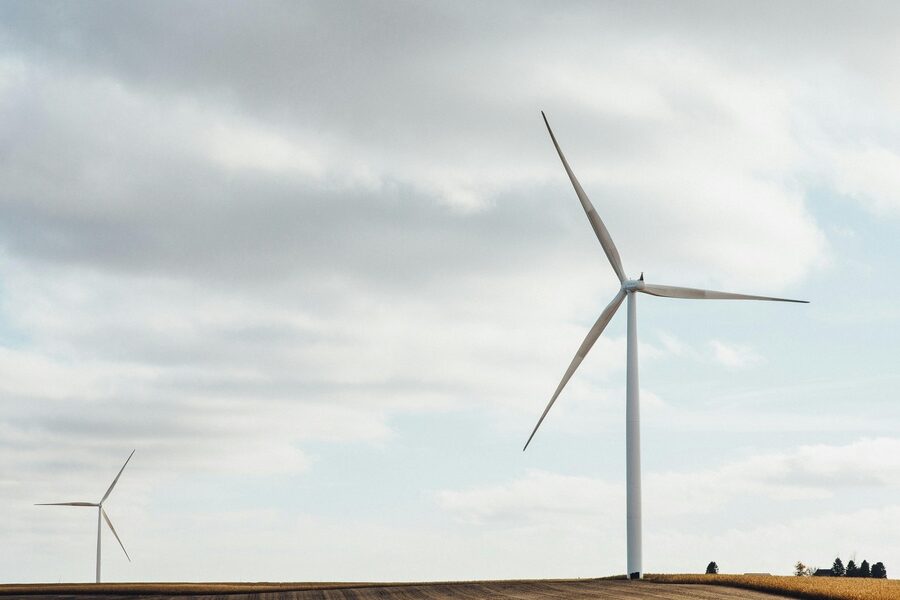
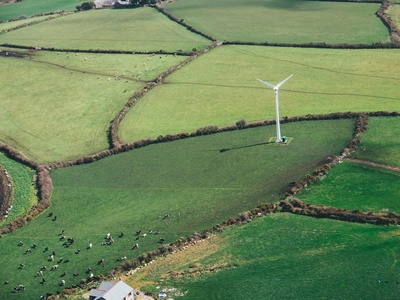
| Onshore Wind | Wind / Commercial | 2 to 5 per turbine; 50 to 500 per farm | Windy plains, hills, coastal areas (China, US, Europe) | Large turbines with horizontal-axis blades capture kinetic energy from the wind to generate electricity. It’s a mature, cost-effective technology and one of the leading sources of renewable power, often installed in large “wind farms” in open, windy landscapes. |
| Offshore Wind (Fixed-Bottom) | Wind / Commercial | 8 to 15 per turbine; 200 to 1,500 per farm | Shallow coastal waters (<60m deep) | Massive wind turbines are mounted on foundations fixed to the seabed in relatively shallow waters. Offshore wind is stronger and more consistent than on land, allowing these farms to generate huge amounts of predictable, clean electricity for coastal populations. |
| Offshore Wind (Floating) | Wind / Emerging | 8 to 15 per turbine; 50 to 500 per farm | Deep coastal waters (>60m deep) | Wind turbines are placed on floating platforms anchored to the deep seabed. This technology unlocks vast areas of the ocean with powerful, consistent winds that are inaccessible to fixed-bottom turbines, representing the next frontier for wind energy generation. |
| Airborne Wind Energy (AWE) | Wind / R&D | 0.1 to 2 | High-altitude test sites | This emerging technology uses tethered flying devices, like kites or drones, to capture strong and consistent winds at high altitudes. By tapping into a previously unreachable resource, AWE systems aim to generate power with far less material than traditional turbines. |
| Conventional Hydropower | Hydropower / Commercial | 100 to 22,500 | Major river systems worldwide (China, Brazil, Canada) | A large dam creates a reservoir, and water released from it flows through turbines to generate electricity. It provides massive, stable, and flexible power, but large-scale projects can have significant environmental and social impacts on river ecosystems. |
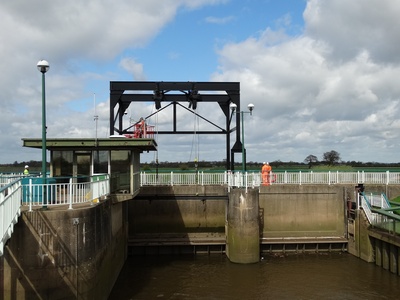
| Run-of-the-River Hydropower | Hydropower / Commercial | 1 to 100 | Rivers with consistent flow and elevation drop | Generates electricity from the natural flow and elevation drop of a river without a large dam or reservoir. This method has a much smaller environmental footprint than conventional hydro, preserving the river’s natural course while still providing reliable local power. |
| Micro Hydropower | Hydropower / Commercial | 0.005 to 0.1 | Small streams, remote communities | A very small-scale version of hydropower that generates electricity from small streams with minimal environmental impact. It’s a durable and reliable energy source for individual homes, farms, or off-grid villages located near a suitable water source. |
| Dry Steam Geothermal | Geothermal / Commercial | 50 to 150 | Volcanic regions with underground steam (US, Italy) | The oldest form of geothermal power, this technology directly pipes natural, high-pressure steam from underground reservoirs to a turbine. It’s a simple and efficient method but requires rare geological conditions where underground steam is readily available near the surface. |
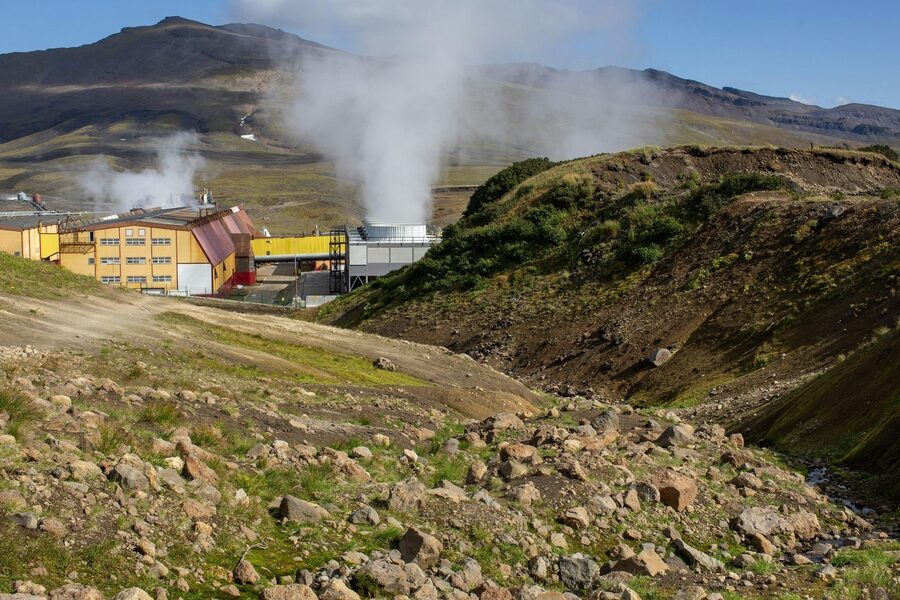
| Flash Steam Geothermal | Geothermal / Commercial | 20 to 100 | Volcanic regions with hot water (Philippines, Indonesia) | High-pressure hot water is pumped from deep underground into a lower-pressure tank, where it rapidly “flashes” into steam. This steam then drives a turbine to generate electricity. It is the most common type of geothermal power plant in operation today. |
| Binary Cycle Geothermal | Geothermal / Commercial | 10 to 50 | Areas with moderate-temperature geothermal fluid | Uses geothermal hot water to heat a secondary fluid with a lower boiling point, like isobutane. This secondary fluid flashes to vapor, which drives the turbines. This allows electricity generation from much lower temperature resources, greatly expanding its potential locations. |
| Enhanced Geothermal Systems (EGS) | Geothermal / Emerging | 1 to 50 (projected) | Potentially anywhere with deep hot rock | Involves creating an artificial geothermal reservoir by fracturing hot, dry rock deep underground and circulating water through it. EGS could unlock geothermal energy potential almost anywhere on Earth, not just in volcanically active zones, making it a game-changing technology. |
| Biomass Direct Combustion | Bioenergy / Commercial | 10 to 100 | Forested regions, agricultural areas (Europe, US) | Involves burning organic matter like wood pellets, agricultural waste, or municipal solid waste to heat water into steam, which then drives a turbine. It converts waste into a reliable, dispatchable source of energy, though air emissions must be carefully managed. |
| Anaerobic Digestion (Biogas) | Bioenergy / Commercial | 0.1 to 5 | Farms, wastewater treatment plants, landfills | Microorganisms break down organic waste (like manure or food scraps) in an oxygen-free environment, producing a methane-rich “biogas.” This biogas can be burned to generate electricity and heat, turning problematic waste streams into a valuable energy resource. |
| Landfill Gas to Energy | Bioenergy / Commercial | 1 to 10 | Municipal solid waste landfills worldwide | Captures methane gas that is naturally produced by the decomposition of organic waste in landfills. Instead of being released as a potent greenhouse gas, the methane is used to fuel engines or turbines to generate electricity, mitigating climate change while creating energy. |
| Gasification | Bioenergy / Commercial | 5 to 50 | Industrial sites, agricultural processing plants | A process that heats biomass in a low-oxygen environment to produce a flammable “syngas.” This gas can be burned in a gas turbine to produce electricity more efficiently and with fewer emissions than direct combustion, offering a cleaner way to convert waste to energy. |
| Advanced Biofuels (Cellulosic) | Bioenergy / Emerging | N/A (measured in liters/gallons) | Agricultural and forestry regions | Liquid fuels produced from non-food biomass like wood, grasses, or agricultural waste. Unlike first-generation biofuels, they don’t compete with food crops and offer a more sustainable path for decarbonizing transportation, including aviation and shipping. |
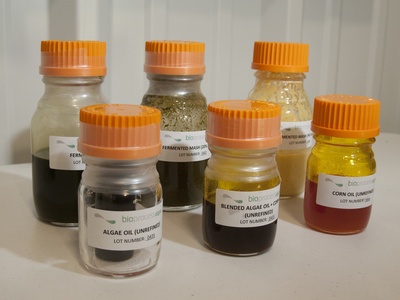
| Algae Biofuels | Bioenergy / R&D | N/A (measured in liters/gallons) | Ponds or bioreactors in sunny locations | Microalgae are cultivated for their oil, which can be converted into biodiesel or jet fuel. Algae grow rapidly, can use non-arable land and wastewater, and absorb CO2, offering a highly promising but currently expensive pathway for sustainable liquid fuels. |
| Green Hydrogen | Energy Carrier / Emerging | 1 to 500 (electrolyzer capacity) | Areas with cheap renewable electricity | Hydrogen produced by splitting water (H2O) using electrolysis powered by renewable electricity, like solar or wind. It’s a clean energy carrier that can store energy, power vehicles, or decarbonize heavy industry, with water as its only byproduct when used. |
| Green Ammonia | Energy Carrier / Emerging | N/A (production tonnage) | Areas with green hydrogen production | Ammonia produced using green hydrogen and nitrogen from the air. It’s easier to transport and store than hydrogen and can be used as a zero-carbon fuel for shipping, as a fertilizer, or be converted back to hydrogen where needed. |
| Tidal Barrage | Marine / Commercial | 200 to 250 | Estuaries with very high tidal ranges (France, S. Korea) | A large dam-like structure, called a barrage, is built across an estuary. As the tide comes in and out, water flows through turbines in the barrage, generating predictable, reliable power. Only a few exist due to high costs and environmental impact. |
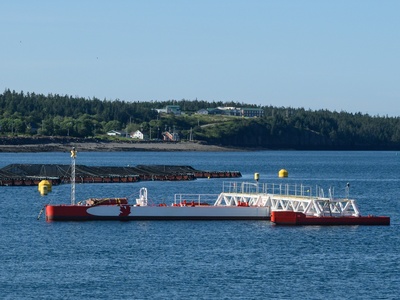
| Tidal Stream | Marine / Emerging | 0.5 to 2 per turbine; 10 to 50 per array | Channels with strong, fast-moving tidal currents | Underwater turbines, similar to wind turbines, are placed in areas with strong tidal currents to capture kinetic energy from the moving water. This technology is less disruptive than barrages and harnesses the predictable power of the tides to generate electricity. |
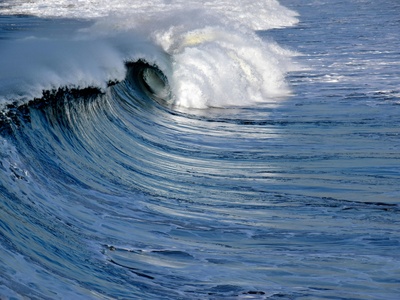
| Wave Energy (Point Absorber) | Marine / R&D | 0.05 to 0.5 per device | Coastal areas with consistent wave action | A floating buoy-like device that moves up and down with the waves. This motion drives a generator, converting the ocean’s vertical movement into electricity. These devices are being tested in various forms to find the most efficient and durable design. |
| Wave Energy (Oscillating Water Column) | Marine / R&D | 0.1 to 1 | Shorelines or nearshore locations | A partially submerged structure that traps air above a column of water. As waves rise and fall, they push the air in and out through a turbine, which spins to generate electricity. It’s one of the more established wave energy concepts. |
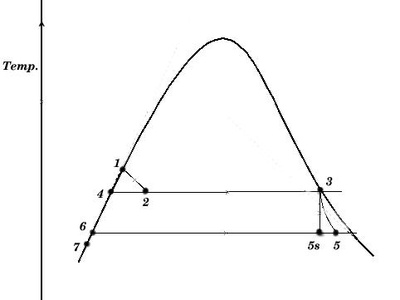
| Ocean Thermal Energy Conversion (OTEC) | Marine / R&D | 0.1 to 10 (projected) | Tropical deep-ocean waters (e.g., Hawaii, Japan) | Exploits the temperature difference between warm surface water and cold deep ocean water to drive a heat engine. OTEC can provide continuous, baseload power and also produce desalinated water, but the technology remains complex and expensive to deploy. |
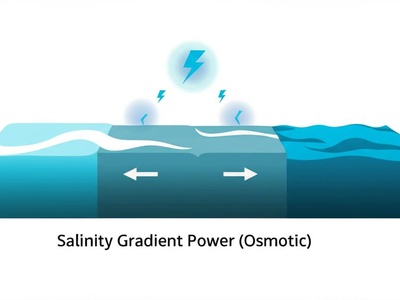
| Salinity Gradient Power (Osmotic) | Marine / R&D | 0.01 to 1 (projected) | River mouths where freshwater meets saltwater | Generates electricity from the pressure difference between freshwater and saltwater when they meet across a semi-permeable membrane. This technology, also called blue energy, could provide a continuous power source at river estuaries but is still in early development. |
| Solar Thermal Heating | Solar / Commercial | N/A (thermal energy, not electricity) | Residential and commercial buildings worldwide | Uses sunlight to directly heat water or air for domestic hot water, space heating, or swimming pools. This simple, highly efficient technology uses collectors on rooftops to displace the need for electricity or natural gas for heating purposes. |
| Geothermal Heat Pumps | Geothermal / Commercial | N/A (thermal energy, not electricity) | Residential and commercial buildings worldwide | Uses the stable temperature of the ground just a few feet below the surface to heat and cool buildings. In winter, it pulls heat from the ground into the building, and in summer, it dumps heat from the building into the ground, acting as a highly efficient HVAC system. |
Images and Descriptions
Utility-Scale Solar PV
Vast farms of photovoltaic panels convert sunlight directly into electricity for the grid. This is one of the fastest-growing and cheapest sources of new energy, transforming power generation at a massive scale in sunny regions around the globe.
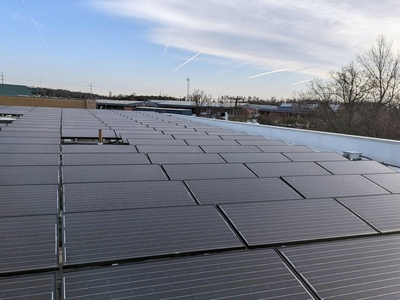
Rooftop Solar PV
Small-scale photovoltaic panels installed on rooftops generate electricity right where it’s used. This decentralized approach empowers homeowners and businesses, reduces transmission losses, and enhances grid resilience by distributing power generation across the community.
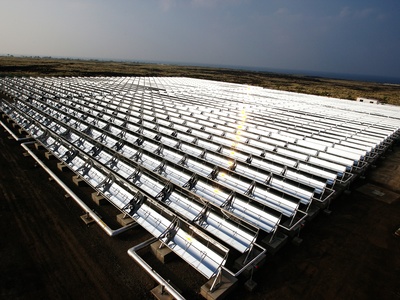
Concentrated Solar Power (CSP) – Trough
Uses large, parabolic mirrors to focus sunlight onto a central tube, heating a fluid to create steam and drive a turbine. Its ability to store thermal energy allows it to generate power even after sunset, providing reliable, dispatchable solar energy.
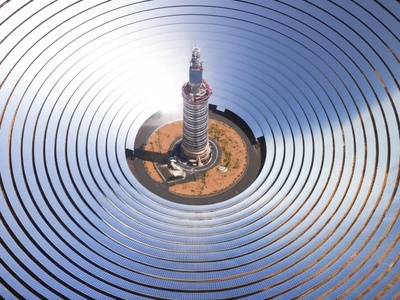
Concentrated Solar Power (CSP) – Tower
An array of mirrors focuses sunlight onto a receiver on a central tower, heating molten salt to extremely high temperatures. This stored heat generates steam for electricity on-demand, making it a valuable source of 24/7 solar power.
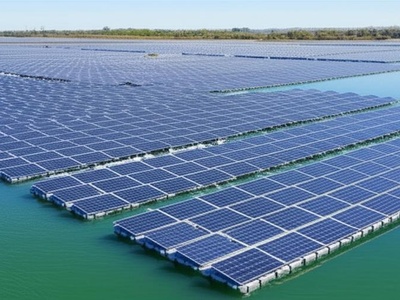
Floating Solar (Floatovoltaics)
Solar PV panels are mounted on floating structures on bodies of water like reservoirs. This approach saves valuable land space, reduces water evaporation, and can improve panel efficiency due to the cooling effect of the water, making it a smart dual-use solution.
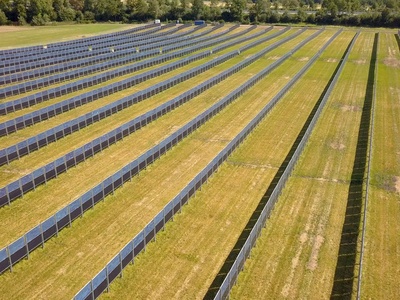
Agrivoltaics
A symbiotic system where solar panels are installed on farmland, elevated to allow crops to grow beneath them. It optimizes land use by producing both food and energy, while the panels can provide shade, reduce water needs, and protect crops.
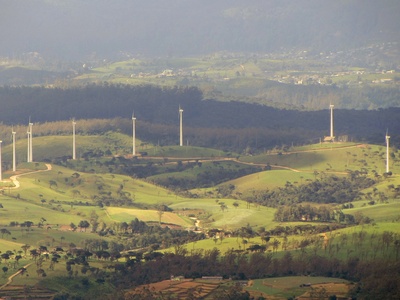
Onshore Wind
Large turbines with horizontal-axis blades capture kinetic energy from the wind to generate electricity. It’s a mature, cost-effective technology and one of the leading sources of renewable power, often installed in large “wind farms” in open, windy landscapes.
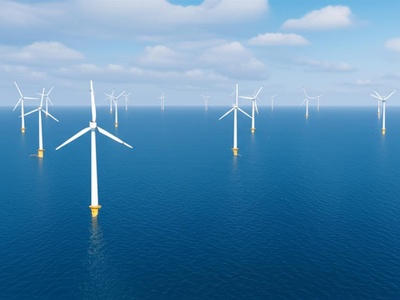
Offshore Wind (Fixed-Bottom)
Massive wind turbines are mounted on foundations fixed to the seabed in relatively shallow waters. Offshore wind is stronger and more consistent than on land, allowing these farms to generate huge amounts of predictable, clean electricity for coastal populations.
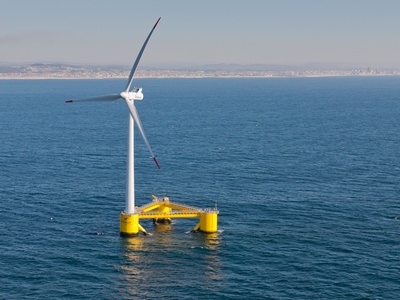
Offshore Wind (Floating)
Wind turbines are placed on floating platforms anchored to the deep seabed. This technology unlocks vast areas of the ocean with powerful, consistent winds that are inaccessible to fixed-bottom turbines, representing the next frontier for wind energy generation.
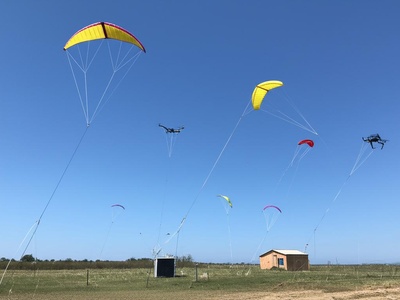
Airborne Wind Energy (AWE)
This emerging technology uses tethered flying devices, like kites or drones, to capture strong and consistent winds at high altitudes. By tapping into a previously unreachable resource, AWE systems aim to generate power with far less material than traditional turbines.
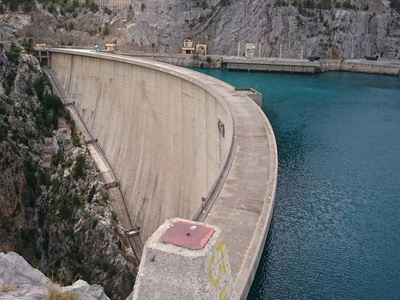
Conventional Hydropower
A large dam creates a reservoir, and water released from it flows through turbines to generate electricity. It provides massive, stable, and flexible power, but large-scale projects can have significant environmental and social impacts on river ecosystems.
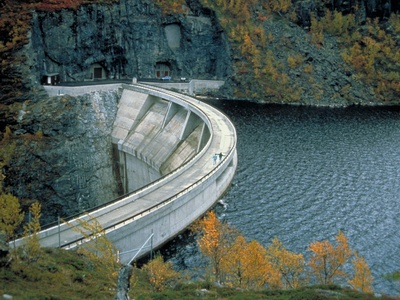
Run-of-the-River Hydropower
Generates electricity from the natural flow and elevation drop of a river without a large dam or reservoir. This method has a much smaller environmental footprint than conventional hydro, preserving the river’s natural course while still providing reliable local power.
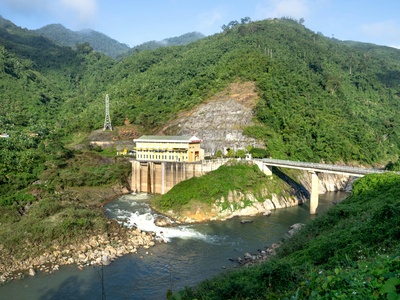
Micro Hydropower
A very small-scale version of hydropower that generates electricity from small streams with minimal environmental impact. It’s a durable and reliable energy source for individual homes, farms, or off-grid villages located near a suitable water source.
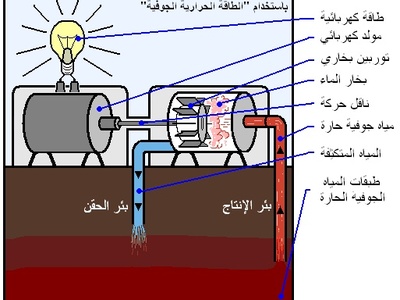
Dry Steam Geothermal
The oldest form of geothermal power, this technology directly pipes natural, high-pressure steam from underground reservoirs to a turbine. It’s a simple and efficient method but requires rare geological conditions where underground steam is readily available near the surface.
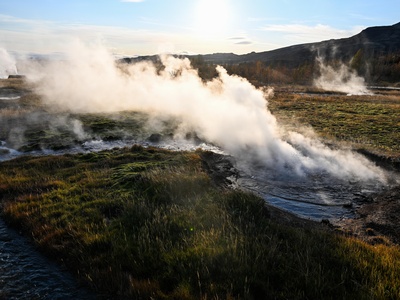
Flash Steam Geothermal
High-pressure hot water is pumped from deep underground into a lower-pressure tank, where it rapidly “flashes” into steam. This steam then drives a turbine to generate electricity. It is the most common type of geothermal power plant in operation today.
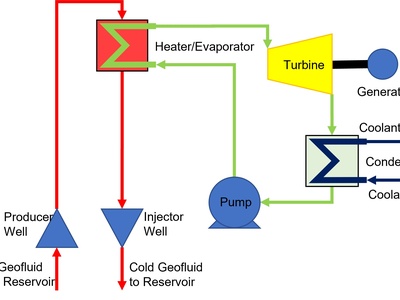
Binary Cycle Geothermal
Uses geothermal hot water to heat a secondary fluid with a lower boiling point, like isobutane. This secondary fluid flashes to vapor, which drives the turbines. This allows electricity generation from much lower temperature resources, greatly expanding its potential locations.
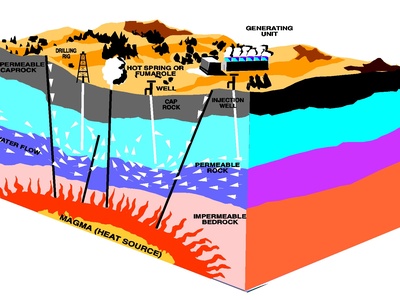
Enhanced Geothermal Systems (EGS)
Involves creating an artificial geothermal reservoir by fracturing hot, dry rock deep underground and circulating water through it. EGS could unlock geothermal energy potential almost anywhere on Earth, not just in volcanically active zones, making it a game-changing technology.
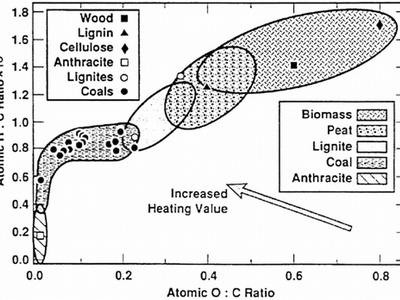
Biomass Direct Combustion
Involves burning organic matter like wood pellets, agricultural waste, or municipal solid waste to heat water into steam, which then drives a turbine. It converts waste into a reliable, dispatchable source of energy, though air emissions must be carefully managed.
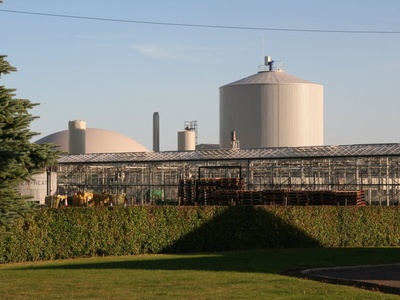
Anaerobic Digestion (Biogas)
Microorganisms break down organic waste (like manure or food scraps) in an oxygen-free environment, producing a methane-rich “biogas.” This biogas can be burned to generate electricity and heat, turning problematic waste streams into a valuable energy resource.
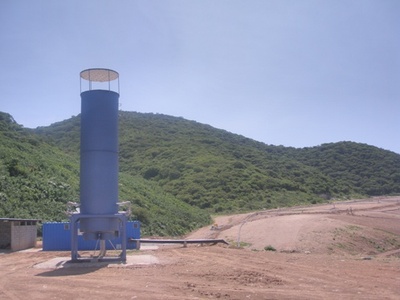
Landfill Gas to Energy
Captures methane gas that is naturally produced by the decomposition of organic waste in landfills. Instead of being released as a potent greenhouse gas, the methane is used to fuel engines or turbines to generate electricity, mitigating climate change while creating energy.
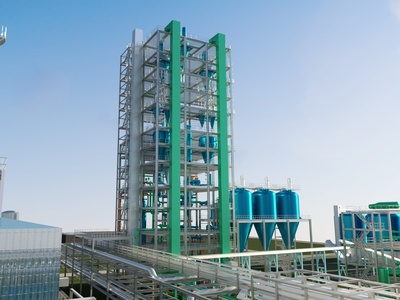
Gasification
A process that heats biomass in a low-oxygen environment to produce a flammable “syngas.” This gas can be burned in a gas turbine to produce electricity more efficiently and with fewer emissions than direct combustion, offering a cleaner way to convert waste to energy.

Advanced Biofuels (Cellulosic)
Liquid fuels produced from non-food biomass like wood, grasses, or agricultural waste. Unlike first-generation biofuels, they don’t compete with food crops and offer a more sustainable path for decarbonizing transportation, including aviation and shipping.
Algae Biofuels
Microalgae are cultivated for their oil, which can be converted into biodiesel or jet fuel. Algae grow rapidly, can use non-arable land and wastewater, and absorb CO2, offering a highly promising but currently expensive pathway for sustainable liquid fuels.
Green Hydrogen
Hydrogen produced by splitting water (H2O) using electrolysis powered by renewable electricity, like solar or wind. It’s a clean energy carrier that can store energy, power vehicles, or decarbonize heavy industry, with water as its only byproduct when used.
Green Ammonia
Ammonia produced using green hydrogen and nitrogen from the air. It’s easier to transport and store than hydrogen and can be used as a zero-carbon fuel for shipping, as a fertilizer, or be converted back to hydrogen where needed.
Tidal Barrage
A large dam-like structure, called a barrage, is built across an estuary. As the tide comes in and out, water flows through turbines in the barrage, generating predictable, reliable power. Only a few exist due to high costs and environmental impact.
Tidal Stream
Underwater turbines, similar to wind turbines, are placed in areas with strong tidal currents to capture kinetic energy from the moving water. This technology is less disruptive than barrages and harnesses the predictable power of the tides to generate electricity.
Wave Energy (Point Absorber)
A floating buoy-like device that moves up and down with the waves. This motion drives a generator, converting the ocean’s vertical movement into electricity. These devices are being tested in various forms to find the most efficient and durable design.

Wave Energy (Oscillating Water Column)
A partially submerged structure that traps air above a column of water. As waves rise and fall, they push the air in and out through a turbine, which spins to generate electricity. It’s one of the more established wave energy concepts.
Ocean Thermal Energy Conversion (OTEC)
Exploits the temperature difference between warm surface water and cold deep ocean water to drive a heat engine. OTEC can provide continuous, baseload power and also produce desalinated water, but the technology remains complex and expensive to deploy.
Salinity Gradient Power (Osmotic)
Generates electricity from the pressure difference between freshwater and saltwater when they meet across a semi-permeable membrane. This technology, also called blue energy, could provide a continuous power source at river estuaries but is still in early development.
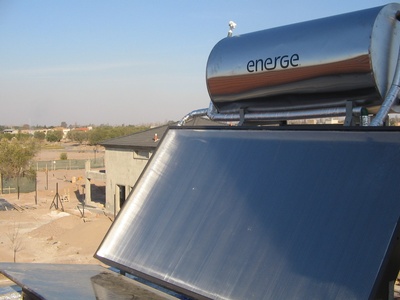
Solar Thermal Heating
Uses sunlight to directly heat water or air for domestic hot water, space heating, or swimming pools. This simple, highly efficient technology uses collectors on rooftops to displace the need for electricity or natural gas for heating purposes.
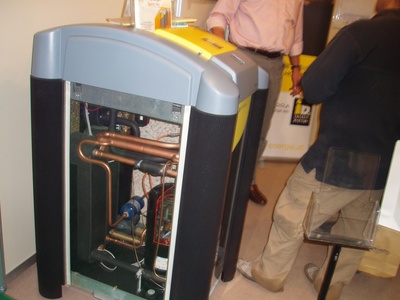
Geothermal Heat Pumps
Uses the stable temperature of the ground just a few feet below the surface to heat and cool buildings. In winter, it pulls heat from the ground into the building, and in summer, it dumps heat from the building into the ground, acting as a highly efficient HVAC system.