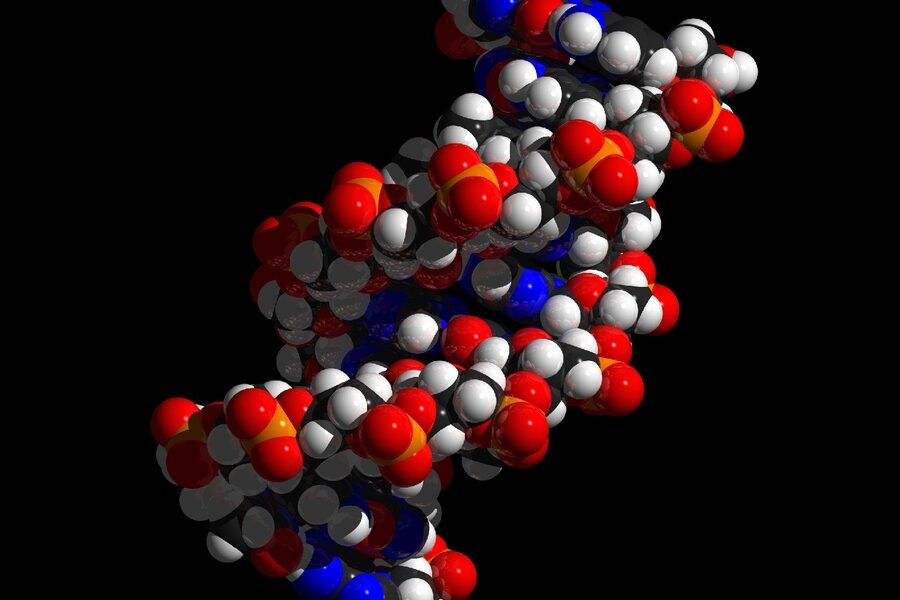
In 1953, James Watson and Francis Crick published the double-helix model of DNA, a discovery that reshaped biology and medicine.
Many people can recite isolated biological facts, but fewer appreciate how those pieces link to everyday choices, public health, and global challenges.
Biology explains how life works at scales from molecules to ecosystems—and these ten facts reveal why the field matters for health, climate, and technology.
Below are ten curated, interesting biological facts grouped into three themes: Foundations of Life, Diversity & Ecology, and Technology & Human Impact. Short explanations and concrete examples follow so you can connect ideas to real-world outcomes.
Foundations of Life
This section ties molecular and cellular principles to medicine and biotechnology. The next four points explain DNA, cells, energy, and evolution—ideas that underpin genomics, regenerative medicine, and public-health strategies.
1. DNA Is Life’s Instruction Manual
DNA stores genetic information as sequences of four bases that code for traits and proteins. The human genome contains roughly 3 billion base pairs and about 20,000–25,000 protein-coding genes, figures established by the Human Genome Project’s 2003 draft and later refinements.
Sequencing the genome enabled modern genomics: researchers can pinpoint disease variants, track ancestry, and design targeted therapies. Consumer services like 23andMe offer genetic reports, while CRISPR-Cas9—first widely applied as a gene-editing tool around 2012—lets scientists alter DNA sequences. Approved gene therapies now treat certain rare conditions, showing how reading and editing that instruction manual has real clinical impact.
2. Cells Are the Basic Unit of Life
All living organisms are built from cells. Modern estimates put an average adult human at about 37 trillion cells (a commonly cited 2013 estimate), organized into specialized types such as neurons and red blood cells.
Cell specialization lets tissues and organs perform complex tasks: neurons transmit signals, while red blood cells ferry oxygen. Cell theory transformed biology and paved the way for stem-cell research. Clinical examples include bone marrow transplants and induced pluripotent stem cells (iPSCs), developed by Shinya Yamanaka in 2006, which can be coaxed into many cell types for regenerative medicine and disease modeling.
3. Life Runs on Energy — ATP Is the Currency
Cells use adenosine triphosphate (ATP) as their primary energy carrier. During aerobic respiration, a glucose molecule yields roughly 30–32 ATP molecules, and mitochondria are the organelles where much of that conversion happens.
Plants and photosynthetic microbes capture sunlight and convert it into sugars that feed food webs; phytoplankton, for instance, fuel oceanic ecosystems. Energy biology matters for health—mitochondrial dysfunction causes specific diseases—and for technology: bioenergy and biofuel research aim to tap biological pathways to produce sustainable fuels.
4. Evolution Explains Life’s Diversity
Natural selection and other evolutionary forces shape species over time, a framework first formalized by Charles Darwin in 1859 and now supported by genetic data. For example, humans and chimpanzees share roughly 98–99% similarity in DNA sequence, reflecting recent shared ancestry.
Evolutionary thinking is practical: it guides vaccine strain selection, helps predict antibiotic resistance, and informs conservation strategies. Classic examples include Darwin’s finches, the rise of MRSA and other resistant bacteria, and genomic surveillance that tracks SARS‑CoV‑2 variants during outbreaks.
Diversity, Adaptation, and Ecology

Organismal diversity underpins ecosystem services we depend on—food, clean air, and stable climate. The next three facts spotlight microbes, plants, and species interactions, each with measurable effects on human well‑being and the planet.
5. Microbes Dominate Earth’s Biomass and Influence Health
Microbes are numerically dominant: scientists estimate about 10^30 microbial cells on Earth, a staggering figure that outnumbers all multicellular life combined. The human microbiome contains on the order of 30–40 trillion microbial cells—comparable to the number of human cells—so microbes are integral to our physiology.
Research links gut microbes to digestion, immunity, and even mood. Clinical applications include fecal microbiota transplants to treat recurrent Clostridioides difficile infections, probiotics for gut health, and industrial uses such as wastewater treatment and fermentation. E. coli remains a lab workhorse for molecular biology and biotechnology.
6. Plants Produce Oxygen and Shape Climate
Photosynthetic organisms create the oxygen we breathe and sequester carbon. Phytoplankton in the oceans generate roughly half of Earth’s oxygen production, while terrestrial forests and soils store vast amounts of carbon that influence climate patterns.
Protecting and restoring ecosystems matters because intact forests and healthy soils lock up carbon and support biodiversity. The Amazon rainforest is a key carbon reservoir, and cyanobacteria and phytoplankton sustain marine food webs. Practical responses include reforestation programs and agricultural practices that improve soil carbon storage.
7. Symbiosis and Ecological Networks Keep Ecosystems Resilient
Interactions among species—mutualism, commensalism, and parasitism—shape how ecosystems function. Pollinators, for example, are essential for about 35% of global crop production, making them crucial for food security.
Mycorrhizal fungi help plants absorb nutrients and water, and coral reefs rely on symbioses between corals and algae (zooxanthellae). When these relationships break—such as during coral bleaching or pollinator declines—ecosystem services suffer, affecting agriculture, fisheries, and livelihoods. Restoration ecology often reintroduces or supports these partnerships to rebuild resilience.
Technology, Medicine, and Human Impact
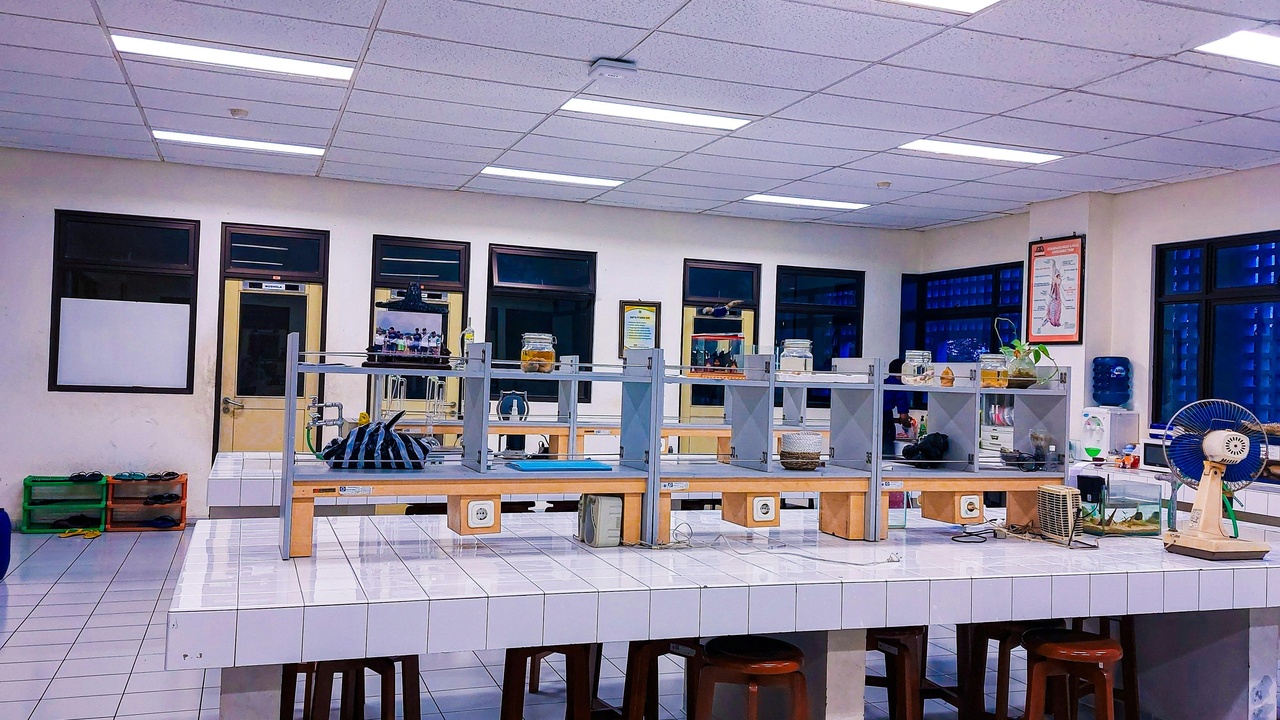
Biological knowledge drives technologies from medicines to engineered organisms. These three facts show how discoveries become products, save lives, and raise ethical questions—summarized here as practical examples of the most impactful facts about biology.
8. Biotechnology Turns Biology into Practical Tools
Biotech applies biological systems to create medicines, crops, and industrial products. A milestone came in 1982 when recombinant human insulin was commercialized (produced in E. coli), launching a new era for the pharmaceutical industry and companies such as Genentech.
Applications range from genetically modified crops and industrial enzymes to biologic drugs and monoclonal antibodies. Golden Rice is an example of a biofortified crop designed to address vitamin A deficiency, while recombinant proteins and engineered microbes underpin many modern therapies and manufacturing processes.
9. Medicine Relies on Biological Principles and Discovery
Modern medicine stands on biological science. Vaccination prevents an estimated 2–3 million deaths worldwide each year, according to WHO estimates, and antibiotics and vaccines trace back to landmark discoveries like penicillin (1928) and the global smallpox eradication declared in 1980.
Recent advances include mRNA vaccine platforms used in 2020–2021 that helped curb the worst of the COVID‑19 pandemic, while challenges such as antibiotic resistance remain major public-health concerns. Organ transplantation, immunology, and targeted cancer therapies all grow from an expanding base of biological knowledge.
10. Synthetic Biology and Future Frontiers Offer New Possibilities
Synthetic biology engineers living systems to perform novel tasks. A notable milestone was the J. Craig Venter Institute’s creation of a lab-built bacterial genome in 2010, demonstrating that genomes can be synthesized and booted up in cells.
Applications include cultured meat (companies such as Upside Foods), engineered microbes that produce materials or clean chemicals, and gene-drive research aimed at controlling mosquito-borne diseases. These tools promise benefits but also demand careful ethical and biosafety oversight as they move from labs into the world.
Summary
- DNA’s scale and readability (≈3 billion base pairs; ~20,000–25,000 genes) turned genetics into medicine, enabling consumer tests, CRISPR editing, and gene therapies.
- Microbes dominate Earth numerically (≈1030 cells) and live in and on us (human microbiome ~30–40 trillion), shaping health, food, and the environment.
- Plants and photosynthetic microbes supply roughly half the planet’s oxygen and store vast carbon reserves—efforts like reforestation and ocean stewardship affect climate and livelihoods.
- Biotechnology and synthetic biology (recombinant insulin 1982; JCVI synthetic genome 2010; mRNA vaccines 2020) turn biological knowledge into products that save lives, but they carry responsibilities—support science education, stay informed about new research, and consider conservation or health choices in your community.